
Last updated September 20, 2026
Level 1 sweep and inspection to the NFPA 211 annual standard - flue, crown, cap, and flashing checked and photographed
Chimney sweep logs do not sweep chimneys. They loosen some creosote - which then falls where a brush and vacuum still have to collect it.
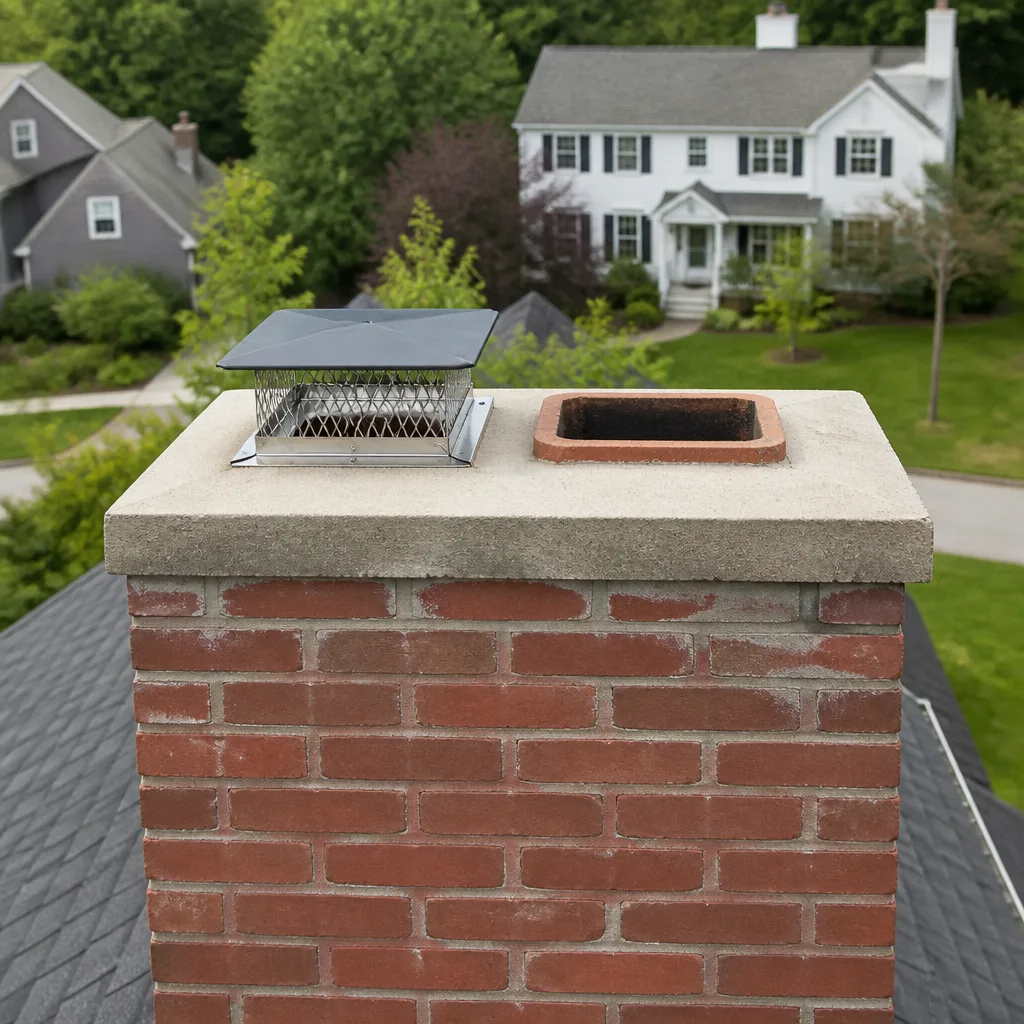
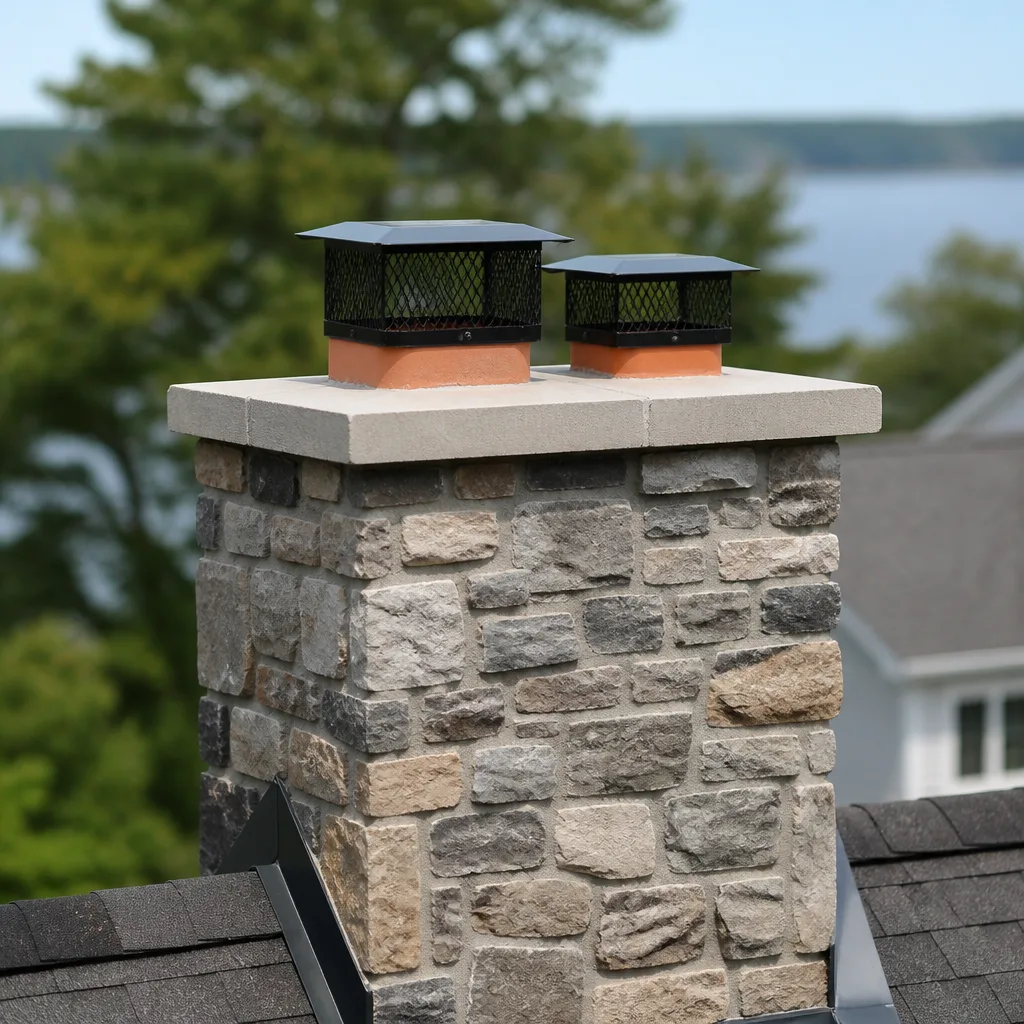
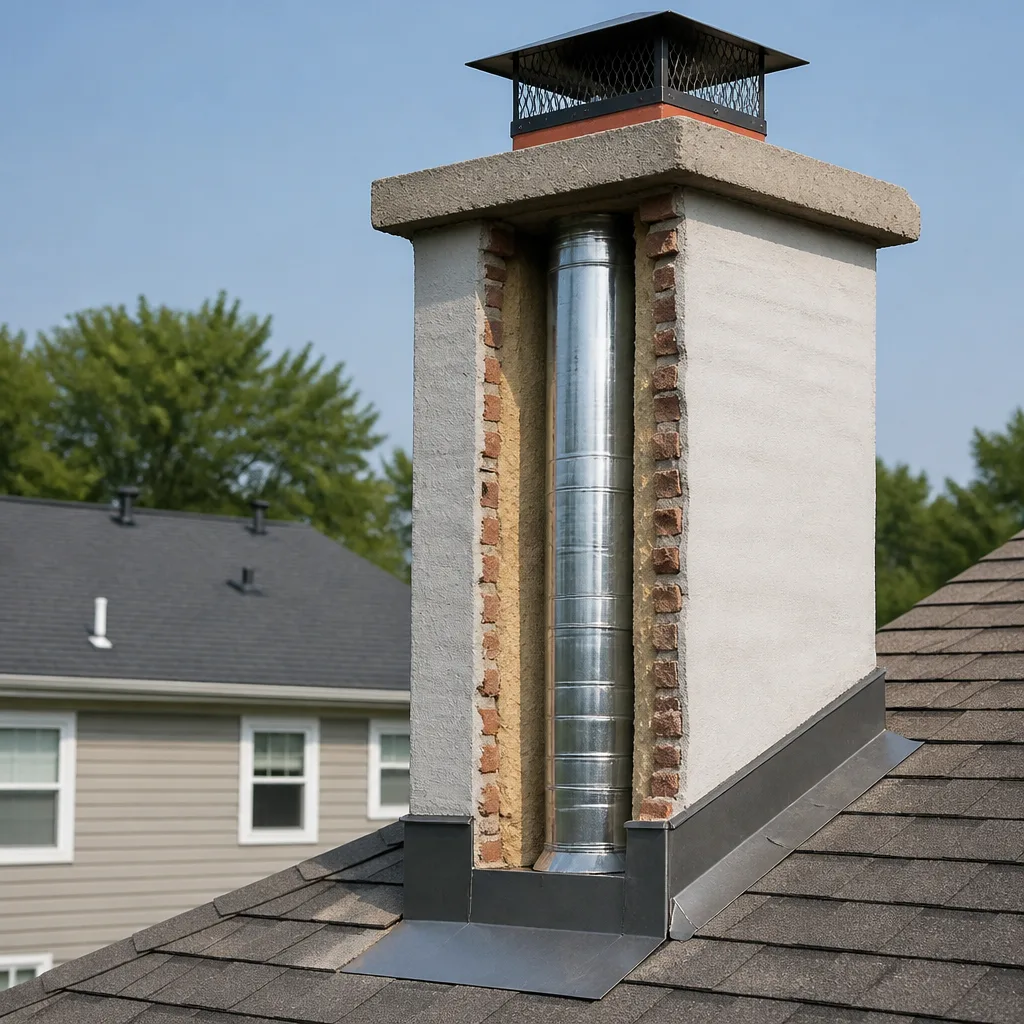
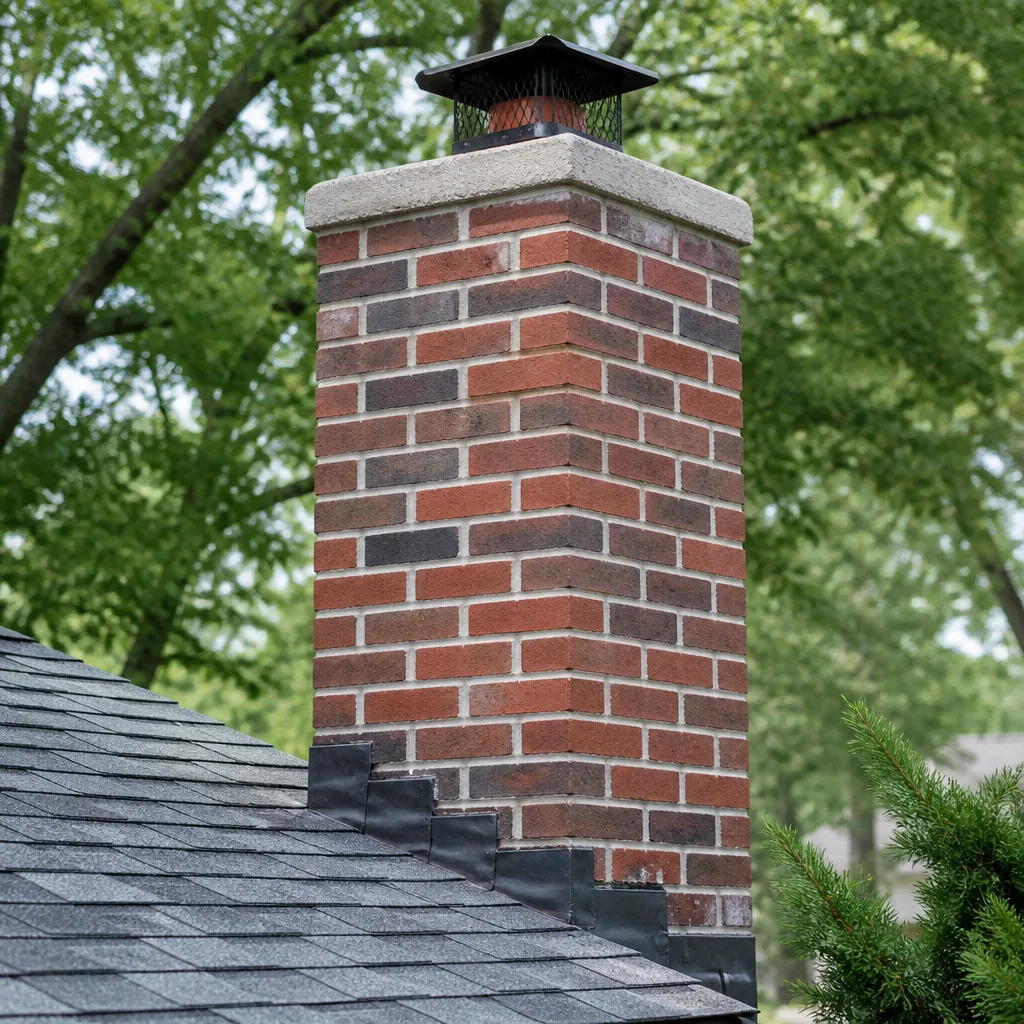
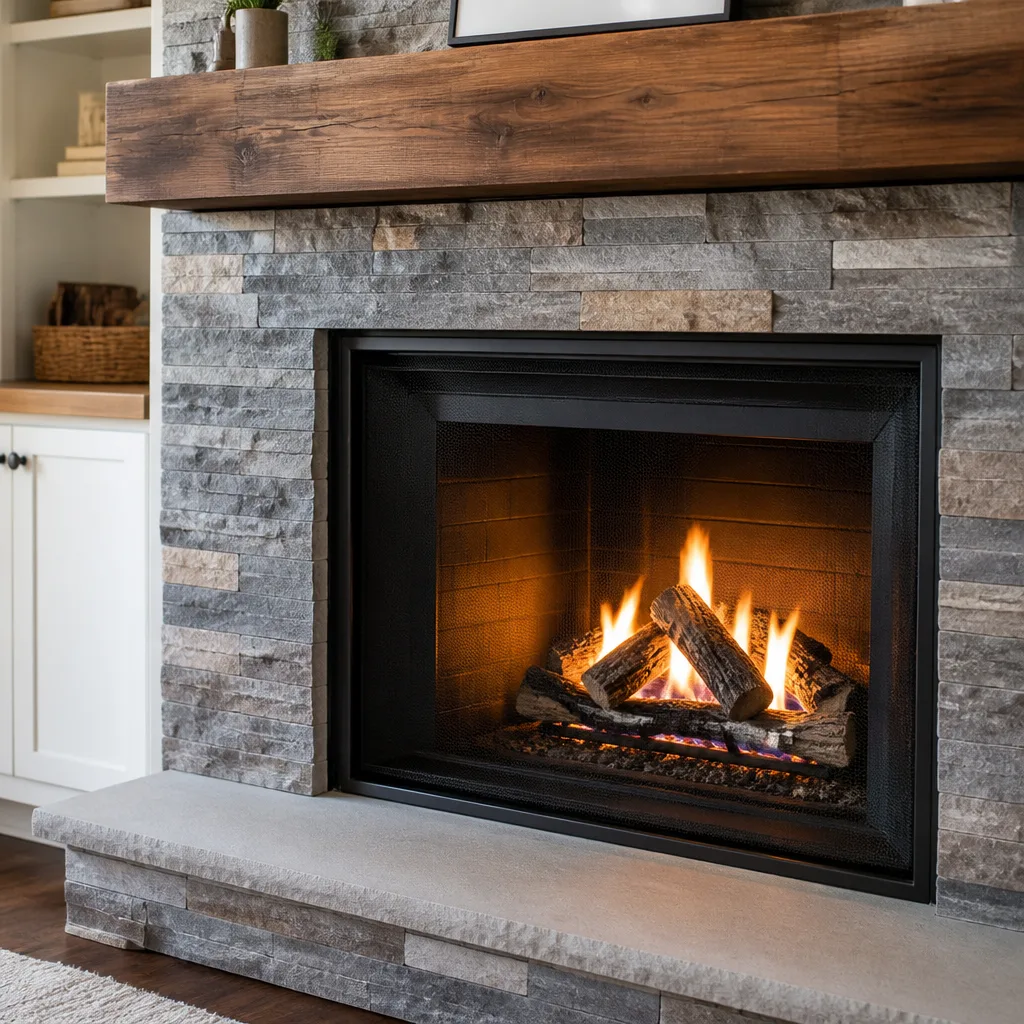
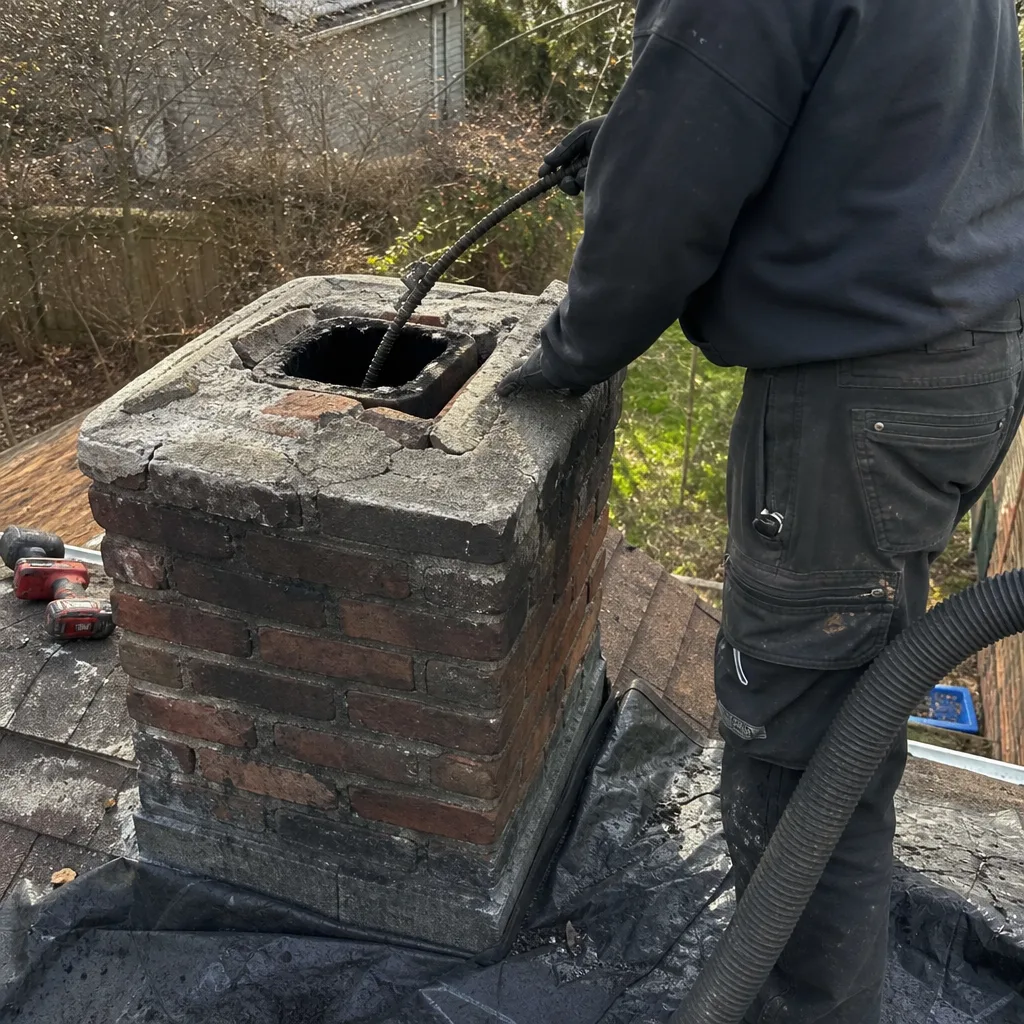 Before
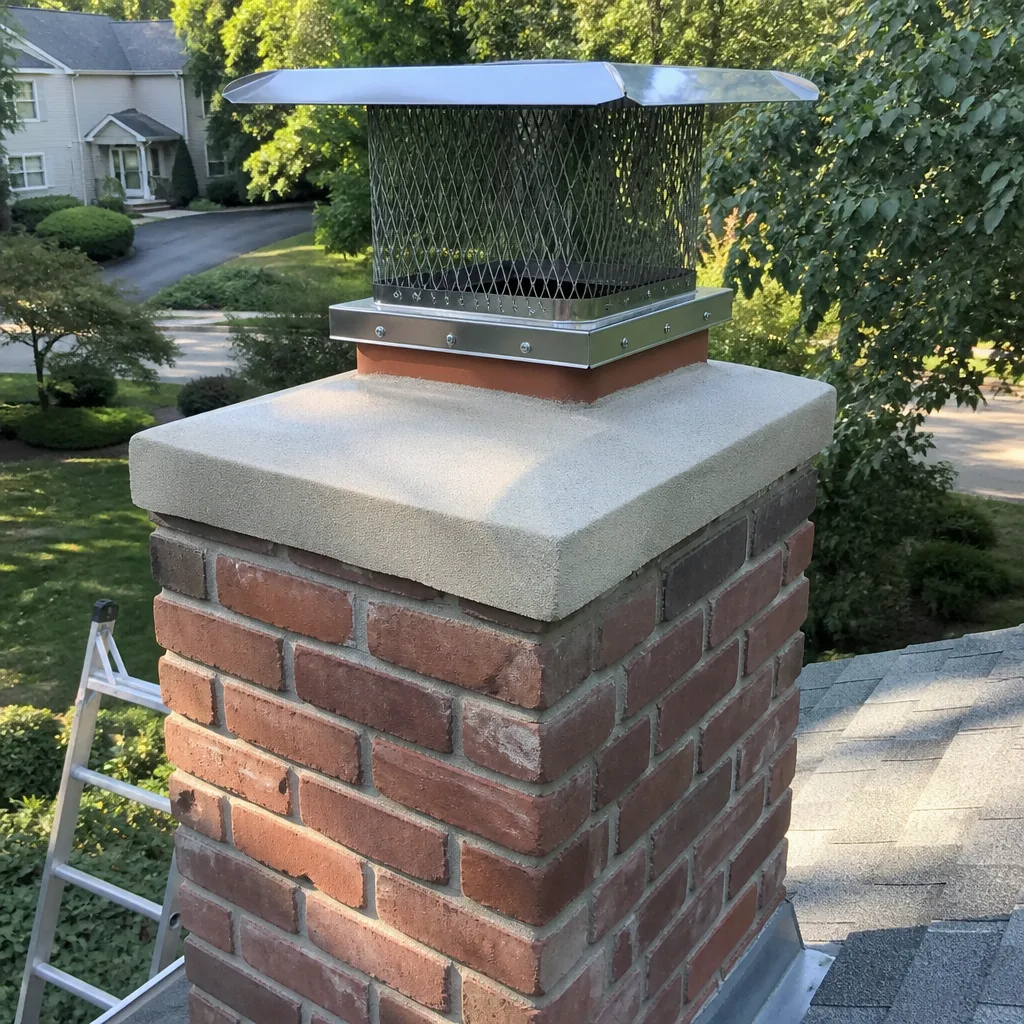 After
After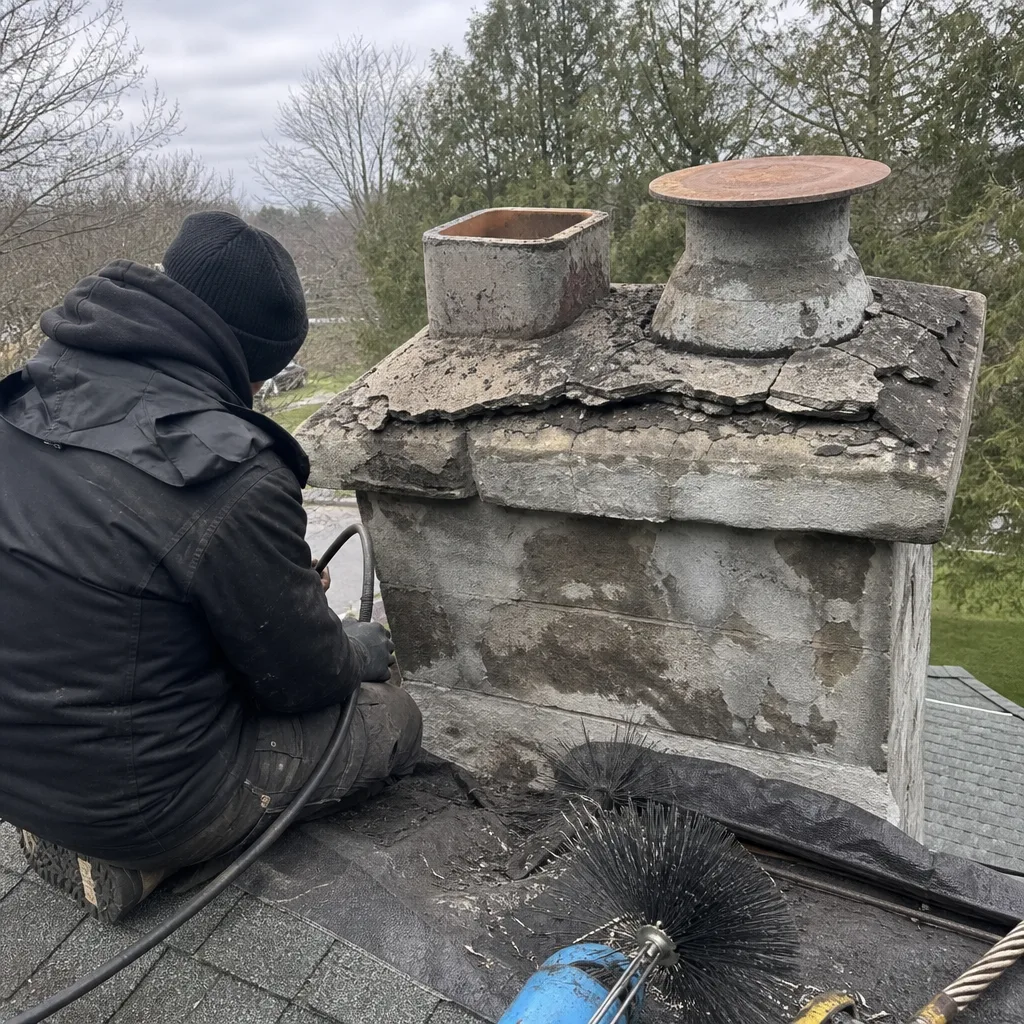 Before
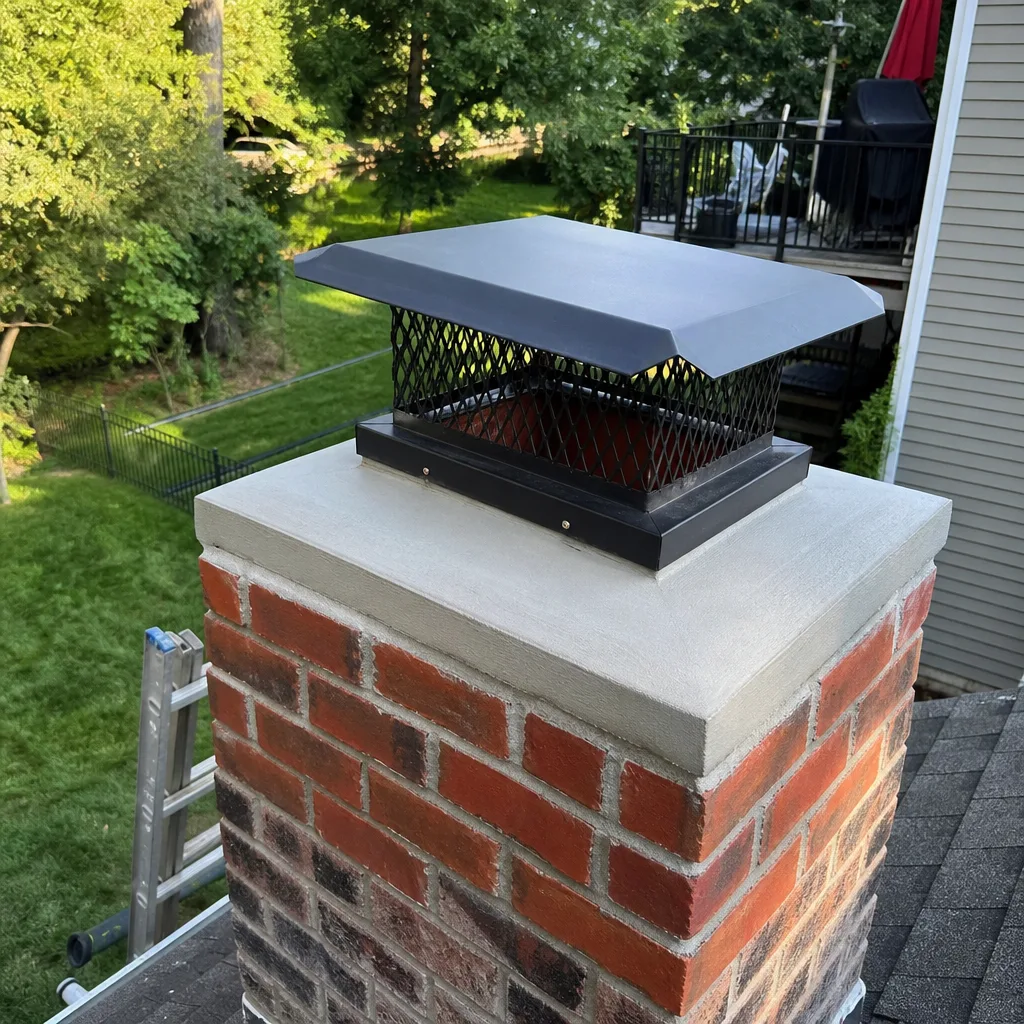 After
After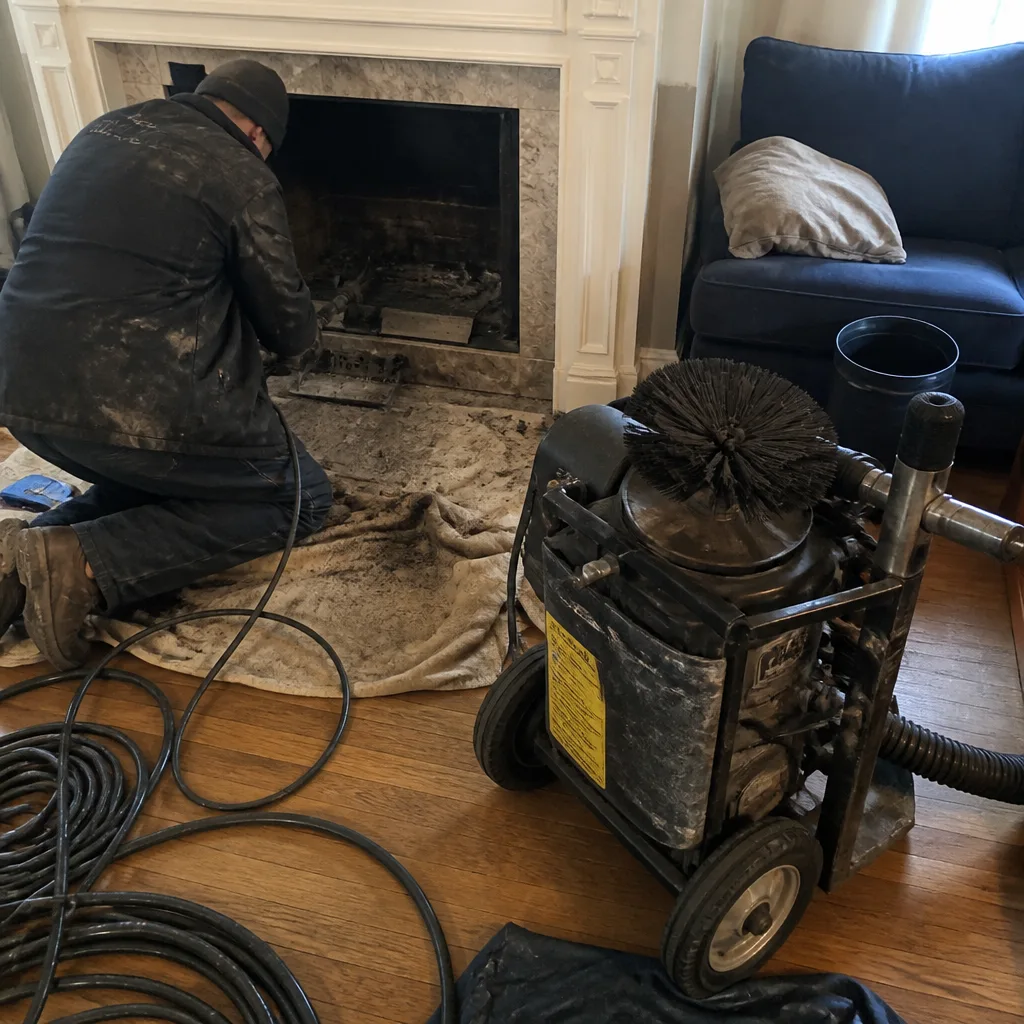 Before
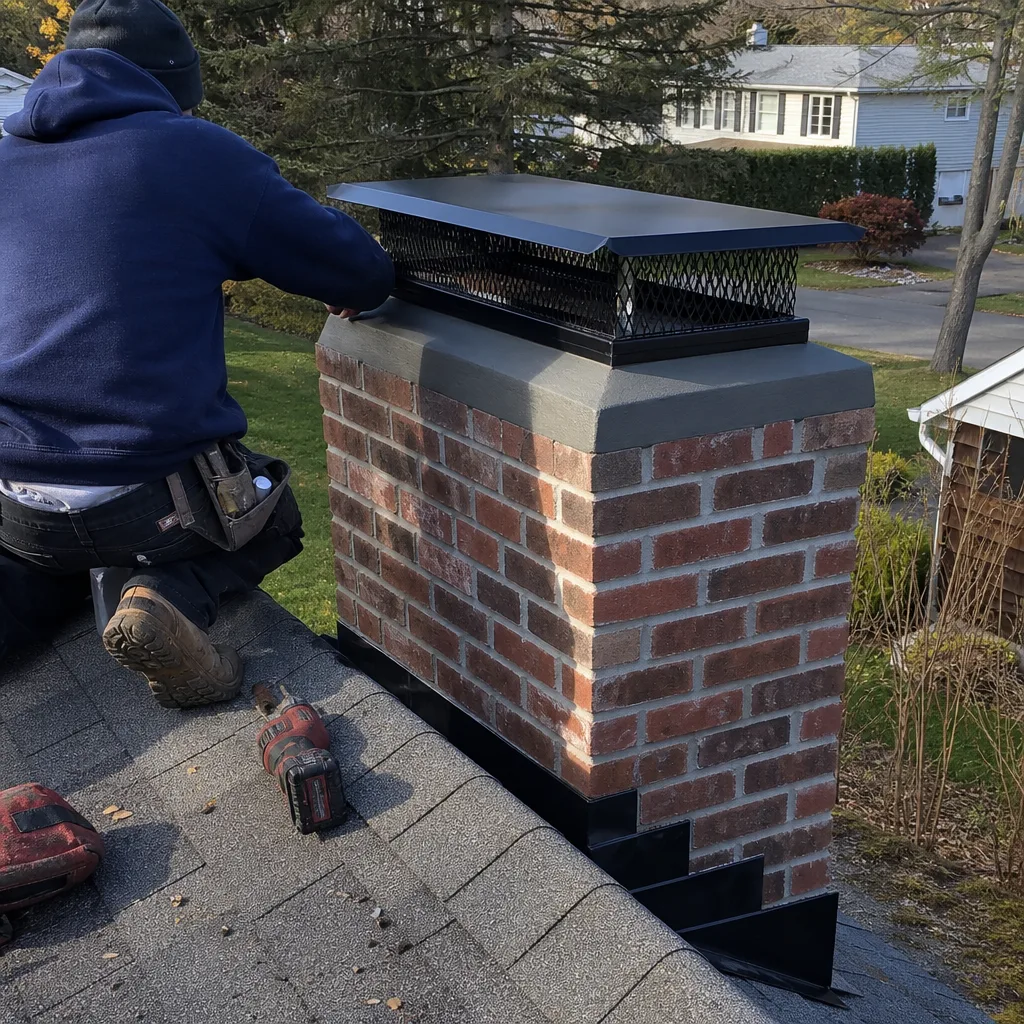 After
AfterChimney Cleaning Permits, Codes & Inspections in NY: What You Need to Know
Most homeowners in White Plains discover New York’s chimney code framework backward: not when they schedule a sweep, but when an insurance adjuster asks for a permit record that was never pulled. A simple cleaning rarely needs one. A liner replacement almost always does. The distinction lives in NYS Building Code Section M1805, and the gap between those two categories is where homeowners lose claims, delay closings, and inherit five-figure repair bills from work that was never documented. This guide maps the line between maintenance and alteration, the local Westchester amendments that differ from New York City, and the paperwork that proves which side of the line your chimney sits on. For related reading, see our Complete Guide to Chimney Cleaning in White Plains.
Quick Answer
Routine chimney cleaning warning signs aside, routine chimney cleaning and Level 2 inspections in New York do not require a building permit. Repairs that alter the flue system, such as liner replacement, rebuilding a crown, or modifying the smoke chamber, generally do. In Westchester County, liner replacement specifically triggers a permit under local amendments to the state code, and work done without that record can void a homeowner’s insurance claim if a fire starts in that flue.
Table of Contents
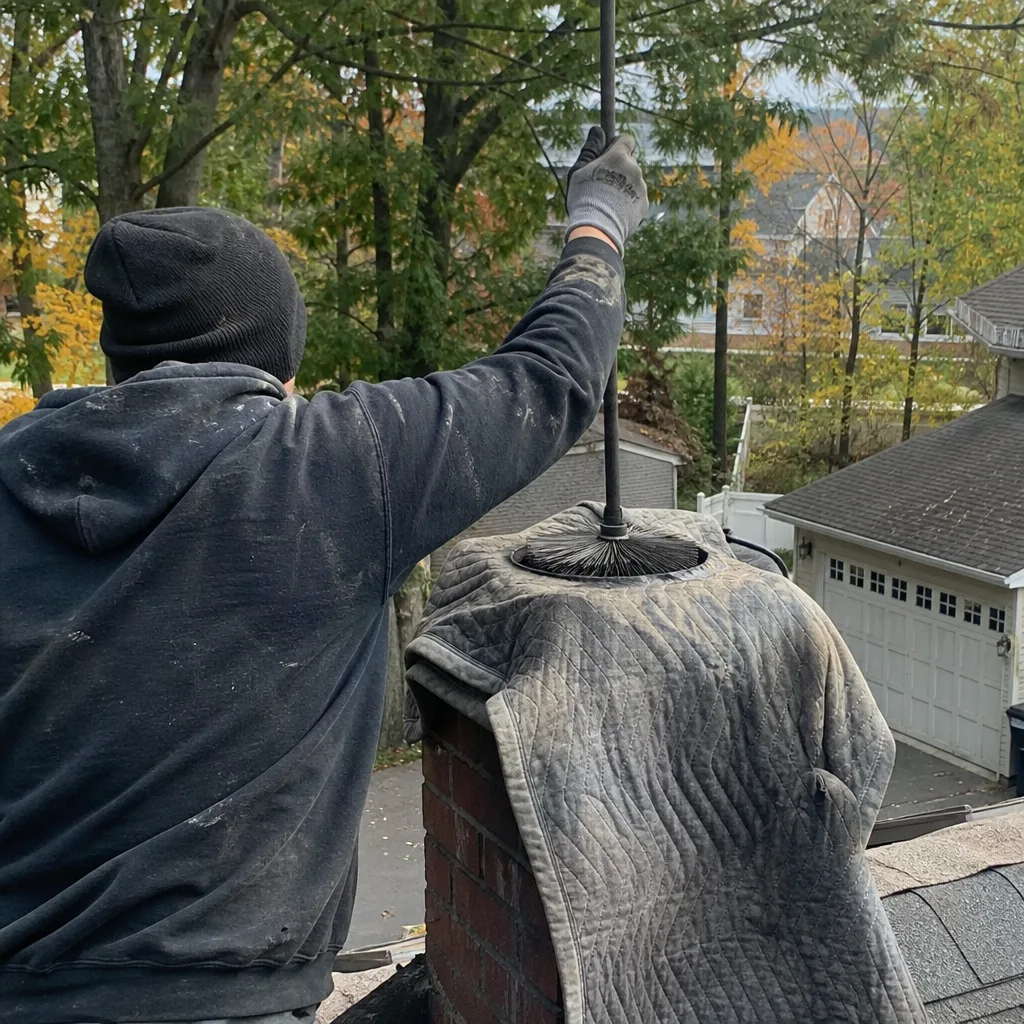
- Why Permits on Chimney Work Exist in the First Place
- The Legal Line in New York: Cleaning and Maintenance vs. Repair and Alteration
- How White Plains and Westchester County Differ From NYC
- NFPA 211 Is Not the Law, and Why That Matters
- What a Level 2 Inspection Report Actually Documents
- Unpermitted Chimney Work and the Westchester Home Sale
- What Happens to Your Insurance Claim Without a Permit Record
- Common Mistakes to Avoid
- When to Call a Professional
- Frequently Asked Questions
- The Bottom Line
BeforeAfterWhy Permits on Chimney Work Exist in the First Place
Chimney permits exist for one reason: a chimney fire inside the flue is invisible until it is not. Unlike a kitchen fire, which starts in a room where someone sees it, a flue fire burns inside a masonry shaft that shares walls with bedrooms, attics, and roof framing. The permit process forces a second set of eyes, a code official, to confirm that whatever was installed meets a minimum standard before anyone lights a fire on the other side of it. That inspection record then becomes the document an insurer can point to if something goes wrong years later. Without it, the insurer has a legally defensible position to deny the claim, not because the liner failed, but because the homeowner cannot prove any liner was installed to code at all. In White Plains, where housing stock runs heavily to pre-1950 masonry chimneys and 1980s prefabricated fireplaces, the age of the structure makes the paper trail more relevant, not less.
We regularly see the same sequence in Westchester: a homeowner buys a house, the previous owner did a liner replacement during a kitchen renovation, the town never saw it, and now the buyer is the one holding a flue that technically does not exist on any municipal record. The work may have been done well. The problem is that doing it well and proving it were done well are two different things, and New York’s code framework only recognizes the second one.
The Legal Line in New York: Cleaning and Maintenance vs. Repair and Alteration
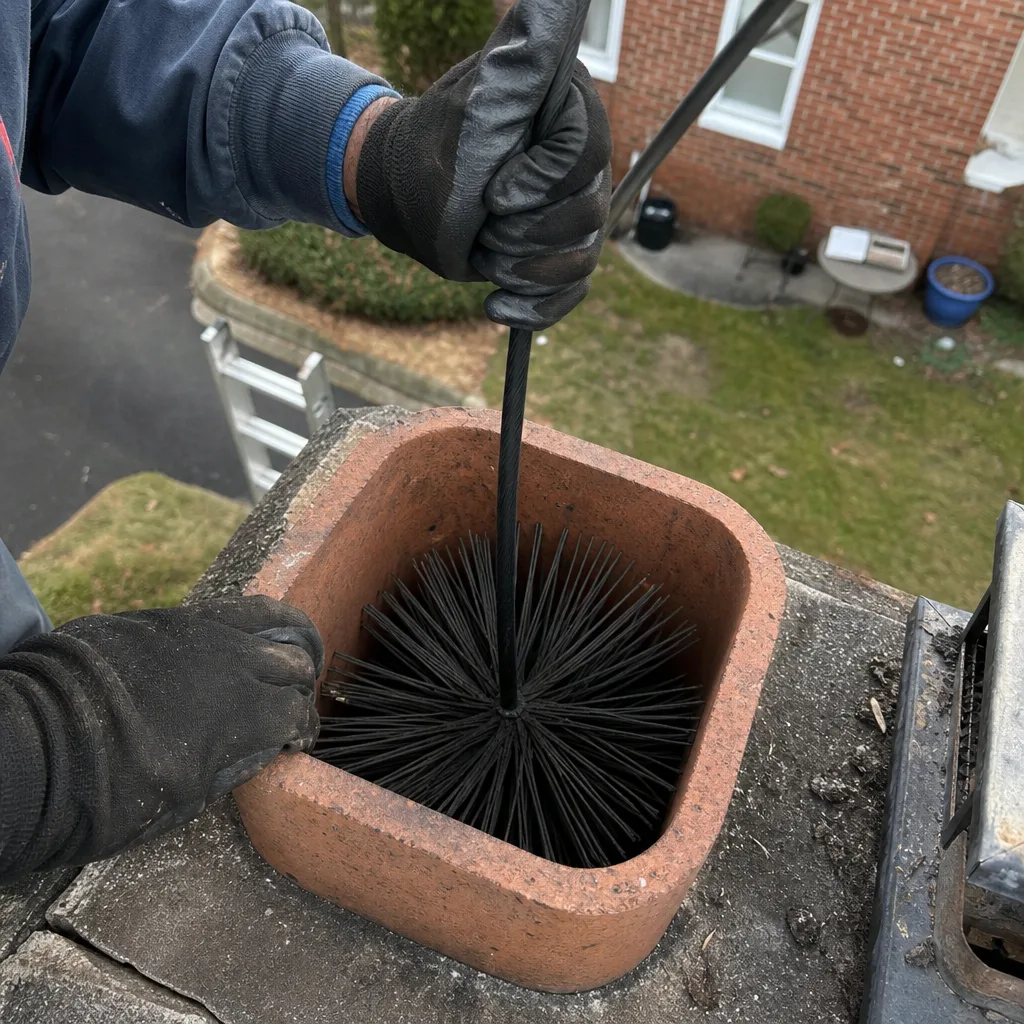
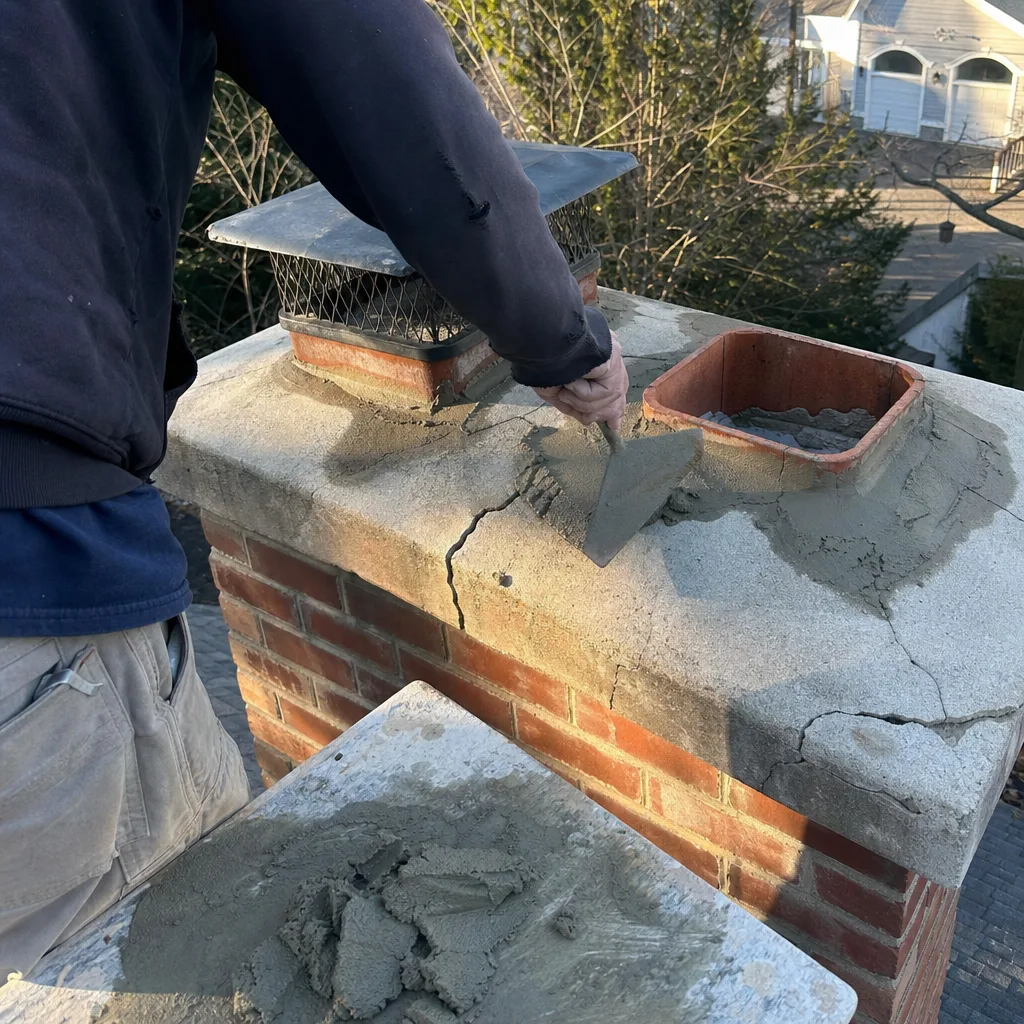
New York State Building Code Section M1805 governs masonry chimneys, fireplaces, and solid fuel-burning appliances. The trigger for a permit is not the word “chimney.” It is whether the work constitutes repair or alteration as defined in Chapter 2 of the code. Cleaning, sweeping, and inspection are classified as maintenance. They do not require a permit. Replacing a damaged flue liner, rebuilding a crown, repairing spalling brick on the smoke chamber, or installing a new damper assembly typically does.
Here is the practical rule we tell every homeowner in White Plains:
- No permit required: chimney sweeping, creosote removal, Level 1 or Level 2 camera inspection, minor mortar joint pointing (less than 10% of the surface area), replacing a spark arrestor, installing a standard chimney cap on an existing flue.
- Permit required in most New York jurisdictions: stainless steel liner installation or replacement, cast-in-place liner repairs, smoke chamber parging, rebuilding more than 10% of the chimney structure, changing the flue size, adding a second appliance to an existing flue, installing a new fireplace insert where one did not previously exist.
- The gray zone: chimney crown repair. A simple silicone crown coat is maintenance. Demolishing and re-pouring the crown is repair. The deciding factor is whether the structural geometry of the crown changes, and we have seen different building departments in Westchester rule differently on the same crown, which is why we recommend asking the specific department before scheduling.
The practical consequence is that a homeowner can legally hire a sweep to clean a chimney with a cracked flue liner, receive a written report documenting the crack, and then absolutely need a permit before any company touches that liner. The cleaning does not create the obligation. The existence of the defect does. What triggers the permit is the repair action, not the discovery of the problem.
How White Plains and Westchester County Differ From NYC
New York City operates under its own building code with its own chimney provisions, and the Department of Buildings in New York takes an aggressive posture toward boiler flues and gas venting in multi-family buildings. Westchester is different. The county does not issue chimney permits centrally. Each municipality, White Plains included, administers its own building department permits under the New York State Uniform Fire Prevention and Building Code. White Plains building permits for chimney alterations go through the city’s Building Department on Main Street.
The specific amendment that matters for liner replacement is a Westchester-wide practical interpretation of Section M1805.1.3, which requires that flue liners be listed, rated, and sized for the appliance served. Several Westchester municipalities, including White Plains, have adopted a local policy that any change to the flue liner constitutes a “repair to the fire-resistance-rated assembly,” which triggers the permit requirement under the residential code’s alteration definitions. In New York City, the same liner replacement might be handled as a “Direct Replacement” under its own code path, meaning the homeowner files for a permit but does not need full architectural drawings. In White Plains, the process is simpler in documentation but stricter in trigger: liner replacement is not optional permitting, and the building official will want to inspect the installed liner before the first fire.
If that sounds like a distinction without a difference, it is not. We have had White Plains homeowners hand us a written quote from a company that never mentioned a permit, never mentioned an inspection, and never planned to do either. The work would have been illegal on day one, and the homeowner would not have known it until the sale or the fire. A legitimate White Plains sweep knows which jobs trigger the local permit, and tells you before the work starts, not after.
NFPA 211 Is Not the Law, and Why That Matters
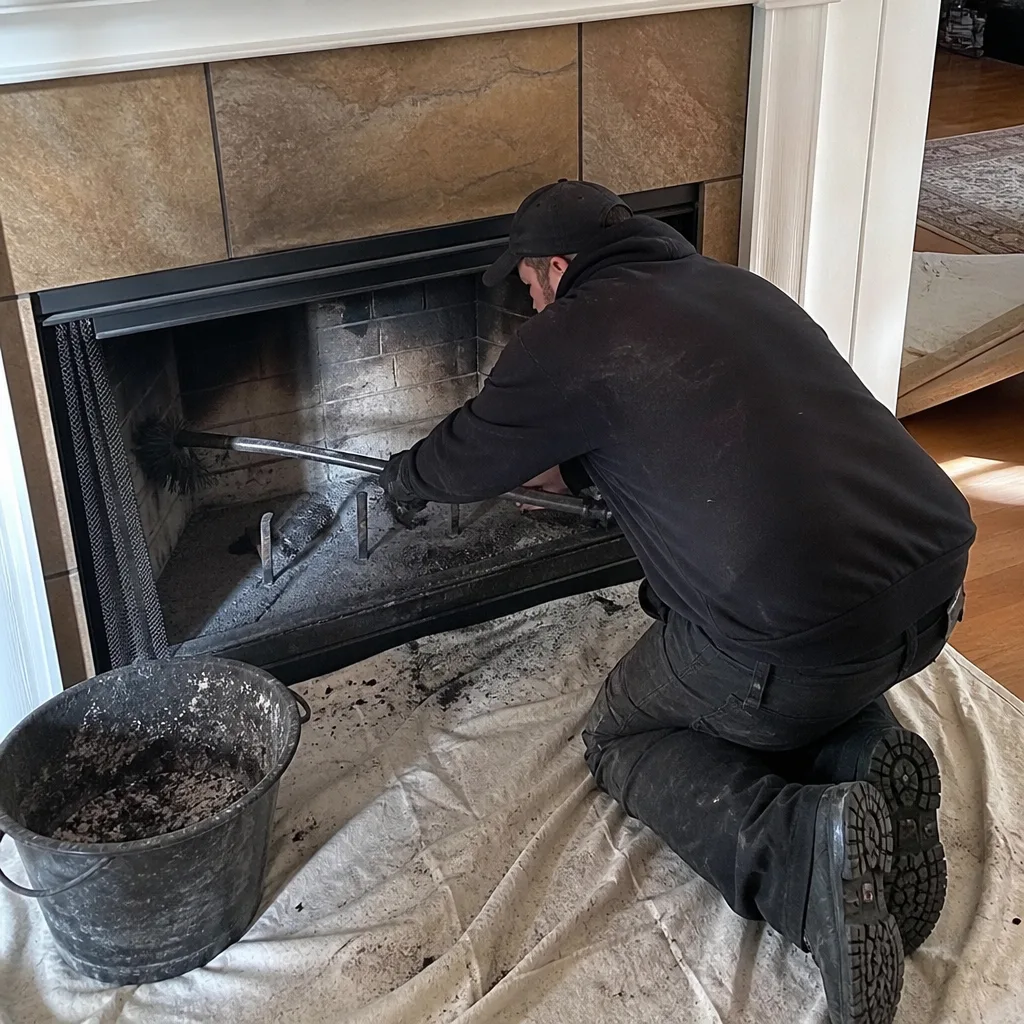
NFPA 211, the Standard for Chimneys, Fireplaces, Vents, and Solid Fuel-Burning Appliances, is the document that defines inspection levels and chimney clearance requirements. It is written by the National Fire Protection Association, a private organization. It has no legal force on its own. New York State does not adopt NFPA 211 as code. What New York does do is build its own chimney provisions around life-safety outcomes that NFPA 211 also addresses, and insurance carriers reference NFPA 211 in their policy language because it is the only national standard that says what a chimney inspection should include.
Here is what that means for a homeowner in Westchester:
- The three levels of inspection are an NFPA 211 concept, not a legal requirement. Level 1 is visual, Level 2 adds camera scanning and attic/crawlspace access, Level 3 is destructive inspection. No New York statute requires you to get a Level 2 inspection. Your insurer’s policy on chimney claims might.
- When an insurance claim involves a chimney fire, the adjuster will often ask whether a Level 2 inspection was performed within the last 12 months. If the answer is no, the claim may still be paid, but the carrier now has a documentation gap, and documentation gaps reduce settlement leverage.
- Courts in New York have used NFPA 211 as evidence of industry standard in negligence cases against homeowners and contractors, even though the standard itself is voluntary. If a chimney fire spreads to a neighbor’s property, the question “did you have the chimney inspected to the standard the industry recognizes” gets asked in depositions, and “I had a guy sweep it” is not a strong answer.
We cite NFPA 211 on every report we write in White Plains for a simple reason: it is the language the insurance industry already speaks. When we hand a homeowner a report that says “NFPA 211 Level 2 inspection completed with camera documentation,” the adjuster does not have to translate anything. The report already matches the vocabulary their own checklist uses.
What a Level 2 Inspection Report Actually Documents
A verbal inspection proves nothing. A written Level 2 report proves four things: the condition of the flue at a moment in time, the method used to observe it, the defects found or not found, and the recommendations made. That sequence, documented in writing with photographic evidence, is what functions as a legal record in a permit hearing, an insurance claim, or a real estate disclosure.
A complete Level 2 report from a White Plains chimney company should include:
- Camera scan footage of the full flue interior, showing liner material, liner condition, mortar joints, and any cracks, gaps, or creosote buildup. Still images extracted from the footage go into the report.
- Exterior inspection notes covering the crown, cap, brick or stone surface, flashing, and any visible spalling or mortar deterioration.
- Attic and crawlspace observations, because a flue fire escapes through the gap between the masonry and the framing, and that gap is only visible from inside the house structure.
- Clearance measurements from the flue to combustible framing, documented against the NFPA 211 minimums.
- Specific findings written in plain terms: “liner has a 3-foot vertical crack at the 12-foot level, visible on camera frame 142, creosote classification is Stage II, and the flue is not safe for use until lined.” Not adjectives. Findings.
- A written recommendation with a written price for any remediation, delivered before work starts, so the homeowner can take the report to a second opinion if they choose.
In our experience in White Plains, the single most useful sentence in a Level 2 report is not about the chimney at all. It is the sentence that says “written scope and written price delivered to the homeowner on [date], before any work was approved.” That sentence is the difference between a contractor who documents and a contractor who hopes, and in a permit or insurance context, the difference matters.
Unpermitted Chimney Work and the Westchester Home Sale
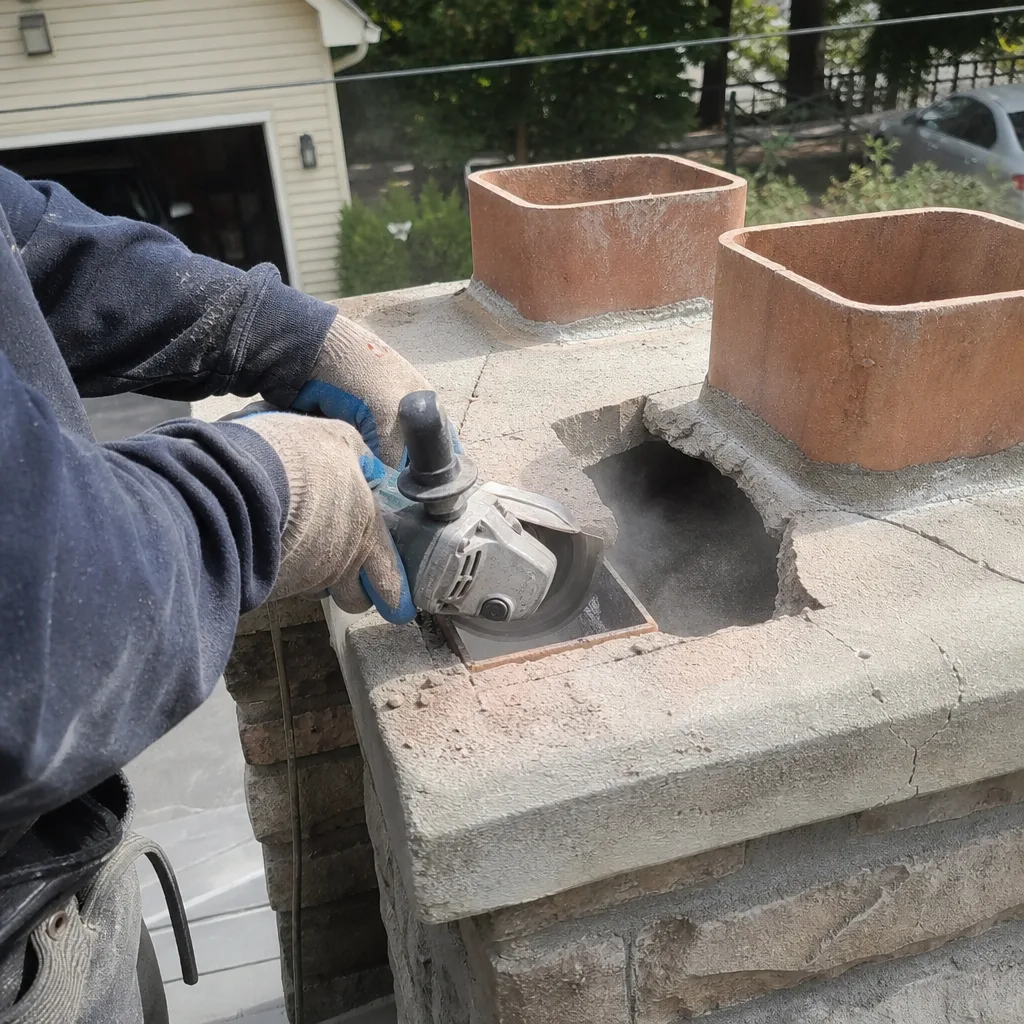
Westchester County real estate transactions are not New York City real estate transactions. Closings happen faster, buyers waive inspections more often in competitive markets, and chimney disclosures tend to fall into a single checkbox on the property condition disclosure statement. That checkbox gets very heavy when the unpermitted work is discovered.
Here is the sequence we have watched play out in White Plains more than once:
- A homeowner lists a house. The buyer’s inspector flags the chimney liner as recently replaced. It is noted on the inspection report.
- The buyer’s attorney, doing the standard diligence, pulls the building permit record from the city of White Plains. There is no permit for a liner replacement.
- The seller is now obligated to disclose the unpermitted work in the updated disclosure, which creates a paper trail of their own noncompliance.
- The buyer’s lender, if the adjustment changes the structural or fire-safety status of the house, may condition the loan on a retroactive permit. Retroactive permits in White Plains involve opening up the chimney assembly for inspection, which means demolition work, which means the seller is now paying for a masonry crew before closing.
- If the house has already closed and the buyer discovers the unpermitted work later, the buyer may pursue the seller under New York’s disclosure law, but the practical reality is that the buyer has already paid for the house. What they are really holding is an uninsurable flue.
The escrow implication is the one most sellers do not see coming. When unpermitted work is discovered pre-closing, the buyer’s attorney can request a holdback: a portion of the sale proceeds held in escrow until the permit is resolved. The holdback amount is often triple the cost of the original liner work, because it has to cover the retroactive permit, the destructive inspection, the remediation, and the legal fees. The $7,000 liner replacement that was never permitted can become a $21,000 escrow hold in White Plains. That math is why we tell every homeowner to ask about permits before the liner goes in, not after the offer letter is signed.
What Happens to Your Insurance Claim Without a Permit Record
Insurance policies in New York do not say “we will not pay if you did not pull a permit.” They say, in the exclusions section, that loss resulting from “latent defect, faulty workmanship, or neglect” is excluded or limited. The permit record is not the thing that voids coverage. The permit record is the thing that proves the work was not defective, which is why its absence becomes a coverage problem.
When a chimney fire occurs in a liner that was replaced without a permit, the adjuster’s investigation will follow a predictable path: pull the permit history for the address, find nothing, and then ask the homeowner who installed the liner and when. If the homeowner cannot produce a permit, an installer invoice, a camera scan, and a warranty, the adjuster has four missing documents where one would have resolved the question. The claim may still be paid in part, but the carrier now has leverage to reduce the payout or classify the fire as maintenance failure, which carries a different coverage threshold under many New York homeowner policies.
In White Plains, where the city’s building department is small enough to actually answer the phone, a homeowner can pull their own permit record in an afternoon. We recommend doing that before filing any chimney-related claim. Know what the record shows before the adjuster asks you what it shows. That one step changes the emotional shape of the entire claims process.
Common Mistakes to Avoid
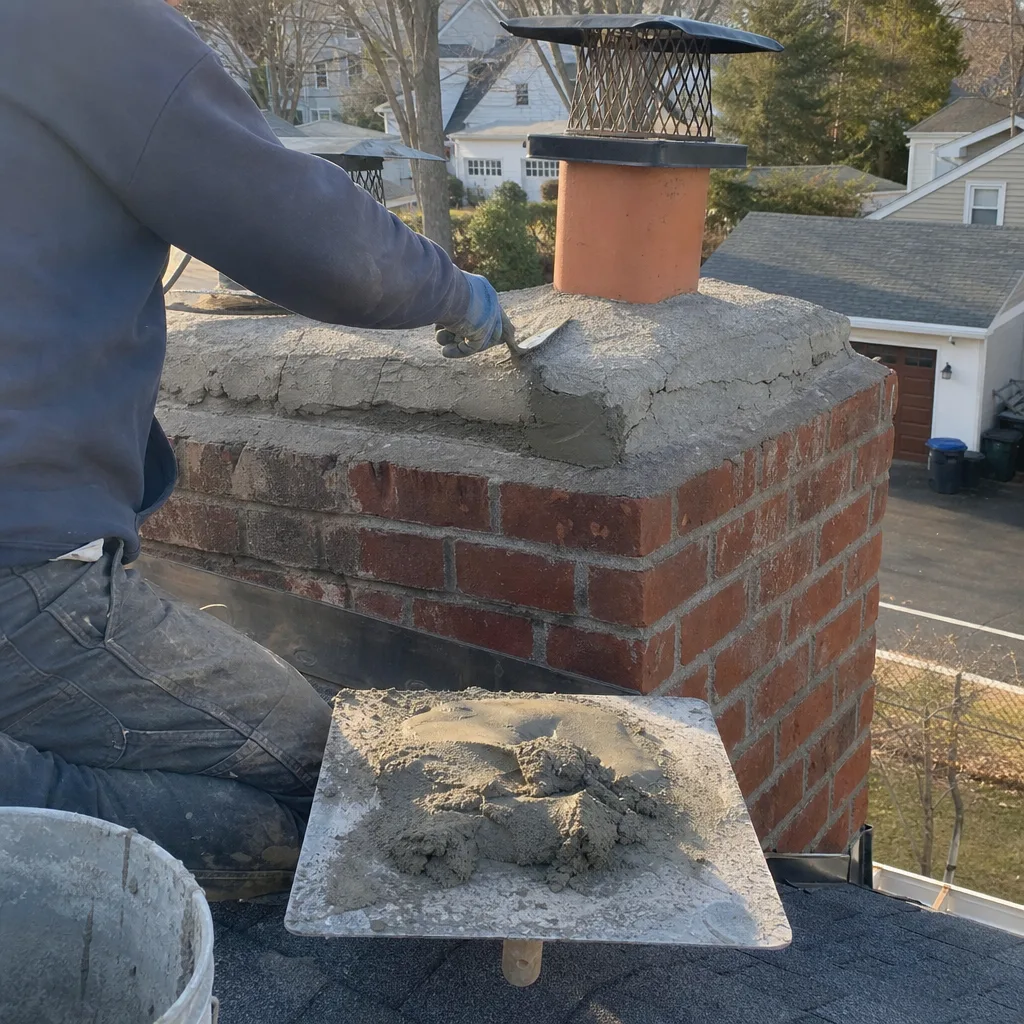
- Assuming the sweep will handle the permit. Some will. Most will not. In Westchester, the property owner is legally responsible for the permit, regardless of what the contractor says. Ask before you sign anything, and get the answer in writing.
- Treating a liner replacement as a “repair” that needs no paperwork. In White Plains, liner replacement is the single most common unpermitted chimney job, and the one with the highest insurance consequence. Ask the building department directly if you are unsure.
- Confusing a chimney cleaning receipt with an inspection report. A receipt proves the sweep was here. It does not document flue condition, liner integrity, or clearance to combustibles. Only a written Level 2 report does that.
- Filing an insurance claim before pulling your own chimney records. If the first time you learn you have no permit record is when the adjuster tells you, you have already lost the initiative. Pull the record first. Know what you are walking into.
- Buying a house in White Plains without checking the chimney permit history. A Level 2 inspection during the contingency window catches defects. The permit pull catches the bigger problem: work that technically does not exist on paper, for which you will now be responsible.
- Scheduling a sweep during October and expecting it to count as pre-season documentation for November. Westchester sweeps book the October calendar in August. The market runs on lead time, and the lead time matters when an insurer wants a 12-month inspection window.
- Accepting a verbal “it’s fine” from a contractor who never looked down the flue. A chimney that looks intact from the ground can have a Stage III creosote load, a shifted liner, and a gap at the smoke chamber. No camera, no report, no documentation. That is the entire conversation.
When to Call a Professional
You are buying or selling a home in Westchester and the chimney has not been inspected in the last 12 months. You have a stainless steel liner that was installed by a previous owner, and no permit record exists for the address. Your insurance carrier has asked for evidence of a Level 2 inspection and you have never heard the term. Your chimney has a crack, spalling brick, or a crown that visibly failing, and you need to know whether the repair triggers a permit before you agree to anything. Any one of those is a call. Level Two Chimney White Plains offers free estimates in White Plains, and every inspection includes the camera documentation and written report described above. Browse more guides & resources on our blog, or call (914) 350-5204 and we will schedule a documented Level 2 inspection with a written scope and written price before any work begins. Call (914) 350-5204 and we will schedule a documented Level 2 inspection with a written scope and written price before any work begins.
Frequently Asked Questions
No. Chimney sweeping and inspection are classified as maintenance under New York State Building Code, not repair or alteration. No permit is required in White Plains or anywhere in Westchester County for a standard chimney cleaning, even if the sweep finds defects in the flue during the visit. For a full maintenance checklist, see our Chimney Cleaning & Sweep Maintenance Checklist for White Plains Homeowners.
Liner installation or replacement, structural rebuilding of more than 10% of the chimney, smoke chamber parging, and any change to the flue size all require a building permit in White Plains. The city’s Building Department administers these permits, and a liner replacement that changes the fire-resistance-rated assembly will almost always require an inspection before use.
No. NFPA 211 is a voluntary standard published by the National Fire Protection Association. It has no legal force in New York, but insurers and courts reference it as the industry standard for chimney inspection and clearance, which is why a Level 2 inspection report that follows NFPA 211 structure carries more weight in claims and litigation.
A standard Level 2 camera inspection in White Plains typically runs between $250 and $500 depending on the chimney height, accessibility, and whether a cleaning is added to the same visit. Many companies, including ours, fold the inspection cost into a cleaning package. Call (914) 350-5204 for a written price before anyone comes out.
The buyer’s attorney will typically pull the permit record during due diligence, and if unpermitted liner work is found, the seller faces a disclosure obligation, a possible escrow holdback, and potentially a retroactive permit process that requires destructive inspection. The holdback amount often exceeds the original cost of the liner work.
A silicone crown coat, which seals minor surface cracking without changing the structure, is maintenance and does not require a permit. Demolishing and re-pouring the crown is repair and may require one. Because White Plains building officials have ruled differently on specific crown projects, call the Building Department before you schedule.
The Bottom Line
New York’s chimney code framework is not complicated, but it is unforgiving. Routine cleaning is maintenance, liner replacement is alteration, and the permit line between them determines whether your insurance claim survives a chimney fire and whether your home sale survives a buyer’s attorney. In White Plains and Westchester County, the local building departments enforce that line more consistently than most homeowners realize, and the document that protects you on either side of it is a written Level 2 inspection report with camera documentation. Pull your permit record before you file a claim or list the house. Get the inspection before the season, not after the first fire. And when the inspection says work is needed, ask the permit question before you sign anything. That habit, faithfully kept, is the difference between a chimney that is clean and a chimney that is documented.
Written by Corrine Halstead, Owner at Level Two Chimney White Plains, serving White Plains since 2009.