
Level 1 sweep and inspection to the NFPA 211 annual standard - flue, crown, cap, and flashing checked and photographed
Chimney sweep logs do not sweep chimneys. They loosen some creosote - which then falls where a brush and vacuum still have to collect it.
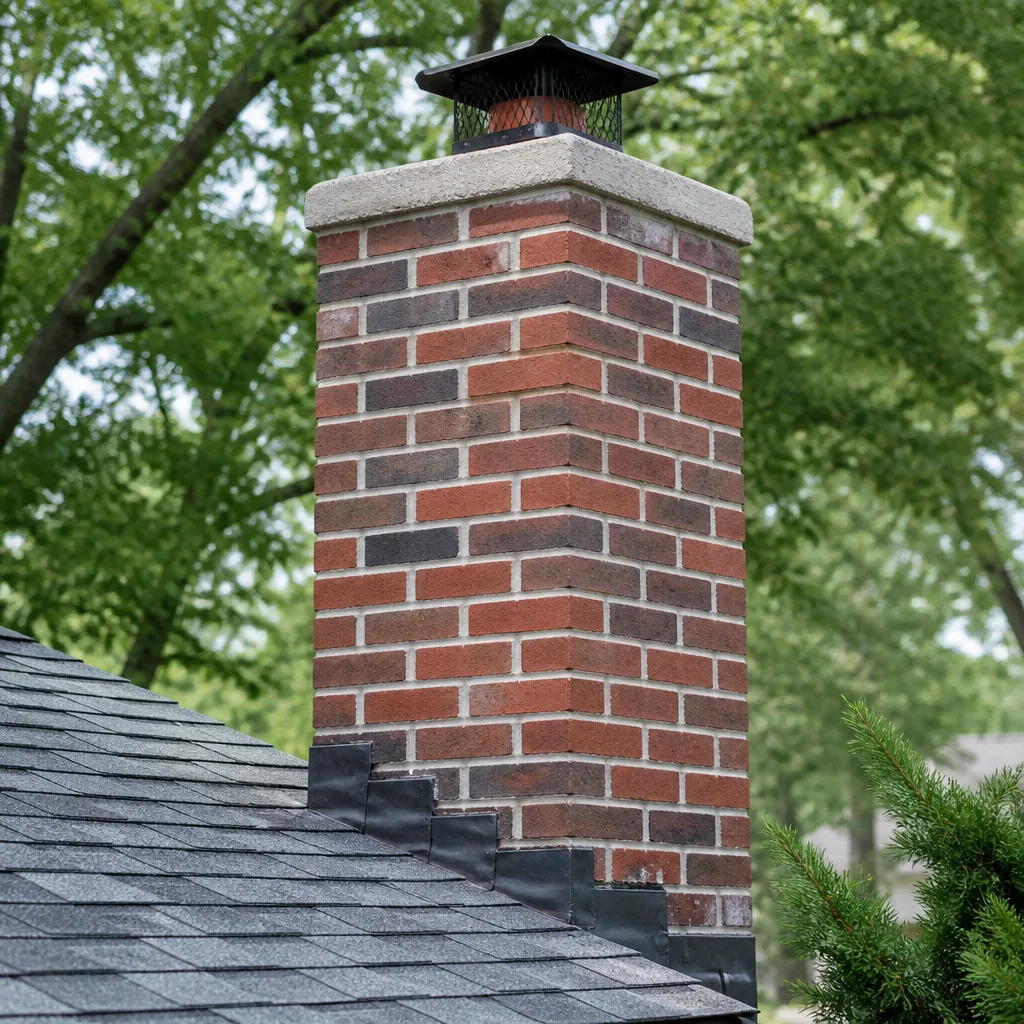
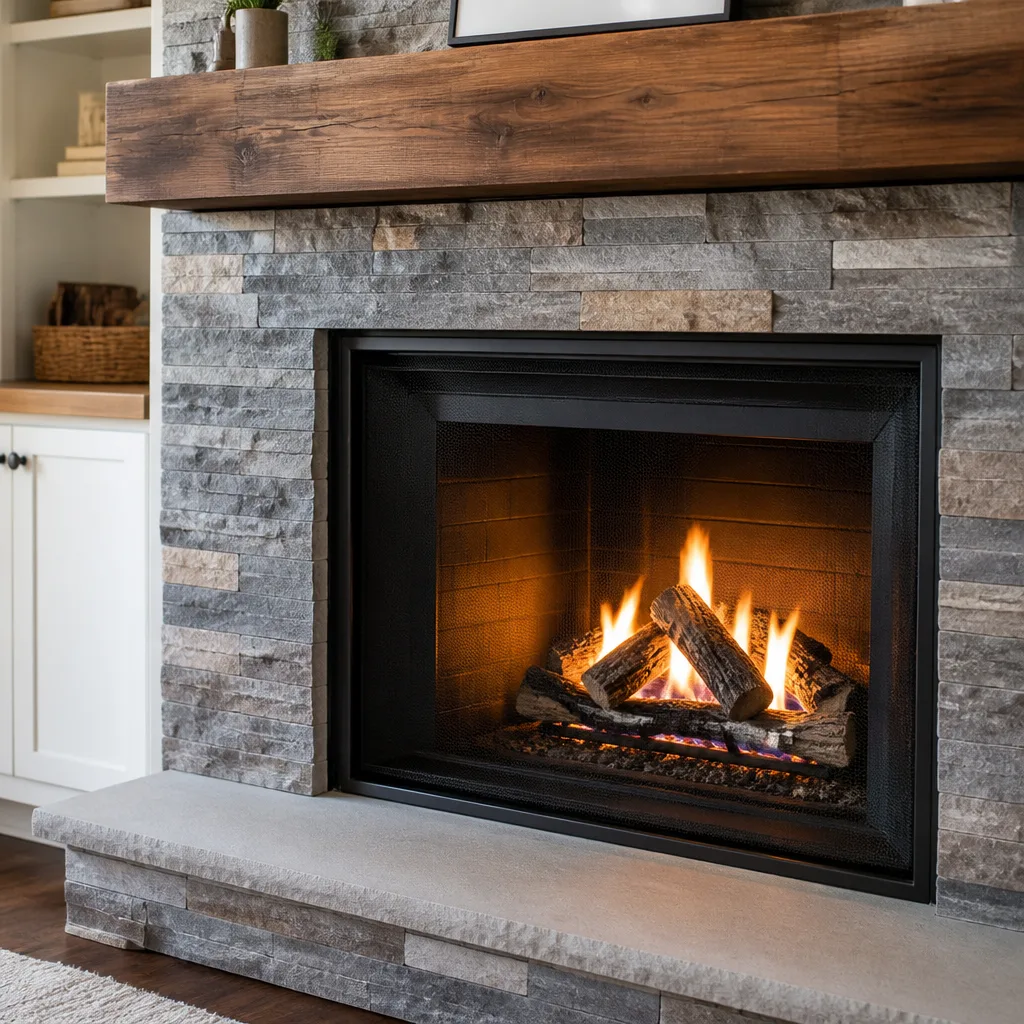
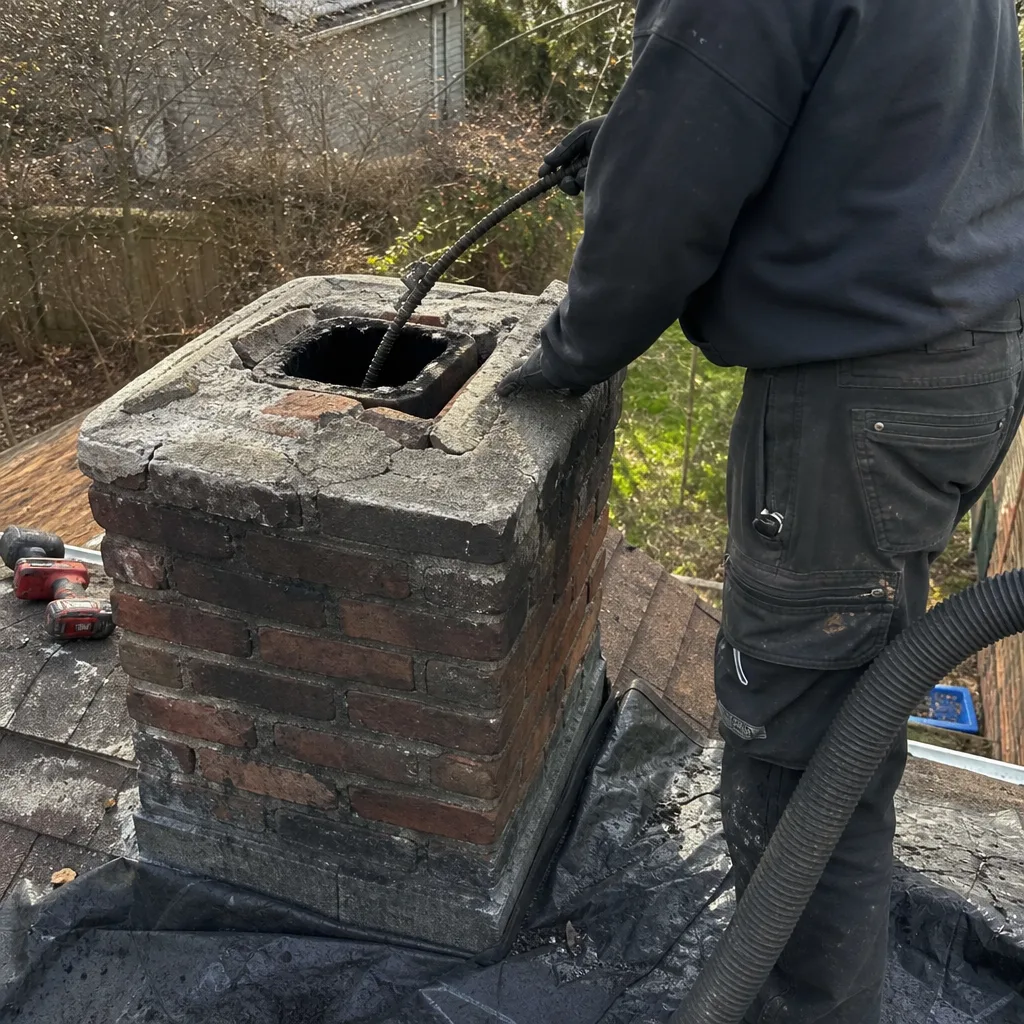 Before
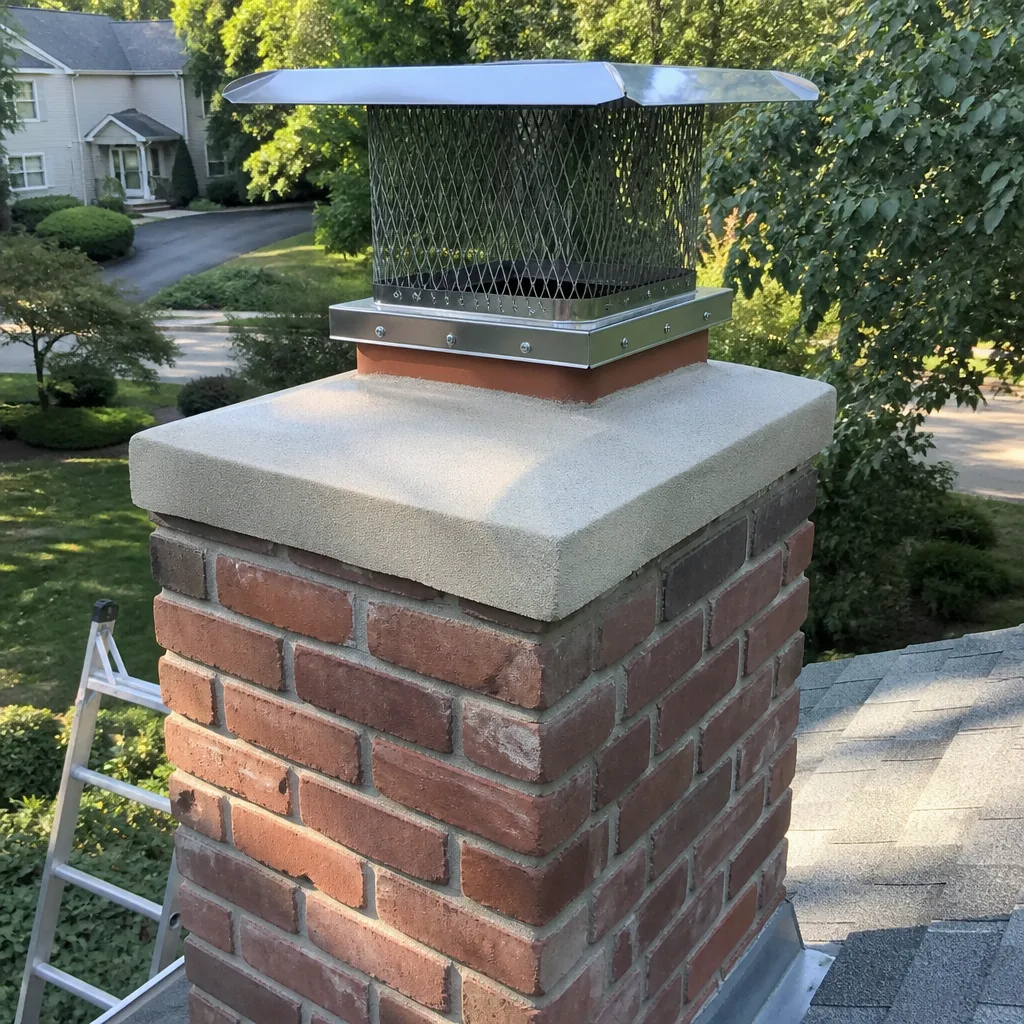 After
After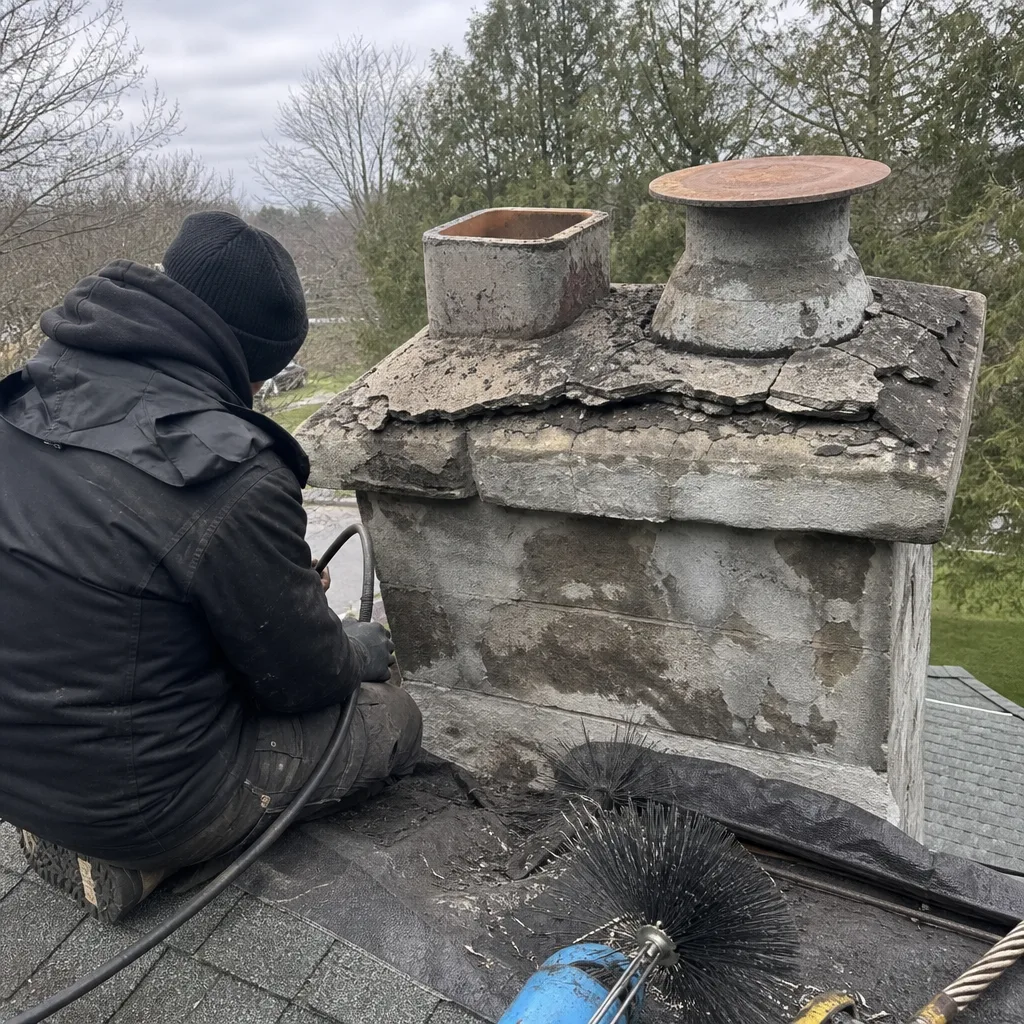 Before
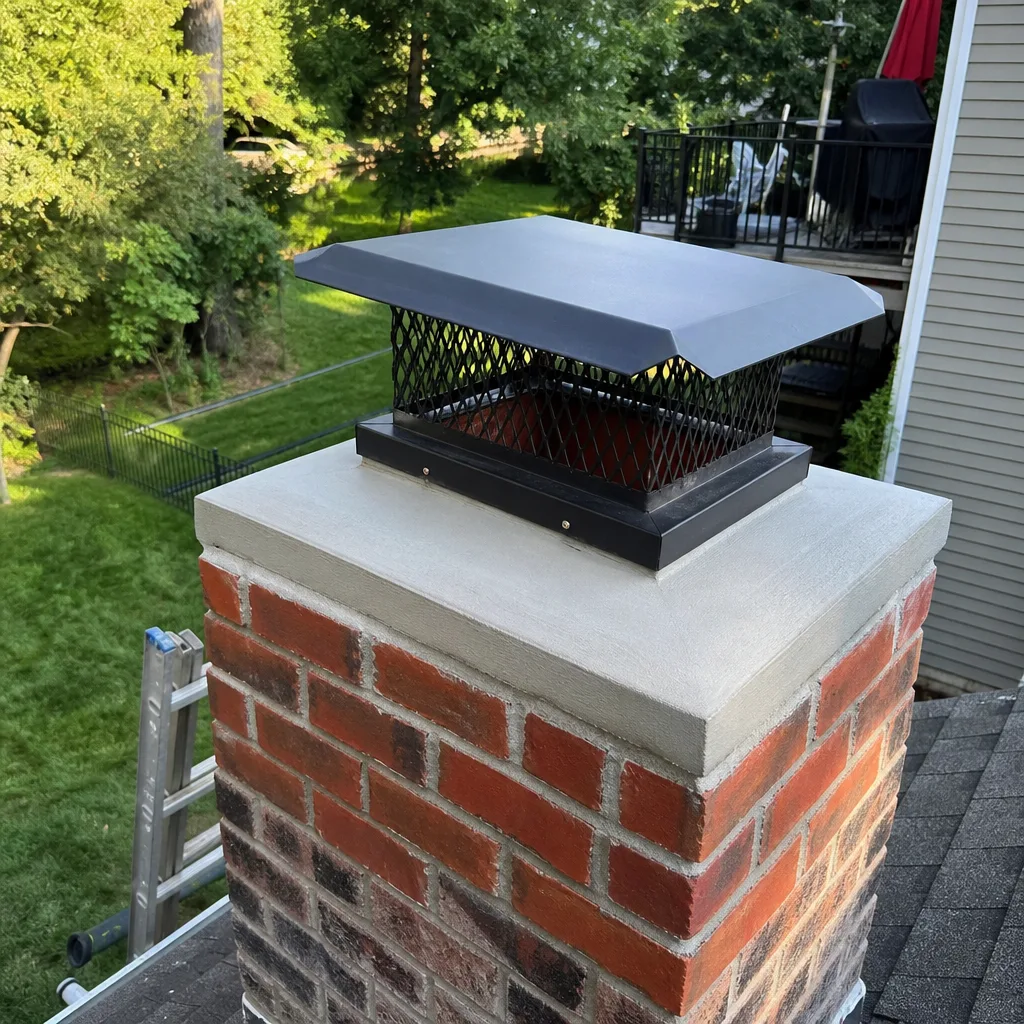 After
After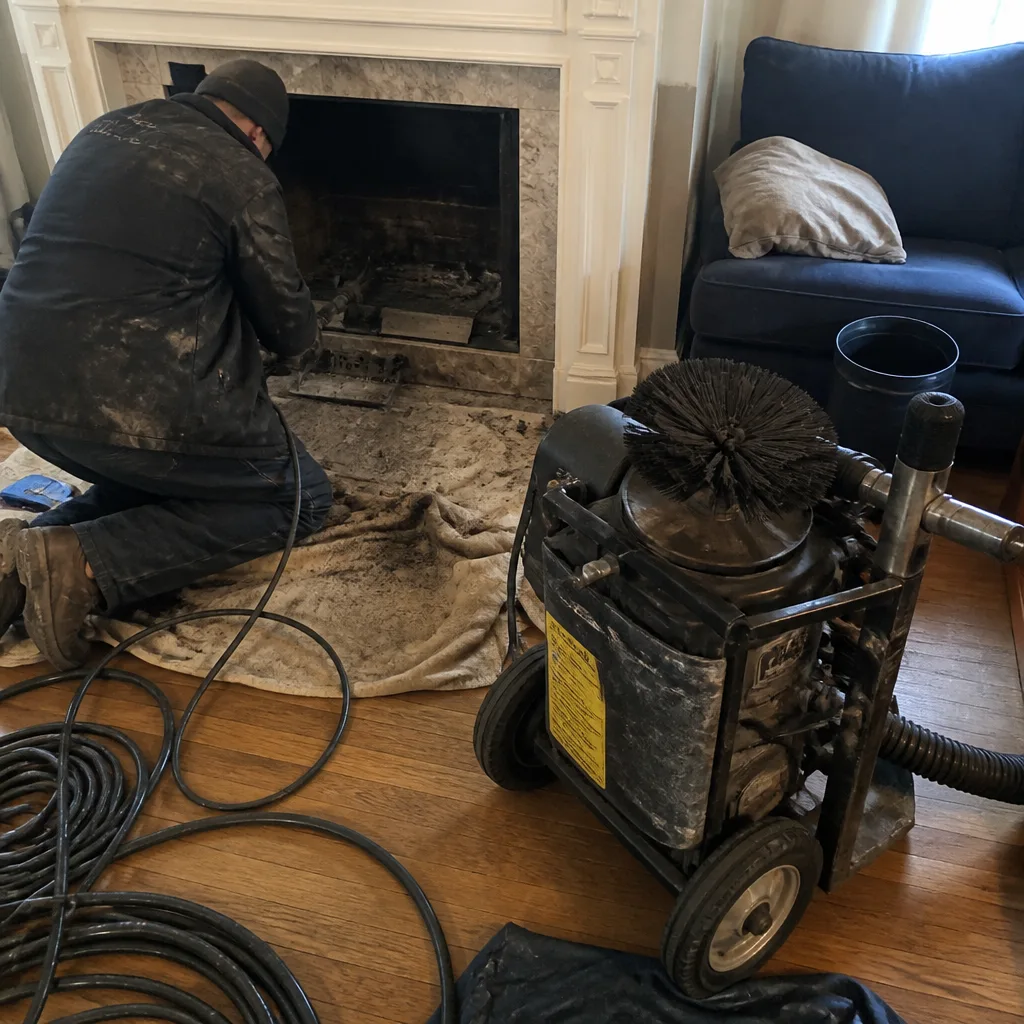 Before
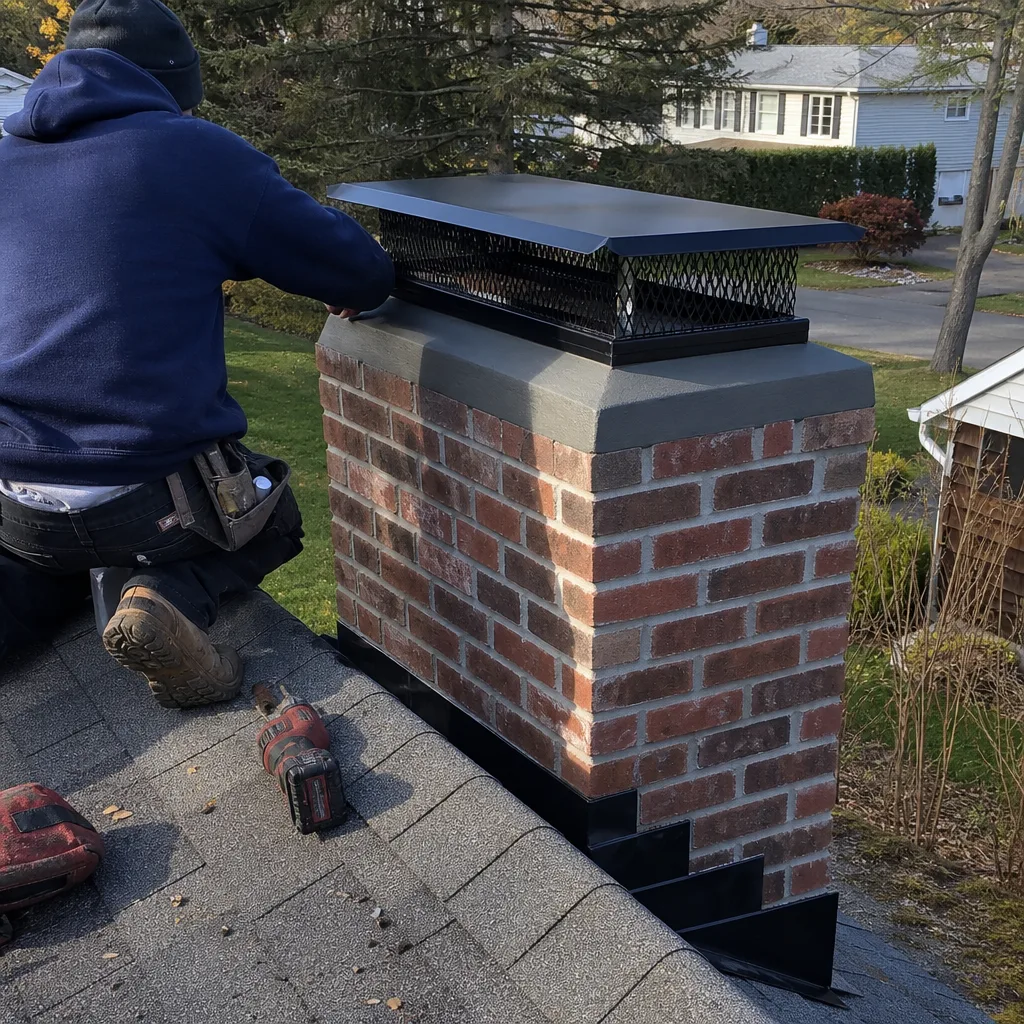 After
AfterTrusted Chimney Liner & Rebuild for White Plains Homeowners
A flue liner that’s cracked, rusted through, or missing altogether isn’t a maintenance item you can defer. It’s the only thing standing between combustion gases and the framing of your house. In White Plains Chimney Liner & Rebuild territory, where most homes date from the 1940s through the 1980s, we regularly pull camera footage showing clay tile liners with spalling (surface flaking from heat and moisture), separated joints, and in some cases, no liner above the roofline at all. That’s a fire hazard, a carbon monoxide risk, and a rebuild job waiting to happen. Level Two Chimney White Plains has inspected and documented more than 38,000 chimneys since 2009, every one with a written price before work starts and a photo record when we’re done. If your liner is compromised, call (914) 350-5204 and we’ll show you exactly what we’re seeing, on camera, before we quote a dollar.
What Our Chimney Liner & Rebuild Service Includes
Stainless Steel Liner
A stainless steel liner is the current standard for relining a masonry chimney. It gives you a continuous, smooth-walled flue that resists corrosion from modern high-efficiency appliance exhaust, which runs cooler and produces more acidic condensate than older furnaces did. In White Plains, we specify 316L alloy for gas and oil appliances because it withstands the acidic byproducts that eat through aluminum liners within a few seasons. When we install one, we size it to the appliance’s BTU output and the flue’s dimensions, insulate it where code requires, and photograph the full run before the top plate goes on.
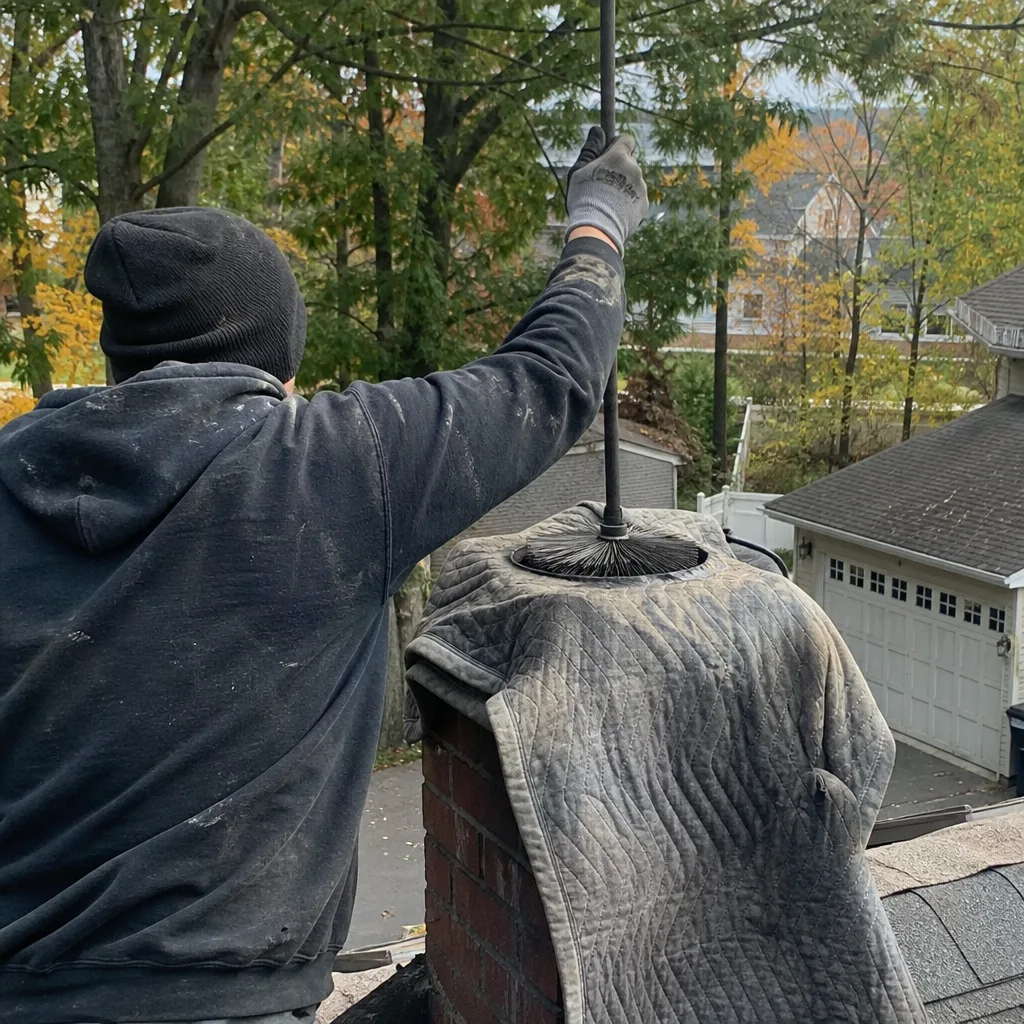
Flexible Liner
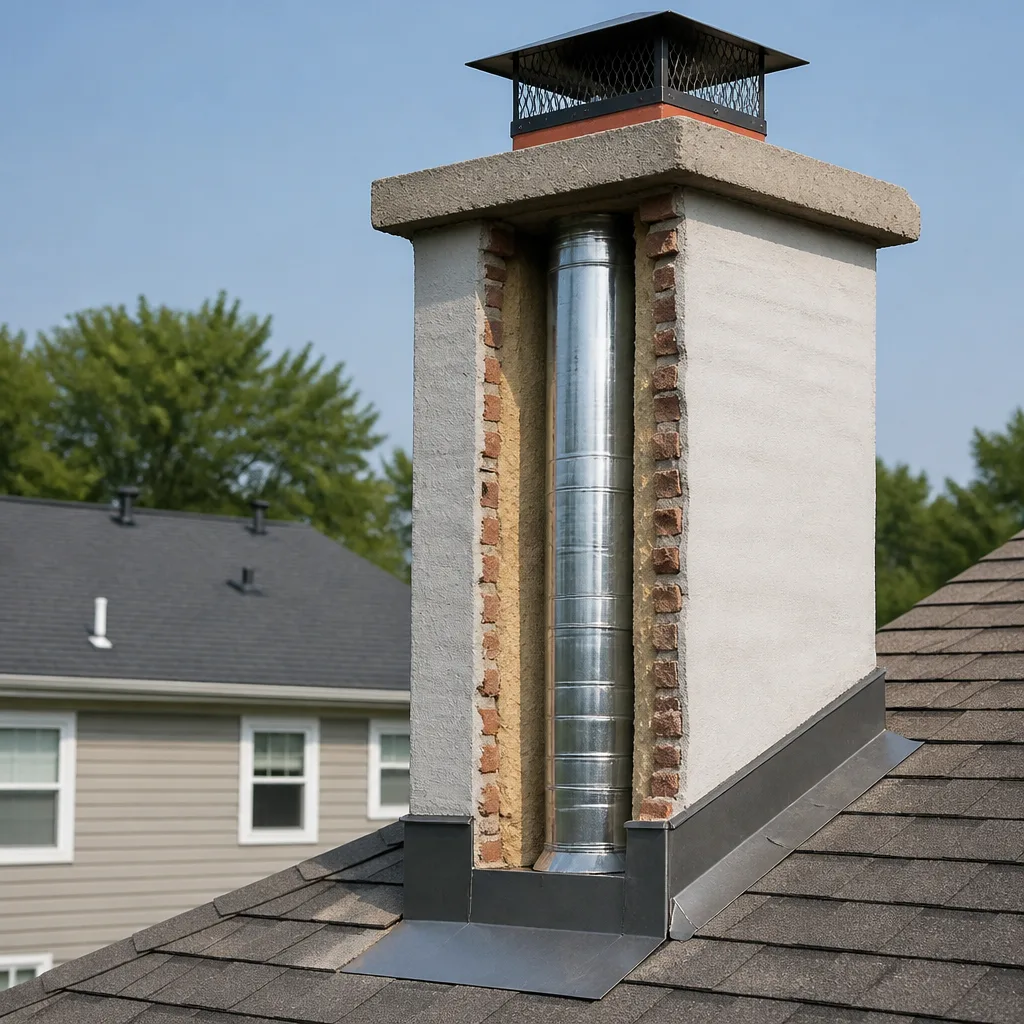
A flexible liner is a continuous stainless steel tube we pull through an existing flue, around offsets and through corbelled (stepped) masonry, without tearing out the chimney structure. It’s the right call when the clay tile liner has failed but the surrounding brick and mortar are still sound. We use this option often in Chimney Liner & Rebuild - Hartsdale and White Plains split-levels and center-hall colonials from the 1950s and 60s where the flue path isn’t perfectly vertical. The liner comes with a lifetime manufacturer’s warranty on the steel itself, and our installation includes a camera verification pass before we fire the appliance back up.
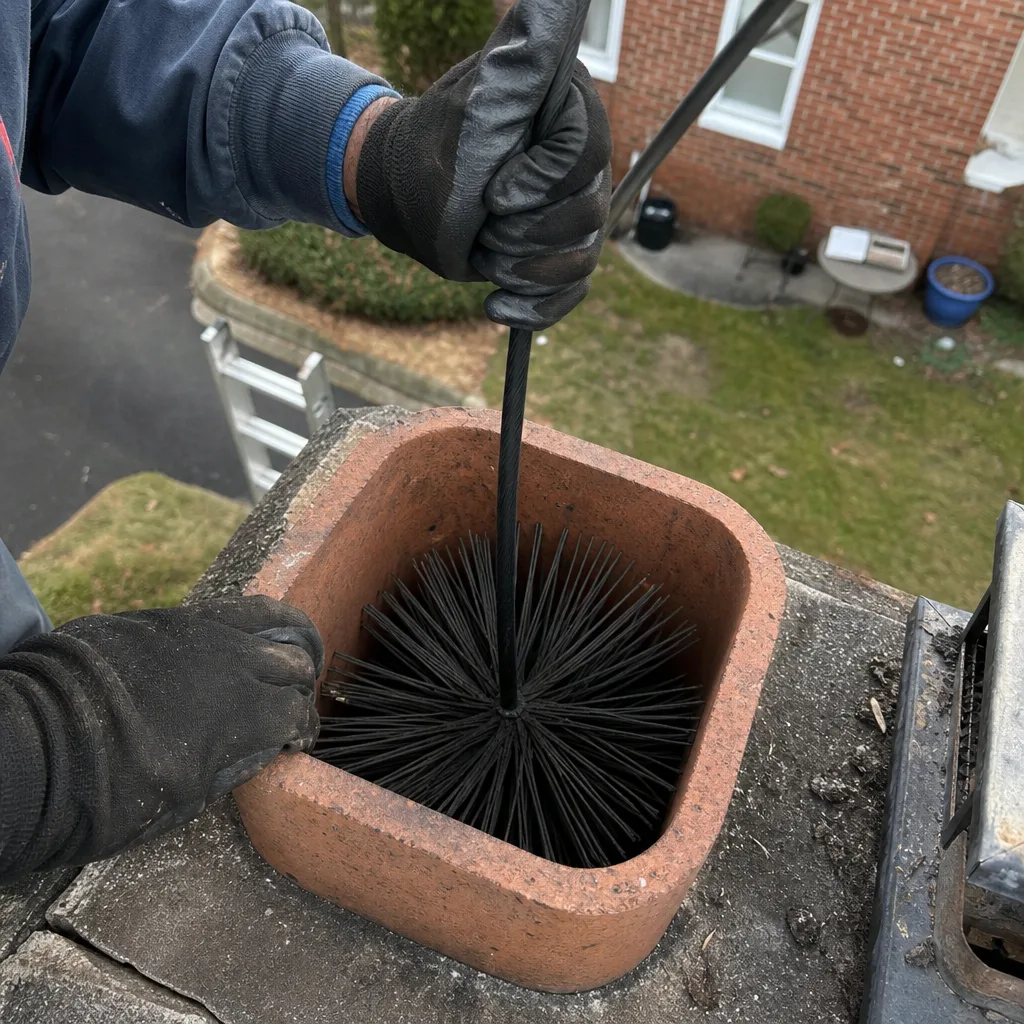
Liner Replacement
Liner replacement is what happens when the existing clay tile or metal liner has degraded past the point of patching. In White Plains, we see this most often on chimneys serving high-efficiency furnaces that were converted in the last 15 years without the flue being relined to handle the new exhaust chemistry. We remove what’s left of the old liner, assess the smoke chamber and chimney crown, and install a correctly sized replacement that meets current code. You get a documented photo record of the condition we found and the completed installation, because Clause 4 of the Haven Standard requires it on every job.
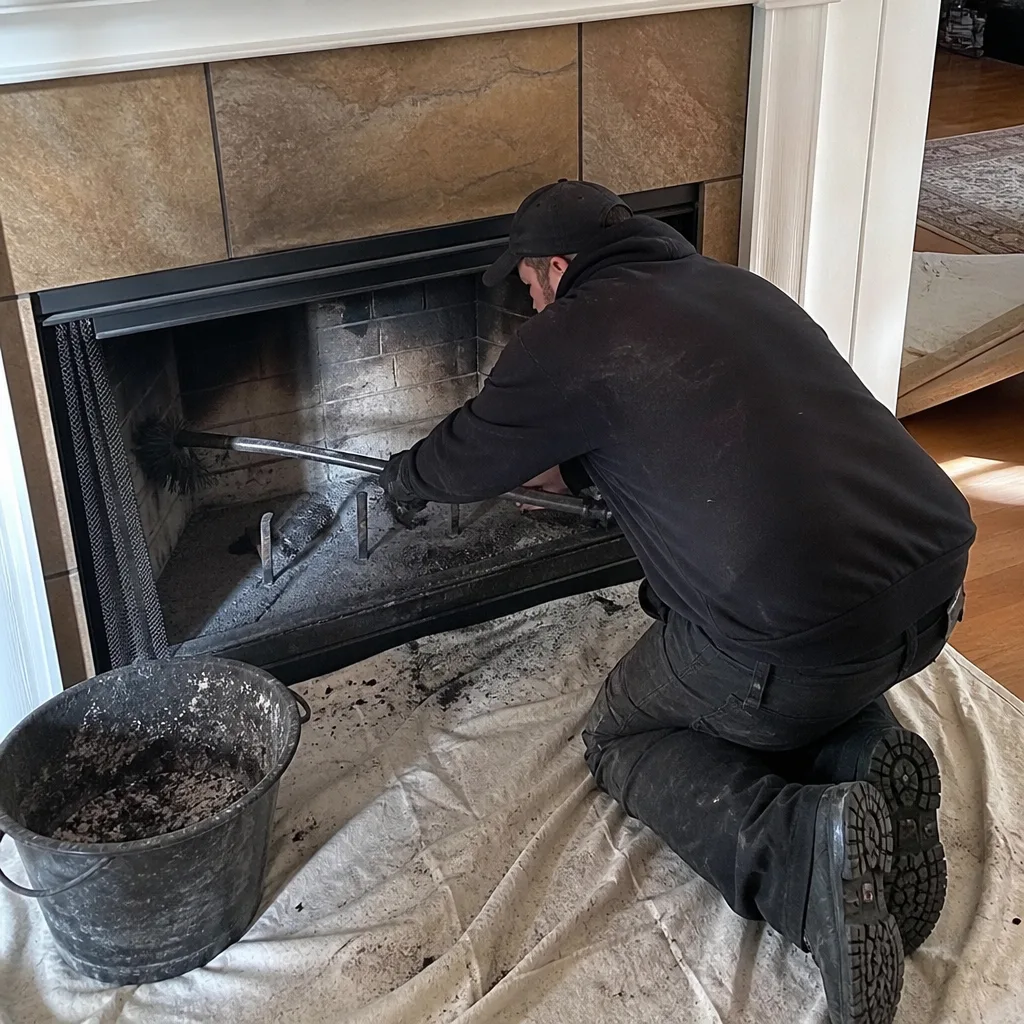
Partial Rebuild
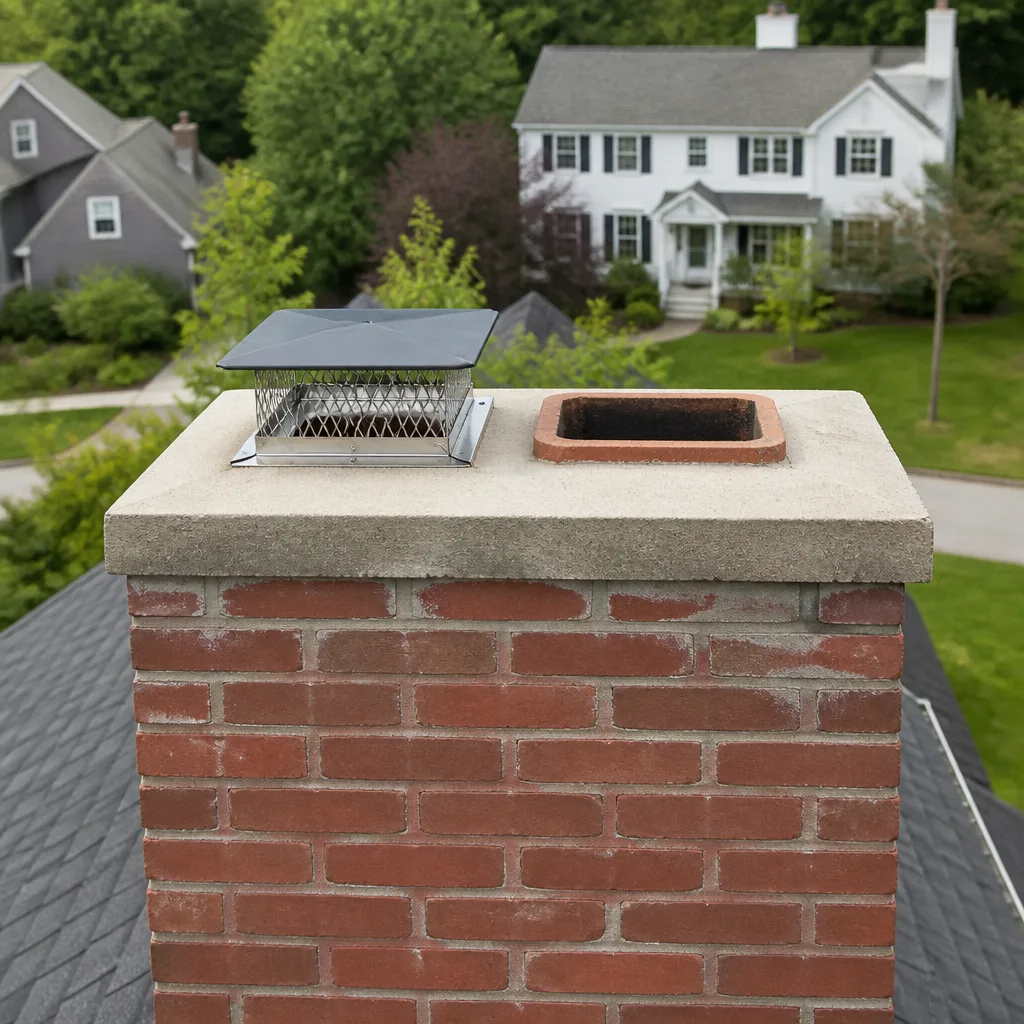
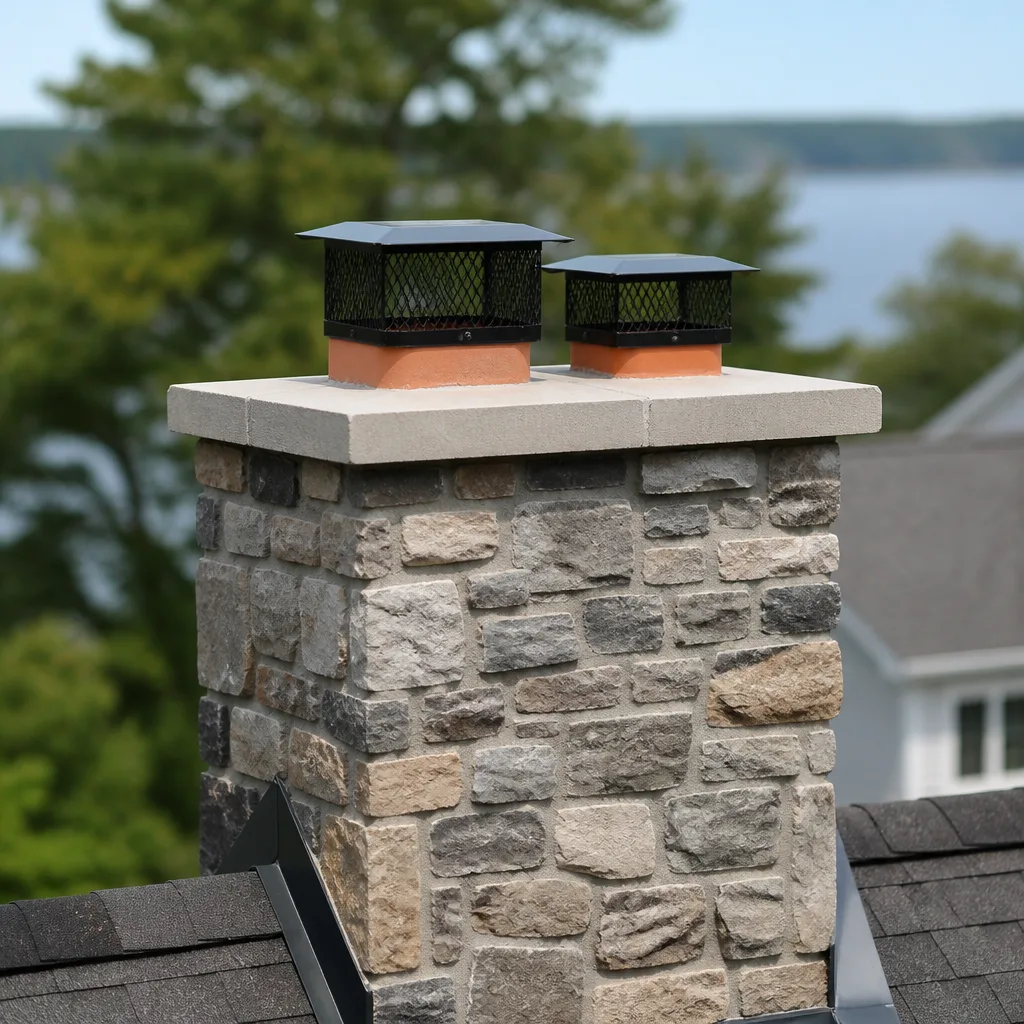
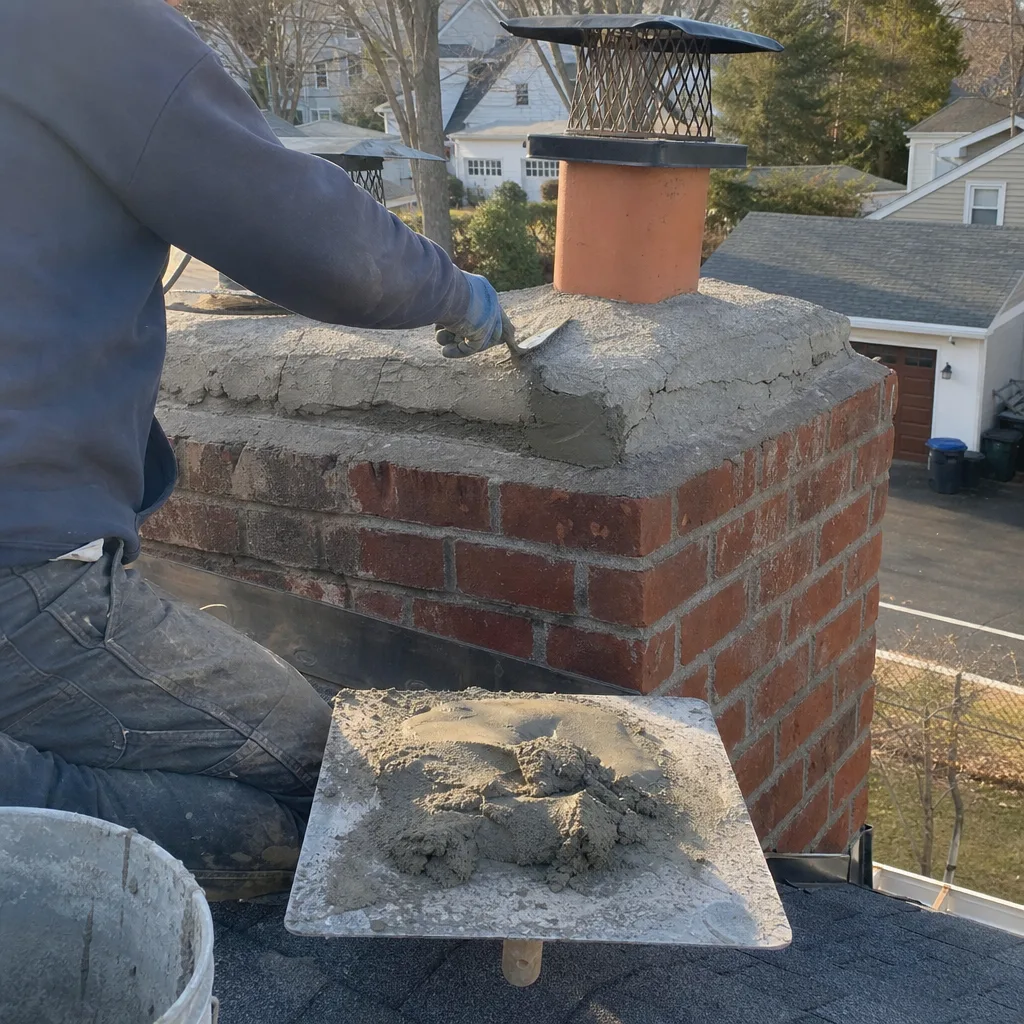
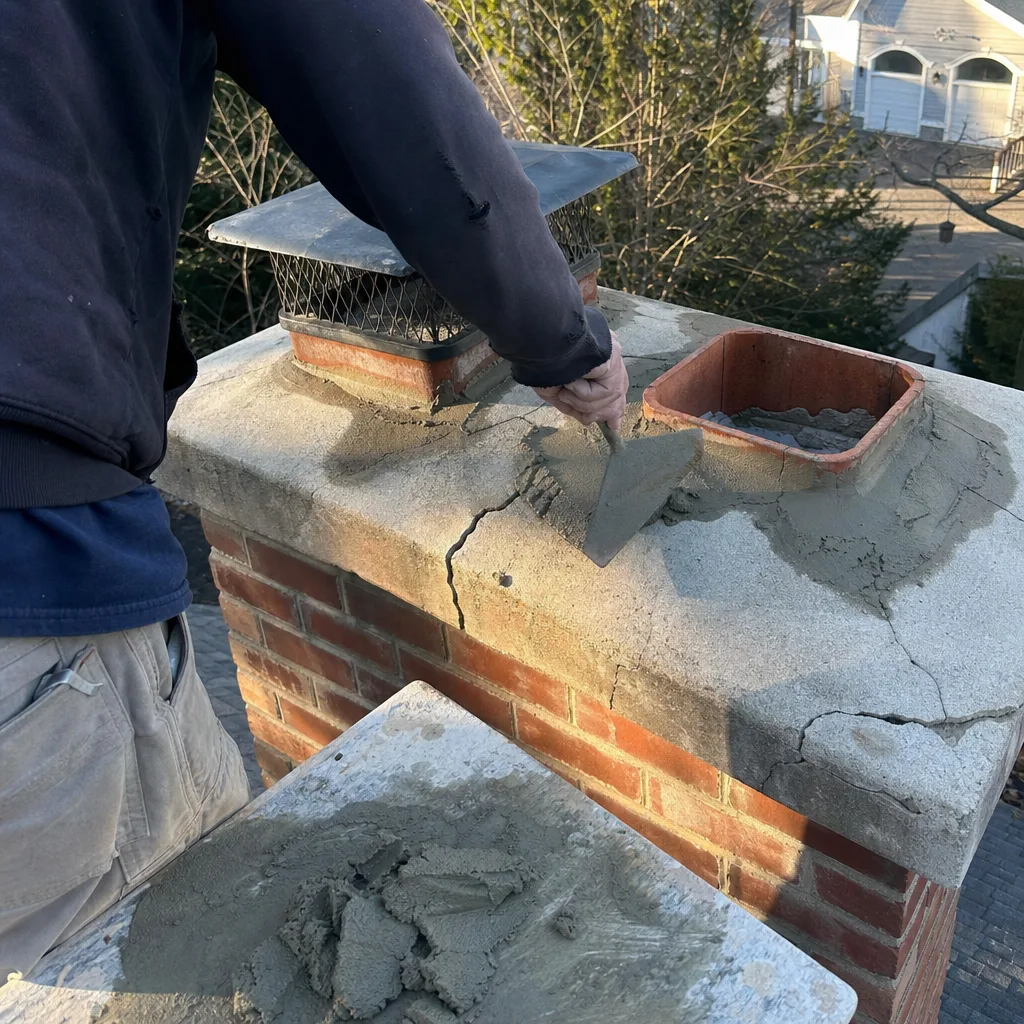
A partial rebuild addresses the sections of the chimney that have actually failed, rather than tearing the whole thing down and starting over. In Chimney Liner & Rebuild - Elmsford and White Plains, that’s typically the top five to ten courses of brick above the roofline, where freeze-thaw cycles and wind exposure do the most damage, or the firebox walls and smoke chamber where intense heat has cracked the refractory. We remove the compromised masonry, rebuild it with materials matched to the originalwork, and install a proper concrete crown with an overhang so water sheds away from the brick instead of soaking into it. The goal is to fix what’s broken without charging you to rebuild what’s still structurally sound.
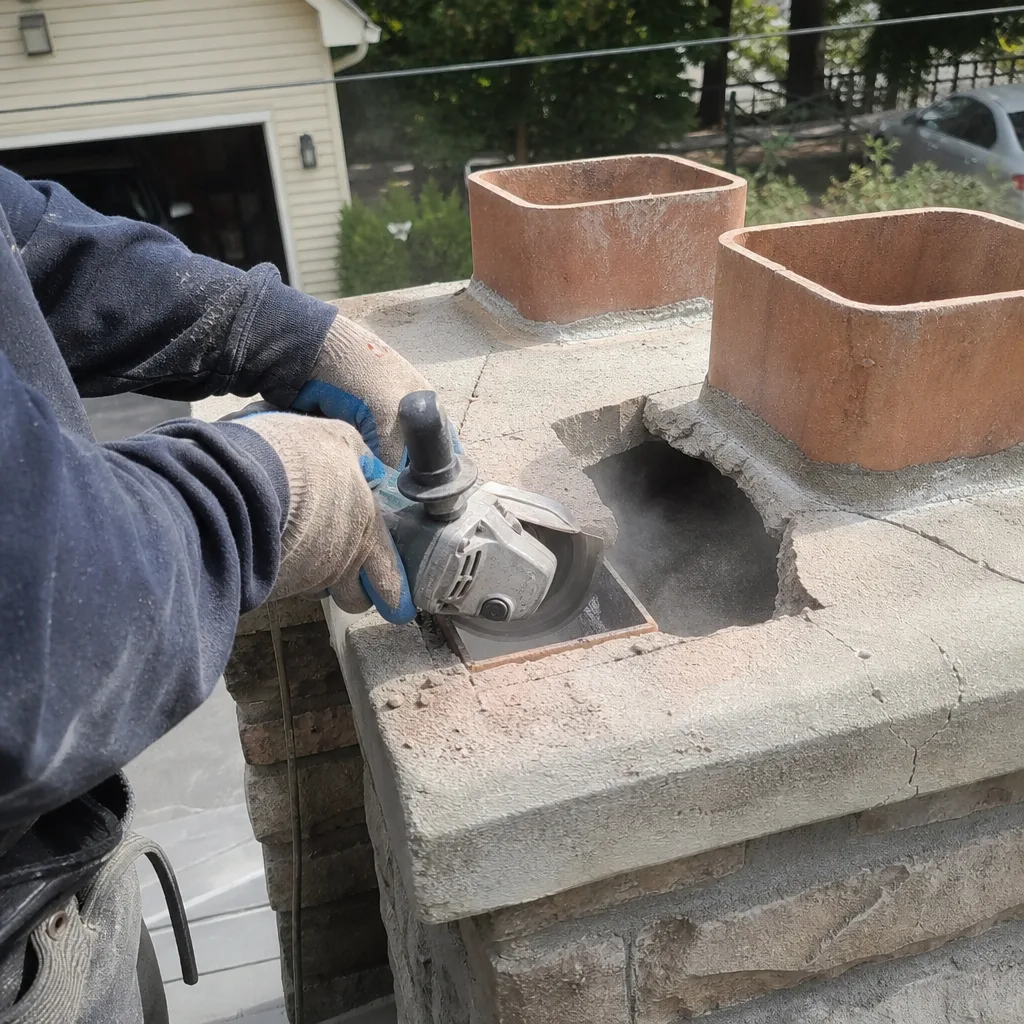
Full Chimney Rebuild
A full rebuild is the correct call when the chimney has lost structural integrity beyond the crown and upper courses: leaning stacks, widespread spalling, failed mortar joints through the full height, or a firebox and smoke chamber that are both compromised. In White Plains, we’ve rebuilt chimneys on everything from prewar colonials on Mamaroneck Avenue to midcentury ranches in North Street Estates. We tear down to the roofline or below, rebuild with new firebrick and masonry, install a properly sized liner, and pour a crown that actually sheds water. You receive a written scope before the first brick comes out, and a photo record when the last one is set.
Liner Repair
Liner repair, as opposed to full replacement, applies when the damage is localized: a single cracked clay tile, a failed mortar joint between tiles, or a heat-damaged section near the appliance connection. We identify the exact location with a camera scan and determine whether a targeted repair will restore safe operation or whether the liner’s overall condition makes full replacement the honest recommendation. We’ll tell you plainly if the repair can wait. Nothing gets recommended without film you can see yourself, and nothing gets done without a written price in your hand first.
What happens when you call
- 1
A real person answersNo phone trees - you reach a local pro.
- 2
You get an upfront price rangeHonest numbers before anyone is dispatched.
- 3
A background-checked tech heads outLicensed & insured, dispatched right away.
- 4
You approve before work beginsNothing starts until you say go.
Brands We Service for Chimney Liner & Rebuild
We install and work around liners and rebuild components from a short list of manufacturers whose products we’ve verified in the field over the years. That list includes Gelco and Olympia Chimney, two names you’ll see on stainless steel liner kits and caps throughout Westchester County. We use their products because they hold up under the condensation cycle that kills lesser steel, and because their specifications are consistent enough that we can quote a job accurately before we start.
We also work regularly with Famco and Copperfield components: dampers, top caps, termination assemblies, and flashing systems. Whether you have a Gelco liner that’s been backdrafting, an Olympia Chimney cap that’s pulling away from the crown, or Copperfield flashing that’s starting to lift, we can assess it and provide a written fix. And if your chimney was built with materials we haven’t named here, the camera scan tells us what we’re working withwhether the brand is on our shelf or not.
BeforeAfterSigns You Need Chimney Liner & Rebuild Right Now
- Flakes of clay tile in your firebox or at the base of the chimney. When a clay liner spalls, pieces shed from the flue walls and collect where the chimney base meets the firebox. Each flake is a section of flue wall that’s no longer protecting your house from heat transfer. In White Plains, we see this on chimneys serving oil-fired boilers that ran for decades before being converted to gas.
- White staining or moisture on the exterior brick above the roofline. Efflorescence, that white powdery film, means water is moving through the masonry. When water saturates a clay liner and then freezes, the liner cracks. Those cracks are how combustion gases find their way into wall cavities. The water problem started outside, but the liner damage is what makes it dangerous.
- You can smell exhaust or feel a draft when the appliance isn’t running. A failed liner lets flue gases backdraft into the living space. The smell of oil or gas near the fireplace, or a cold draft coming down the chimney in winter, means the flue’s draft path has been compromised. This is a carbon monoxide exposure risk, not an inconvenience.
- Visible cracking, leaning, or missing brick in the chimney stack. A chimney that’s visibly shifting has likely compromised the liner inside it, even if the liner was sound a year ago. When the masonry moves, the clay tiles inside move with it, and the joints separate. In White Plains, storm seasons and freeze-thaw cycles accelerate this on older chimneys.
- Your gas furnace or boiler was converted within the last 10-15 years and the flue wasn’t relined. High-efficiency appliances exhaust at lower temperatures, which means more condensation and more acidic condensation inside the flue. Older clay liners and aluminum liners can’t take it. We regularly find liners that have been quietly dissolving since the day the new furnace was installed.
Our Chimney Liner & Rebuild Process - Step by Step
- 1
Camera scan of the full flue, from the appliance connection to the chimney top. Every liner and rebuild job starts with a Level 2 camera inspection as defined by NFPA 211. We feed the camera up from below, or down from the crown, and record the entire length of the flue. You watch the screen with us. What we see is what you see.
- 2
Written diagnosis, written scope, written price. After the scan, we write up exactly what we found, exactly what we recommend, and exactly what it costs. This is Clause 1 of the Haven Standard, and it’s been our practice since 2009. You get the document in your hand before you decide anything. No pressure, no “sign today” discount, no vagueness we can hide behind later.
- 3
The work itself, done by a named technician. You’ll know who’s coming to your house, and you’ll get a text when they’re en route. Our crews are background-checked and uniformed. If the job takes more than a day, you’ll know the schedule before we start. We don’t swap people in and out without telling you.
- 4
Glaze coat or liner installation, smoke chamber parging, and crown work as specified. The rebuild scope is followed to the letter. For reline jobs, that means a correctly sized, insulated liner assembled and pulled to the roofline. For rebuilds, it means firebrick laid tight, mortar mixed to spec, and a poured crown with a drip edge so water doesn’t run down the brick faces. We use materials from manufacturers we’ve vetted: Gelco, Olympia Chimney, Famco, and Copperfield, sourced through Haven’s buying network to keep your price honest.
- 5
Final camera verification and documented photo record. Before we call the job done, we run the camera again and show you the finished flue. You get the photos, the scan archive, and a written warranty. Clause 4 of the Haven Standard: a documented photographic record on every job, every time. If something’s not right, we make it right, backed by the 365-Day Done Right Promise.
How Much Does Chimney Liner & Rebuild Cost in White Plains?
Chimney liner and rebuild pricing in White Plains depends on what the camera finds, and the range is broad because the scope varies that much. A straightforward stainless steel reline, no rebuild, runs roughly $2,900 to $4,800 depending on flue length and diameter, appliance type, and access. A partial rebuild that includes the top courses of brick and a new crown typically lands between $4,500 and $9,000. A full chimney rebuild from the roofline up, which involves new firebrick in the firebox, a rebuilt smoke chamber, a new liner, and a pour-in-place crown, runs $12,000 to $25,000 or more depending on height, access, and the condition of the surrounding structure. These are prices for the White Plains market specifically. What moves the number: how much of the chimney actually needs to come down, whether scaffolding is required, liner length and diameter, and whether the smoke chamber needs full parging. What shouldn’t move it: whatever the sales tech thinks you’ll pay. Our price is written before work starts, and it’s the price you pay. Use our free estimate to see exactly what you’re being quoted. And if you have a written quote from another company, bring it to us for a Free Second Opinion. We’ll tell you if it’s fair, even if you don’t hire us.
Chimney Liner & Rebuild Near White Plains - Our Service Area
We cover White Plains and a 20-mile radius through Westchester and into the border towns of Fairfield County. That includes Chimney Liner & Rebuild in White Plains itself, plus Chimney Liner & Rebuild in Harrison, Chimney Liner & Rebuild in Scarsdale, Hartsdale, Rye Brook, Elmsford, Greenville, Ardsley, Port Chester, Byram, Eastchester, and Hawthorne. Typical response time for a liner and rebuild estimate is one to three business days from your call, and our live phone support runs 24 hours a day, seven days a week at (914) 350-5204.
Serving White Plains, NY - Our Local Coverage Area
We’re based in the White Plains area and know this community well. Use the map below to see our service coverage - if you’re nearby, we can almost certainly help.
Frequently Asked Questions - Chimney Liner & Rebuild in White Plains
A chimney liner is the inner wall of the flue, the passage that carries combustion gases from your furnace, boiler, or fireplace to the outside. It contains heat, protects the surrounding masonry from corrosive exhaust, and provides a correctly sized passage for proper draft. When a liner fails, heat and gases can move into the framing of the house. We inspect every liner with a camera before recommending any work, and in White Plains we find failed liners on roughly one in five chimneys we scan.
A stainless steel reline typically takes one day from setup to final camera verification. A partial rebuild that includes crown work usually runs two to three days depending on weather and access. A full rebuild from the roofline up takes five to ten working days. We’ll confirm the timeline in your written scope before the job starts. Call (914) 350-5204 and we’ll schedule the camera scan to get you a real number.
A reline runs roughly $2,900 to $4,800. A partial rebuild lands between $4,500 and $9,000. A full rebuild ranges from $12,000 to $25,000 or more. These ranges assume standard access and typical flue dimensions; unusual heights, steep roof pitches, or structural complications move the number. The only way to get an exact written price is a camera scan, which is part of our free estimate. Call (914) 350-5204 and we’ll put a number in writing before you commit to anything.
Yes. We work with Gelco and Olympia Chimney liner systems regularly and stock their common components and termination parts. If your existing Gelco or Olympia liner has failed, we can assess whether a repair is viable or whether replacement is the honest call. We use the same brands because their specifications hold up, and because we can quote accurately when we know the product. Call (914) 350-5204 to schedule a camera scan and we’ll tell you exactly what’s going on.
Our installation work is backed by the 365-Day Done Right Promise: if it’s not done right, we make it right. That’s written into every scope we provide under the Haven Standard. The stainless steel liner itself carries a manufacturer’s warranty on the steel, typically lifetime conditional, which we’ll document in your writeup. You leave with a written warranty, a written scope, and a photo record of the finished work. No verbal promises, no convenience guarantees we can’t keep.
Our phones are answered by a live person 24 hours a day, seven days a week, including nights and weekends. If you have smoke backing into the house, visible chimney movement, or a suspected carbon monoxide issue, call us immediately at (914) 350-5204 and we’ll walk you through what to do right now. We can usually get a camera scan scheduled within one to two business days, and we’ll fast-track that if the situation calls for it. Don’t run the appliance until we’ve looked at it.
Clear the area around the fireplace or appliance connection so we have working room. Move furniture, rugs, and anything fragile at least six feet back. For rebuilds that require roof access, we’ll need a clear path to the chimney from the ground; we’ll confirm details when we confirm your appointment. The camera scan itself takes about 45 minutes, and you’re welcome to watch the screen with us. Call (914) 350-5204 and we’ll walk you through the rest.
Schedule Your Chimney Liner & Rebuild Service in White Plains Today
A damaged flue liner doesn’t fix itself, and every heating season makes it worse. Call (914) 350-5204 and we’ll put a camera down your chimney, show you exactly what we see, and hand you a written price before any work is even scheduled. No obligation, no sales pressure, and a documented photo record on every job we do. That’s how it’s been since 2009, and it’s how we work in White Plains today.
Written by Corrine Halstead, Owner at Level Two Chimney White Plains, serving White Plains and Westchester County since 2009.