
Last updated September 20, 2026
Level 1 sweep and inspection to the NFPA 211 annual standard - flue, crown, cap, and flashing checked and photographed
Chimney sweep logs do not sweep chimneys. They loosen some creosote - which then falls where a brush and vacuum still have to collect it.
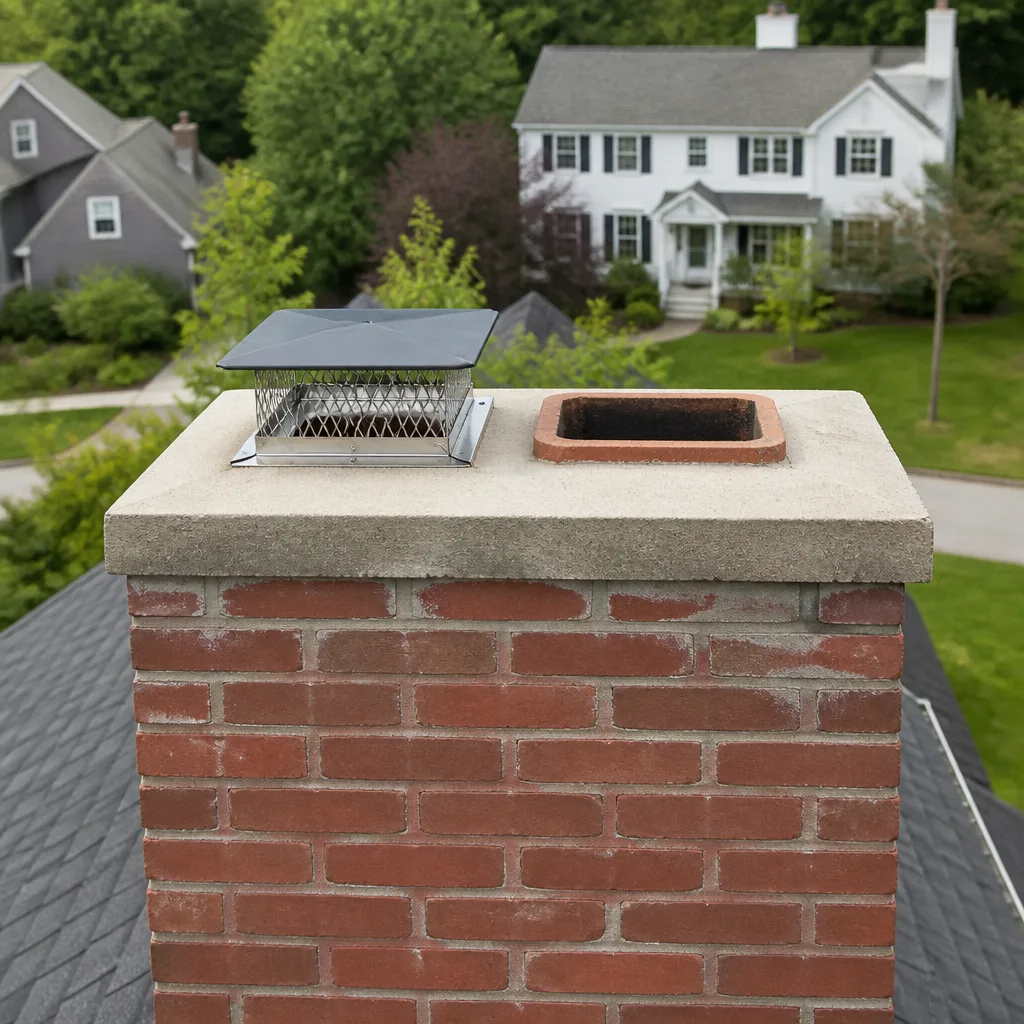
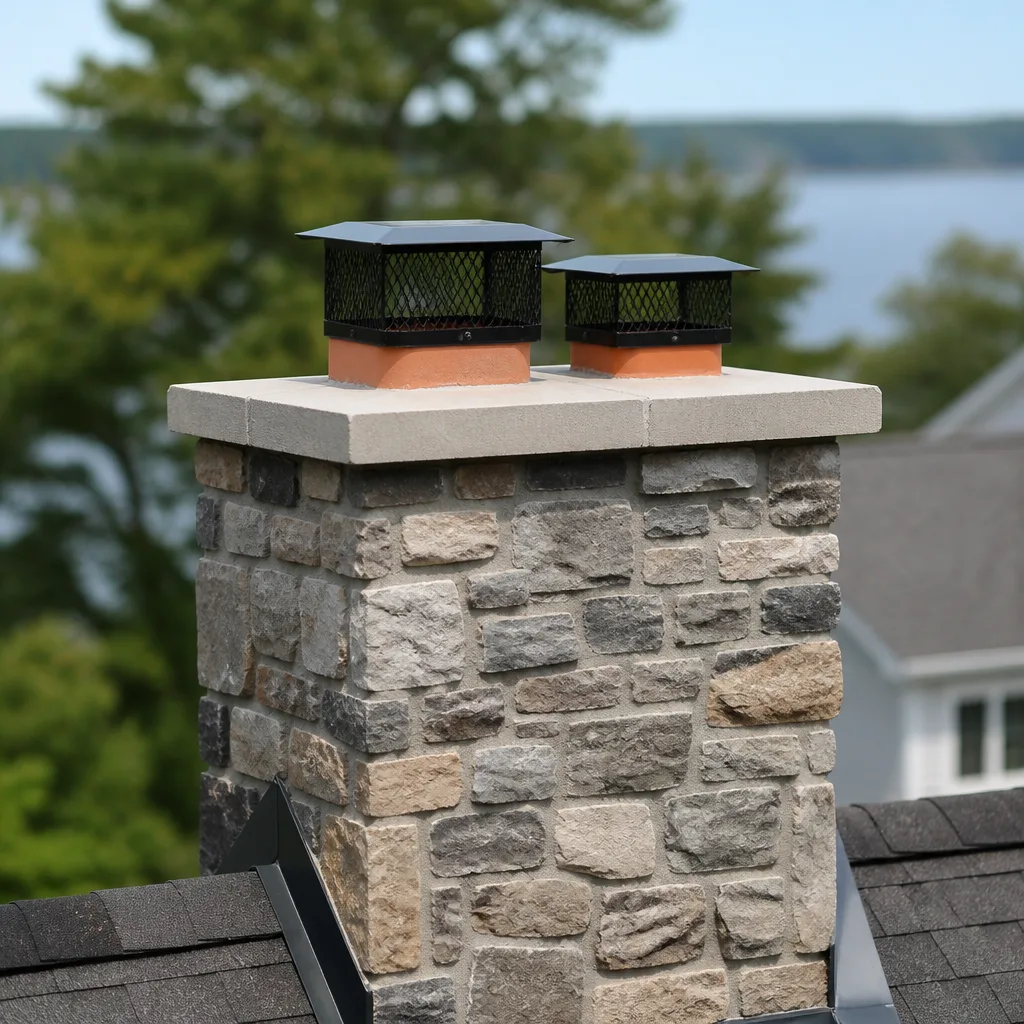
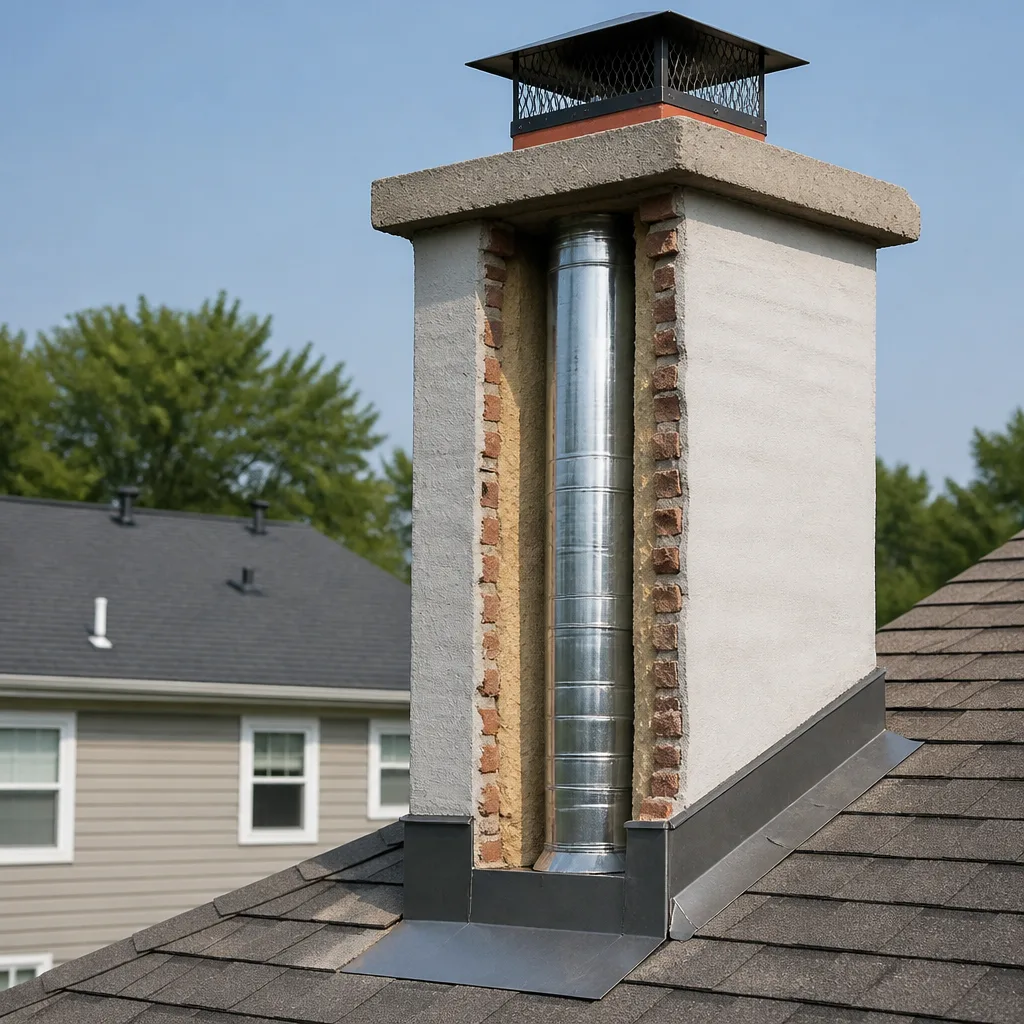
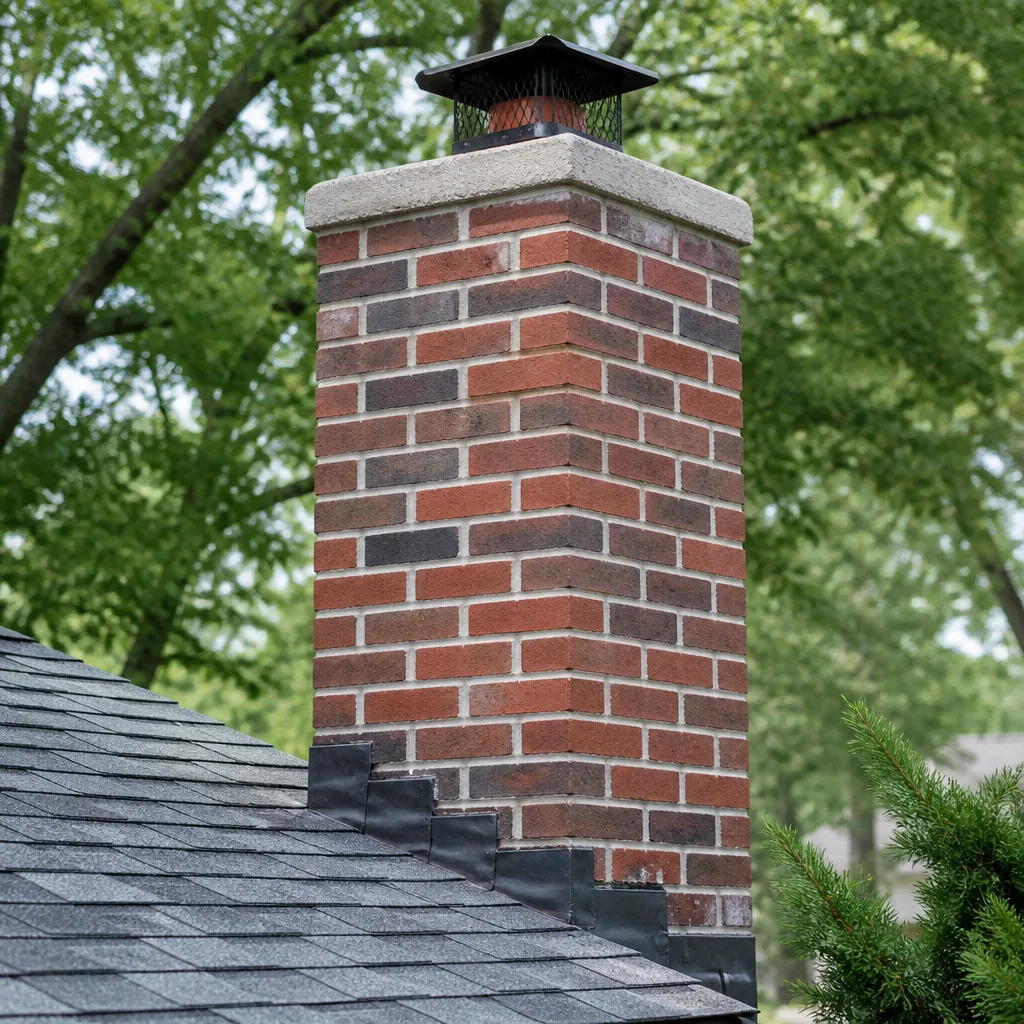
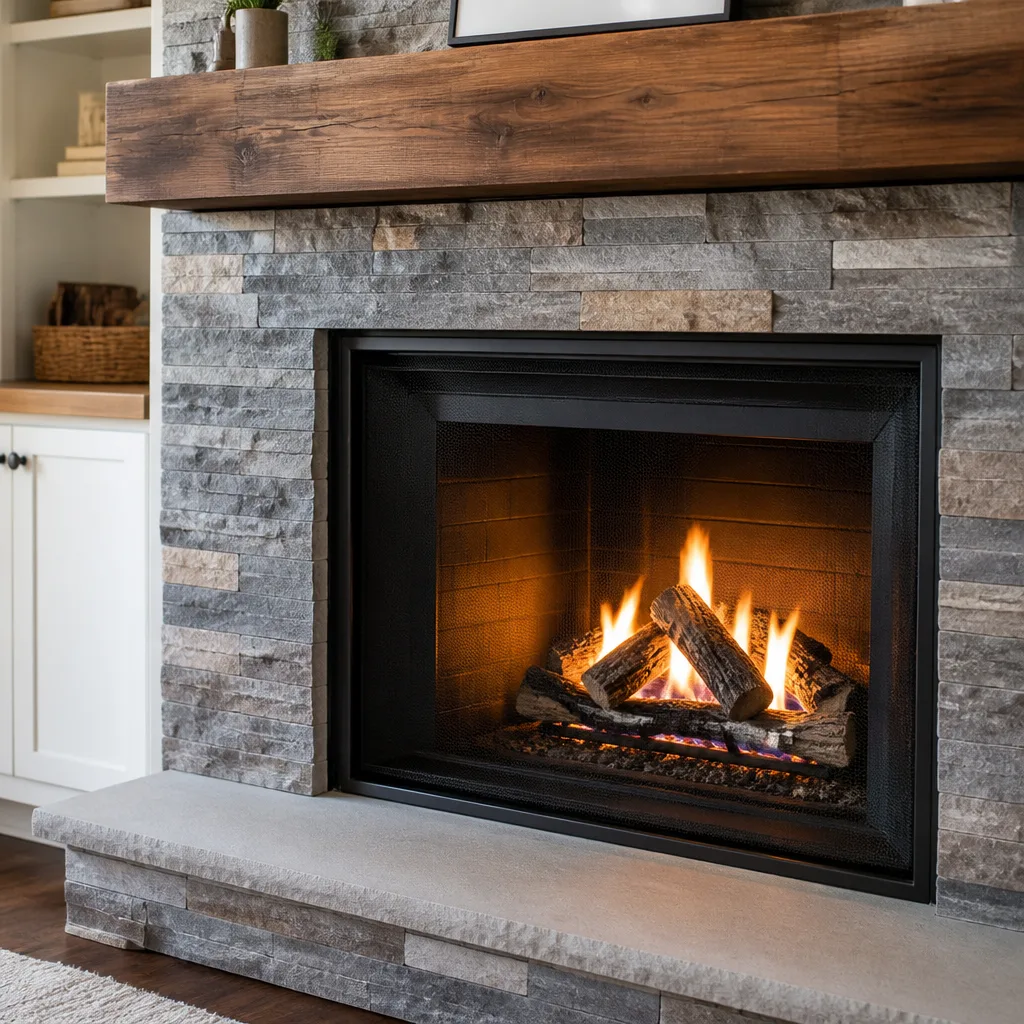
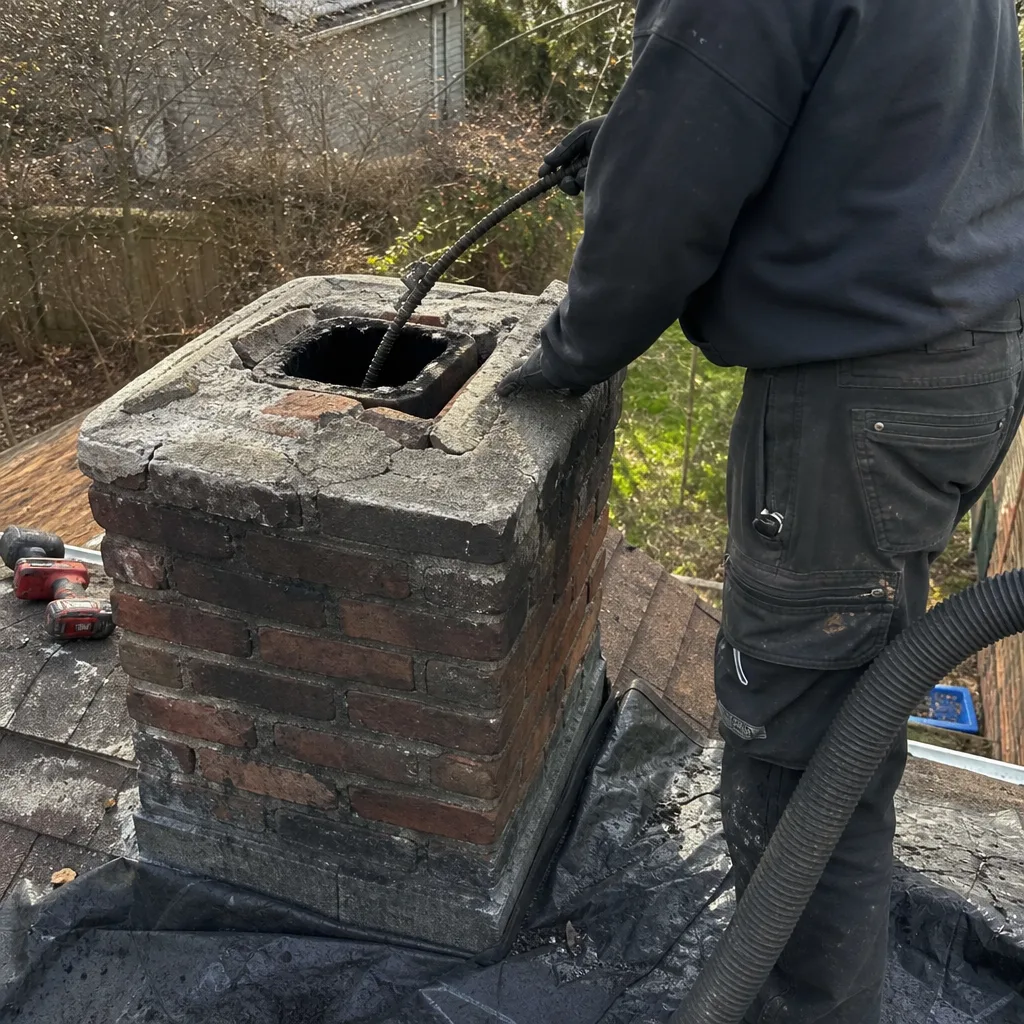 Before
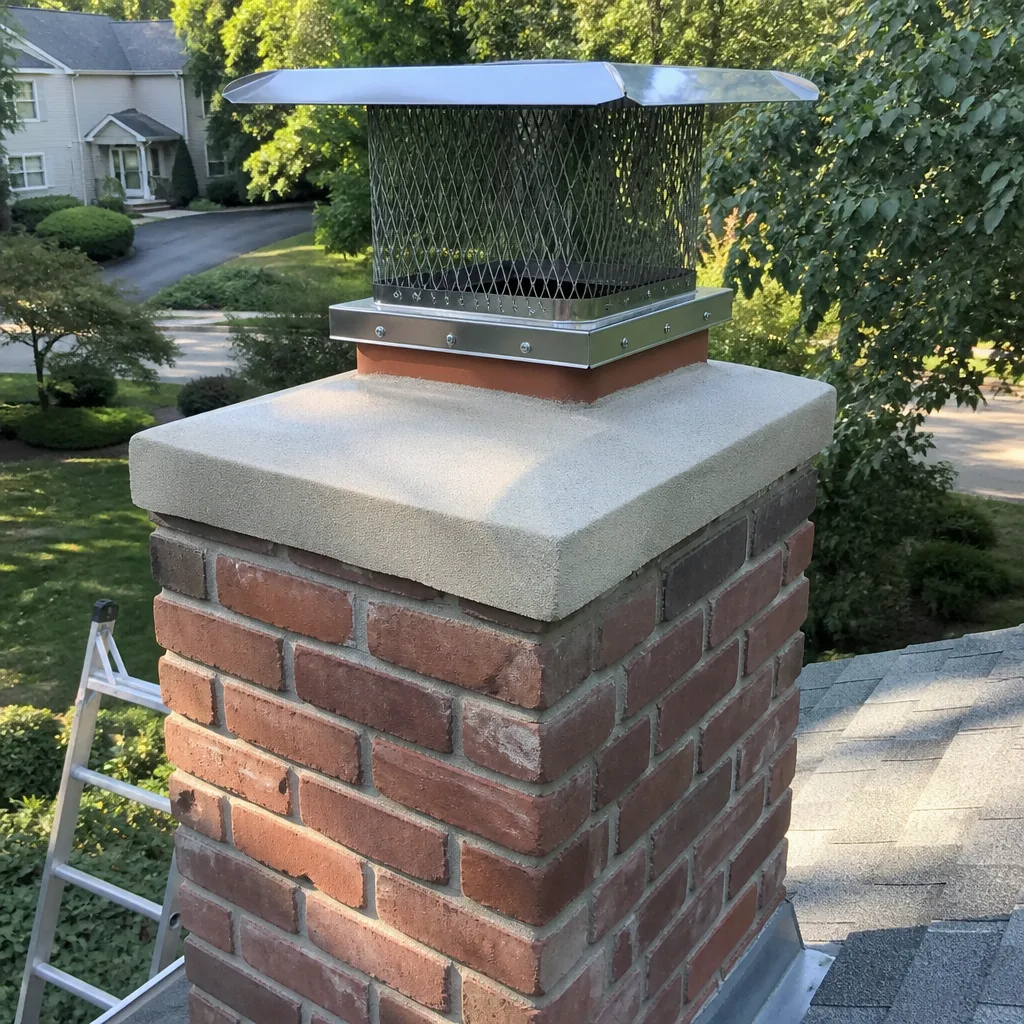 After
After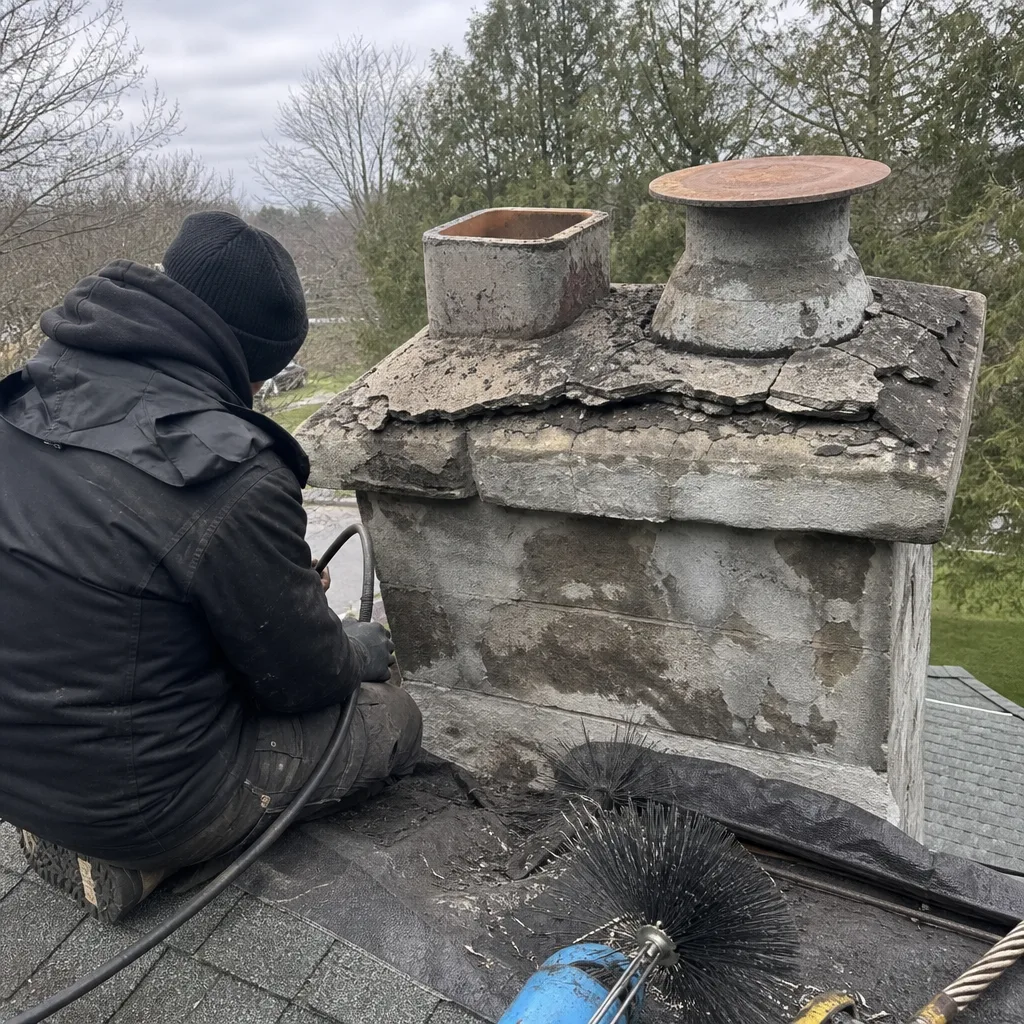 Before
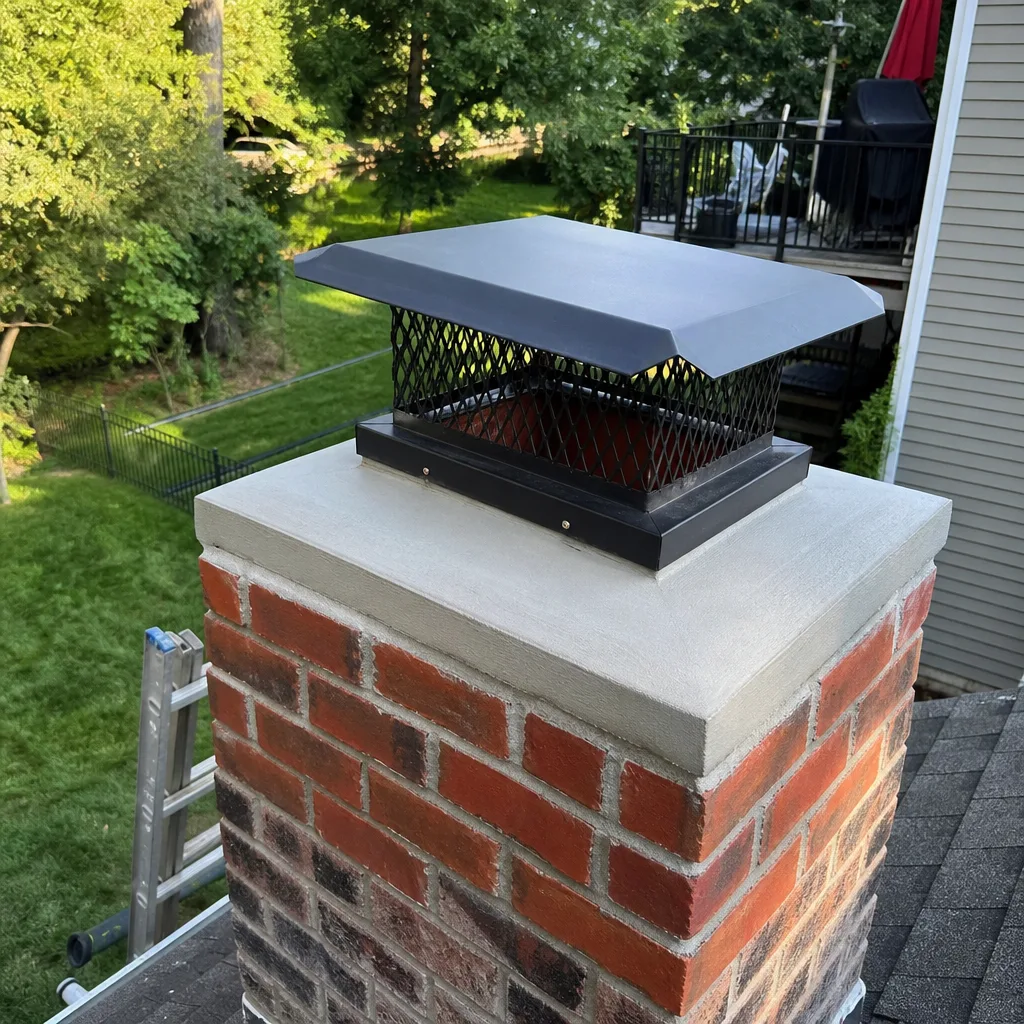 After
After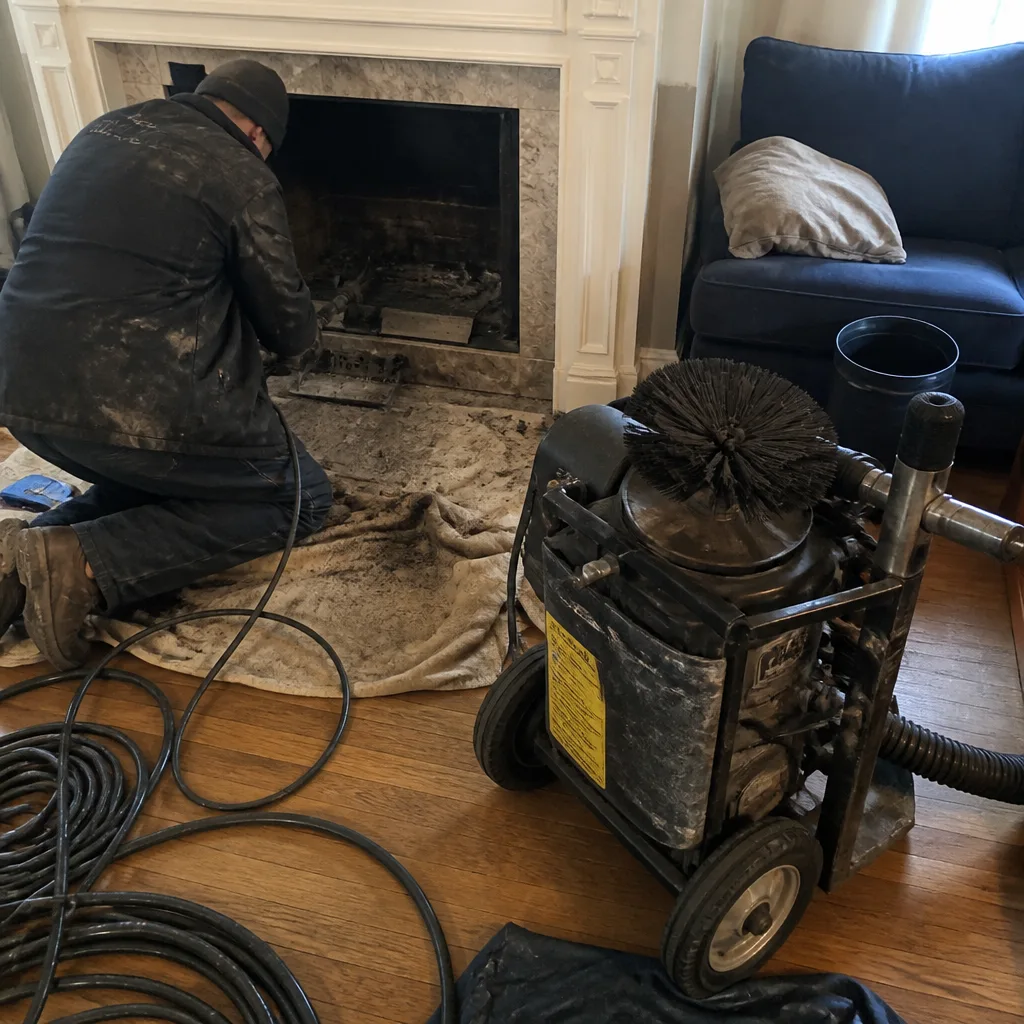 Before
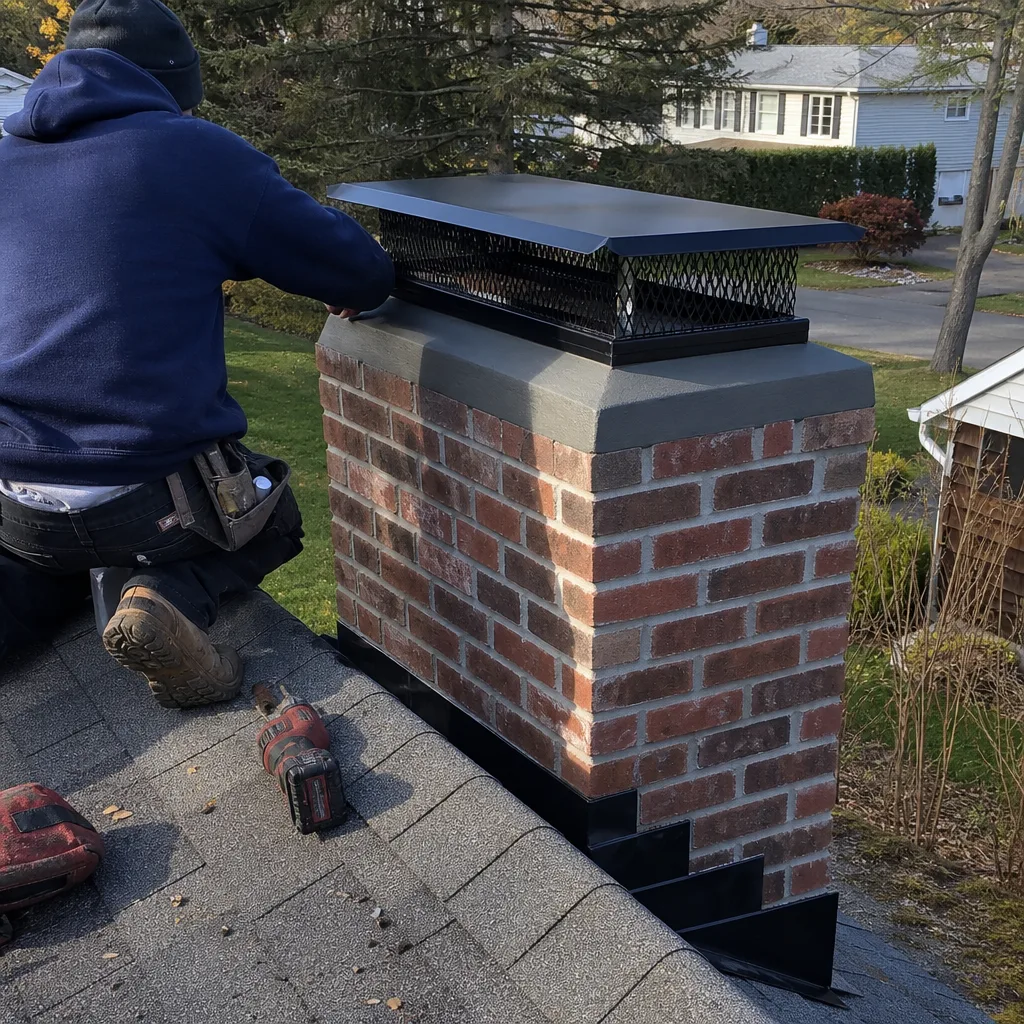 After
AfterThe Complete Guide to Chimney Cleaning in White Plains
In 2023, the NFPA reported that 27% of home heating fires involved chimneys, and most of those chimneys had been inspected within the prior two years by a certified sweep. Read that again. The inspection happened. The fire still happened. The variable that matters is not how often someone looked at your chimney. It is what they actually looked with. A flashlight glance and a “looks good to me” is not an inspection. It is a liability delivery system. This guide explains what a camera-documented Level 2 inspection actually finds in White Plains homes that a visual sweep misses, why that difference has cost local homeowners thousands in preventable repairs, and what a legitimate written estimate should look like before a single brush enters your flue.
Quick Answer
Chimney cleaning in White Plains typically costs between $189 and $389 for a standard sweep, depending on flue condition, creosote class, and whether a camera-scan inspection is included. A proper chimney cleaning here means more than brushing soot: it means a documented Level 2 camera inspection with photos you keep, a written price before work starts, and a written record when it is done. Without the camera record, you are paying for a guess.
Table of Contents
- What NFPA 211 Level 2 Actually Means in Practice
- Why White Plains Chimneys Accumulate Creosote Differently
- How to Read a Written Sweep Report (and What Missing Line Items Signal)
- The Documented Photo Record as an Insurance and Resale Asset
- Price Transparency as a Pre-Work Requirement: What a Written Estimate Must Include
- What the Camera Finds That the Flashlight Misses
- How to Choose a Chimney Sweep in White Plains
- Common Mistakes to Avoid
- When to Call a Professional
- Frequently Asked Questions
BeforeAfterWhat NFPA 211 Level 2 Actually Means in Practice
The National Fire Protection Association publishes NFPA 211, the standard that defines what a chimney inspection is. Most homeowners have never heard of it, and most sweep companies would prefer you never learn. The standard defines three inspection levels. Level 1 is a visual check of the readily accessible portions of the chimney. It is what happens when a technician shines a flashlight up your flue and says everything is fine. Level 2 goes further: it requires internal inspection of the flue with a camera or other optical device, assessment of the attic and crawlspace portions of the chimney, and documentation of clearances from combustibles. It is the standard required by insurance companies after a chimney fire, a seismic event, or a property transfer in many jurisdictions. It is what we have made our default on every single job since 2009.
Here is the practical difference. A Level 1 inspection on a typical White Plains pre-1980 home can verify that the flue liner is visible. It cannot tell you whether the liner has a hairline crack behind the smoke shelf. It cannot show you a missing mortar joint at the roofline. It cannot detect a flue-tile offset that has shifted out of alignment, one of the most common hidden defects in chimneys built before modern liners were standard. The camera sees these things. And it gives you the photo, which you keep, because Clause 4 of the Haven Standard requires a documented photo record on every visit. That practice started at our company in 2009, years before most insurers or regulators thought to ask for it, and it has never stopped.
When a White Plains homeowner asks us to look at a chimney that another sweep recently “cleared,” we usually find one of three things: a hidden flue offset, a cracked liner section, or a creosote classification that was understated because the previous sweep had no way to see the upper third of the flue. A Level 2 camera inspection is not an upsell. It is the baseline for any answer worth trusting.
Why White Plains Chimneys Accumulate Creosote Differently
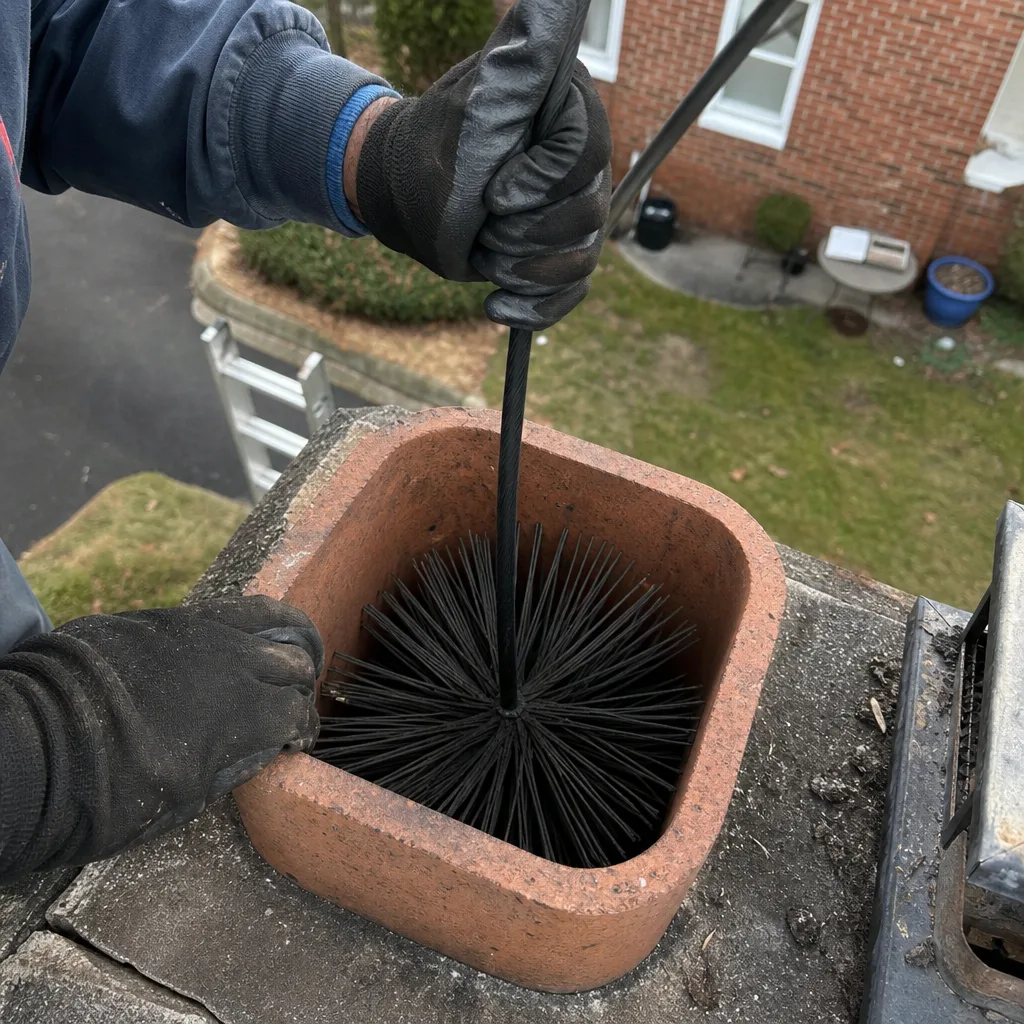
Creosote forms when wood smoke cools too quickly on the way up the flue. The rate at which it builds depends on flue temperature, wood moisture, and the humidity of the air outside. White Plains sits in the Hudson Valley moisture corridor, a geographic zone where damp air rolls in off the Hudson River and settles against the ridgelines. That moisture matters. It cools flue gases faster than drier inland climates, which accelerates the condensation of creosote on the flue walls. We see accumulated Stage II and early Stage III creosote in White Plains chimneys on cycles that would take an extra full season to develop in, say, the drier air of northern Westchester or Putnam County.
The housing stock compounds the problem. A large share of White Plains homes were built before 1980, and many of those original fireplaces were designed for coal or early oil-burning systems, not modern airtight wood stoves or high-efficiency fireplace inserts. When a homeowner drops an insert into an existing masonry chimney without resizing or relining the flue, the result is predictable: an oversized flue that runs cold, a smoke column that lingers too long in the upper chimney, and creosote that builds faster than the year-to-year schedule most homeowners assume is safe.
Our crews clean chimneys in the Highlands, Battle Hill, and the neighborhoods around Saxon Woods with different expectations than homes in central downtown White Plains. The older the chimney, the more we expect to find. The moisture corridor is not a theory. It shows up in the creosote class we document, in the spalling brick we photograph at the crown, and in the liner condition reports we write for homeowners who want a straight answer instead of a clean bill of health.
How to Read a Written Sweep Report (and What Missing Line Items Signal)
A legitimate chimney sweep report in White Plains should read like a medical report, not a receipt. It should name what was found and what it cost. It should not require you to remember anything the technician said. Here is what a complete written sweep report includes, line item by line item.
- Flue liner condition. The report should state the material (clay tile, stainless, cast-in-place), the condition class, and whether cracks, gaps, or spalling were observed. “Spalling” means the surface of the masonry is flaking or breaking away, and it indicates water damage that will not fix itself.
- Creosote classification. The NFPA recognizes three classes of creosote. Class I is a light soot. Class II is a flaky, tar-like deposit that requires mechanical brushing. Class III is a glazed, hardened, tar-like substance that cannot be removed with a standard brush and often requires chemical treatment or removal tooling. If the word “creosote” does not appear on your report with a class number, you did not get a real report.
- Smoke chamber condition. The smoke chamber is the transition area above the firebox where smoke funnels into the flue. In older White Plains chimneys, it is often corbeled brick with missing or parged-away joints. A report that does not mention the smoke chamber was not written by someone who looked at it.
- Crown and cap status. The crown is the masonry cap at the top of the chimney. If it is cracked or has missing mortar, water enters the flue and degrades the liner from the inside. The report should state whether the crown was inspected and what was found, not just whether a chimney cap is present.
- Clearances to combustibles. This is the attic check. The report should note whether the chimney passes through framing at least 2 inches clear of wood, or whether a combustible clearance violation was photographed. This line item protects you from the attic fire no one sees coming.
- Photo record. If the report does not include photos, or at minimum a statement that a camera scan was performed and the images are available, it is not a Level 2 report. It is a note from a guy with a flashlight.
What does the absence of any of these items signal? It signals that the technician either did not perform the work or did not want a written record of what he saw. Both are reasons to get a second opinion, and in White Plains, we offer one: a Chimney Cleaning & Sweep in White Plains visit includes a written price before work starts and a documented photo record when it is done, every time, no exceptions.
The Documented Photo Record as an Insurance and Resale Asset
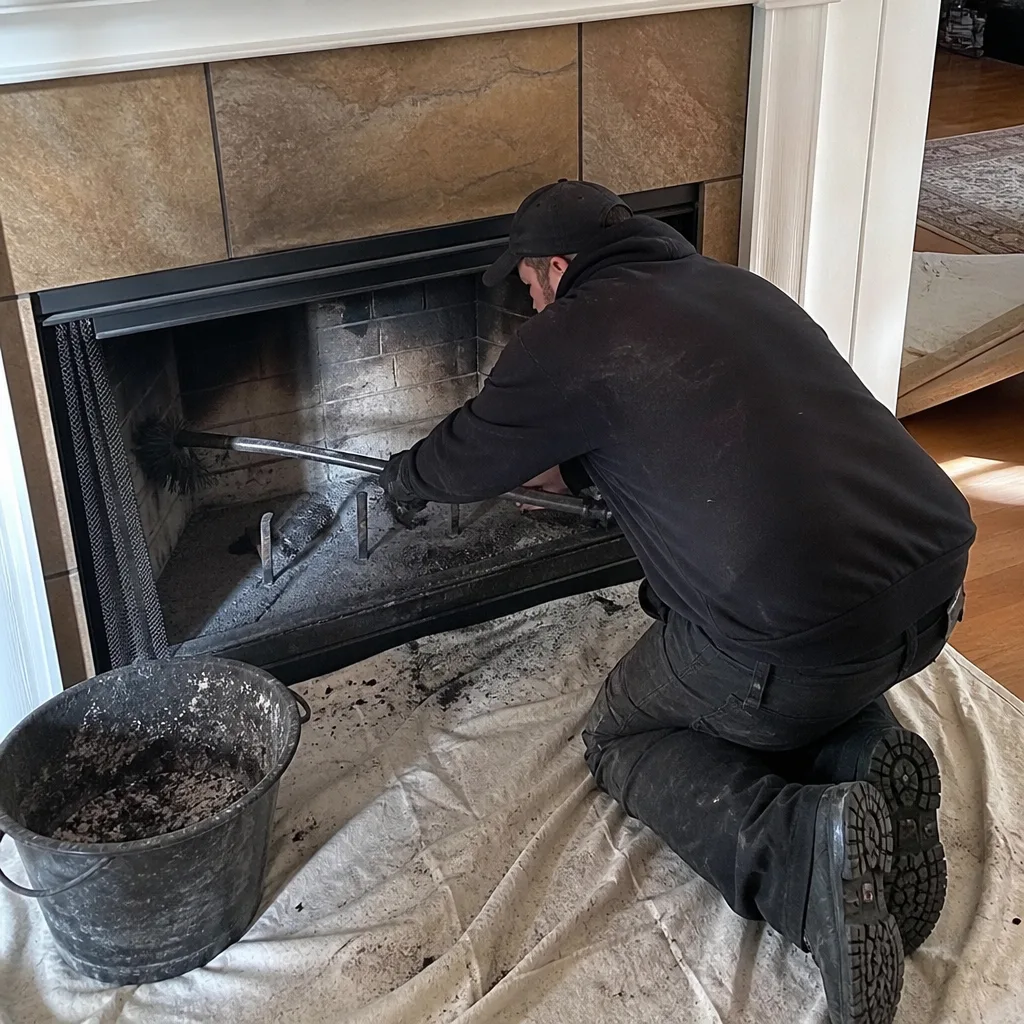
Homeowners only think about chimney documentation in two moments: after a fire, or during a home sale. Both are the wrong moments to start building a record. The right moment is every time the chimney is touched. A dated photo record showing liner condition, creosote class, and crown status across multiple years is evidence. It is the difference between an insurance adjuster processing your chimney fire claim and one who asks you to prove you maintained the system.
Insurance carriers in New York increasingly ask for maintenance records after chimney-related losses. If your only record is a handwritten receipt from a company that no longer exists, you are in a weak position. A documented photo record with dates, findings, and the technician’s name is what an adjuster accepts. Home inspectors in White Plains also know the difference. When they see a recent Level 2 inspection with photos attached to the seller’s disclosure, the chimney becomes a non-issue in the transaction. When they see nothing, the buyer asks for a chimney certification, and the seller pays for it on the buyer’s timeline, not their own.
The people who benefit most from this record are homeowners who never plan to use it. The archive we have maintained since 2009, with over 38,000 chimneys inspected and cleaned, exists for exactly that reason. It costs us almost nothing to maintain and it costs our customers nothing to receive. Yet most sweep companies in White Plains do not provide it because they were never set up to. We were set up this way from day one, and that became Clause 4 of the Haven Standard: every visit ends with a documented photo record. You keep it. You will probably never need it. If you ever do, it will be worth everything.
Price Transparency as a Pre-Work Requirement: What a Written Estimate Must Include
The chimney sweeping industry has a pricing problem, and White Plains is not exempt. A homeowner calls for a quote, hears a low number over the phone, and then gets a visit from a technician who discovers “unexpected” issues that triple the cost before any actual work begins. That bait-and-switch pattern is so common that many homeowners now assume every chimney company works that way. We do not, and the rule is non-negotiable: a written price, a written scope, and a written warranty are delivered before anyone starts. Never “call for a quote.” That phrase is the entire problem.
Here is what a legitimate written estimate for chimney cleaning in White Plains should include.
- A fixed price for the sweep and inspection. Not a range. Not an estimate that ends with “plus materials.” A number. In White Plains, that number should be somewhere between $189 and $389 for a standard masonry chimney with a fireplace. If someone quotes $89, ask what is not included. Something is not included.
- A written scope of work. The estimate should list what will be done: cleaning method, inspection level, areas included (flue, smoke chamber, firebox, crown, cap), and the form of documentation that will be provided.
- A written warranty. Not a verbal promise. A written statement of what is covered and for how long. Our 365-Day Done Right Promise is printed on every job: if it is not done right, we make it right. That is not a slogan. That is the warranty language.
- Any additional findings that will trigger additional work. If the camera inspection reveals a cracked liner, does the estimate include the cost to repair it, or is that a separate quote? A legitimate company will tell you up front how additional findings are priced. A company that hides that information is planning to use it.
- A documented photo record. This should be listed as a standard inclusion on every job, not an optional add-on. If it costs extra, that is the signal you are dealing with a company that treats documentation as a profit center instead of an obligation.
If you have a written estimate from another company in White Plains, bring it to us. We offer a free second opinion on any written estimate. That means we will review the other company’s pricing and scope, perform our own camera-documented inspection, and tell you whether the work listed is necessary. No pressure, no obligation. If our price is higher, we will tell you why or we will confirm that their price is fair. The industry needs more of this.
What the Camera Finds That the Flashlight Misses
The gap between what a flashlight shows and what a camera records is the entire business case for Level 2 inspections. A flashlight illuminates the bottom third of the flue. A camera documents all of it, from firebox to crown, including the parts no human eye can reach. Here are the findings we have photographed in White Plains chimneys that a prior visual sweep missed.
Hidden flue-tile offsets. Older masonry chimneys were built with individual clay tile sections stacked one on top of the other. Over decades of thermal cycling, those tiles shift. An offset of even half an inch creates a gap that allows heat and combustion gases to reach the surrounding masonry, and eventually the framing. The camera sees the offset. The flashlight sees the first tile and stops.
Fractured clay liners behind the smoke shelf. The smoke shelf is the curved masonry ledge at the base of the flue. Cracks directly behind it are invisible from below with a flashlight, even with a mirror. The camera, angled up through the smoke chamber, captures exactly what is happening where the flue begins.
Class III creosote in the upper flue. The upper third of the flue runs coldest, especially in the White Plains moisture corridor, and that is where glazed, hardened creosote forms first. A technician with a flashlight cannot see the upper flue at all. A technician with a camera can see everything, and if Class III is found, standard brush work will not remove it. Chemical treatment or specialized removal tooling is required, and the price should reflect that before the work begins, not as a surprise after.
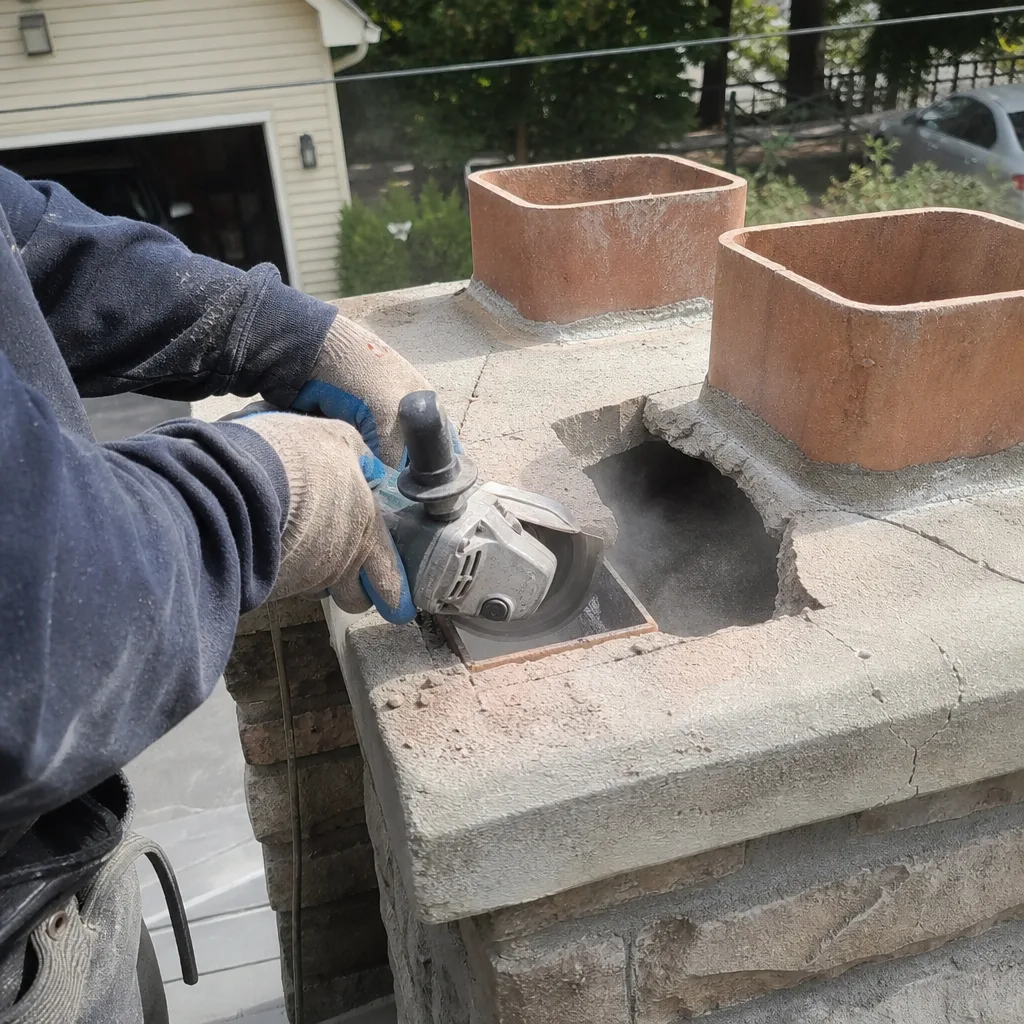
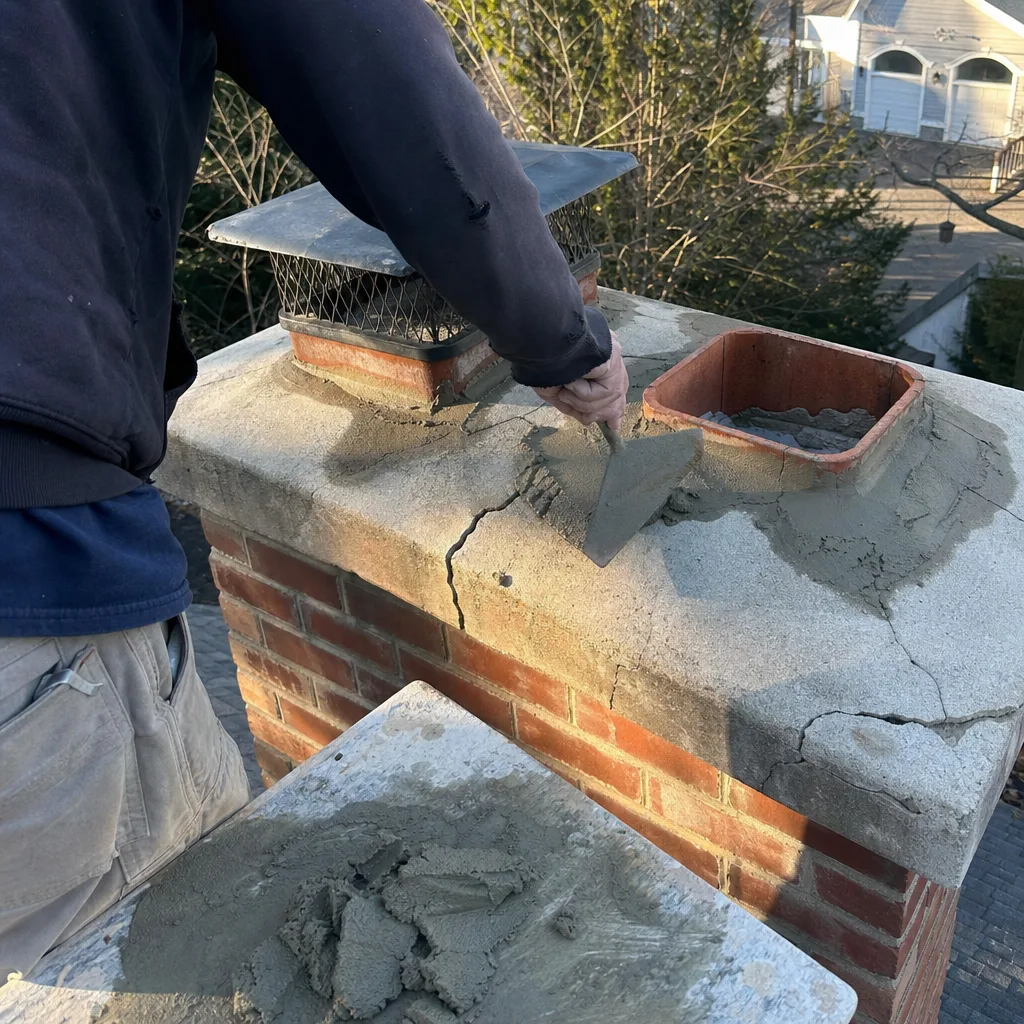
Missing mortar joints at the roofline. Water entry at the crown and roofline is the single most preventable cause of chimney deterioration in Westchester County. A camera scan at the upper flue can document where mortar is missing and where water is getting in. None of that is visible from the ground or from inside the firebox.
Combustible clearance violations in the attic. The camera goes into the attic, where the flue passes through framing. In older White Plains homes, we regularly photograph the flue running within half an inch of a floor joist, or worse, in direct contact with it. That is a fire code violation and a fire risk, and no one sees it unless they look with the right equipment.
This is why our Level Two Chimney White Plains home page leads with the inspection standard, not the price. The price is meaningless if the inspection missed the thing that matters.
How to Choose a Chimney Sweep in White Plains
The choice is not between expensive and cheap. It is between documented and not documented. Our How to Hire a Chimney Cleaning Contractor in White Plains: A Step-by-Step Guide walks you through the exact method.
- Ask whether the inspection follows NFPA 211 Level 2. If the person on the phone does not know what that is, the company does not perform it. Hang up.
- Ask whether the inspection includes a camera scan and photo record. If the answer is “we can do that for an additional fee,” you are talking to a company that treats documentation as an optional extra. That is the wrong answer.
- Ask for a written price before the appointment. Not a range. A price. If they will not give you one, they are planning to sell you something during the visit.
- Ask what the sweep report includes. It should include liner condition, creosote class, smoke chamber condition, crown and cap status, clearances to combustibles, and photos. If any of those items are missing from the answer, they will be missing from the report.
- Ask who shows up at your door. The person should be background-checked, uniformed, and employed by the company whose name is on the vehicle. License information should be displayed on the page, not hidden in a drawer. When our technicians are dispatched to a White Plains home, the customer receives a text with the named tech and an arrival window. That is H.A.V.E.N. “Arrive on schedule” and “Verified crews” in practice, not in a brochure.
- Ask for a second opinion if anything feels off. We will review any competitor’s written estimate for free. That offer exists because we know what is in the other estimates in this market, and we are comfortable standing next to them.
The homeowners who call us after a bad experience almost always say the same thing: they assumed all chimney companies do the same work because the prices were similar. We explored this confusion in depth in our DIY vs Professional Chimney Cleaning: The White Plains Homeowner’s Decision Guide. The prices are similar. The work is not. The difference is in the record, and the record is the only thing you keep after the technician leaves.
Common Mistakes to Avoid
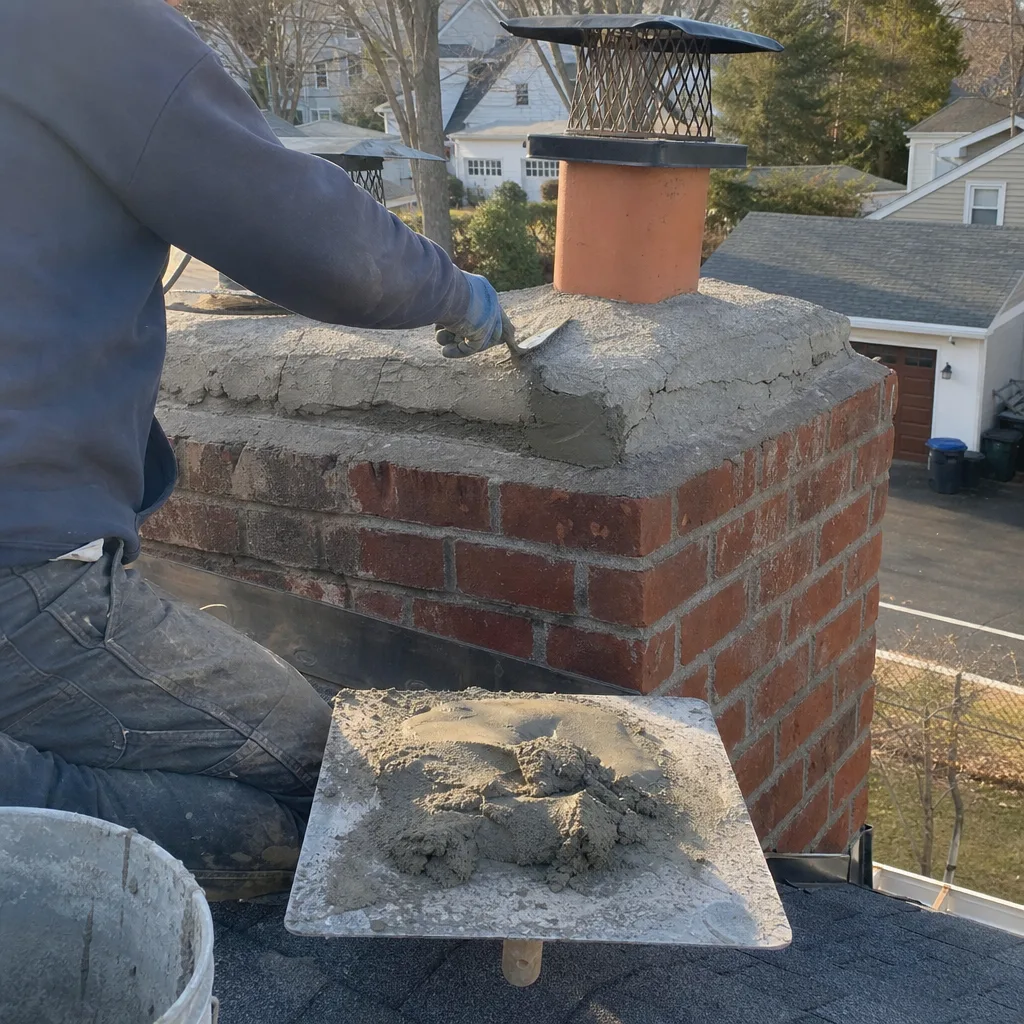
- Hiring based on price alone. A $89 chimney cleaning in White Plains is not a deal. It is a vehicle for a $2,000 “discovery” once the technician is already in your home. The price on the page should be the price you pay, and it should be written down before work starts.
- Accepting a sweep without an inspection report. A sweep removes creosote. It does not tell you if the liner is cracked, the crown is spalling, or the smoke chamber is losing mortar. If you did not get a report, you did not get an inspection. You got a brushing.
- Burning unseasoned wood and expecting the chimney to stay clean. Wet wood produces cool, smoky fires that deposit creosote at double the rate of properly seasoned hardwood. In the Hudson Valley moisture corridor, this is the single most common household mistake we document.
- Ignoring the attic. The most dangerous chimney condition in White Plains homes is not the dirty flue. It is the combustible clearance violation in the attic, where the flue passes too close to framing. No one sees it from the living room. The camera sees it.
- Waiting for “burning season” to book a cleaning. The best time to clean a chimney in White Plains is spring or early fall, before the October rush. Moisture from spring rains compounds creosote build-up through the summer, and a chimney that sat damp for six months is a chimney that needs a camera scan before the first fire.
- Assuming the previous owner maintained the chimney. They did not. In a majority of the pre-1980 homes we inspect in White Plains, the chimney has not been touched since the sale before last. The seller’s word is not a maintenance record. A documented photo record is.
- Falling for urgency theater. “Only two slots left this week” is not a reason to act. A documented inspection showing Class III creosote is a reason to act. Pressure is a sales tactic. Evidence is a reason. We will show you the evidence and let you decide on your own schedule.
When to Call a Professional
You need a professional chimney cleaning when creosote has built to Class II or beyond, when you notice smoke entering the living space instead of drafting up the flue, when you see flaking masonry at the crown, or when it has simply been more than one full burning season since your last documented inspection. You also need one when you are buying or selling a home in White Plains and the chimney has no paper trail. A chimney that passes a visual glance is not a chimney that has been inspected. It is a chimney that has not been found out yet. Level Two Chimney White Plains offers free estimates in White Plains, and every estimate is in writing before any work begins. Call (914) 350-5204 to schedule a camera-documented chimney cleaning and inspection.
Frequently Asked Questions
A standard chimney cleaning and Level 2 camera inspection in White Plains typically costs between $189 and $389, depending on flue condition, creosote class, and roof access. That price should be fixed in writing before any work starts, not discovered after the technician is in your home. Call (914) 350-5204 for an exact quote. Estimates are free and always written.
The NFPA recommends a chimney inspection at least once a year and cleaning whenever creosote build-up reaches 1/8 inch or more. For most White Plains homes burning wood through a Hudson Valley winter, that means an annual cleaning before the burning season, with a camera-documented report you can compare year to year. See our Seasonal Chimney Cleaning Care for White Plains: Year-Round Homeowner’s Guide for timing specifics.
A Level 2 inspection includes a camera scan of the entire flue liner, inspection of the attic and crawlspace portions of the chimney, assessment of clearances to combustibles, and documentation of all findings. It goes beyond the visual check of a Level 1 inspection and is the minimum standard we perform on every visit. It is the only way to see hidden flue-tile offsets, fractured liners behind the smoke shelf, and clearance violations in the attic.
You need a new liner if the camera scan documents cracks, gaps, or spalling in the existing flue that would allow heat and combustion gases to escape into the surrounding masonry. Not every chimney with a cracked liner needs immediate replacement, and we will tell you plainly when work can safely wait. What we will not do is recommend a liner replacement without camera evidence you can see for yourself.
Skipping a year in White Plains means creosote that forms during fall and winter sits through a damp Hudson Valley spring, absorbing moisture and hardening as the masonry cycles through seasonal temperature shifts. By the next burning season, what was manageable Class I or II creosote has often become a harder, more expensive problem. The risk is not aesthetic. It is a flue fire you will not see coming.
Yes, and at Level Two Chimney White Plains it is not an extra cost. It is the standard on every job. The camera sees the upper flue, the smoke shelf, the attic clearances, and the liner interior, all of which are invisible to a flashlight. If a company charges extra for a camera record, ask why documentation is an optional add-on. Call (914) 350-5204 to book a cleaning and inspection with the photo record included.
The Bottom Line
Chimney cleaning in White Plains is not a commodity service where the cheapest bid is the smartest choice. It is an inspection process, and the quality of that process determines whether a hidden defect becomes a documented, repairable problem or a chimney fire that no one saw coming. The camera scan, the written price, the written report, and the documented photo record are not nice-to-haves. They are the only things you keep after the work is done. If your current chimney company is not providing them, you do not have a chimney company. You have a guy with a brush. Browse our more guides & resources to protect your home. That distinction has cost White Plains homeowners a lot of money. It does not have to cost you anything.
Written by Corrine Halstead, Owner at Level Two Chimney White Plains, serving White Plains since 2009.