
Last updated September 20, 2026
Level 1 sweep and inspection to the NFPA 211 annual standard - flue, crown, cap, and flashing checked and photographed
Chimney sweep logs do not sweep chimneys. They loosen some creosote - which then falls where a brush and vacuum still have to collect it.
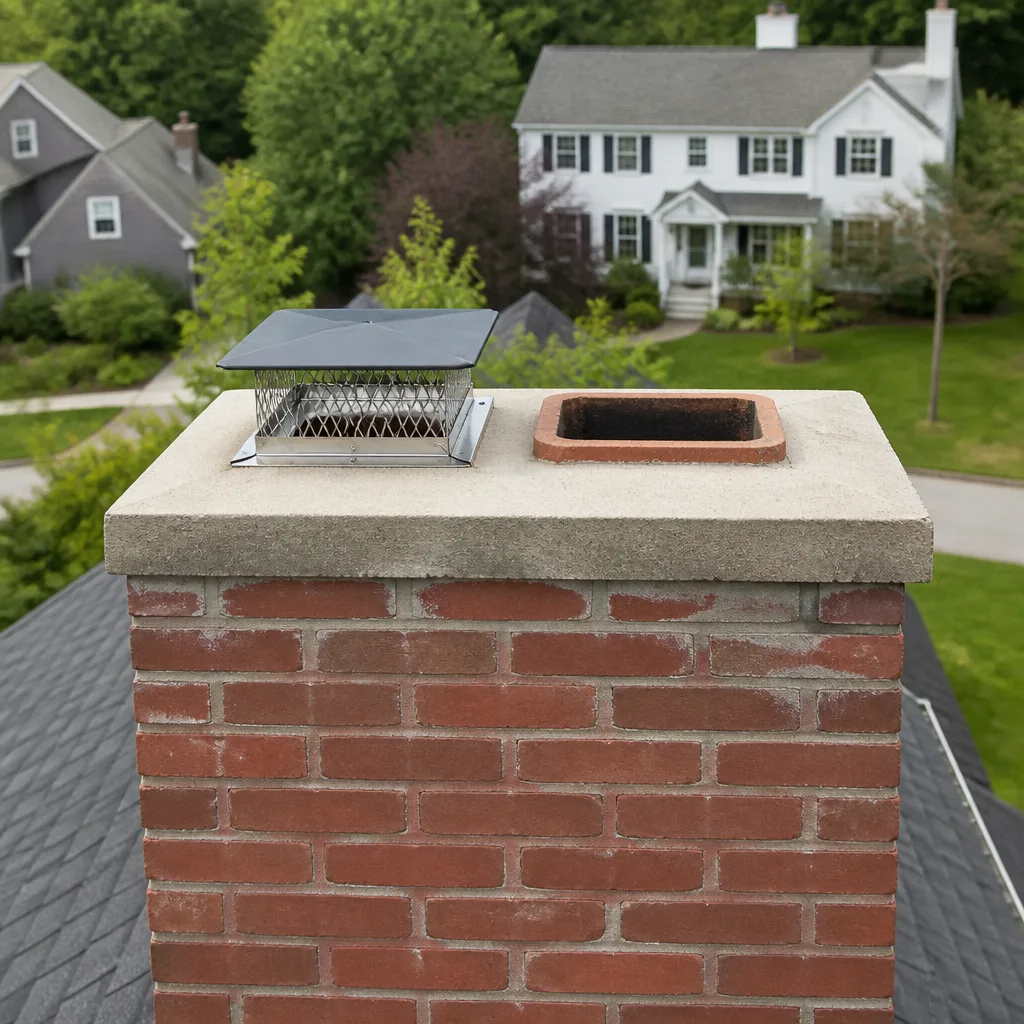
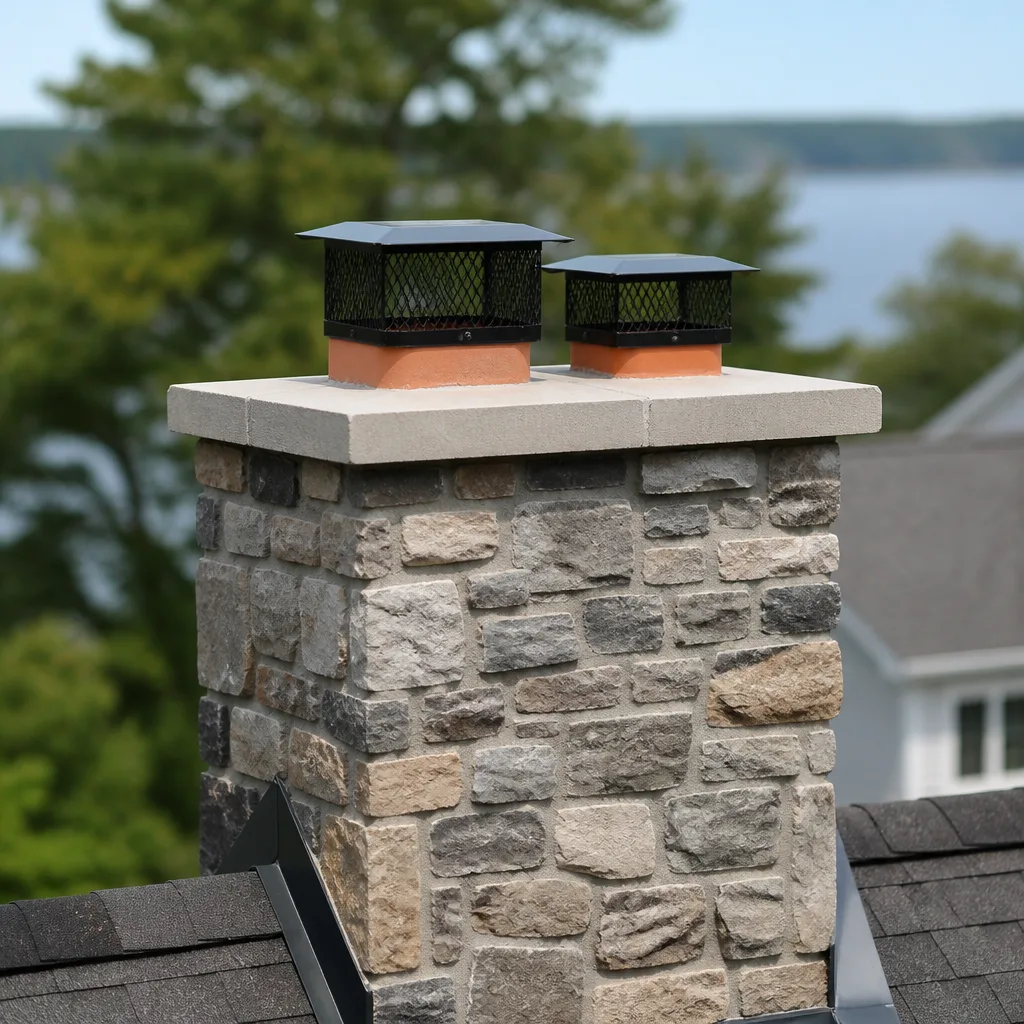
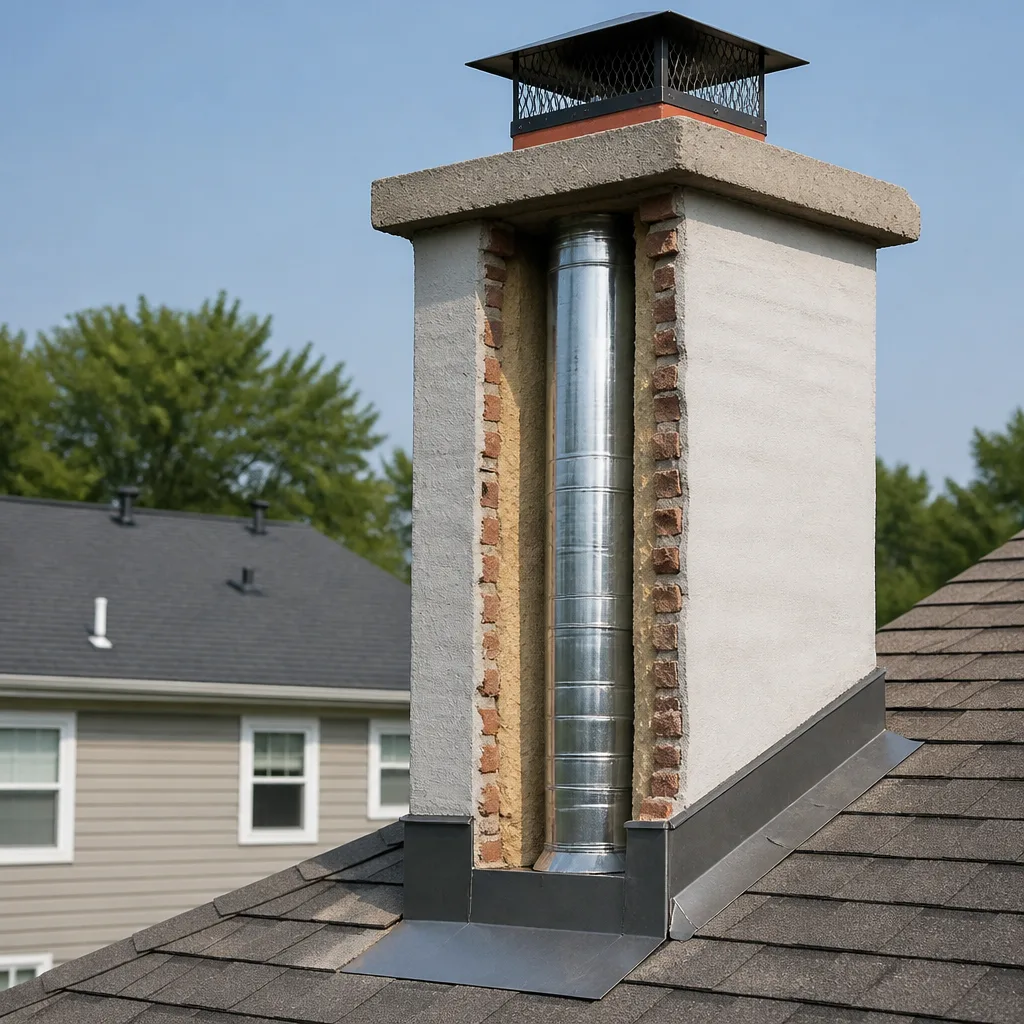
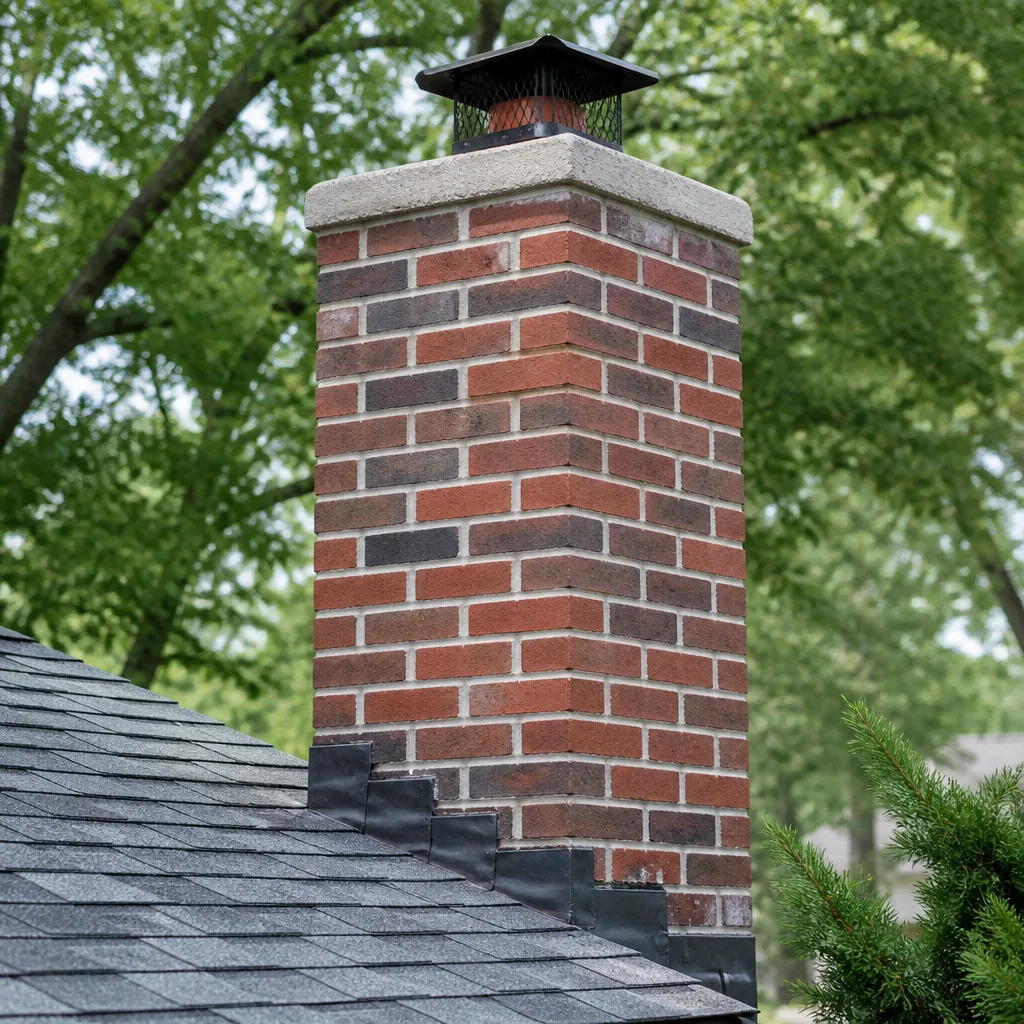
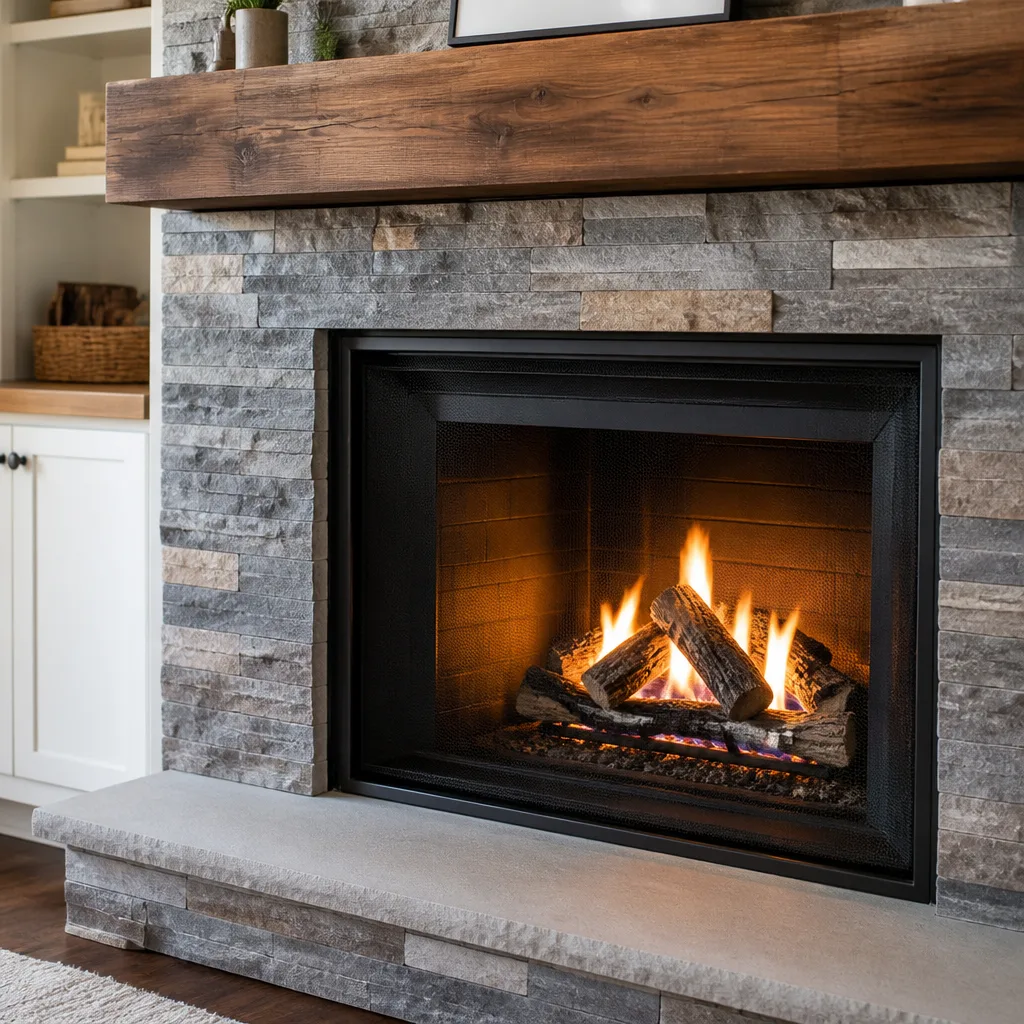
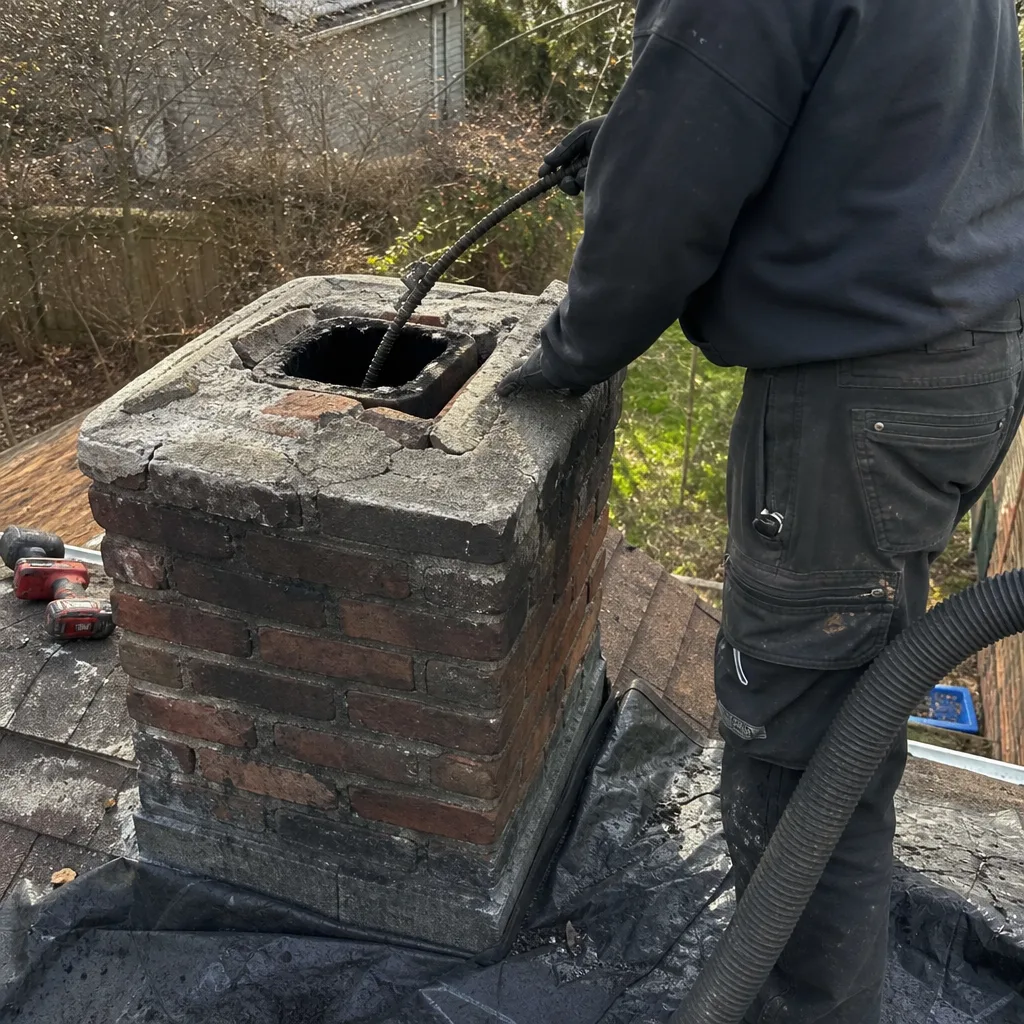 Before
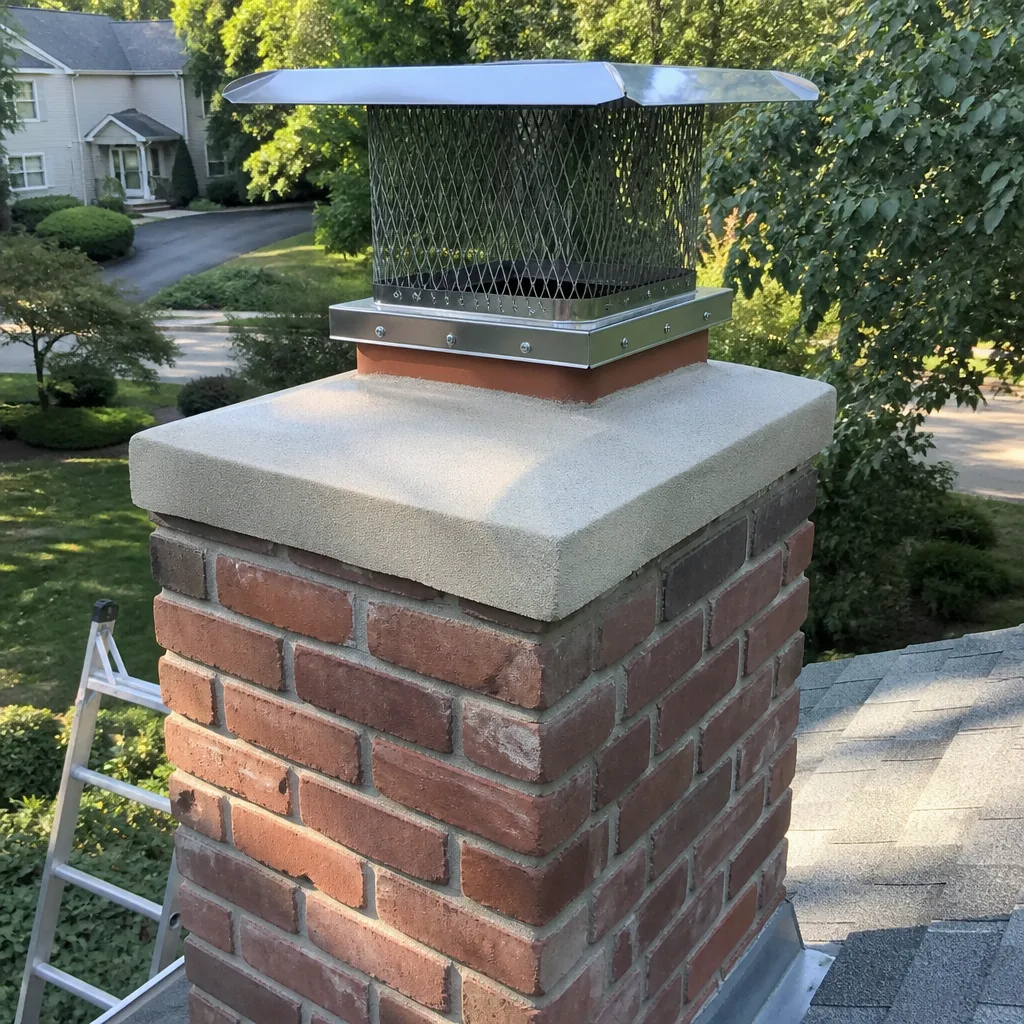 After
After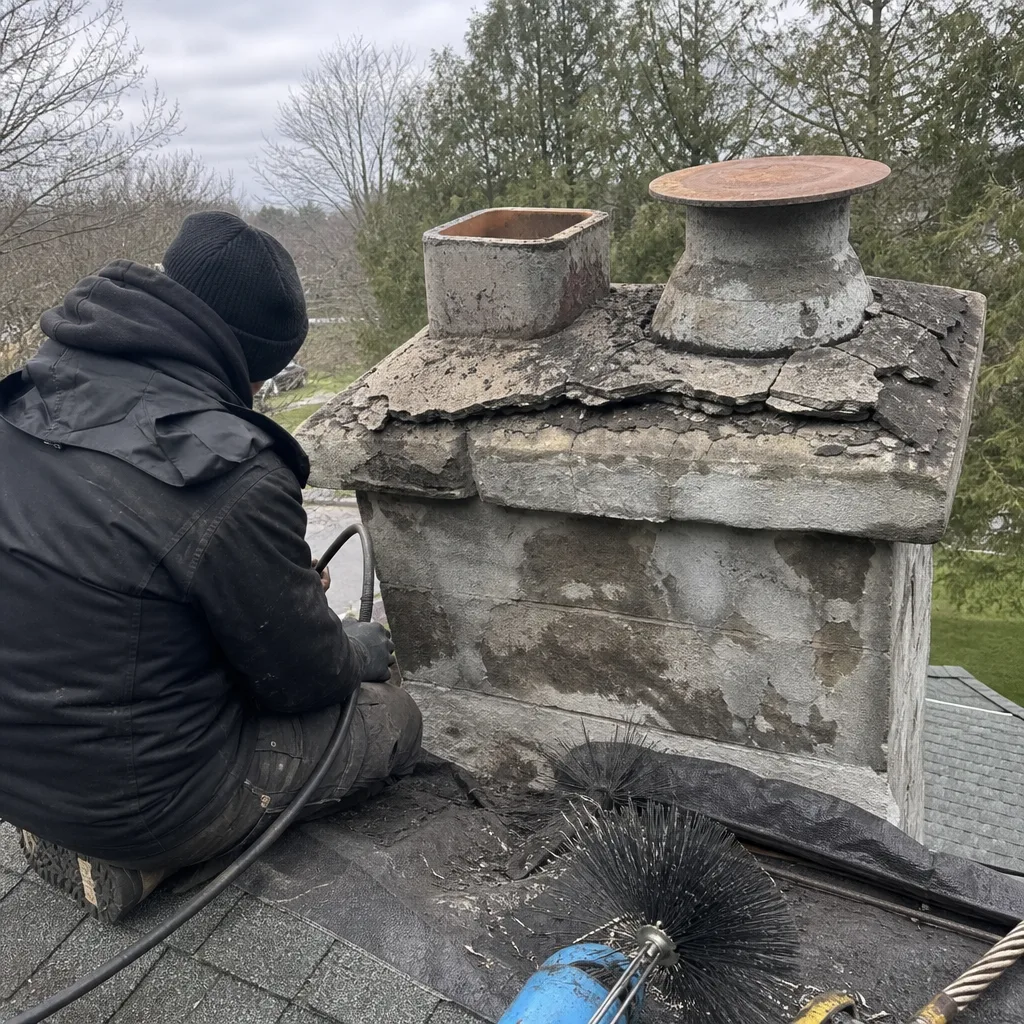 Before
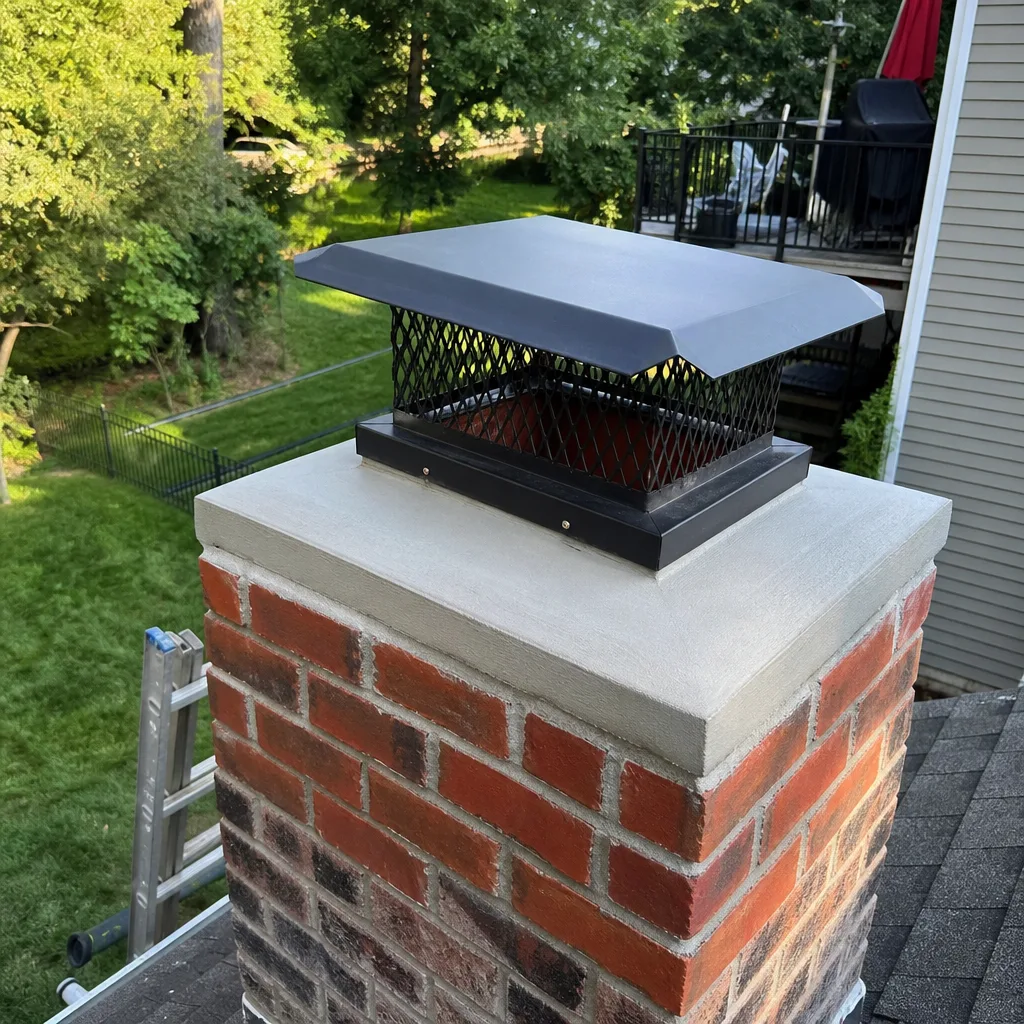 After
After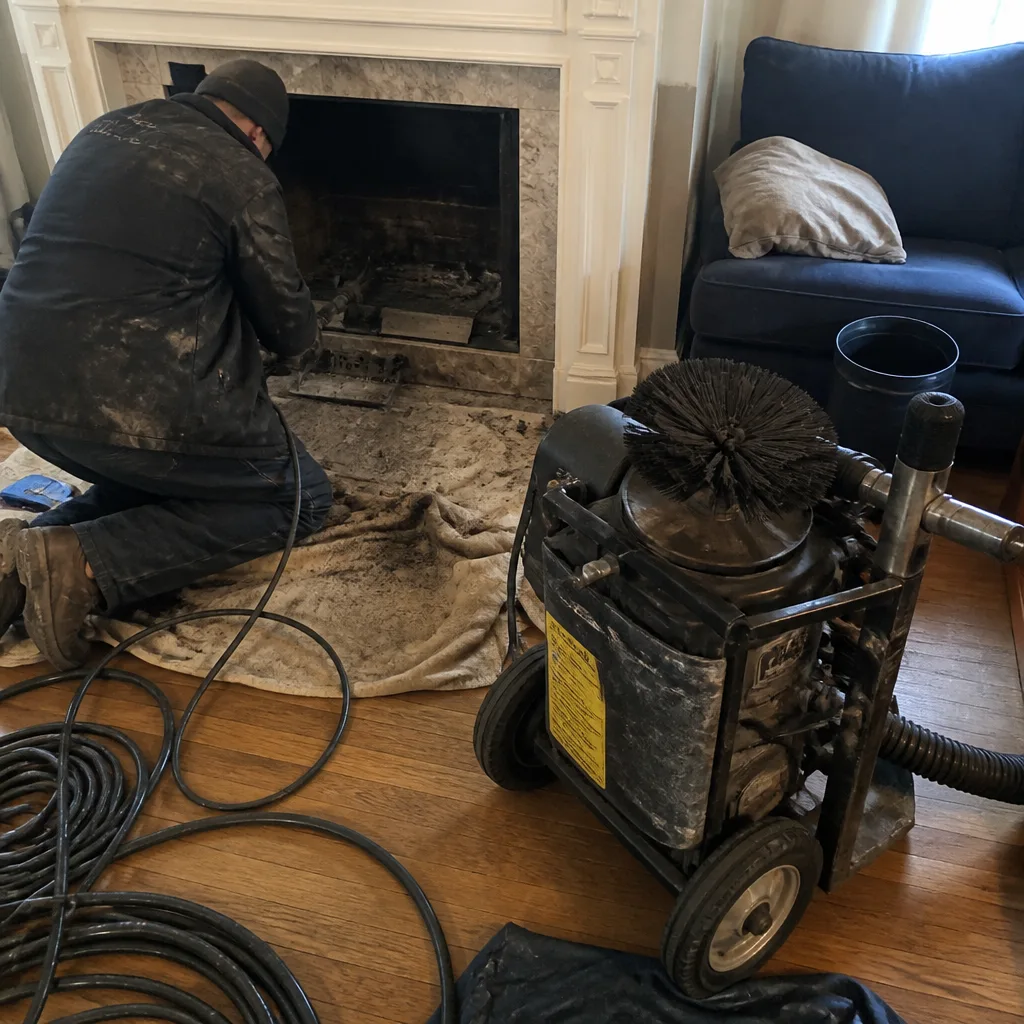 Before
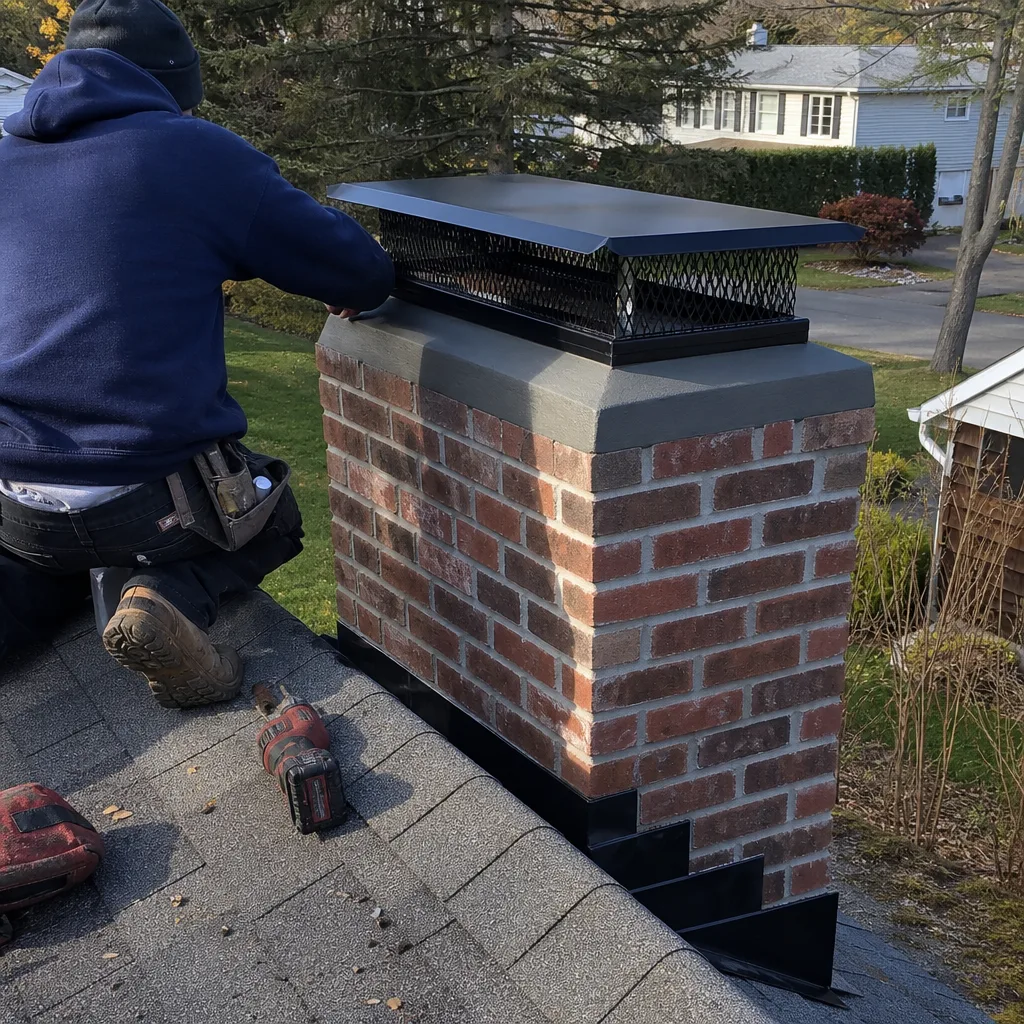 After
AfterChimney Cleaning & Sweep Maintenance Checklist for White Plains Homeowners
Most chimney maintenance checklists online were written by marketing departments, not inspectors. They tell you to “inspect the flue lining” without specifying what a crack measurement of 1/8 inch means versus one that requires relining. They tell you to “check for creosote” without explaining the difference between a light dusting and a Class III glaze that burns like a roman candle. This guide replaces vague items with specific pass/fail thresholds you can verify yourself, before signing off on any Chimney Cleaning & Sweep services in White Plains. We wrote it because we’ve spent 17 years answering the same questions from homeowners who were never given the measurement criteria to judge what they were being told.
Quick Answer
A proper chimney maintenance checklist for White Plains homeowners covers six categories: creosote classification (Stage 1, 2, or 3), flue liner condition (cracks, gaps, spalling), mortar joint integrity (especially after Westchester freeze-thaw cycles), cap and crown fitment, smoke chamber access, and documentation of the sweep visit. Each item has a measurable pass/fail threshold. If your sweep cannot tell you the creosote stage or show you a camera record, you have not received a verifiable cleaning.
Table of Contents
- Creosote Classification: The Measurement That Defines a Cleaning
- Flue Liner Pass/Fail Criteria: Crack Tolerances That Decide Relining
- White Plains Seasonal Triggers: Freeze-Thaw Damage and When It Shows Up
- Cap and Crown: Measurable Gaps That Matter
- What a Standard Sweep Skips: NFPA 211 Level 2 Requirements
- Documenting the Visit Yourself: Photos Before, During, and After
- What the Sweep Should Hand You When They Leave
- Common Mistakes to Avoid
BeforeAfterCreosote Classification: The Measurement That Defines a Cleaning
Every chimney sweep in White Plains should be able to name the creosote stage they found, in the same breath they hand you the invoice. Creosote is not one substance. It is a spectrum, and the wood you burn, the temperature of your fires, and the age of your flue determine where you land on it. Here is the classification system, defined by density and surface texture, not by color:
- Stage 1 Creosote: A light, dusty film you can wipe with a finger. It brushes off with standard sweep techniques. Common in open fireplaces burning seasoned hardwood. Pass/fail threshold: if an entire sweep leaves Stage 1 residue behind, the cleaning was incomplete.
- Stage 2 Creosote: A flaky, granular crust that looks like coffee grounds fused to the flue wall. It requires rotary cleaning or chemical treatment before brushing. Common in wood stoves and fireplaces used as primary heat sources in White Plains winters. Pass/fail threshold: any Stage 2 remaining after a cleaning is a failure.
- Stage 3 Creosote: A hard, glossy glaze that resembles melted glass. It is highly concentrated fuel. It will not come off with a brush, period. Removing it requires rotary chains, chemical glazing breakers, or in severe cases, liner replacement. Pass/fail threshold: if a sweep brushes a Stage 3 flue and calls it clean, they have not cleaned it. Ask to see the after-photos.
In White Plains, we see Stage 2 and Stage 3 more often in older colonials and split-levels in the Highlands and Battle Hill neighborhoods, where fireplaces were built before modern liners became standard and where wood stoves run all winter. The measurement matters because the clean method changes with the stage. A Stage 3 flue is not a “dirtier” flue; it is a different problem requiring different tools.
The American National Standards Institute sets the framework through NFPA 211, which classifies creosote accumulation as a fire hazard and mandates removal when it reaches 1/8-inch thickness in any accessible flue section. That number, 1/8 inch, is your verification threshold. If a sweep says the flue is clean, they should be able to show you an after-photo where no accumulation exceeds that thickness.
Flue Liner Pass/Fail Criteria: Crack Tolerances That Decide Relining
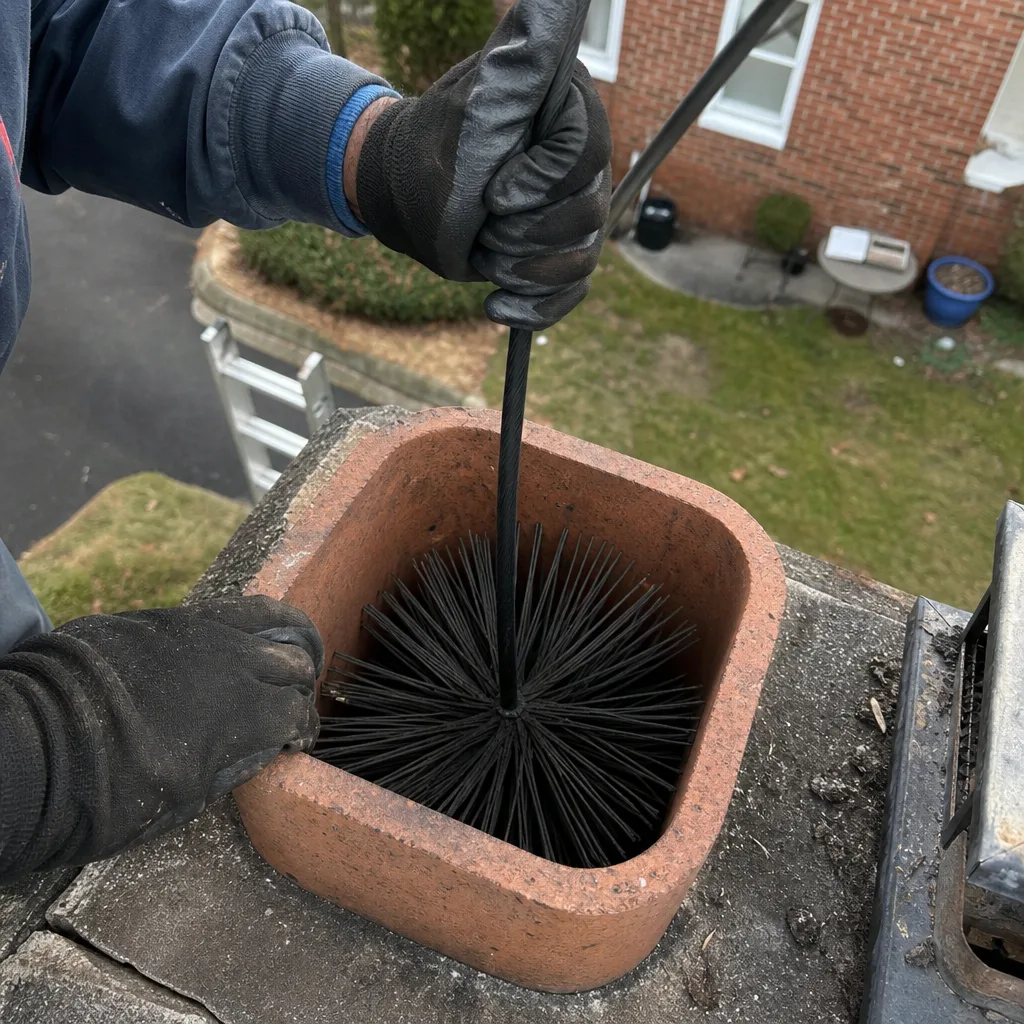
Flue liners crack. Clay tile liners crack more than stainless. The question is never whether a liner has a crack. The question is whether the crack is a hazard or a negotiable condition. Here are the specific thresholds a White Plains homeowner should know:
- Hairline cracks (under 1/16 inch): These are common and often benign. They’re stress marks, typically from thermal movement. They do not, by themselves, require relining. But they should be documented and rechecked annually.
- Cracks between 1/16 and 1/8 inch: This is the decision zone. At this width, combustion gases and moisture can penetrate the liner and reach the masonry surrounding it. The flue is not imminently dangerous, but it is degrading. Repair options, like HeatShield resurfacing, become worth discussing.
- Cracks over 1/8 inch, or any visible offset or separation: This liner has failed its function. Gases, heat, and moisture are moving into the chimney structure. This is a reline, not a patch. Continuing to burn is a risk with no upside.
- Spalling (flaking or peeling of liner surface): Any spalling visible on camera means the liner is actively shedding material. It is always a fail. The question is not if a reline is needed, but how soon.
What does this mean in practice? If a sweep tells you the liner has a crack and needs replacement, ask for one thing: the camera footage or a photo with a measurement reference. A crack is a fact with a dimension. If they cannot show it to you, you are taking their word on a multi-thousand-dollar decision. In our experience across White Plains, from the condos on Mamaroneck Avenue to the single-families near the Saxon Woods border, the flues most likely to fail are the ones that have never been camera-inspected. The damage accumulates quietly.
White Plains Seasonal Triggers: Freeze-Thaw Damage and When It Shows Up
White Plains sits in a freeze-thaw zone that punishes masonry. Water enters micro-cracks in mortar joints during autumn rain or snow melt, then freezes and expands by roughly 9% in volume. That expansion pries the joint wider. The cycle repeats every time temperatures cross the freezing line, which happens dozens of times each winter in Westchester County.
The damage follows a predictable calendar:
- November: Pre-existing hairline cracks begin holding water. No visible change yet.
- December-January: Freeze cycles start working. Joints widen. Spalling begins on the exterior chimney face.
- February-March: Thaw cycles reveal what happened. Crumbled mortar on the roof or hearth, white efflorescence staining on the brick face, and in bad cases, visible brick displacement.
- April: The damage is visible to the naked eye. This is when most White Plains homeowners notice and call.
What should you be checking for each November, before the real cold lands? Loose or missing mortar joints on the chimney exterior. Gaps where the chimney meets the roof, known as the cricket. Rust stains near the cap, which mean water is getting where it should not be. Efflorescence, the white chalky deposit that means water is moving through the masonry and carrying soluble salts to the surface. Any of these mean moisture is already at work, and the freeze cycle will amplify it before March.
This is also why fall is the right time for a sweep in White Plains, not spring. A fall cleaning clears the flue of last season’s creosote before the burn season, and it puts eyes on the masonry before the freeze-thaw cycle does its worst. Find more on our Chimney Cleaning & Sweep in White Plains page about how we handle fall scheduling.
Cap and Crown: Measurable Gaps That Matter
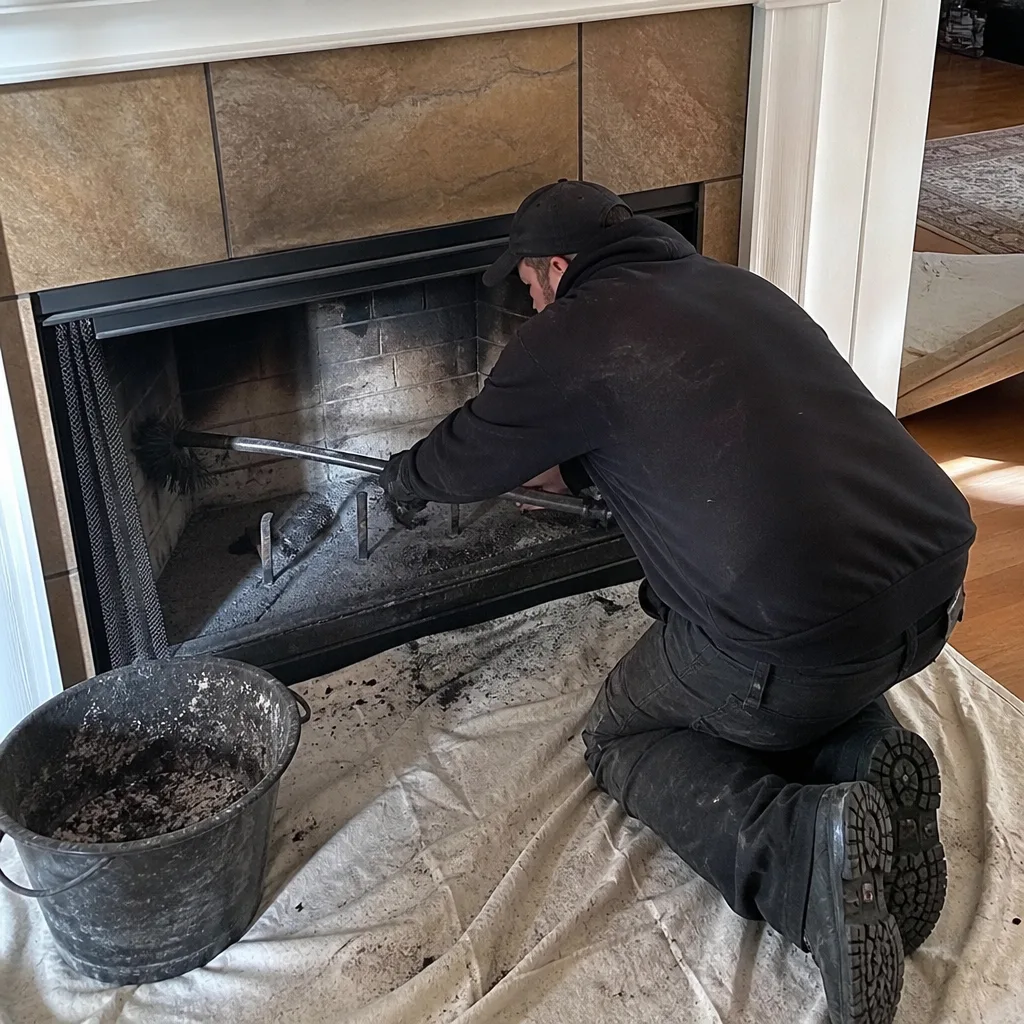
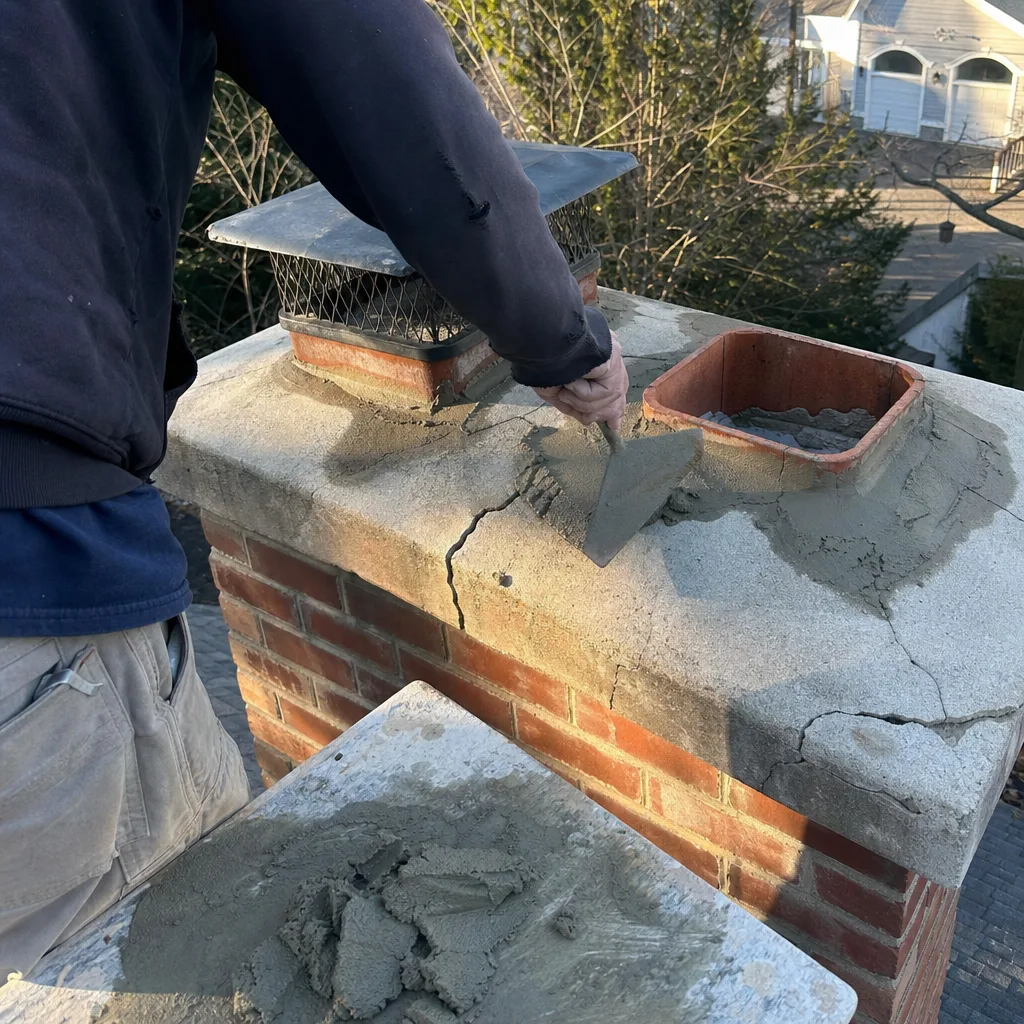
The chimney crown is the concrete slab that caps the masonry at the top. The chimney cap is the metal screen and roof that sits over the flue opening. Both protect against water, animal entry, and downdrafts. Both fail in measurable ways.
Crown pass/fail thresholds:
- Hairline cracks in the crown (under 1/16 inch): Expected. A crown is concrete, and concrete cracks. These are not urgent.
- Cracks over 1/8 inch, or visible crumbling at the edges: Water is getting through to the masonry below. The crown needs sealing or replacement.
- Missing crown entirely: This is common on older White Plains homes, particularly pre-1950 construction in the Battle Hill area. Without a crown, brick absorbs water directly, and freeze-thaw destroys the top four to five courses over a few winters.
Cap pass/fail thresholds:
- Any gap between the cap and the flue tile over 1/4 inch: Squirrels, raccoons, and birds use smaller openings. A 1/4-inch gap is an invitation.
- Visible rust through the cap mesh: The mesh has failed. Replace it, or accept that animals and debris have access.
- No cap at all: In White Plains, the oak and maple canopy means leaves and twigs fall directly into uncapped flues. We pull handfuls of maple helicopters out of uncapped flues every October.
Our Fireplace Services in White Plains page covers cap installation and replacement specifics, including sizing for older flue tiles that don’t match modern cap dimensions.
What a Standard Sweep Skips: NFPA 211 Level 2 Requirements
A basic sweep, sometimes called a Level 1 inspection, covers the accessible portions of the flue and appliance. It is a cleaning, not an inspection. NFPA 211 Level 2 is a different standard, and it requires inspection of areas most sweeps skip. Here is what gets missed on a standard sweep and why it matters in White Plains specifically, as covered in our Complete Guide to Chimney Cleaning in White Plains:
- The smoke chamber. This is the funnel-shaped transition area above the damper and below the flue. It is one of the hottest parts of the system during a fire and one of the most difficult to inspect. A Level 2 requires camera assessment of the smoke chamber. In White Plains, we find cracked parging in roughly a third of smoke chambers we camera, including in recently built homes where the original mortar was thin.
- Accessible attic sections. The flue passes through the attic in most White Plains houses. Heat radiates there, and if the liner has any gap or crack, heat exposure to framing is a fire risk. A standard sweep never looks. Level 2 requires it.
- Connector pipe joints. In wood stove installations, the connector pipe between stove and flue is a common failure point. Joints separate, screws loosen, creosote leaks at seams. A Level 2 checks every accessible joint.
- Clearances to combustibles. Level 2 verifies that nothing flammable sits within required clearances of the chimney structure. In attics and enclosed chases, this routinely fails because storage boxes get pushed against the chimney over the years.
If you are buying a home in White Plains, selling one, or have never had a Level 2 inspection, the camera scan is not optional. It is the only way to see what’s inside a structure you cannot open. Our Level Two Chimney White Plains home page explains how our camera-scan practice has worked since 2009, before insurers or regulators asked for it.
Documenting the Visit Yourself: Photos Before, During, and After
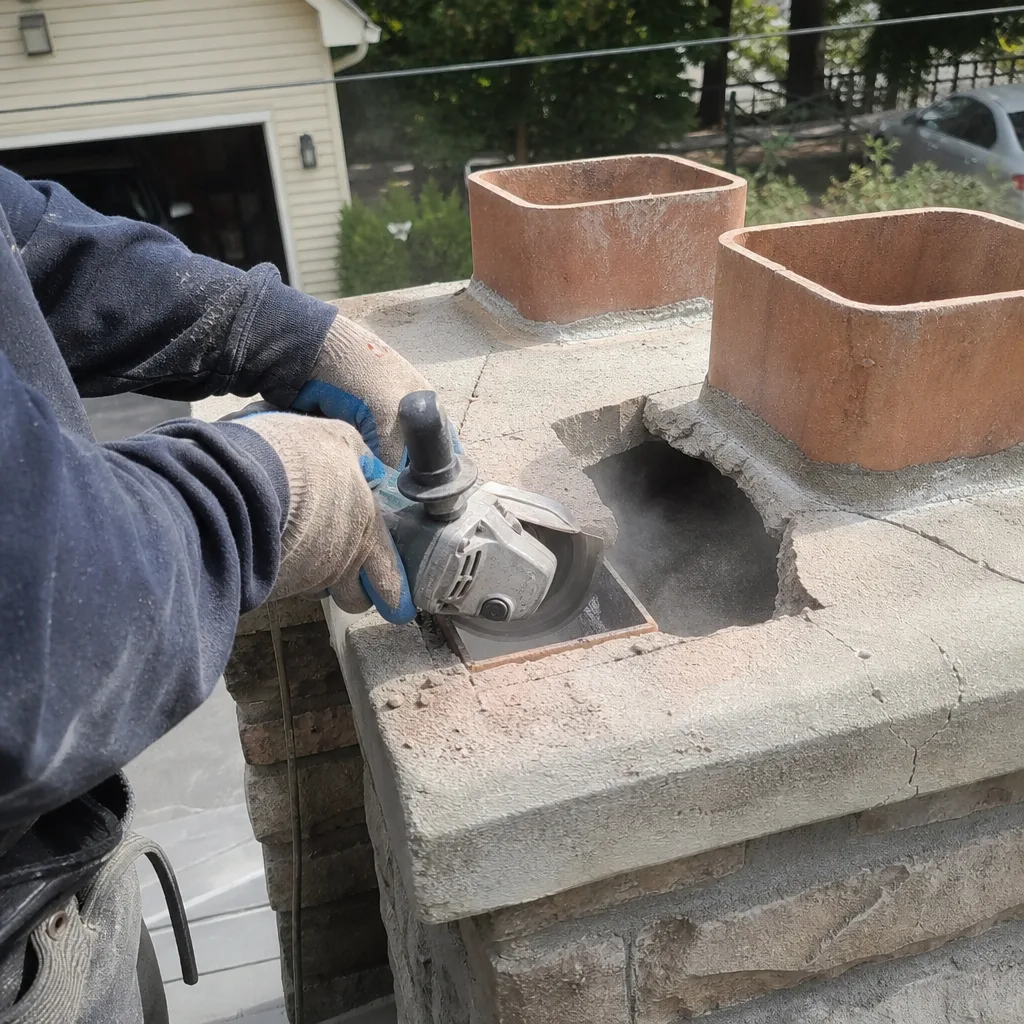
You should leave a chimney cleaning with more than a receipt. You should have a photographic record that gives you a baseline for next year. Here is exactly what to photograph, when to photograph it, and why:
Before the sweep arrives:
- Exterior chimney from ground level. This captures the mortar joints, cap, and crown condition as a baseline.
- Interior firebox with flash. Show the damper position, any visible debris, and the smoke chamber area if reachable.
- Any stains, efflorescence, or spalling you have noticed. Date stamp the photo.
During the sweep visit:
- The sweep’s equipment setup. This shows brushes, rotary tools, vacuum, and whether drop cloths were used.
- The camera screen when the sweep is running the scan. This is your chance to see what they see. Ask them to pause on any areas of concern and photograph the screen.
- Any finding they flag: a crack, a glaze patch, a gap. Photograph it on the screen with their explanation.
After the sweep leaves:
- The firebox and hearth. Clean ash should be gone or minimal.
- The exterior chimney again, same angle as your before photo.
- Any repair recommendation in writing, photographed and filed with your before photos.
The point of this record is not to catch anyone doing something wrong. It is to give you a verifiable history. When you compare last year’s crack photo to this year’s, you know exactly how fast a condition is progressing. That is information a marketing blog cannot give you.
What the Sweep Should Hand You When They Leave
A professional chimney cleaning in White Plains should end with written documentation. Not a verbal summary. Not a text. A document. Here is what it should include:
- Written findings: What was found, where, and in what condition. This includes the creosote stage, liner observations, cap and crown condition, and any smoke chamber notes. Vague language like “flue looked okay” is not a finding.
- Written price paid: The amount you paid, the date, and what the price covered. This is clause one of the Haven Standard: a written price before work starts, not a surprise invoice after the tech is in your driveway.
- Written warranty scope: What is covered, for how long, and what voids it. If the sweep offers a guarantee, it must be in writing with terms. The 365-Day Done Right Promise we operate under requires a written scope on every job.
- Camera footage or photos: The photo record from the scan. This is Clause 4 of the Haven Standard. If the sweep ran a camera, you should be able to see what it saw. If they did not run a camera, you did not receive a Level 2 inspection.
- Recommendations with measurements: If relining is recommended, the written finding should say why, with the crack width or damage description. If a repair can wait, the document should say so plainly, with the recheck interval.
We source our materials, including components from Copperfield and Famco, through a buying network that keeps customer prices honest, because a written price only matters if the price is sane. Learn more about how we handle repairs and documentation on our Chimney Repair in White Plains page.
Common Mistakes to Avoid
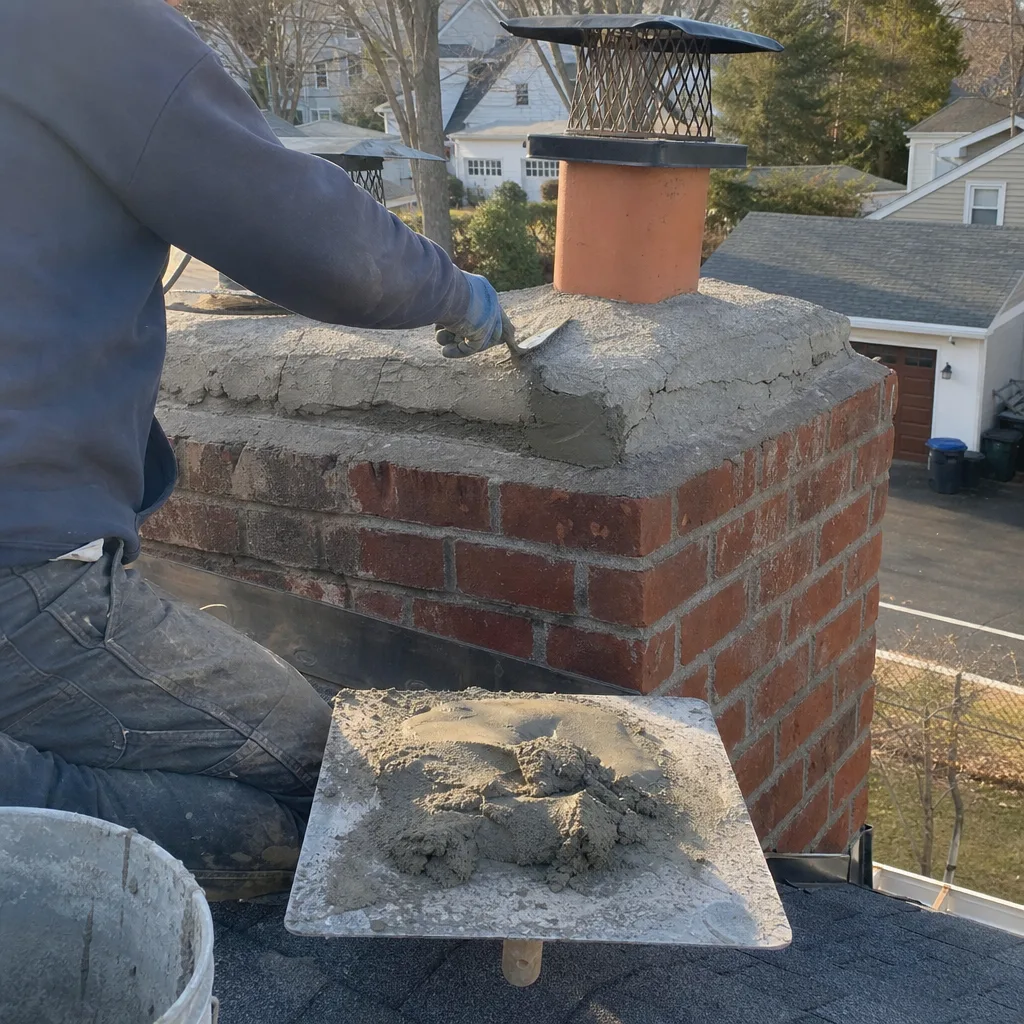
- Accepting “it’s clean” without seeing a photo. Clean is a measurement, not an opinion. If the sweep cannot show you the after-photo, you have no way to verify the work. Ask for the image.
- Skipping the smoke chamber on an older White Plains house. The smoke chamber is where heat concentrates and where cracks hide. A sweep that never looks there is doing half a job. This is particularly true in pre-1975 construction, where parging mortar has had decades to degrade.
- Ignoring efflorescence as “just salt.” That white staining on the brick face means water is moving through the masonry. It is not cosmetic. Left alone through a White Plains winter, it becomes spalling and then structural damage.
- Waiting until the first cold week to schedule a sweep. Every sweep in Westchester books out in October. The first freeze arrives in November. A sweep scheduled in December is a sweep competing with chimney fire reports for attention.
- Burning unseasoned wood and calling the Stage 3 glaze “bad luck.” Wet wood produces more creosote, colder fires, and faster glaze formation. Seasoned hardwood, split and stacked for 12 months minimum, costs less than a reline.
- Accepting a verbal quote for relining. A reline is a $3,000 to $8,000 decision in White Plains. Verbal quotes are not quotes. Get the price, the scope, and the warranty in writing before anyone touches the flue.
- Not photographing the chimney when you move in. Your baseline photo series takes ten minutes and gives you a reference point for every future inspection. In five years, you will know exactly what changed.
When to Call a Professional
Call a professional when you see Stage 2 or Stage 3 creosote, any crack over 1/8 inch in the liner or crown, any spalling, visible efflorescence that persists after cleaning, or when you have not had a camera inspection in three years. Also call if you smell smoke in the house after a fire, hear animals in the chimney, or see water stains on the ceiling near the chimney-these are all Chimney Cleaning Warning Signs: A White Plains Homeowner’s Reference Guide recommends acting on quickly. These are not maintenance items. They are conditions that need a measurement and a recommendation. Level Two Chimney White Plains offers free estimates in White Plains, with a written price before any work starts. Call (914) 350-5204.
Frequently Asked Questions
A standard chimney sweep in White Plains typically runs $180 to $340, depending on flue condition, creosote stage, and whether you have one flue or two. A Level 2 camera inspection adds $75 to $150 to the visit. Relining runs significantly more, $3,000 to $8,000 depending on the liner and the flue size. We always provide a written price before work begins. Call (914) 350-5204 for a free estimate for your specific chimney.
NFPA 211 recommends annual inspection and cleaning when accumulation reaches 1/8 inch in the flue. If you burn more than a cord of wood per season, or use the fireplace as your primary heat source, you likely need a sweep every year. Light-use fireplaces can go two years, but the camera inspection should still happen annually to catch freeze-thaw damage before it compounds.
Stage 2 or Stage 3 creosote accumulates until it becomes fuel for a chimney fire. A chimney fire reaches temperatures that crack clay liners, warp stainless, and in the worst cases, spread to the roof structure. At minimum, you are looking at a reline instead of a sweep. At worst, a structure fire. The sweeps are cheaper than the alternative.
Ask for the camera photo with a measurement reference. If the crack is under 1/8 inch with no offset, a reline may be premature, and resurfacing options like HeatShield are worth discussing. If the crack is over 1/8 inch, if there is spalling, or if the liner has separated, the liner has failed and no cleaning fixes it. The photo answers the question. We will always show you the image before recommending anything.
There is no Westchester County statute requiring chimney cleaning on a fixed schedule, but most homeowners insurance policies require “reasonable maintenance” and will deny claims for chimney fires where creosote accumulation or deferred maintenance is the cause. Keep your sweep documentation. It is your proof of maintenance.
A Level 1 is the basic sweep and visible inspection of accessible flue surfaces. A Level 2 is a camera scan of the entire flue, smoke chamber, and accessible attic sections, required for property transfers, after fires, and after any changes to the system. We have made Level 2 camera scanning the default on every job since 2009, with the photo record included under Clause 4 of the Haven Standard.
The Bottom Line
A chimney maintenance checklist is only as good as the measurements attached to it. Creosote is classified by stage. Liners fail at crack widths you can see and verify. Freeze-thaw in White Plains attacks mortar on a predictable seasonal calendar. The difference between a $250 sweep and a $5,000 reline often comes down to whether someone looked closely, documented what they saw, and told you the truth in writing. Demand the photos. Demand the measurements. Demand the written price before work starts. Your chimney has nothing to hide, and neither should the company working on it.
Written by Corrine Halstead, Owner at Level Two Chimney White Plains, serving White Plains since 2009.