
Level 1 sweep and inspection to the NFPA 211 annual standard - flue, crown, cap, and flashing checked and photographed
Chimney sweep logs do not sweep chimneys. They loosen some creosote - which then falls where a brush and vacuum still have to collect it.
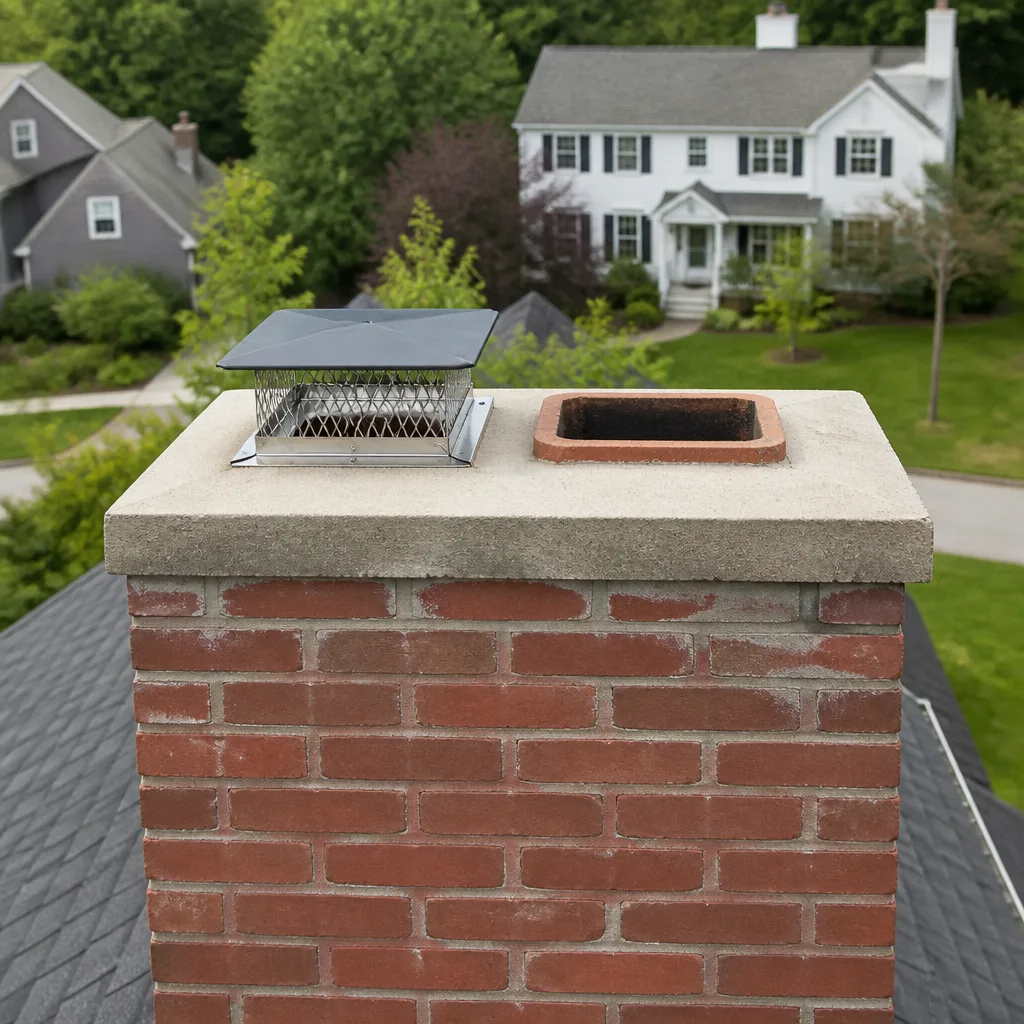
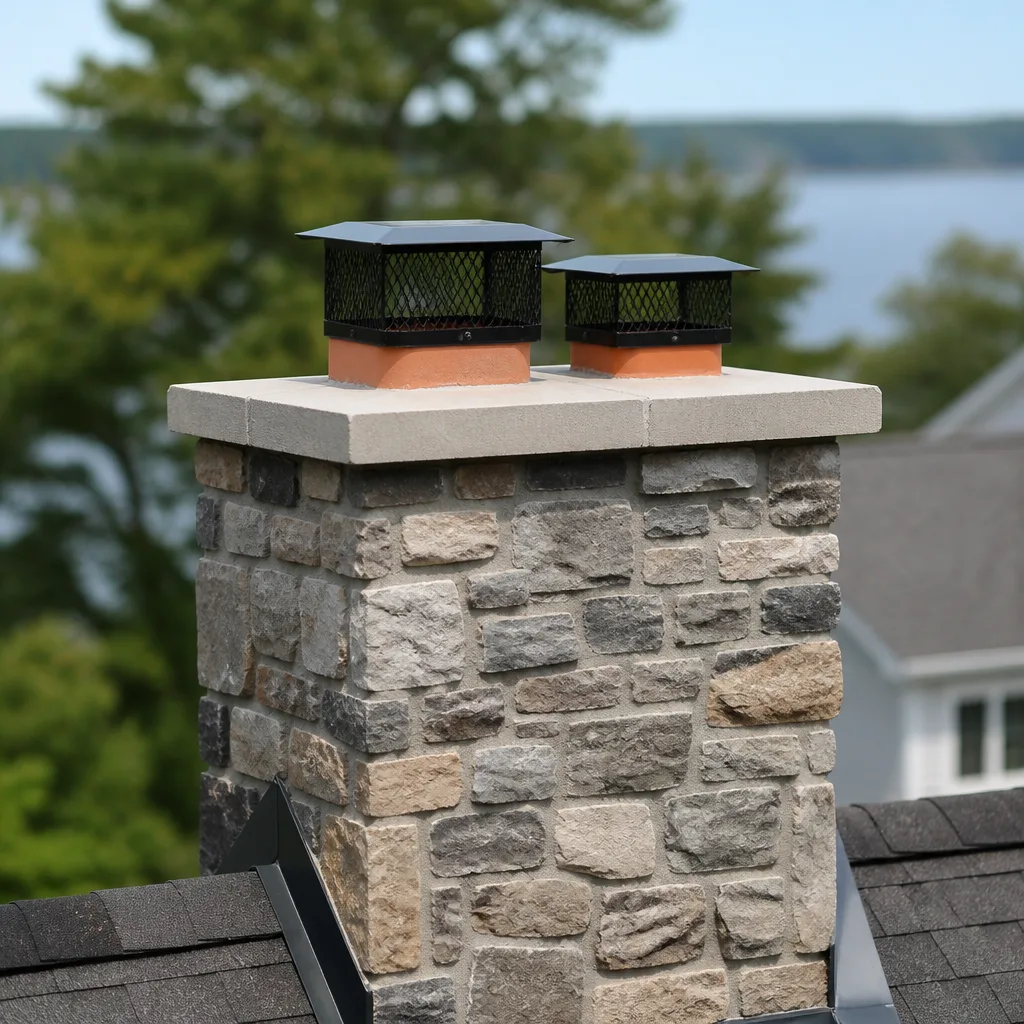
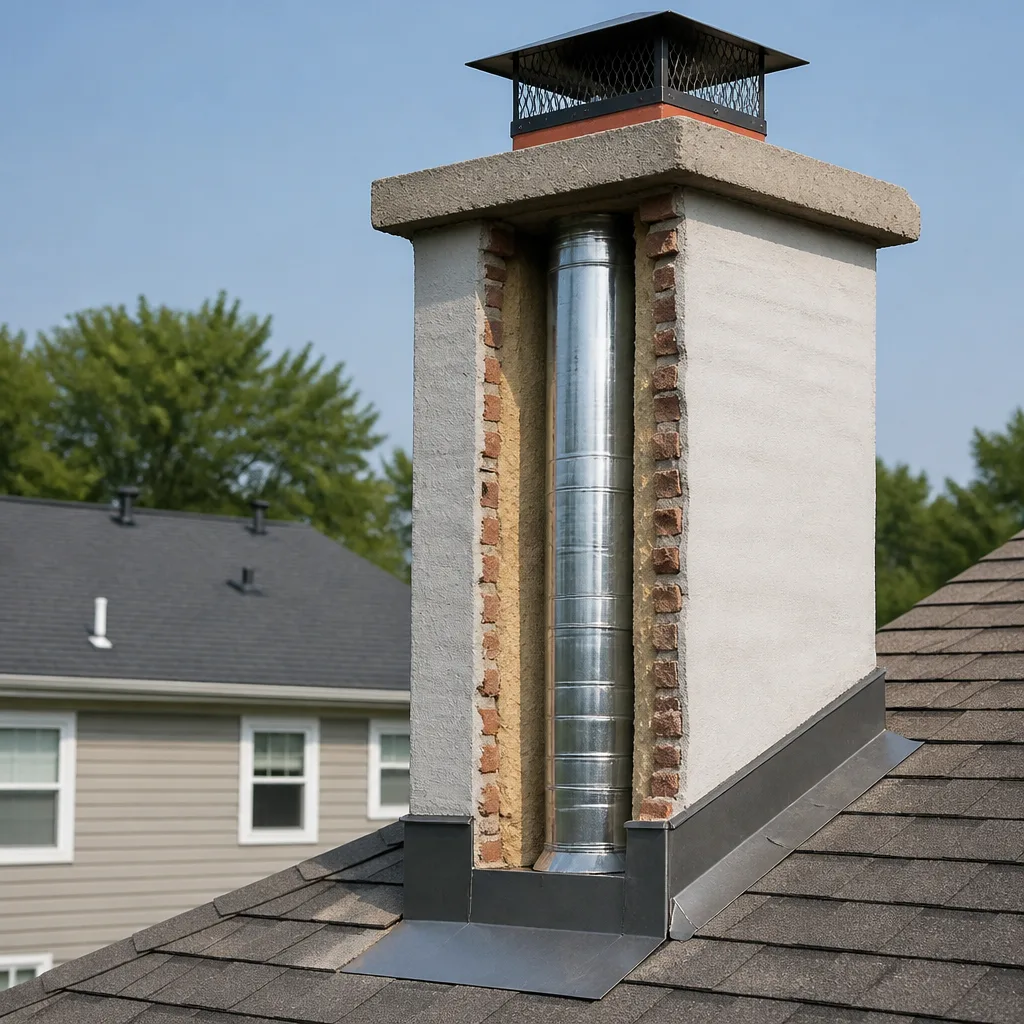
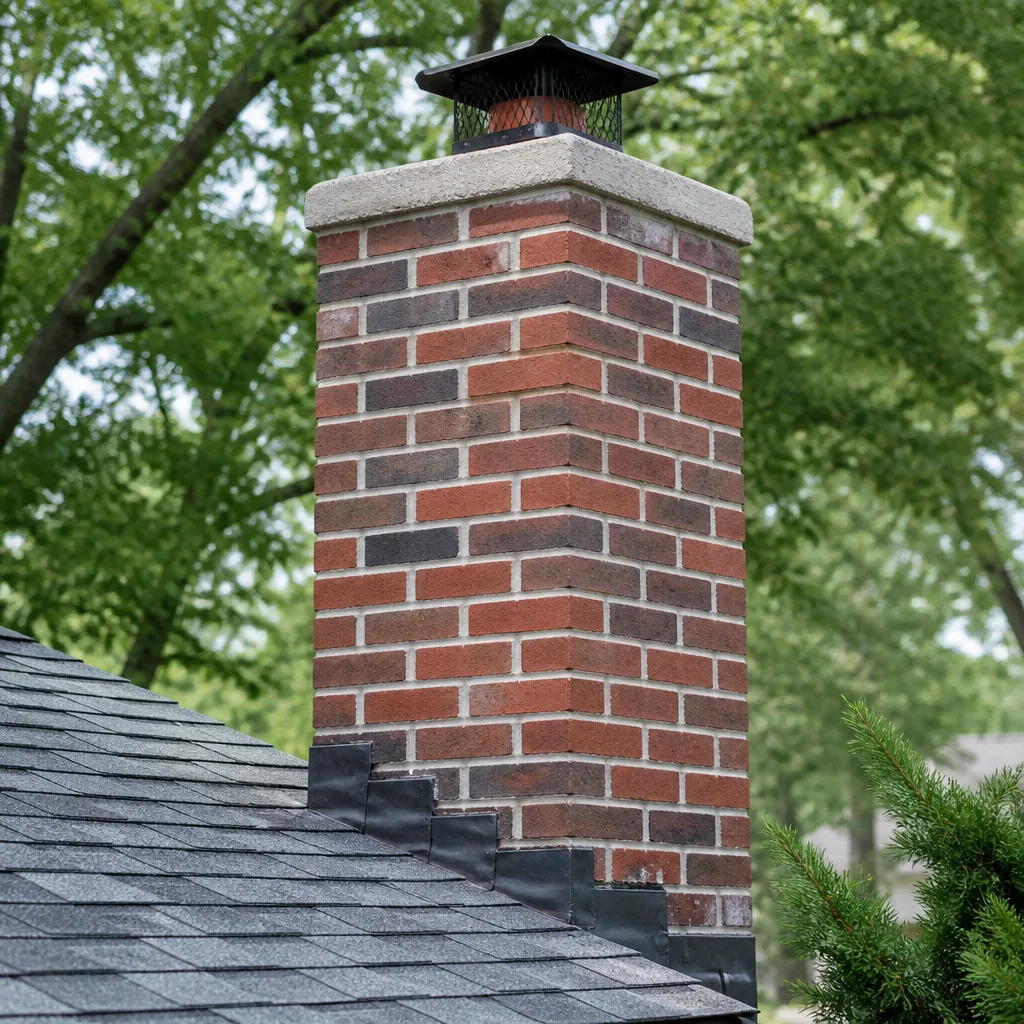
 Before
 After
After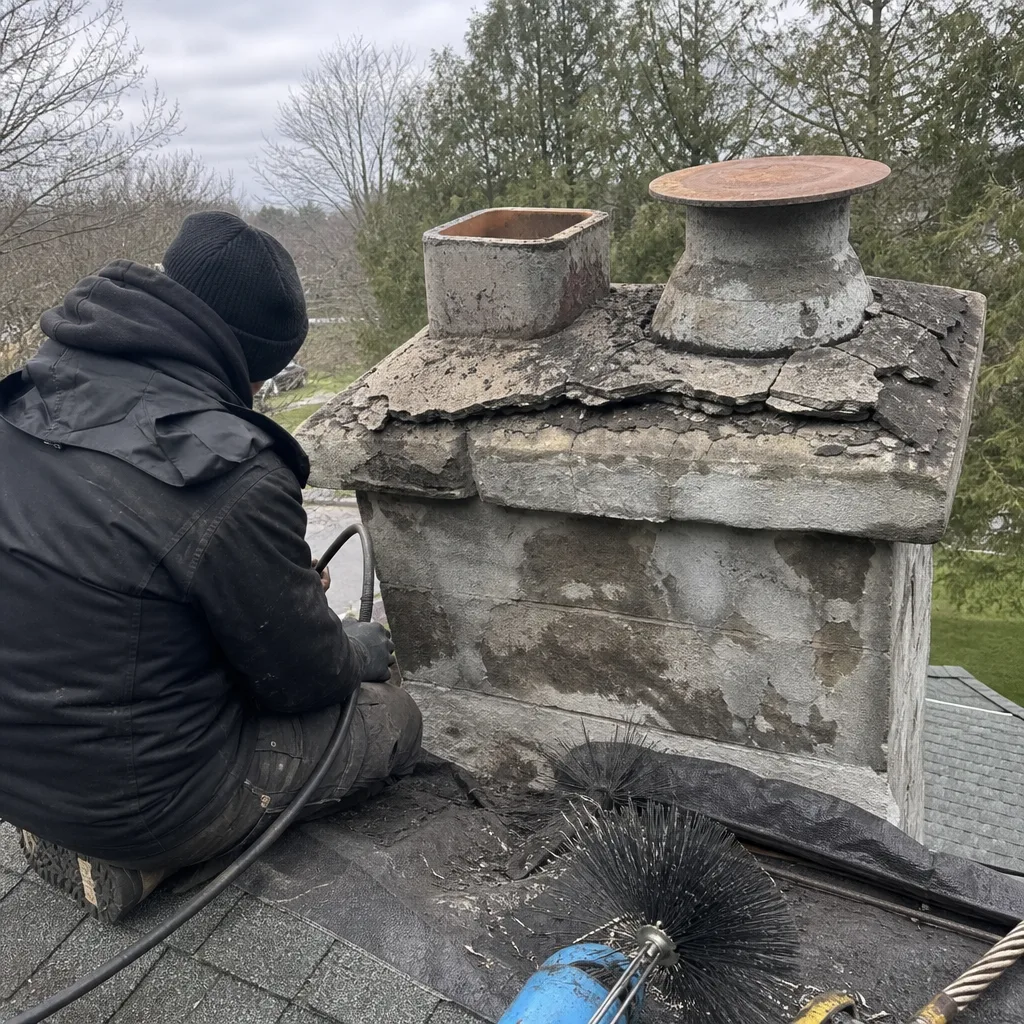 Before
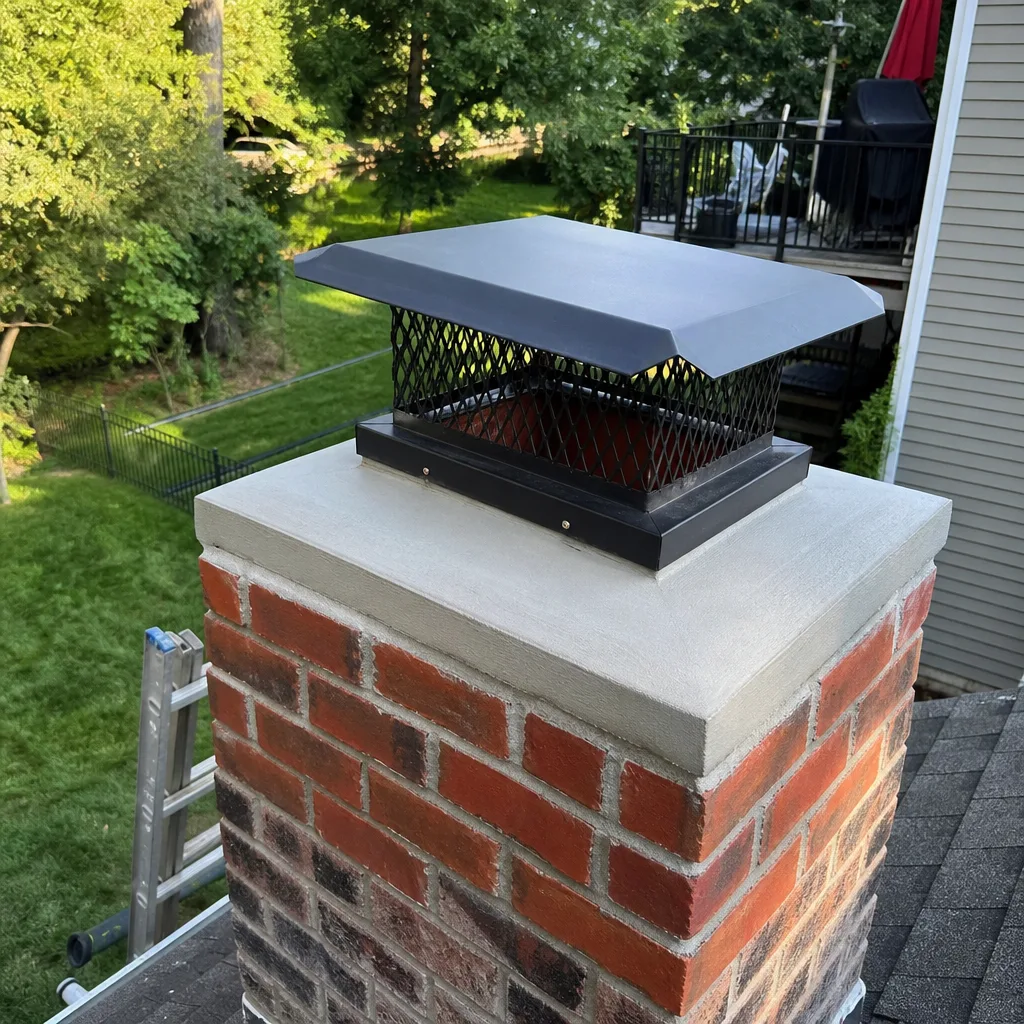 After
After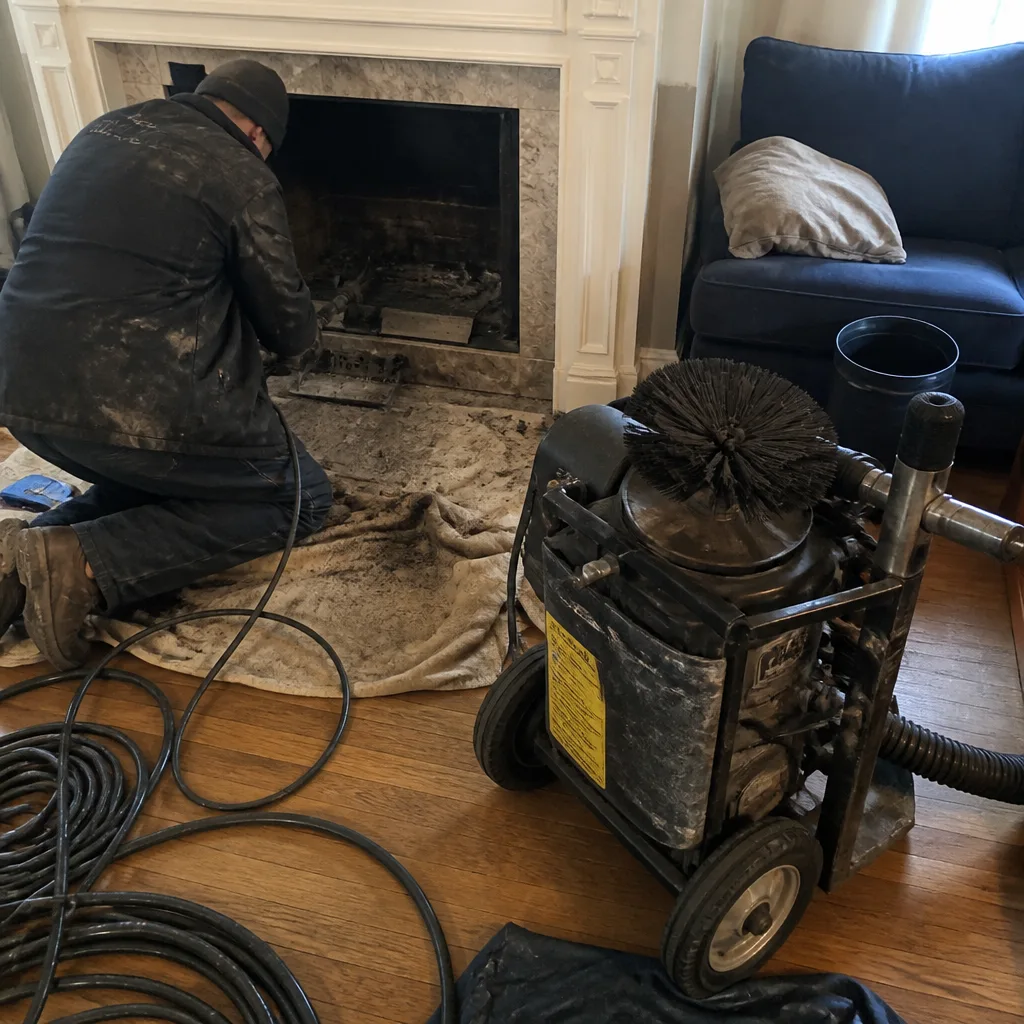 Before
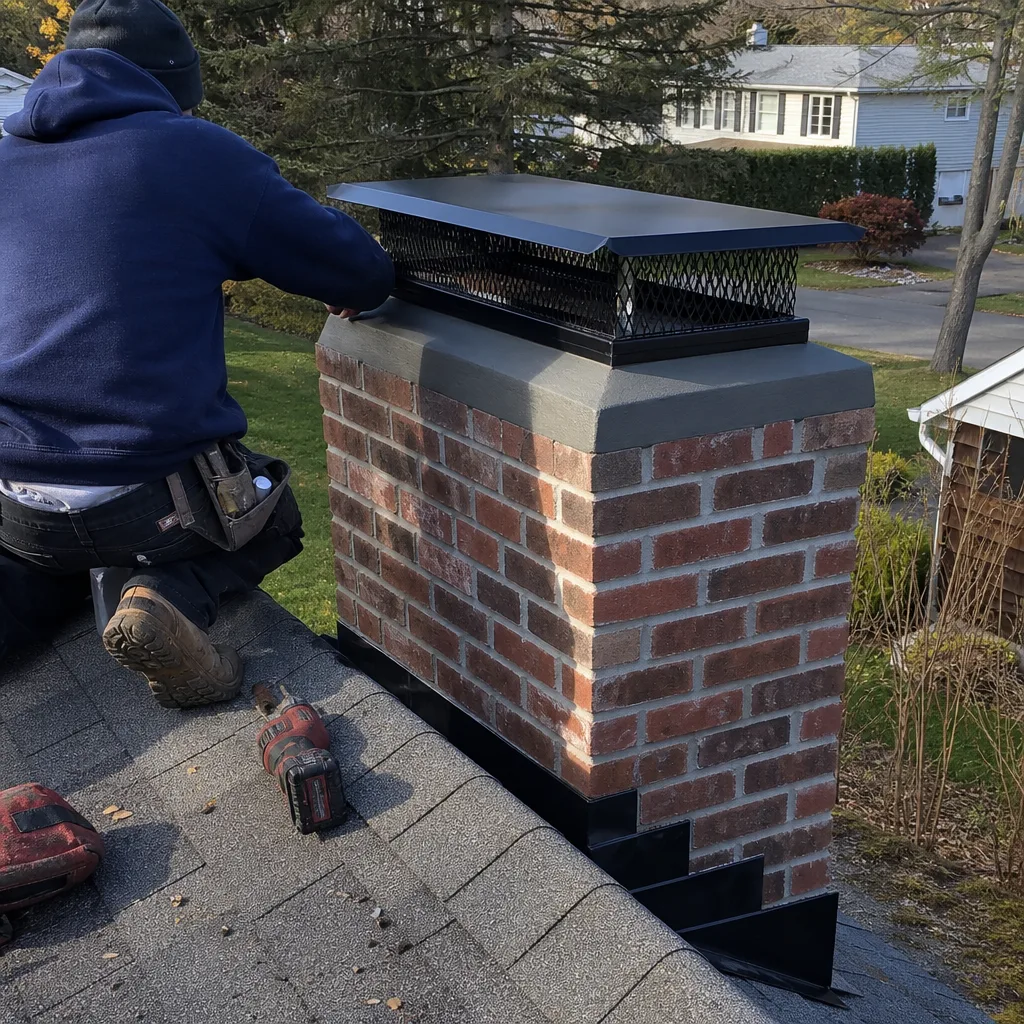 After
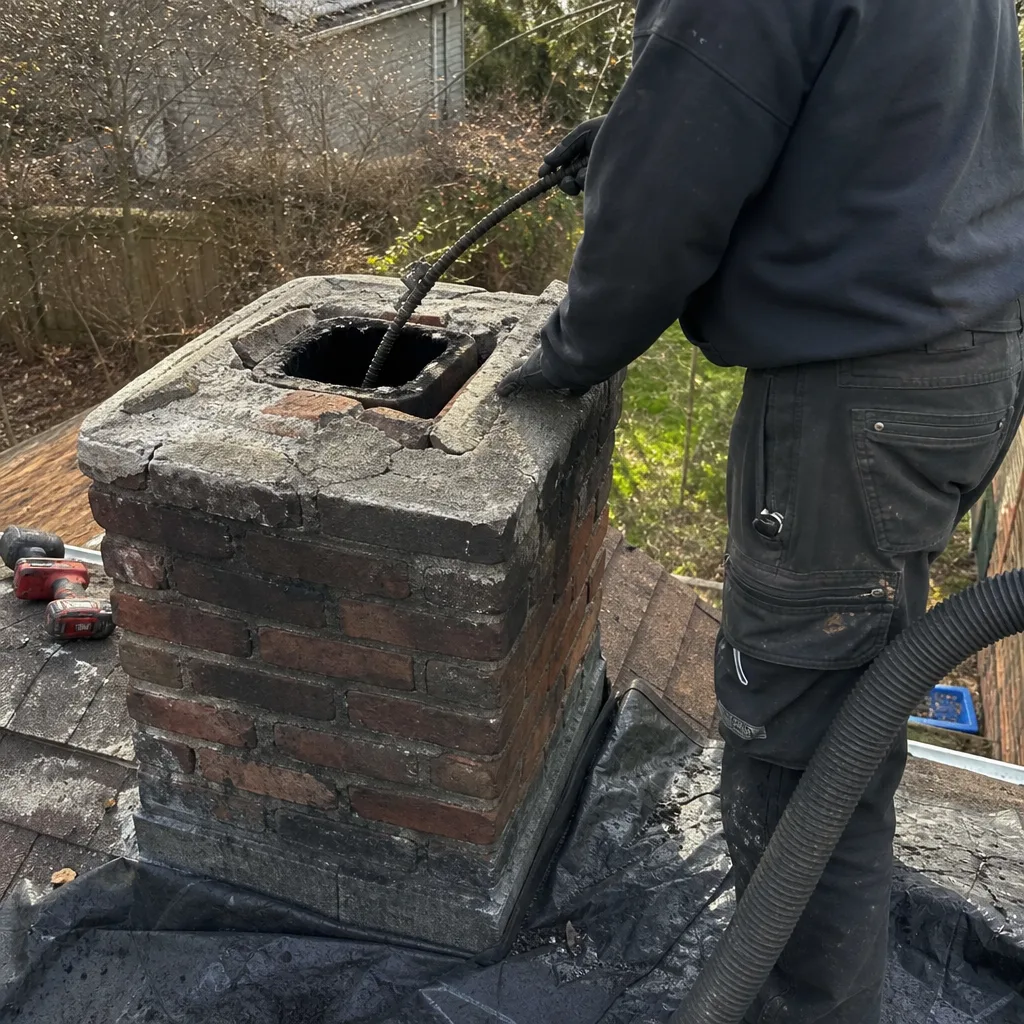
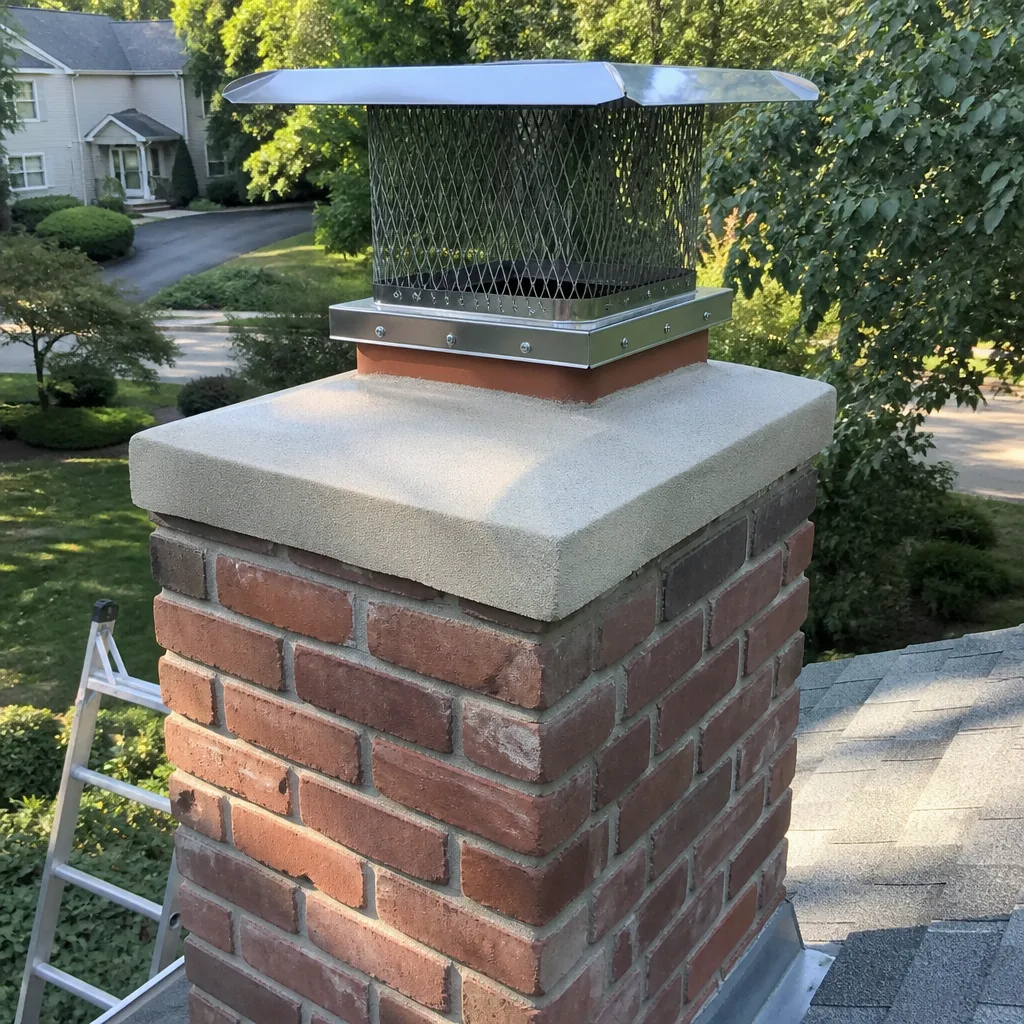
AfterSpalling Brick Repair in White Plains, NY
Spalling brick repair in White Plains typically costs between $400 and $2,800 depending on how many courses are affected and whether the chimney crown or mortar joints need repointing at the same time. Most jobs we see in Westchester County are completed in a single visit, with written pricing delivered before anyone picks up a trowel.
Spalling is what happens when water gets into the face of a brick, freezes, and forces a layer of the brick surface to crack or flake off. White Plains sits in a freeze-thaw corridor that sees dozens of hard cycles every winter – bricks that looked fine in October can be visibly damaged by March. Once spalling starts, it accelerates. A brick that has lost its face is now porous where it used to be dense, and the next freeze cycle does more damage than the last one did.
At Level Two Chimney White Plains, we’ve been working on chimneys under the Haven Standard since 2009, and spalling is one of the most common findings our camera-scan inspections turn up in this area. We document what we find with photos before quoting anything, and we put the price in writing before any work starts. That’s not a sales pitch – it’s how we’ve run every one of our 38,000-plus inspections. If you’re seeing chunks of brick on your roof or around the chimney base, call us at (914) 350-5204 and we’ll tell you exactly what you’re dealing with.
Spalling brick repair is one part of the broader Chimney Repair in White Plains work we do year-round, and it connects directly to chimney crown integrity, flashing condition, and waterproofing – all of which feed into whether the repair holds long-term.
When You Need Spalling Brick Repair
- Brick faces flaking or popping off the chimney stack. If you find curved fragments of brick face on the roof or at the base of your chimney, spalling is already in progress. The longer those bricks stay exposed, the faster they deteriorate through each freeze cycle.
- Red or orange granular debris in gutters or on the roof deck. In neighborhoods like Battle Hill and Fisher Hill, where older colonials and Tudors have chimneys that predate modern water-resistant mortars, this grit is often the first sign that bricks are actively shedding.
- White staining (efflorescence) on the chimney exterior. Efflorescence is mineral salt left behind when water moves through masonry and evaporates on the surface. It signals that water is already migrating through the brickwork – spalling often follows within one or two more winters.
- Visible cracks running across the brick face rather than through the mortar joints. Cracks through mortar are a repointing problem. Cracks across the brick face itself indicate the brick structure is compromised and individual units will need to be cut out and replaced.
- Mortar joints that are recessed more than a quarter inch. When mortar pulls back that far, water channels directly into the joint and into the brick behind it. In White Plains, where clay brick was common through the mid-20th century, saturated joints are a reliable predictor of spalling on the next freeze cycle.
- A previous repair that used the wrong mortar mix. This is more common than most homeowners realize. Portland cement-heavy mortars applied to older brick are harder than the brick itself, which means the brick cracks before the mortar does under expansion stress. We regularly see this in re-pointed chimneys in the Castle Heights and Gedney Farm areas where patch jobs from the 1990s are now causing fresh spalling.
Our Spalling Brick Repair Process
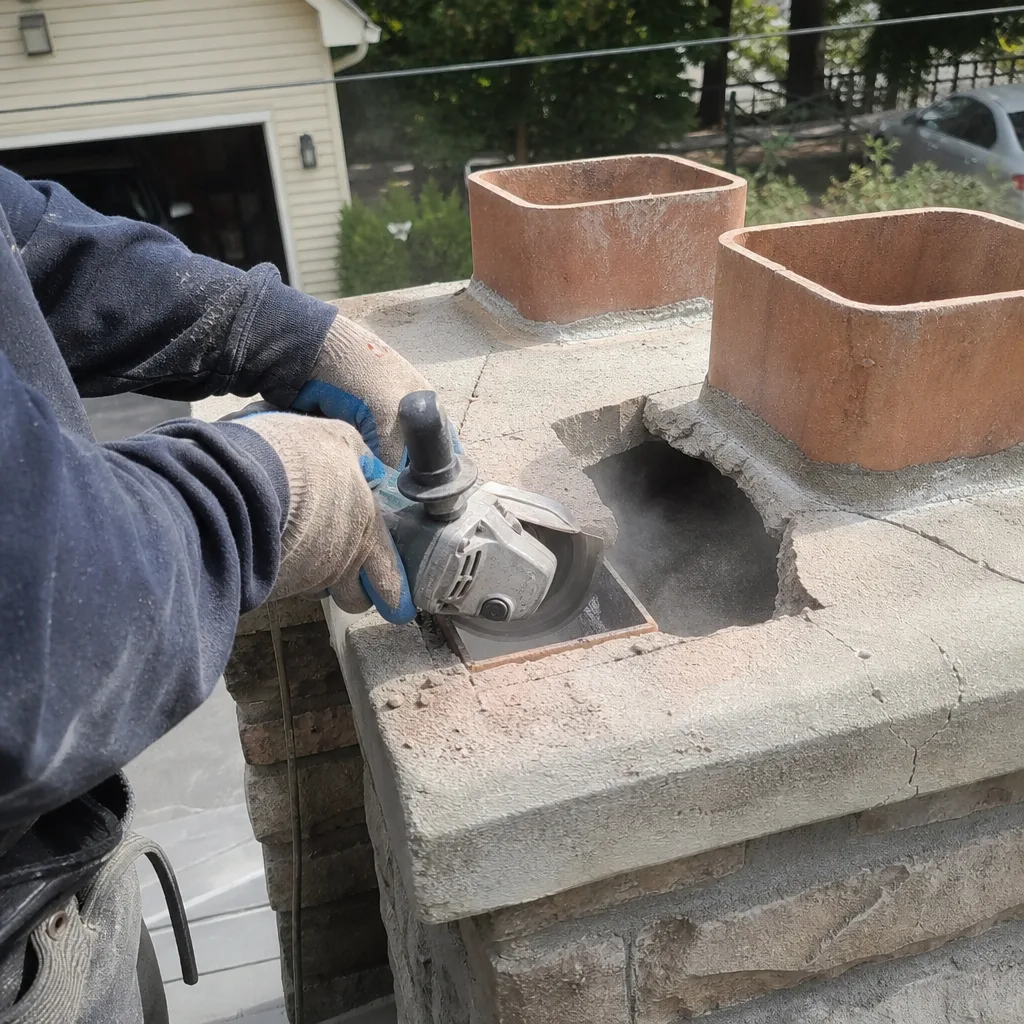
- Camera-scan inspection and photo documentation. Before anything else, we run a Level 2 NFPA 211 inspection that includes camera footage of the flue and a detailed photo record of the chimney exterior. We look at the crown, the mortar joints, the brick faces, and the flashing condition all at once – because spalling rarely shows up alone. Every photo becomes part of your documented record under Clause 4 of the Haven Standard.
- Written scope and price before work starts. Once we know what we’re dealing with, we put it in writing: exactly which bricks are being replaced, which joints are being repointed, what materials we’ll use, and what it will cost. You sign off on that document before a single brick is touched. No phone-call surprises after the job is done.
- Removing damaged bricks and failed mortar. Spalled bricks that have lost structural integrity get cut out cleanly using an angle grinder and cold chisel. We remove mortar to a depth that allows a proper bond – typically three-quarters of an inch to an inch – without damaging adjacent sound masonry. Shortcuts here are where most repairs fail within a few years.
- Matching brick and mixing mortar to the existing masonry. Brick matching matters in White Plains, where a lot of homes have chimneys built with regionally specific clay bricks in colors that don’t match anything on a standard pallet. We source through our supplier network – including Olympia Chimney materials where appropriate – and we mix mortar to a compressive strength that matches the original, not one that will fight against it.
- Setting replacement bricks and repointing affected joints. New bricks are set in the correctly specified mortar with proper tooling to match the existing joint profile. Adjacent mortar joints that are sound but shallow get repointed at the same time to prevent water entry points from opening up six months after we leave.
- Waterproof sealant application and final photo record. After the mortar cures, we apply a vapor-permeable masonry sealant to the repaired section. Vapor-permeable is the key specification here – a sealant that traps moisture inside does more damage than no sealant at all. We close with a final photo set documenting the completed work, and every job is backed by our 365-Day Done Right Promise: if it’s not right, we make it right.
BeforeAfterSpalling Brick Repair Pricing in White Plains
Spalling brick repair in White Plains runs between $400 and $2,800 for the majority of jobs we handle. Where your job lands in that range depends on four things: how many bricks need full replacement, how extensive the repointing is, whether the chimney crown needs repair at the same time, and how much staging or ladder work the height of the stack requires. We put the exact number in writing before anyone starts – not a range, an actual figure.
| Scope of Work | Typical Price Range |
|---|---|
| Minor spalling – up to 10 bricks, surface repointing | $400 – $700 |
| Moderate spalling – 10 to 30 bricks, joint repointing included | $700 – $1,400 |
| Significant spalling – 30-plus bricks, crown repair, waterproofing | $1,400 – $2,800 |
| Full chimney stack rebuild (severe structural deterioration) | $3,000 and up – quoted per job |
A few things that move the number up: chimneys above 20 feet of exposed stack typically require additional staging time; jobs where the wrong mortar was previously used require more careful removal to avoid cracking adjacent sound brick; and Crown repair – if the crown is cracked and funneling water into the stack – almost always needs to happen alongside spalling repair or the new bricks will spall again within two winters.
We offer a free second opinion on any written estimate you’ve received from another contractor. Bring us the written quote and we’ll tell you whether the scope is accurate and whether the price is fair for the White Plains market. Call (914) 350-5204 to schedule.
What White Plains Winters Actually Do to Chimney Brick
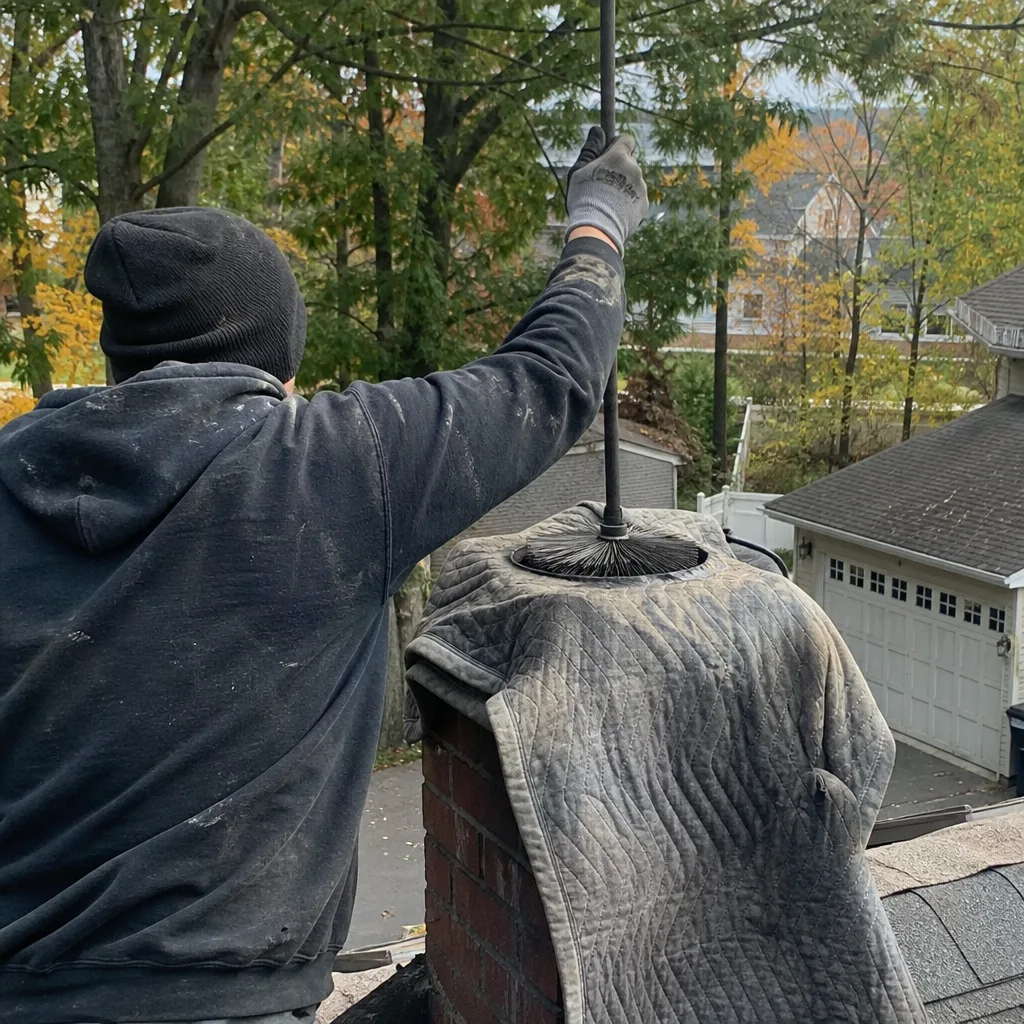
White Plains averages between 25 and 35 freeze-thaw cycles per winter – not the single hard freeze that people picture, but a grinding alternation between above-freezing days and below-freezing nights that runs from late November through mid-March. Each cycle, any water that has entered the brick expands approximately nine percent in volume when it freezes. Clay brick can absorb that stress for years before it shows. Then it doesn’t.
Chimneys in the North Broadway corridor and the neighborhoods east of the Bronx River Parkway tend to see particularly fast spalling progression because a lot of those stacks were built with softer, lower-fired brick that was common in Westchester construction through the 1960s. That brick is more porous than modern brick, which means it absorbs more water per cycle. We’ve documented chimney stacks in that area that lost 40 percent of their face brick in three winters after a crown crack opened up water entry.
The other factor specific to this area is acid rain chemistry. The Hudson Valley corridor has historically had elevated acid deposition, which over decades weakens the calcium carbonate matrix that holds brick together. It’s a slow process – but it makes brick more susceptible to freeze damage, which is why a chimney that looked fine for 30 years can suddenly deteriorate quickly once a water entry point opens up.
None of this is inevitable. A sound crown, properly specified mortar, and a vapor-permeable sealant applied at the right time will extend the life of a chimney stack by decades. The key word in that sentence is “sound.” Our Level 2 camera inspection finds the water entry points before they become structural problems, which is the entire logic of the inspection standard we’ve worked to since 2009.
Why the Mortar Mix Matters More Than the Brick
This is the detail that separates a repair that lasts from one that fails in two winters, and it’s worth being direct about it. Historic and mid-century masonry in White Plains was built with lime-based mortars that are softer and more flexible than modern Portland cement mixes. When a contractor repoints or sets replacement brick using a mortar that is too hard for the surrounding masonry, the brick becomes the weak link. Under freeze-thaw stress, the crack runs through the brick face rather than through the mortar joint – exactly the wrong outcome, because mortar is cheap to repoint and brick replacement is not.
The correct mortar specification for most pre-1970 White Plains chimneys is a Type N or Type O mix – lower Portland content, higher lime content, lower compressive strength than the brick. We mix to spec for each job based on what the existing masonry requires, not what’s on the shelf at the supply house. Materials sourced through our network, including Copperfield supplies where applicable, are procured specifically to give us the formulation flexibility that commodity materials don’t allow.
If you’ve had a chimney repointed in the past 10-15 years and you’re now seeing fresh spalling on bricks that were previously intact, there’s a reasonable chance the mortar specification was wrong. That’s not a reason to avoid getting it fixed – it’s a reason to make sure the next repair is done with the correct mix. We document the mortar specification in your written scope so there’s no ambiguity about what was used.
How This Connects to the Rest of Your Chimney
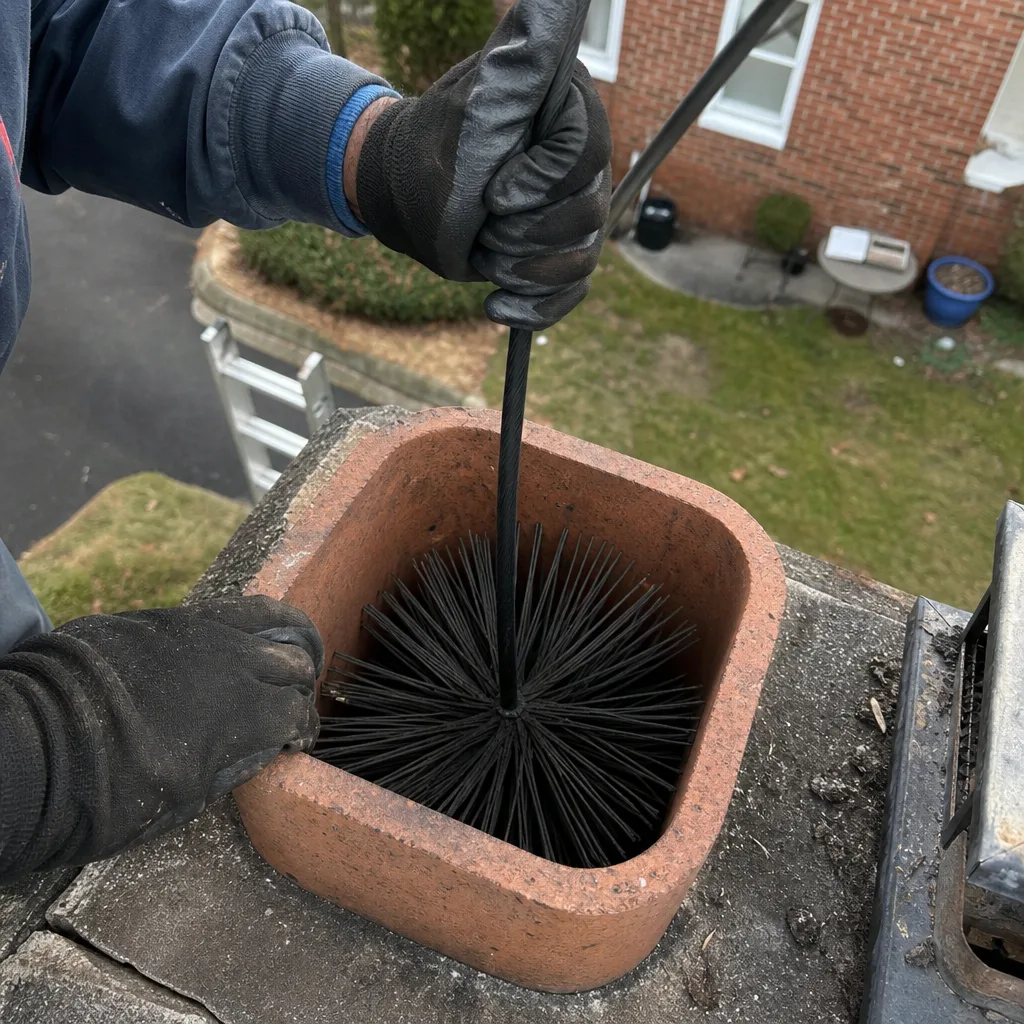
Spalling brick is rarely the whole story. When we document spalling on a chimney stack in White Plains, we almost always find at least one other condition contributing to it: a cracked crown, failed flashing, a compromised flue liner, or a chimney cap that’s letting water sheet down the exterior. Repairing the brick without addressing the water source is like patching a ceiling without fixing the roof leak – it looks better for a season, then fails again.
Our Level 2 inspection documents all of it. The written scope we deliver covers the spalling repair and notes any other conditions we found, with a separate line item and price for each one. You decide what to address and in what order – we don’t bundle services in ways that obscure what each piece costs. That’s a core commitment under our home standard, and it’s how we’ve run jobs since the beginning.
For a full picture of what chimney repair in White Plains covers – crown repair, flashing, liner relining, and full rebuilds – the Chimney Repair in White Plains page walks through all of it with the same level of pricing detail.
FAQs – Spalling Brick Repair in White Plains
How much does spalling brick repair cost in White Plains?
Spalling brick repair in White Plains runs between $400 and $2,800 for most jobs, depending on the number of bricks affected, the extent of repointing needed, and whether the chimney crown requires repair at the same time. We deliver a written price before any work begins – not a range on the day, an exact figure. Call (914) 350-5204 for a free estimate and we’ll document what we find before quoting anything.
Can I leave spalling bricks alone if the chimney is still drawing?
No – spalling that is ignored tends to worsen at an increasing rate each winter. Once a brick face has cracked off, the exposed interior is more porous than the original surface, which means it absorbs more water per freeze cycle. What starts as a surface cosmetic issue becomes a structural one when full brick units lose integrity. Chimneys in White Plains that are actively spalling and left unaddressed for two or three winters often require significantly more expensive repairs than they would have at the first sign of damage.
How do I know if my chimney needs spalling repair or a full rebuild?
A Level 2 camera inspection tells us the answer with documented evidence rather than a visual guess from ground level. Spalling repair is appropriate when the brick cores are still structurally sound and water entry can be corrected. A full or partial rebuild is warranted when bricks have lost structural integrity through their full depth, when the stack shows active leaning or separation, or when the damage is too extensive for individual brick replacement to be cost-effective. We document both conditions with photos and give you a written price for each option so you can make an informed decision. Call (914) 350-5204 to schedule the inspection.
What is the 365-Day Done Right Promise and does it apply to brick repair?
Yes, the 365-Day Done Right Promise applies to every job we do, including spalling brick repair. If the repair we completed develops a problem within 365 days that is attributable to our workmanship or materials, we come back and make it right at no additional cost. The Promise is written on every job document – it’s not a verbal assurance, it’s a written commitment you have in hand before work starts. That’s Haven Standard practice, and it’s how we’ve operated since 2009.
Schedule a Spalling Brick Assessment in White Plains
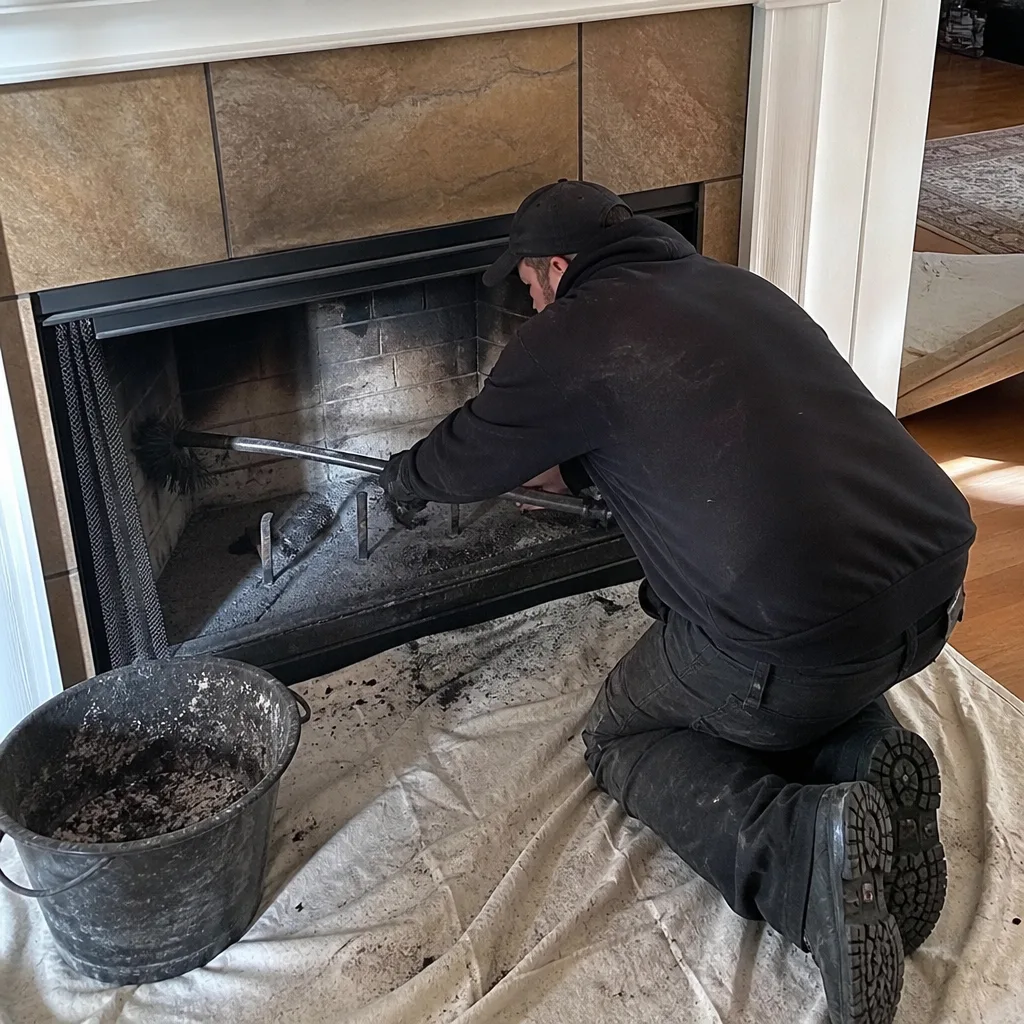
If you’re seeing brick fragments on your roof, white staining on your chimney exterior, or visible chips in the brick face, the best next step is a camera-scan inspection that documents exactly what’s happening before you commit to any repair. We’ll give you a written price, a written scope, and a clear photo record – not a verbal estimate that changes once the work starts.
Call Level Two Chimney White Plains at (914) 350-5204. Live staff answer around the clock, and we schedule inspections throughout White Plains and the surrounding Westchester County area. Estimates are free, and if you have a written quote from another contractor, bring it – we’ll give you a free second opinion on the scope and the price.
Written by Corrine Halstead, Owner at Level Two Chimney White Plains, serving White Plains.