
Level 1 sweep and inspection to the NFPA 211 annual standard - flue, crown, cap, and flashing checked and photographed
Chimney sweep logs do not sweep chimneys. They loosen some creosote - which then falls where a brush and vacuum still have to collect it.
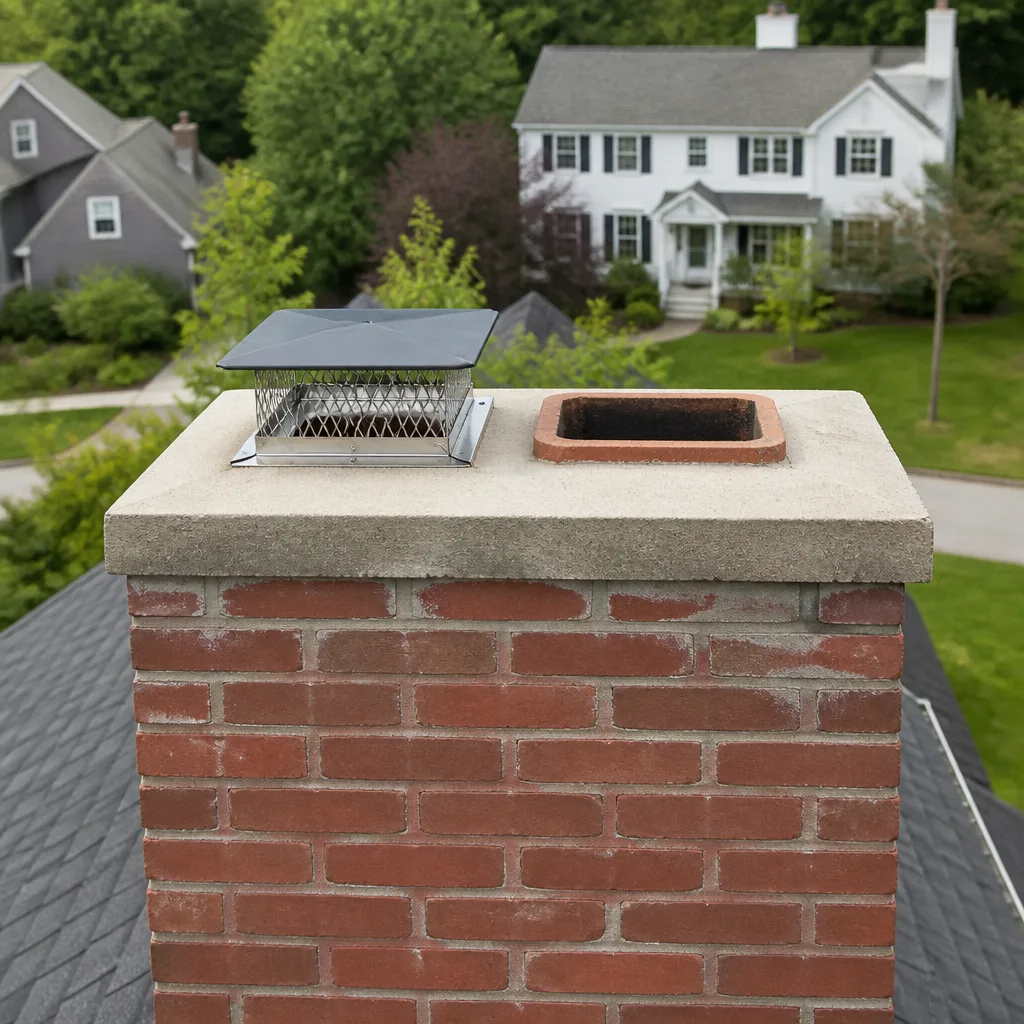
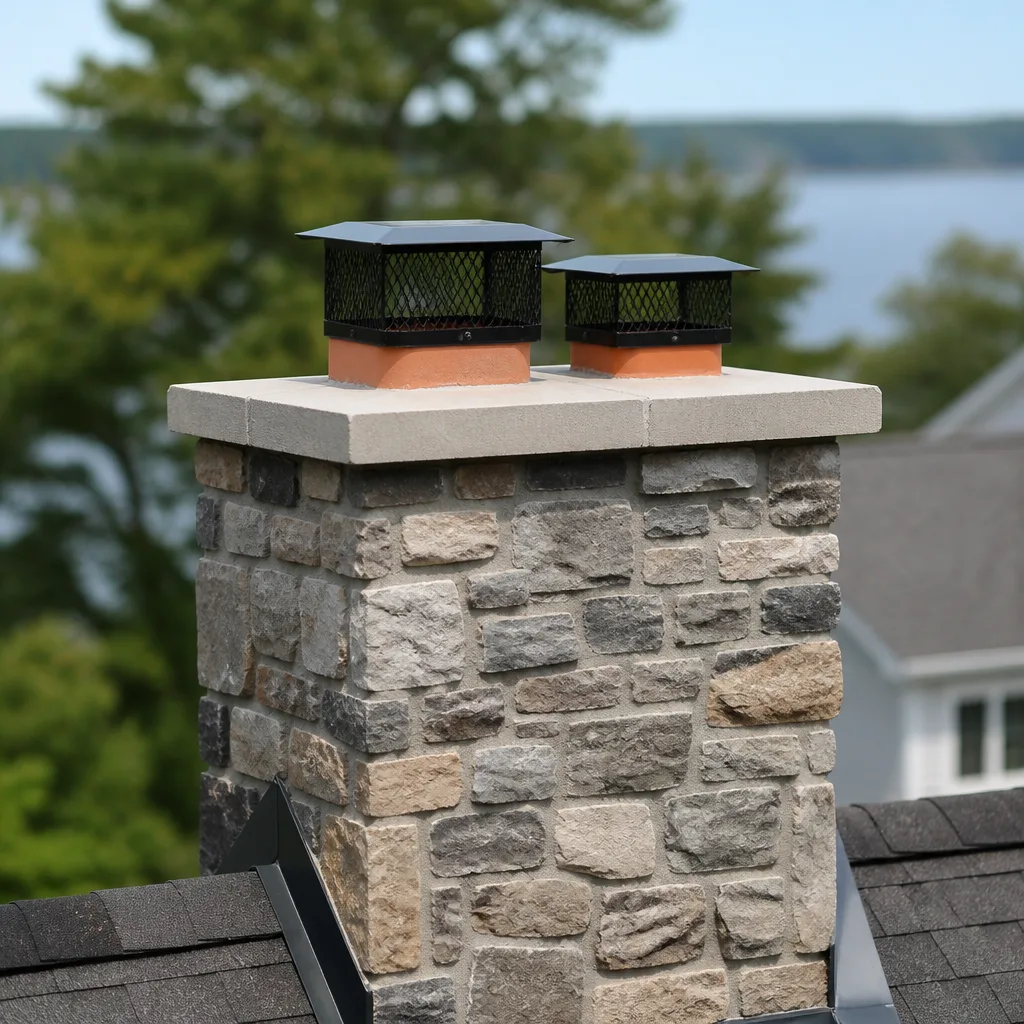
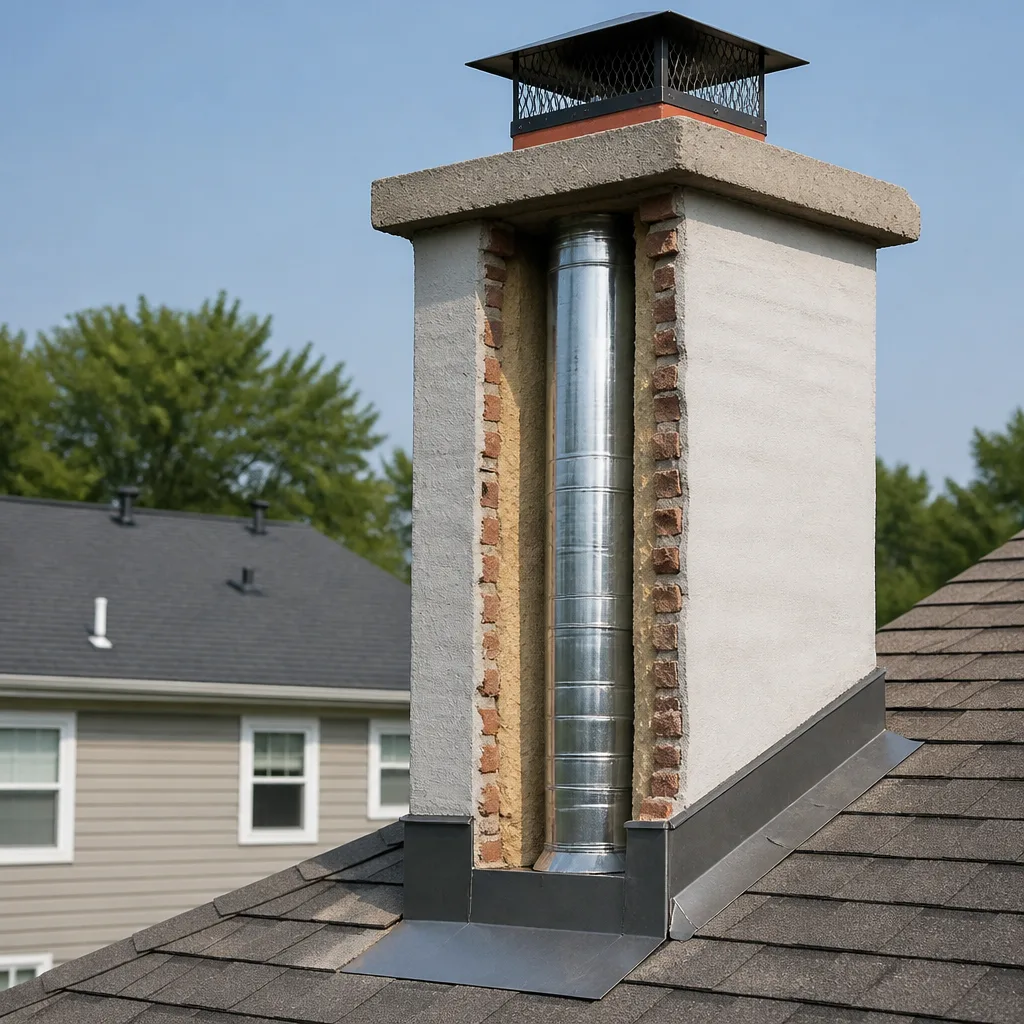
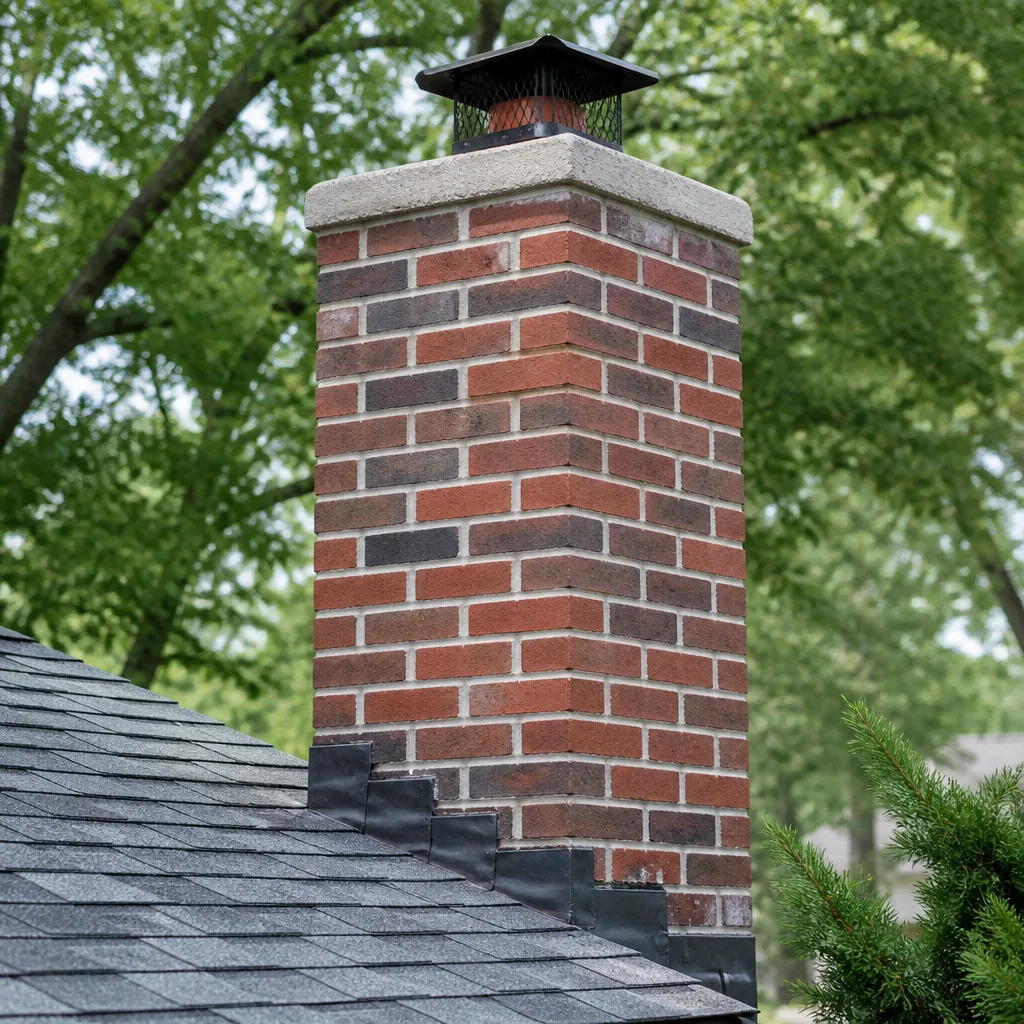
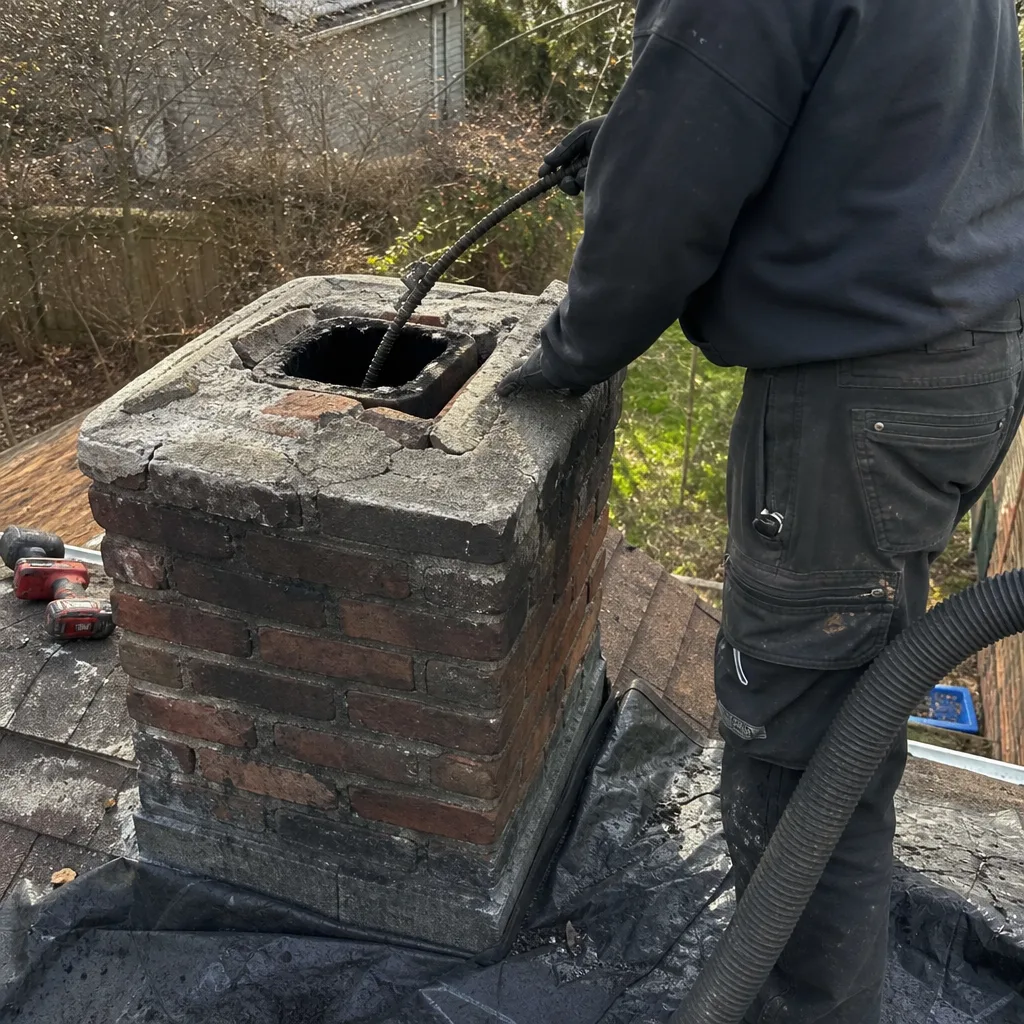 Before
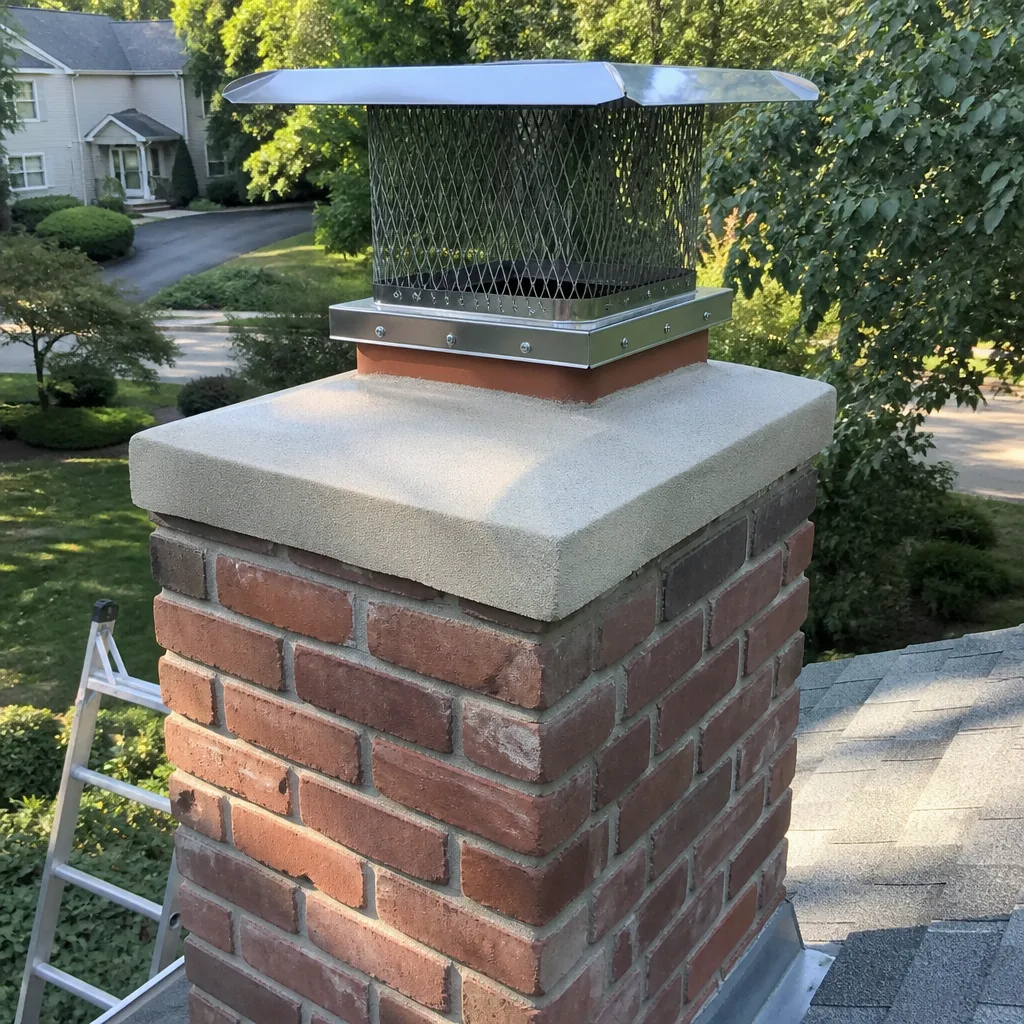 After
After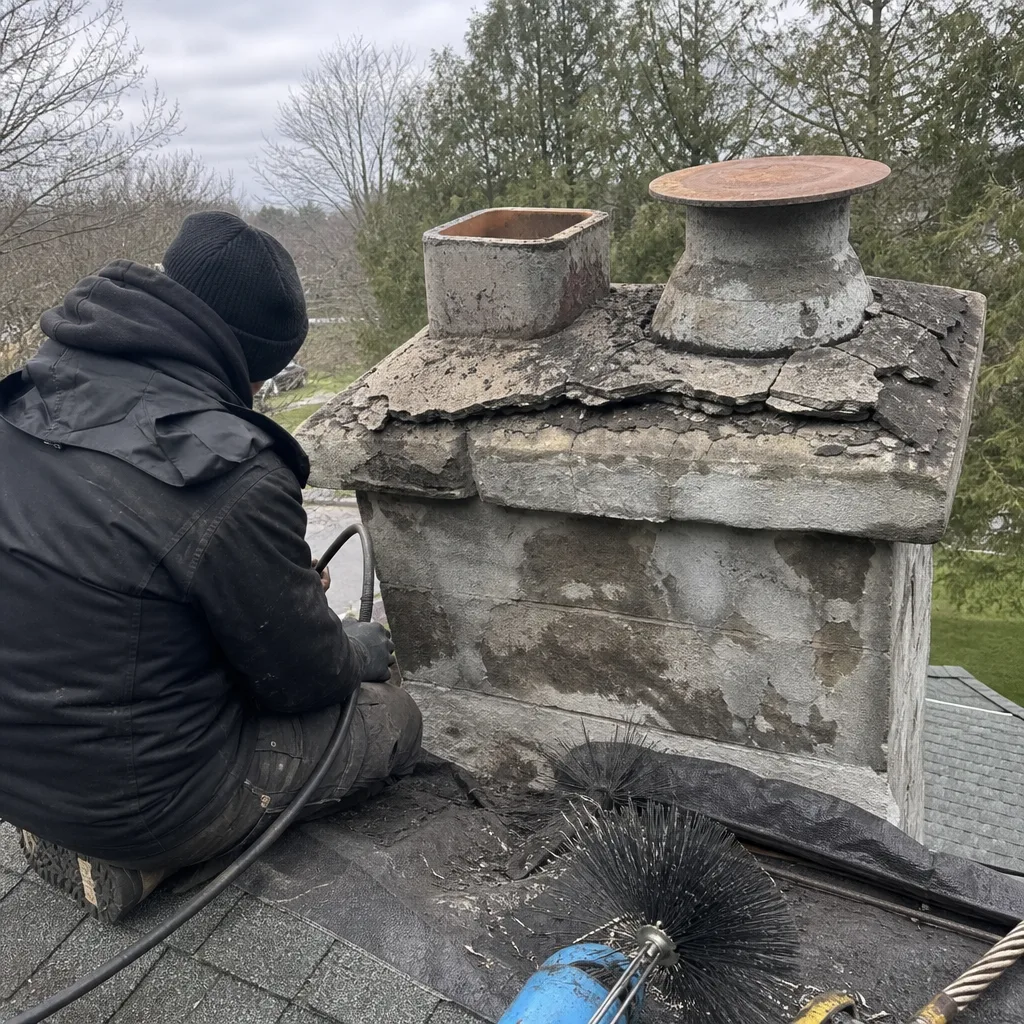 Before
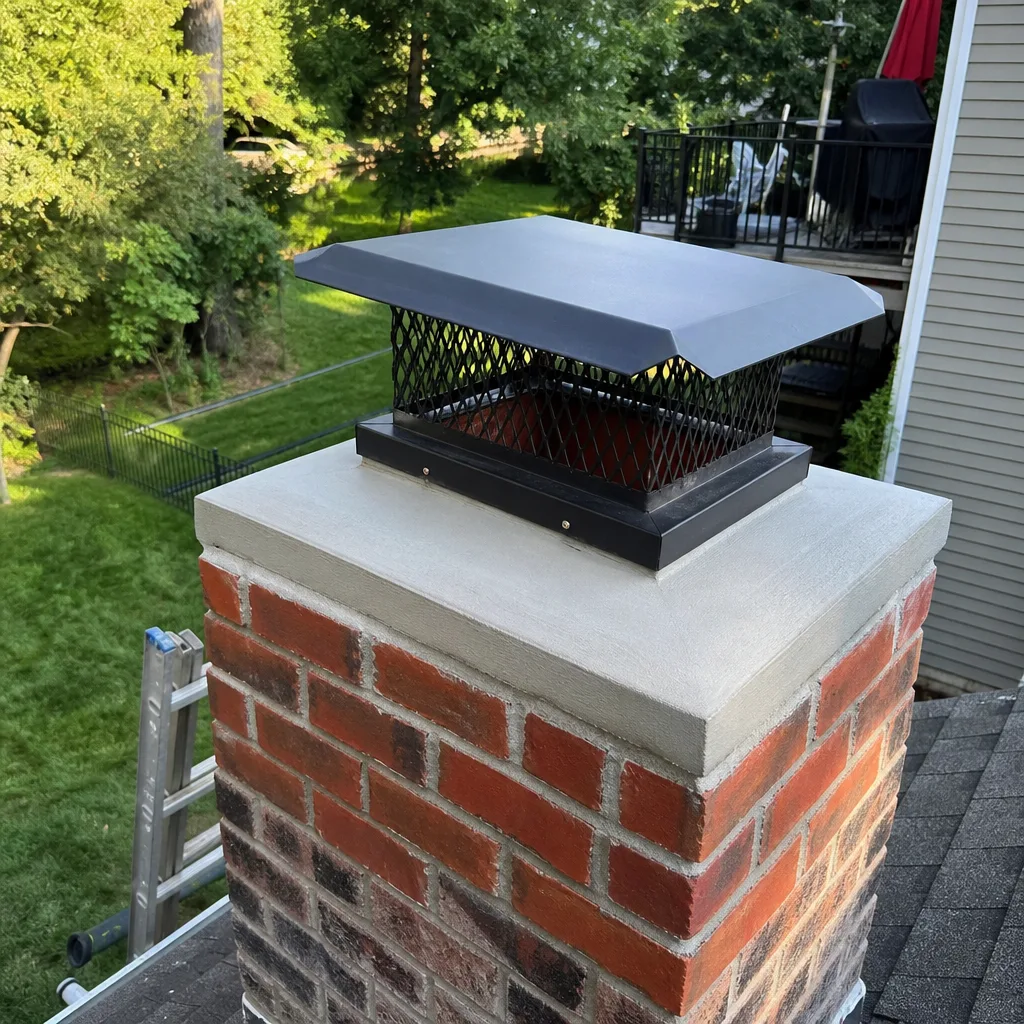 After
After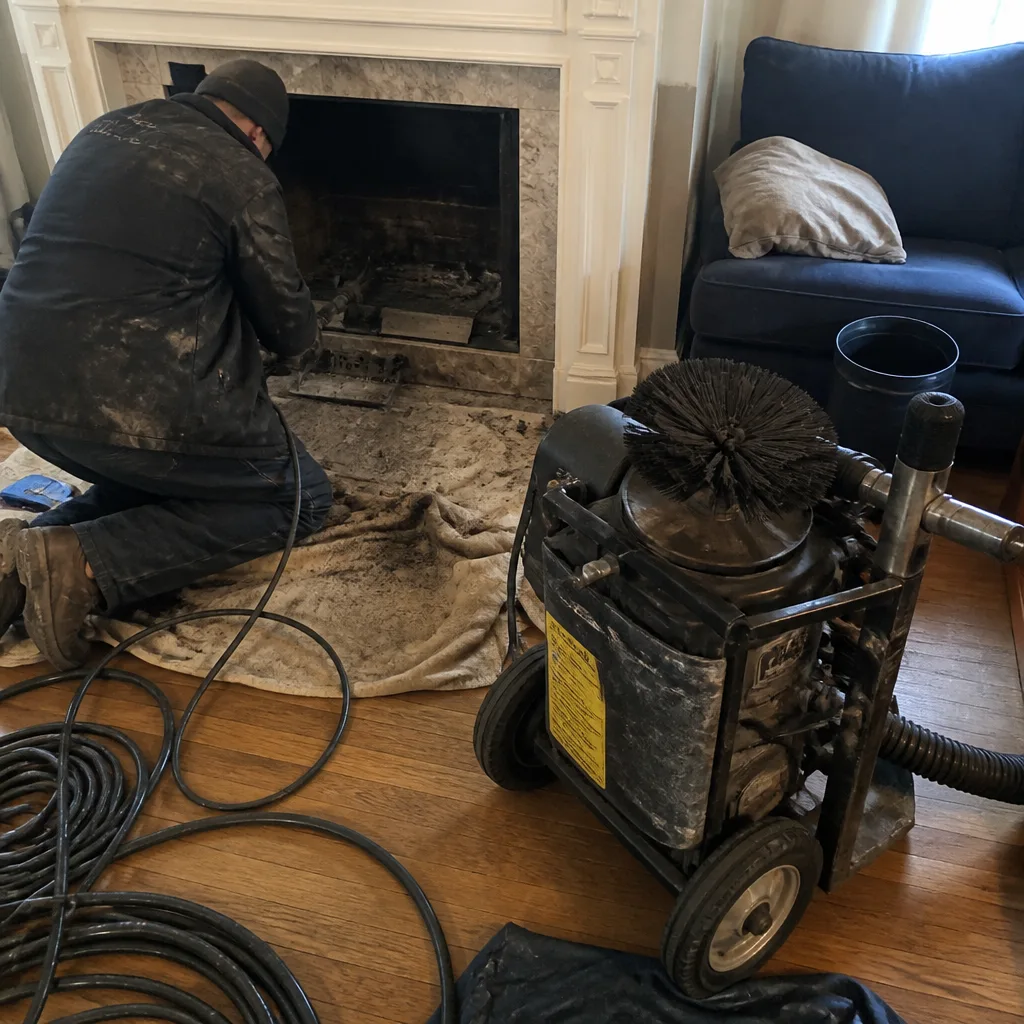 Before
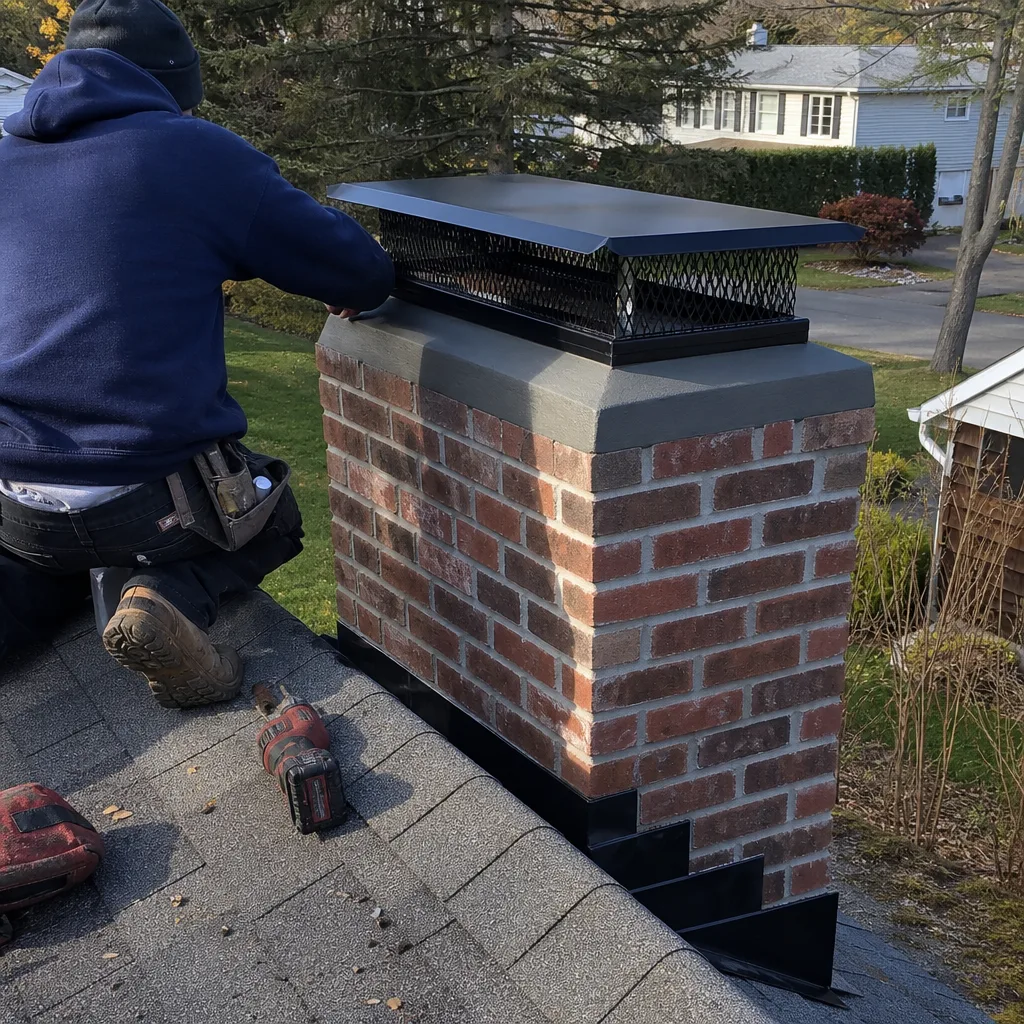 After
AfterMortar Repointing in White Plains, NY
Mortar repointing in White Plains typically costs between $400 and $1,800 depending on how much of the chimney’s joint surface needs work, and most jobs are completed in a single visit. If you’re seeing crumbling or recessed mortar joints on your chimney’s exterior, repointing is usually the right fix – and doing it early almost always costs less than waiting until the brick itself starts to fail and you need our Chimney Repair services.
We’re Level Two Chimney Co., and we handle mortar repointing as part of our broader Chimney Repair in White Plains work. Every repointing job starts with a camera-scan inspection under NFPA 211 Level 2 standards so we know exactly how far the deterioration runs before we quote anything. That written quote – with scope, price, and warranty – is in your hands before a trowel touches your chimney. That’s not a policy we adopted recently; it’s been how we’ve worked since 2009. Call us at (914) 350-5204 and a live person picks up, any time of day.
White Plains presents some specific challenges for mortar. The city sits at roughly 250 feet above sea level, and its position in Westchester County means it takes the full brunt of freeze-thaw cycling – sometimes 40 or more freeze cycles per winter season. Water seeps into hairline cracks in mortar joints, freezes, expands, and the joint widens a little more each time. On chimneys built before the 1980s, many of which are still standing in the neighborhoods around Bryant Avenue and Gedney Farms, original mortar mixes were often softer than modern standards require. That softness was intentional – it let the structure flex – but it also means those joints break down faster when the masonry above them is under stress.
When You Need Mortar Repointing
- Mortar joints are recessed more than 1/4 inch from the brick face. That’s the point where water pooling in the joint accelerates damage measurably. On older chimneys in the Fisher Hill area, we regularly see joints recessed 3/4 inch or more once deterioration has gone untreated through a few winters.
- You can scrape mortar out with a key or screwdriver. Mortar that crumbles or powders under light pressure has lost its structural bond. It no longer seals the joint against water intrusion, and it’s offering very little to hold bricks in place.
- Efflorescence – white salt staining – is appearing on the chimney face. Efflorescence (dissolved salts left behind as water evaporates through masonry) tells you water is moving through the chimney body. Repointing the joints cuts off the primary entry point.
- You had a home inspection that flagged mortar joint deterioration. Many White Plains buyers in the $700,000-$1,200,000 range in neighborhoods like Gedney Farms or North Broadway find this in their inspection report. A camera-scan follow-up from us will show you how far the problem extends – including any impact on the flue liner – before you decide what to do.
- Bricks are starting to spall or shift. Spalling – where the brick face chips or flakes – and any visible movement in brick courses are signs that deteriorated mortar has already allowed water to damage the masonry units themselves. Repointing at this stage still helps, but the scope of repair widens.
- The chimney is more than 20 years old and has never been repointed. On a White Plains chimney built in the 1980s or 1990s, mortar joints approaching their third decade have almost certainly experienced enough freeze-thaw cycling to warrant at least an inspection-level evaluation.
Our Mortar Repointing Process
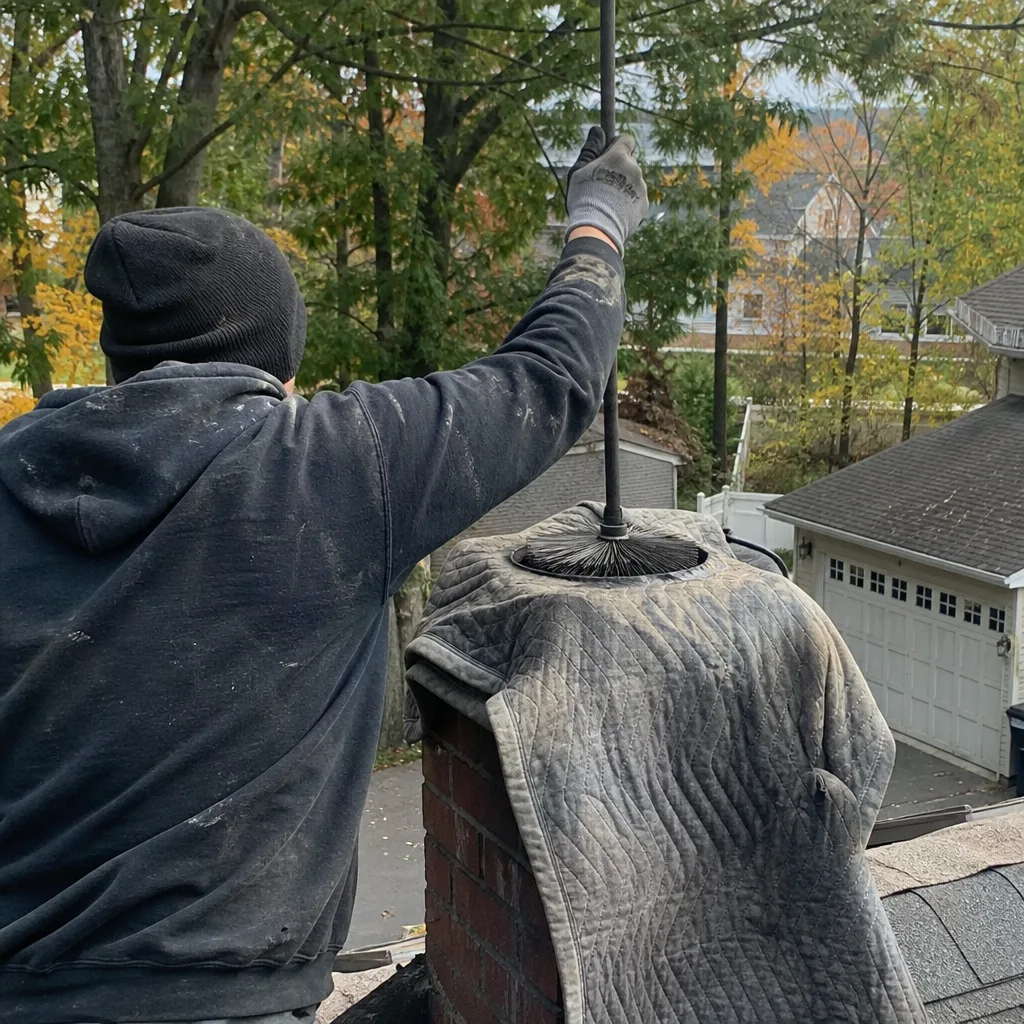
- Camera-scan inspection before any work is quoted. We run an NFPA 211 Level 2 camera inspection down the flue and document the full chimney structure. This tells us whether deterioration is limited to exposed exterior joints or has worked into the smoke chamber, crown, or liner. You get photos. We get accurate scope. The quote we write after this is specific, not estimated.
- Written price, written scope, written warranty – delivered before work begins. Under Haven Standard Clause 1, nothing starts until you have all three in hand. The price on that document is the price on your invoice. No surprises after the work is done. This is the part of the process that tends to get the most positive comments from White Plains homeowners who’ve dealt with contractors who work differently.
- Existing mortar is cut back to clean, sound material. We use angle grinders and cold chisels to remove deteriorated mortar to a minimum depth of 3/4 inch – deeper where the joint has failed further back. Cutting too shallow is the most common failure point in repointing work: new mortar applied over a thin bed of old mortar won’t bond properly and will begin to fail within a season or two.
- Joint preparation and dust removal. After cutting, joints are blown out and dampened. The brick needs to be moist enough that it doesn’t pull moisture out of the fresh mortar too fast – a step that gets skipped on rushed jobs, and one that directly affects how long the new mortar lasts.
- Mortar matched to the existing masonry and applied in lifts. We source mortar materials through the Haven buying network, which means we’re using products from suppliers like Gelco and Olympia Chimney that are appropriate for chimney applications – not generic masonry mix from a home center. For older soft-brick chimneys, mortar hardness is matched carefully; over-hard mortar on soft brick transfers stress to the brick face rather than the joint, which causes spalling. New mortar is packed in layers and tooled to match the existing joint profile.
- Photo documentation on completion – every joint, every course repaired. Under Haven Standard Clause 4, you walk away with a documented photo record. Not a handful of before shots, but a full record of the completed work that goes into your file. If a question ever comes up about what was done, the answer is in the archive.
BeforeAfterMortar Repointing Pricing in White Plains
Mortar repointing in White Plains runs between $400 and $1,800 for most residential chimneys. That range is wide because the scope varies considerably – a chimney with deterioration limited to the top two or three courses above the roofline is a different job than one where every exposed joint on a two-story chimney stack needs to be cut and repacked. Here’s how pricing typically breaks down:
| Scope of Work | Typical Price Range |
|---|---|
| Spot repointing – isolated joint failure, limited area | $400 – $650 |
| Partial repointing – one face or upper section of chimney | $650 – $1,100 |
| Full chimney repointing – all exposed joints, standard residential stack | $1,100 – $1,800 |
| Full repointing with crown repair or step-flashing work included | $1,600 – $2,800+ |
Several factors move the number within those ranges. Chimney height is the biggest one – a chimney that extends more than four feet above the roofline on a two-story White Plains colonial requires more staging and more time. Access is the second factor; chimneys on steep-pitched roofs or in tight alley spaces between homes take longer to work on safely. And the condition of the existing mortar matters – cutting back clean joint lines on a chimney with uniform deterioration is faster than working around partial patches, previous amateur repairs, or joints that have been painted over.
If you’ve already received a written estimate from another contractor, bring it to us. We’ll give you a free second opinion and tell you what we see – and if their scope and ours match and their price is lower, we’ll tell you that honestly too. The written price you get from us before any work starts is the price you pay. Call (914) 350-5204 to schedule a camera-scan estimate at no charge.
Why Repointing Is Worth Doing Now, Not Later
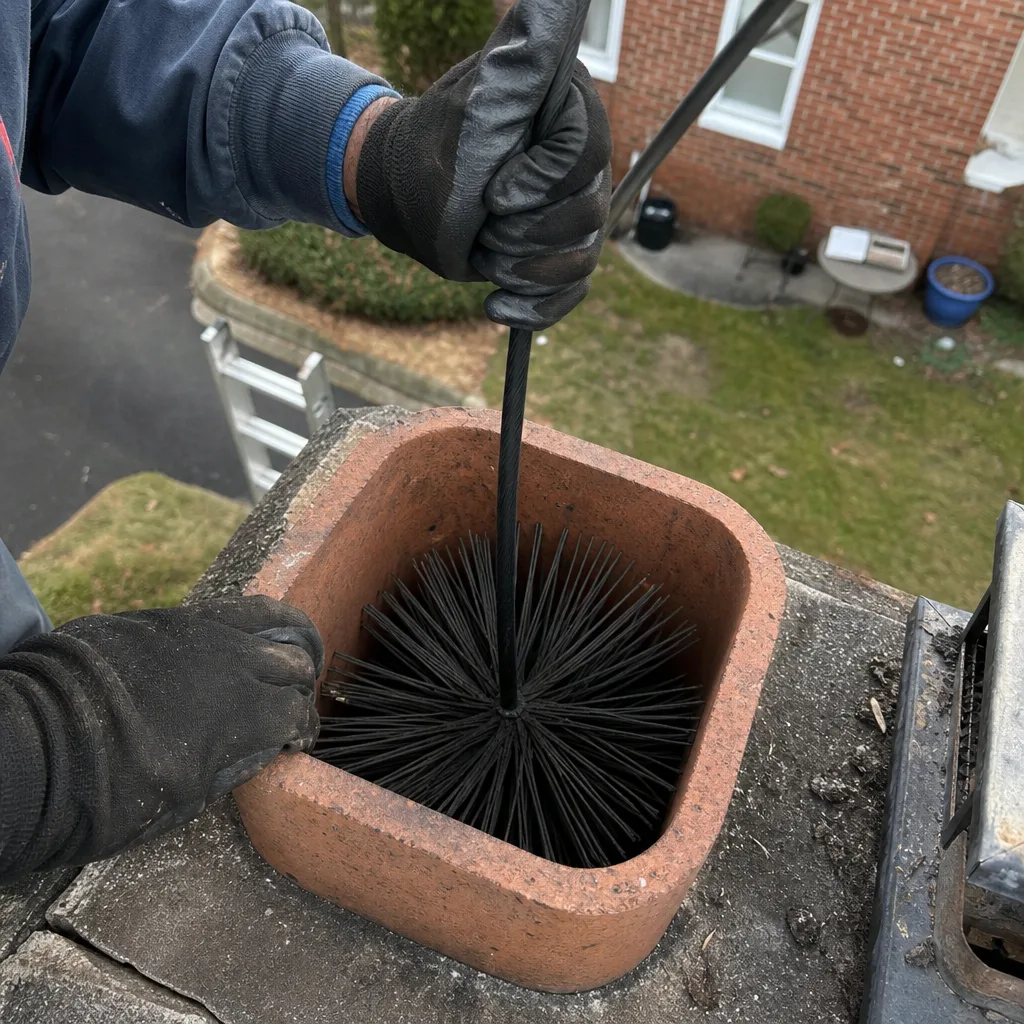
The math on delayed mortar repointing is pretty straightforward. A chimney with failing joints in White Plains goes through at least 40 freeze-thaw cycles in a typical winter. Each cycle pushes a little more water into the joint, widens the gap slightly, and pushes the brick faces further apart. At a certain point – usually once the joint has opened past about 1/2 inch and moisture has been reaching the interior brick face for more than one or two seasons – the brick itself begins to absorb water and eventually spall. A repointing job that costs $900 today can become a partial or full brick replacement job that costs $4,000 to $8,000 if it’s left another three to five years, which is why understanding How Much Does Chimney Repair Cost? (2026 Price Guide) - White Plains, NY matters for planning ahead.
Water also follows mortar failures into the interior of the chimney structure. Once it reaches the smoke chamber or the flue liner, you’re looking at a different set of repairs – liner relining, smoke chamber restoration, or crown rebuilding – that go well beyond repointing scope. We’ve inspected chimneys in the Highlands neighborhood and near the South Broadway corridor where what started as surface mortar deterioration had, over the course of a decade with no maintenance, compromised the liner enough to be a code concern. None of those homeowners expected that when they bought the house.
That’s exactly why our process starts with the camera scan rather than a visual-only walk-around. We need to know what we’re looking at before we tell you what it costs to fix.
What Your 365-Day Done Right Promise Covers
Every repointing job we complete in White Plains is backed by the 365-Day Done Right Promise. If the work isn’t right – joints that fail early, mortar that doesn’t bond, anything that points to a workmanship issue within a year – we come back and make it right. No charge, no debate about it. The promise is stamped on the job documentation you receive when we’re done, not buried in a terms page. It’s part of the Haven Standard, and it applies to every job without exception.
The documented photo record on completion (Haven Standard Clause 4) matters here too. If a question ever comes up about whether joints were cut to depth, what mortar was used, or which courses were treated, the photos answer it. We’ve been building that archive on every job since 2009 – across more than 38,000 chimney inspections and cleanings – because documentation protects both sides.
Mortar Repointing vs. Chimney Rebuilding: How We Decide
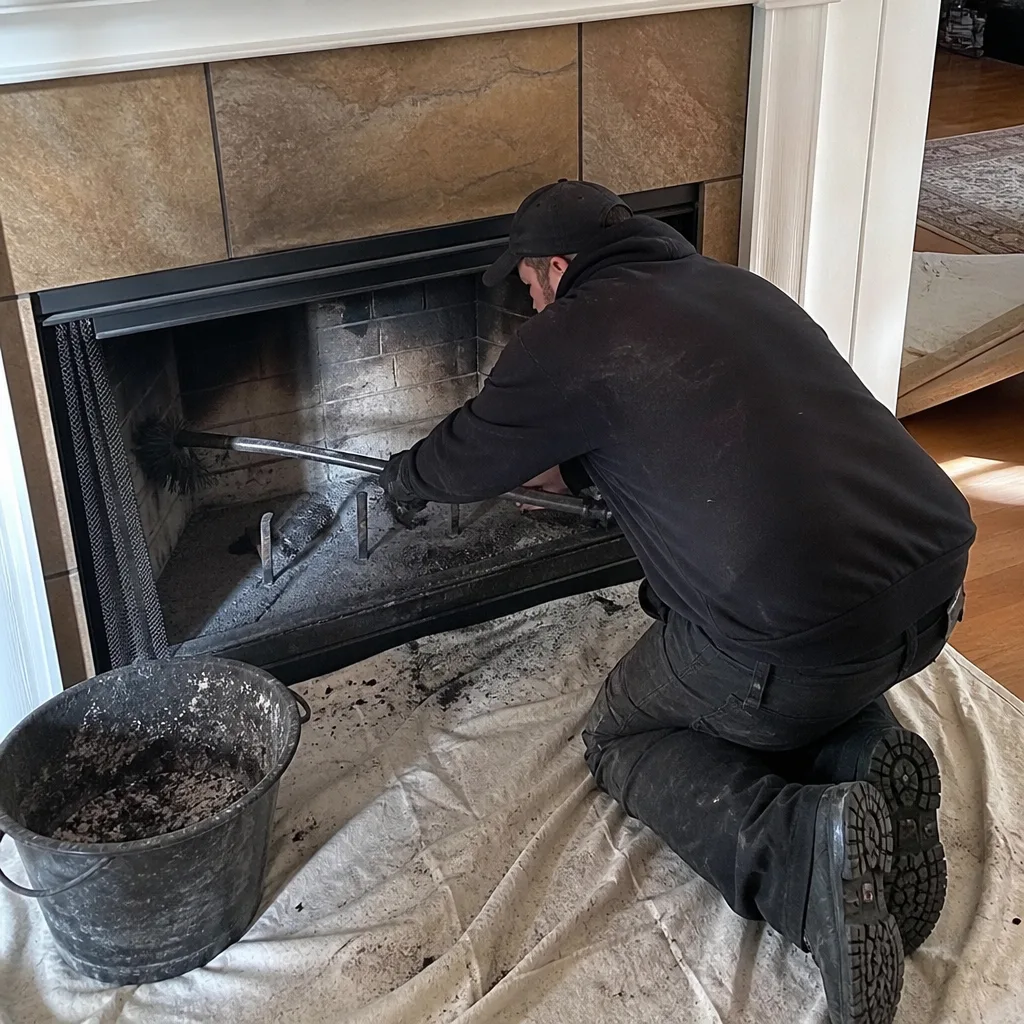
Repointing preserves good brick by replacing failed mortar. It doesn’t fix brick that has already deteriorated past saving. When we do the camera scan and find that a significant portion of the brick faces are Spalling Brick Repair territory – flaking apart or crumbling at the surface – or that courses have shifted enough to affect structural integrity, repointing won’t address the underlying problem. In those cases, partial or full rebuilding is the honest answer, and we’ll tell you that clearly in the written scope.
The line between “needs repointing” and “needs rebuilding” isn’t always obvious from street level or even from a rooftop visual inspection. On chimneys in neighborhoods like Chatterton Hill or near the Old Mamaroneck Road corridor, where homes from the 1950s and 1960s have original brick that’s been through 60-plus winters, we find the full range. Some are in excellent shape and need nothing more than mortar work. Others have brick that’s absorbed water for so long that the surface is compromised beyond what new mortar can stabilize. The camera tells us which situation we’re in.
Our broader home page covers the full scope of services we offer if you want to understand how repointing fits into the larger picture of chimney care.
FAQs – Mortar Repointing
How much does mortar repointing cost in White Plains?
Mortar repointing in White Plains typically costs between $400 and $1,800 for a standard residential chimney, depending on how much of the joint surface needs to be cut and repacked. Spot repairs on a small area of joint failure run $400 to $650; a full chimney repoint on a two-story stack runs $1,100 to $1,800. Additional work like crown repair or flashing replacement, if needed, is scoped and priced separately and in writing before anything starts. Call (914) 350-5204 for a written estimate – the camera-scan assessment is free.
How long does mortar repointing last?
Properly done repointing on a White Plains chimney should last 20 to 30 years under normal conditions. The two biggest factors in longevity are cutting depth (joints cut to at least 3/4 inch before new mortar is applied) and mortar hardness matched to the existing brick. Mortar that’s too hard for the brick it surrounds will cause the brick face to spall before the mortar fails again – so matching matters as much as the application itself. We document the materials used on every job so there’s a record if questions come up later.
Can you repoint a chimney in cold weather?
Mortar repointing in temperatures below 40 degrees Fahrenheit requires cold-weather admixtures and protective coverings to cure properly – and even then, the window for good results narrows considerably. In White Plains, we typically schedule repointing work from April through November, though late-season jobs in October and early November are done with careful attention to overnight temperatures. If your chimney needs repointing and winter has already arrived, the right call is usually to document it, schedule for spring, and monitor for any accelerating water intrusion in the meantime.
Is repointing a DIY job?
The mortar application itself isn’t technically complex, but working on a chimney involves working at height on a roof, often on a pitched surface, which carries real fall risk. Beyond the safety issue, matching mortar hardness to existing brick, cutting joints to adequate depth without damaging the brick faces, and getting the cure conditions right are all things that affect whether the work lasts. A repointing job done incorrectly – too shallow, wrong mortar, applied dry – can fail within one or two winters and leave the chimney in worse condition than before. We’re not suggesting DIY is impossible, but it’s a job where the failure modes are expensive and the risks are physical. If you want to know exactly what the job involves before deciding, call us at (914) 350-5204 and we’ll walk you through what the camera scan shows.
Written by Corrine Halstead, Owner at Level Two Chimney White Plains, serving White Plains.