
Last updated September 20, 2026
Level 1 sweep and inspection to the NFPA 211 annual standard - flue, crown, cap, and flashing checked and photographed
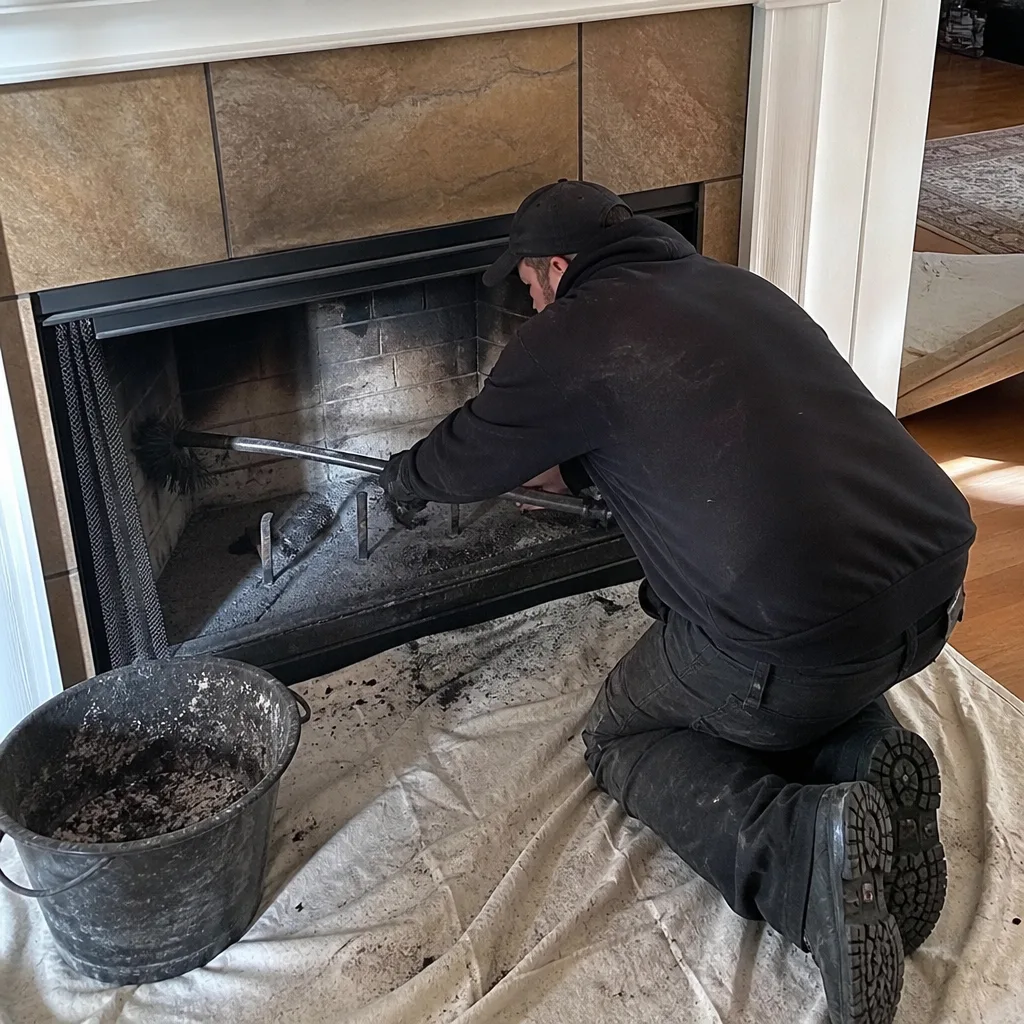
Chimney sweep logs do not sweep chimneys. They loosen some creosote - which then falls where a brush and vacuum still have to collect it.
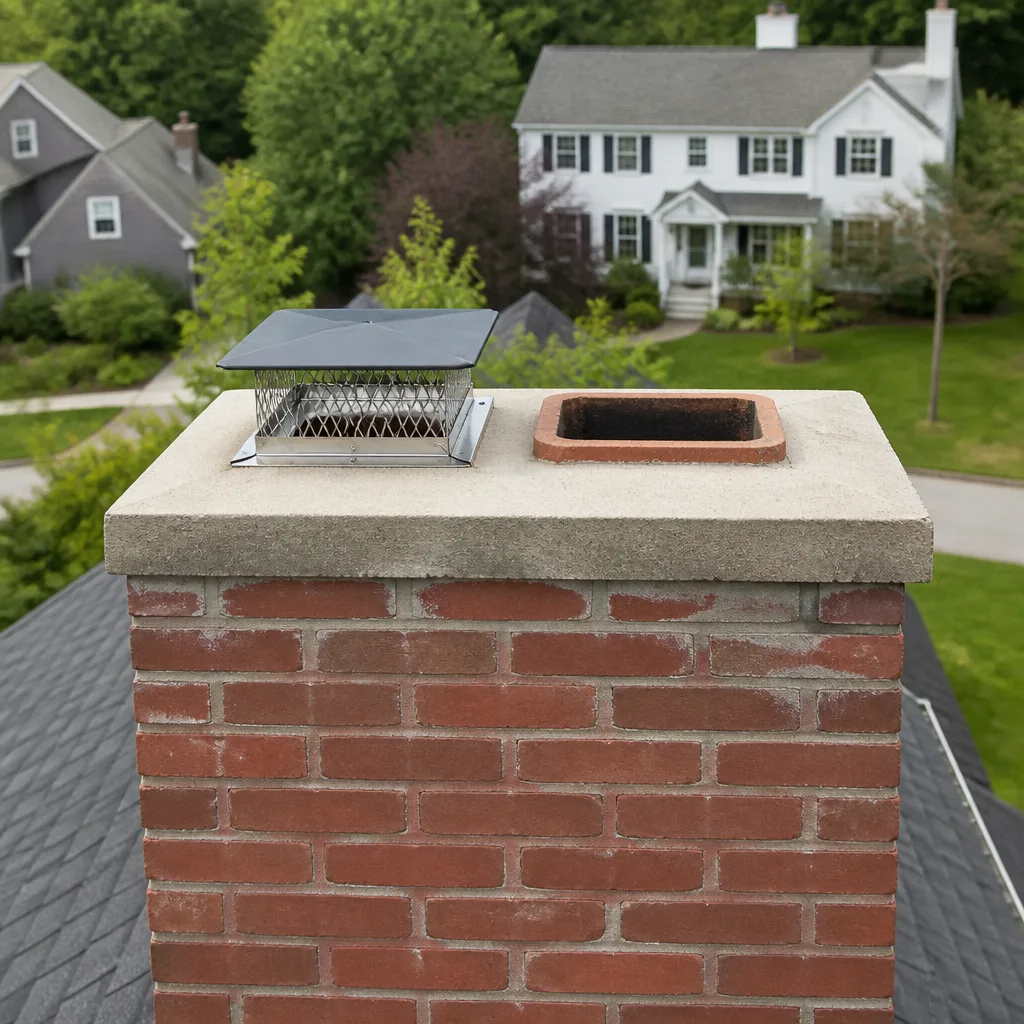
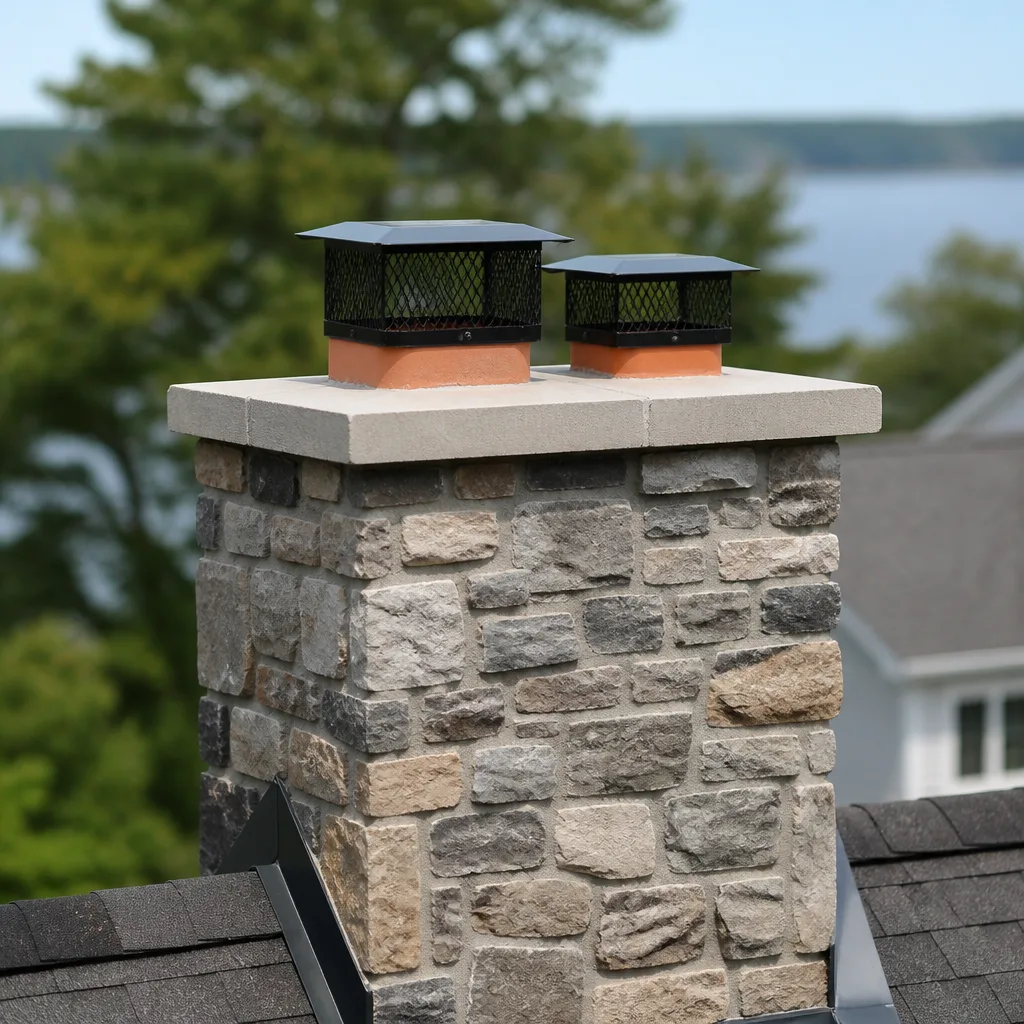
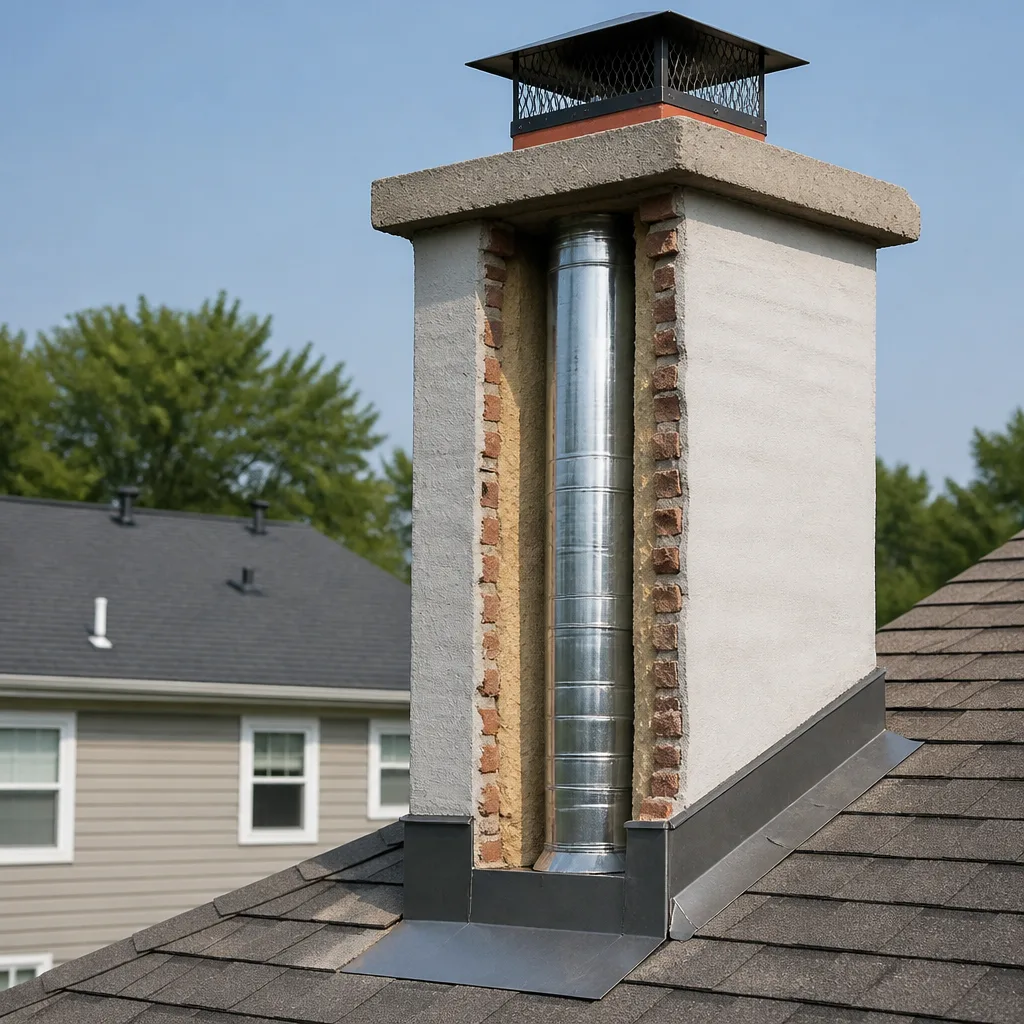
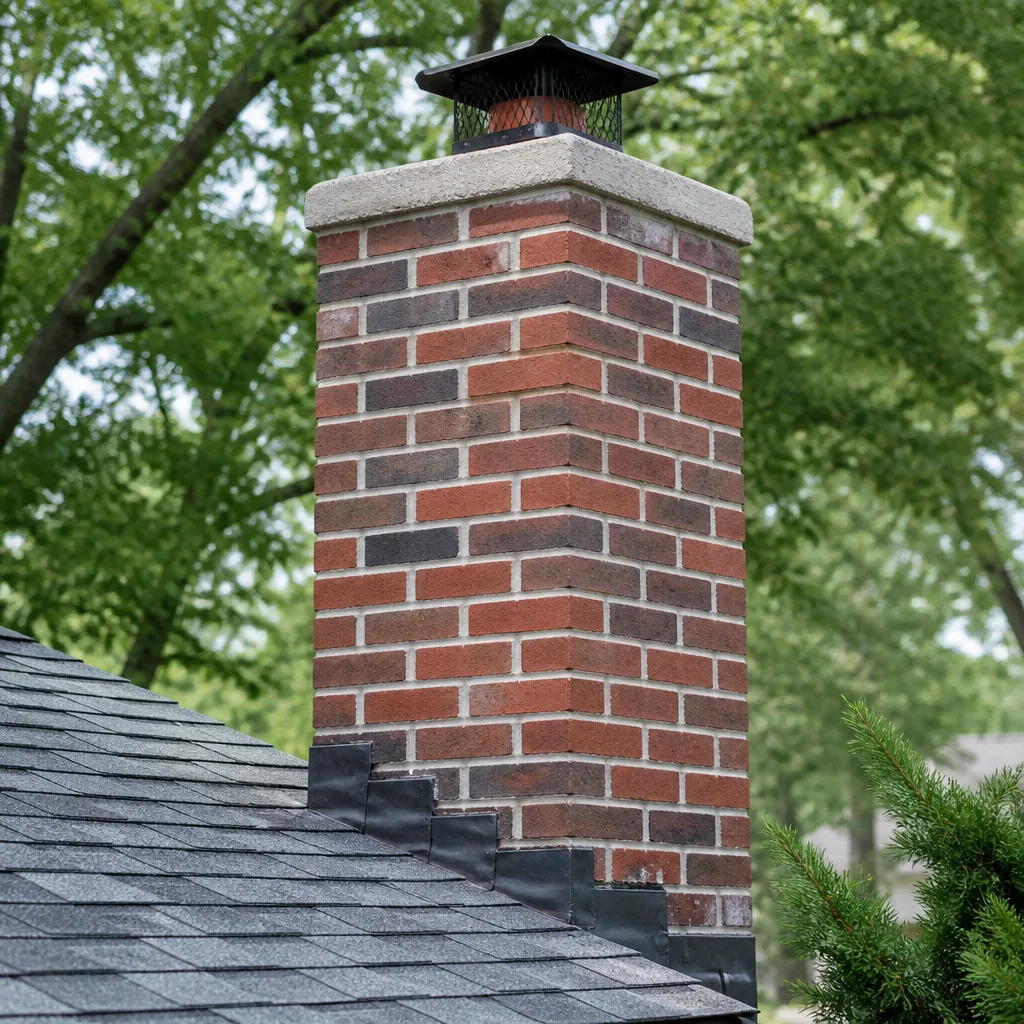
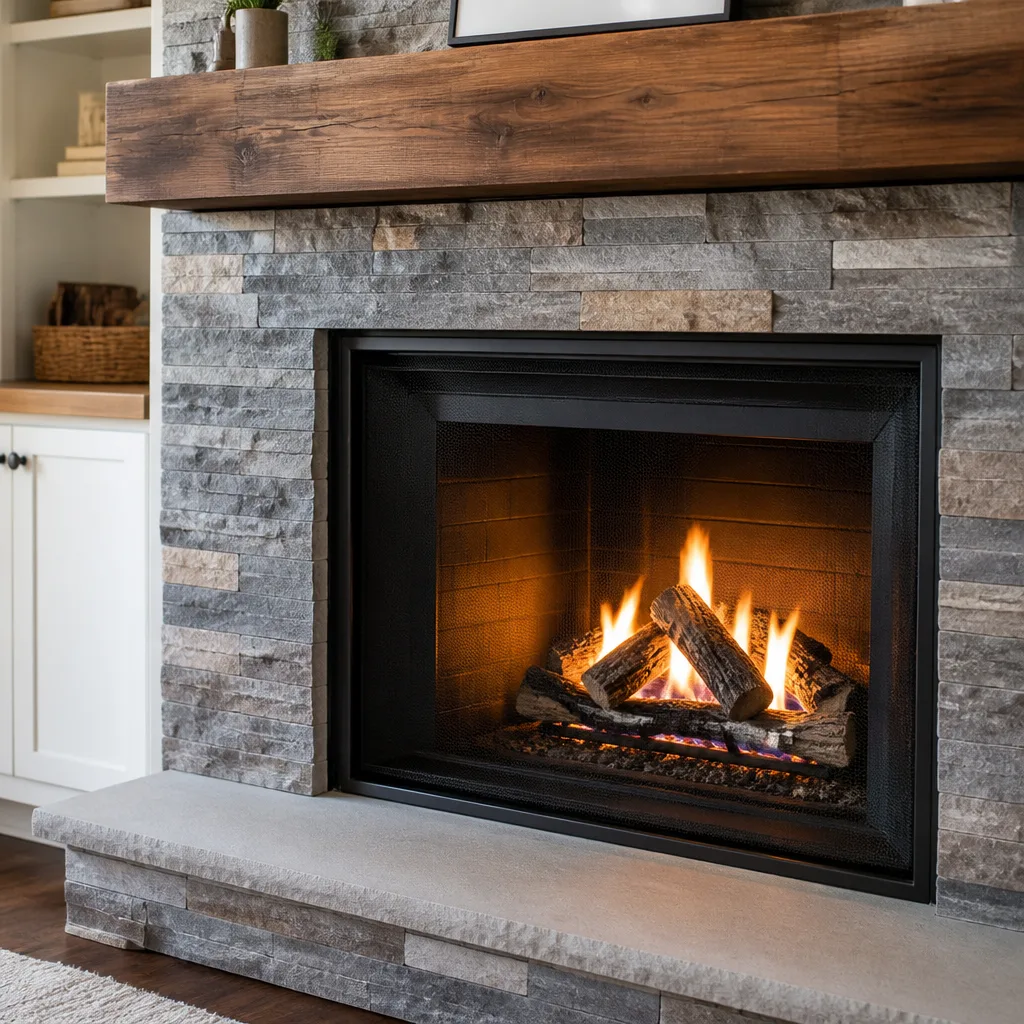
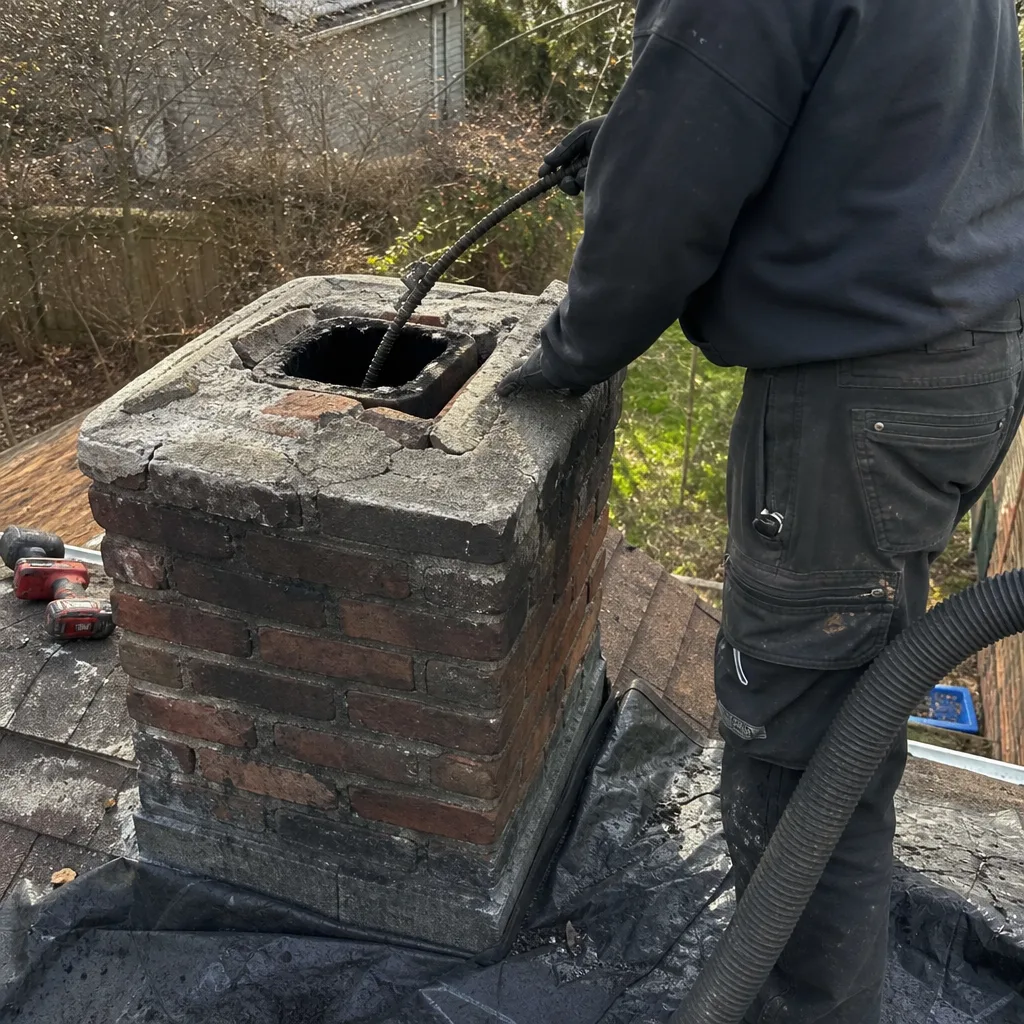 Before
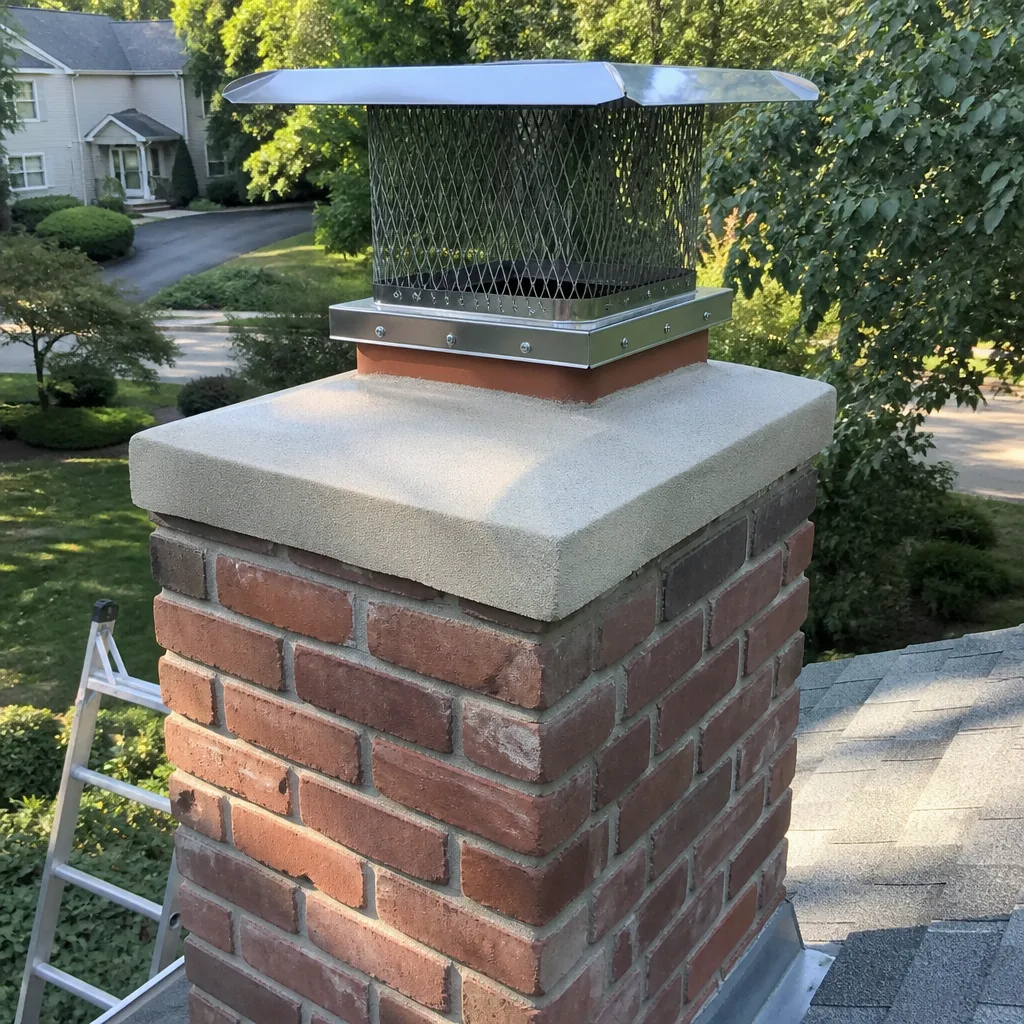 After
After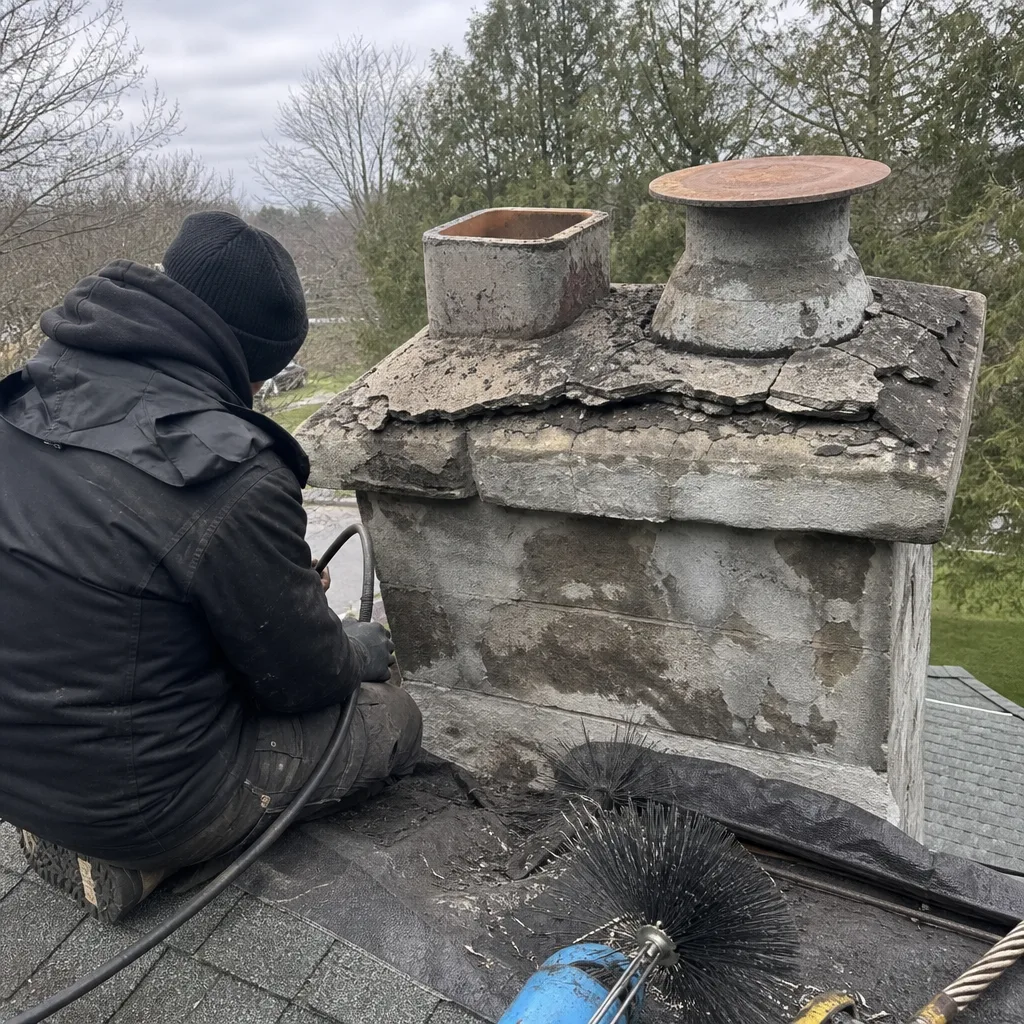 Before
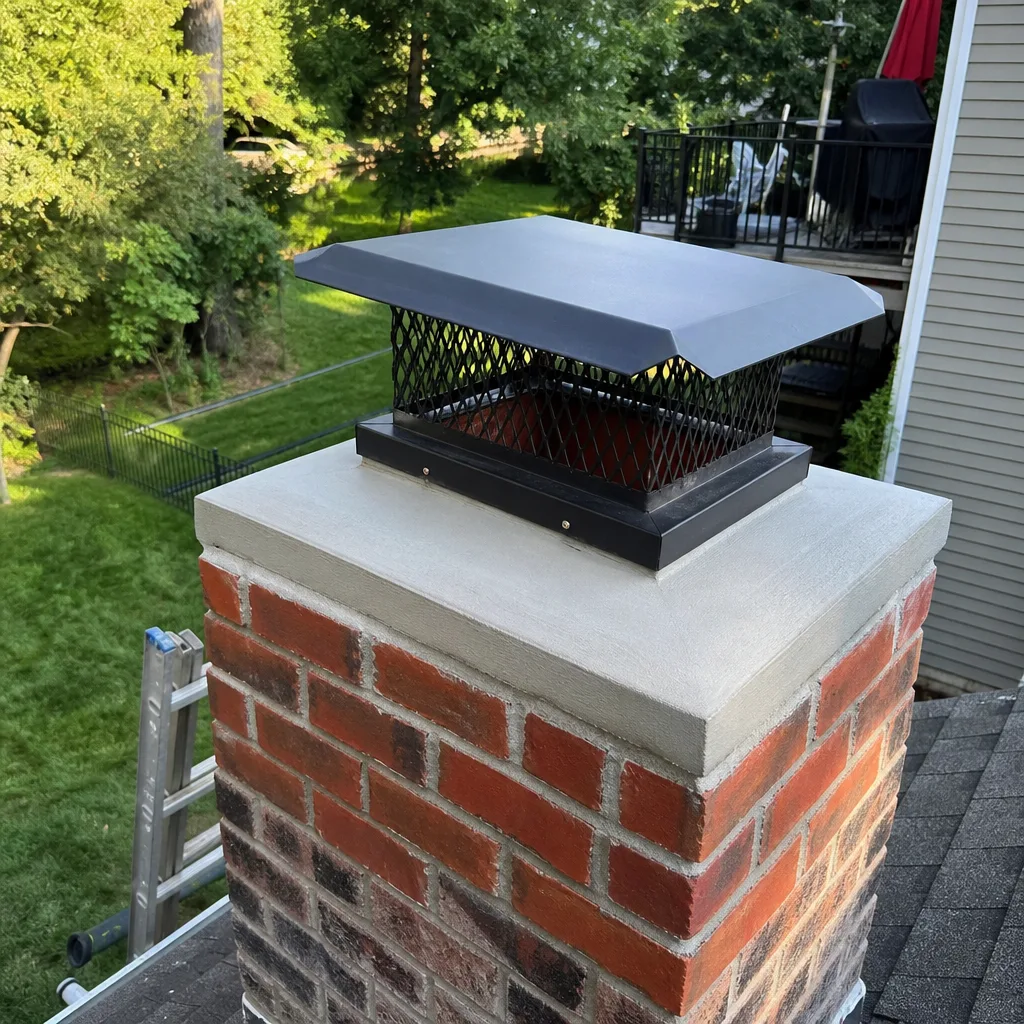 After
After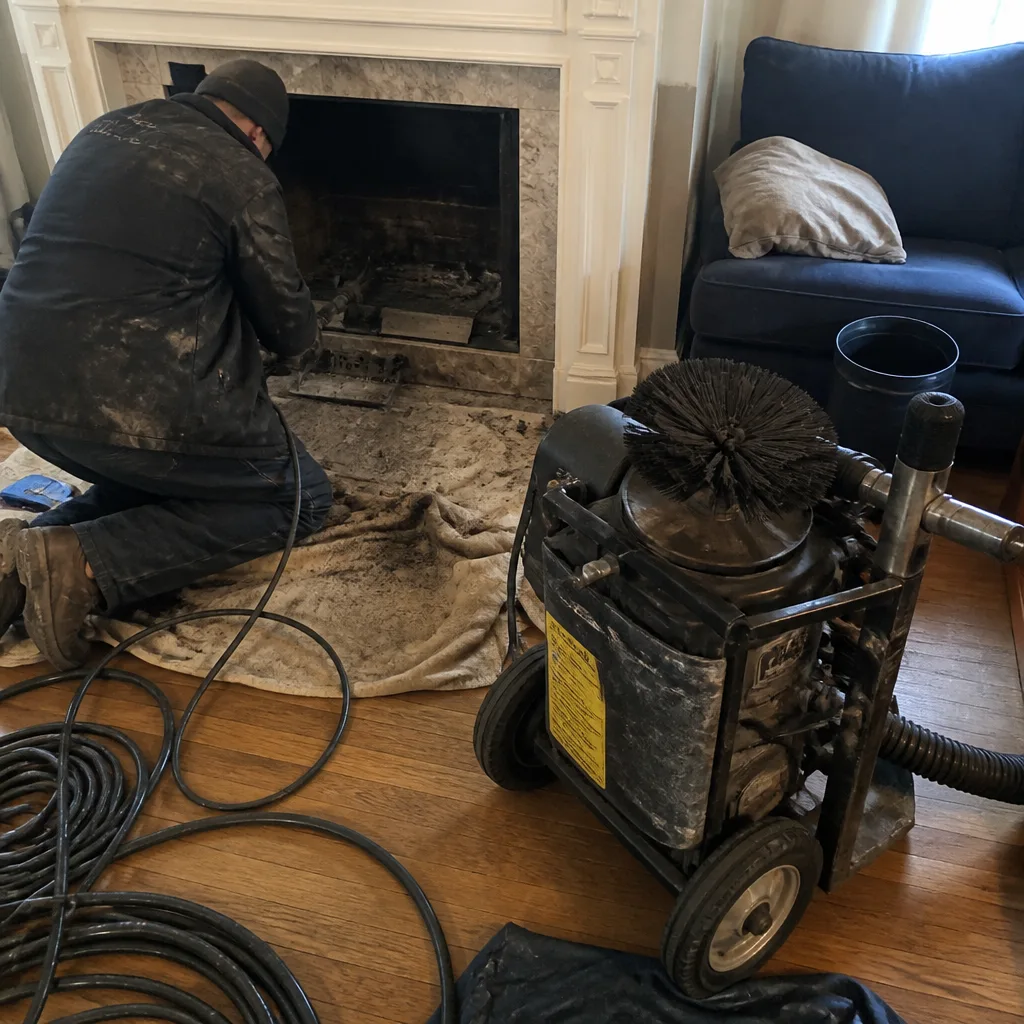 Before
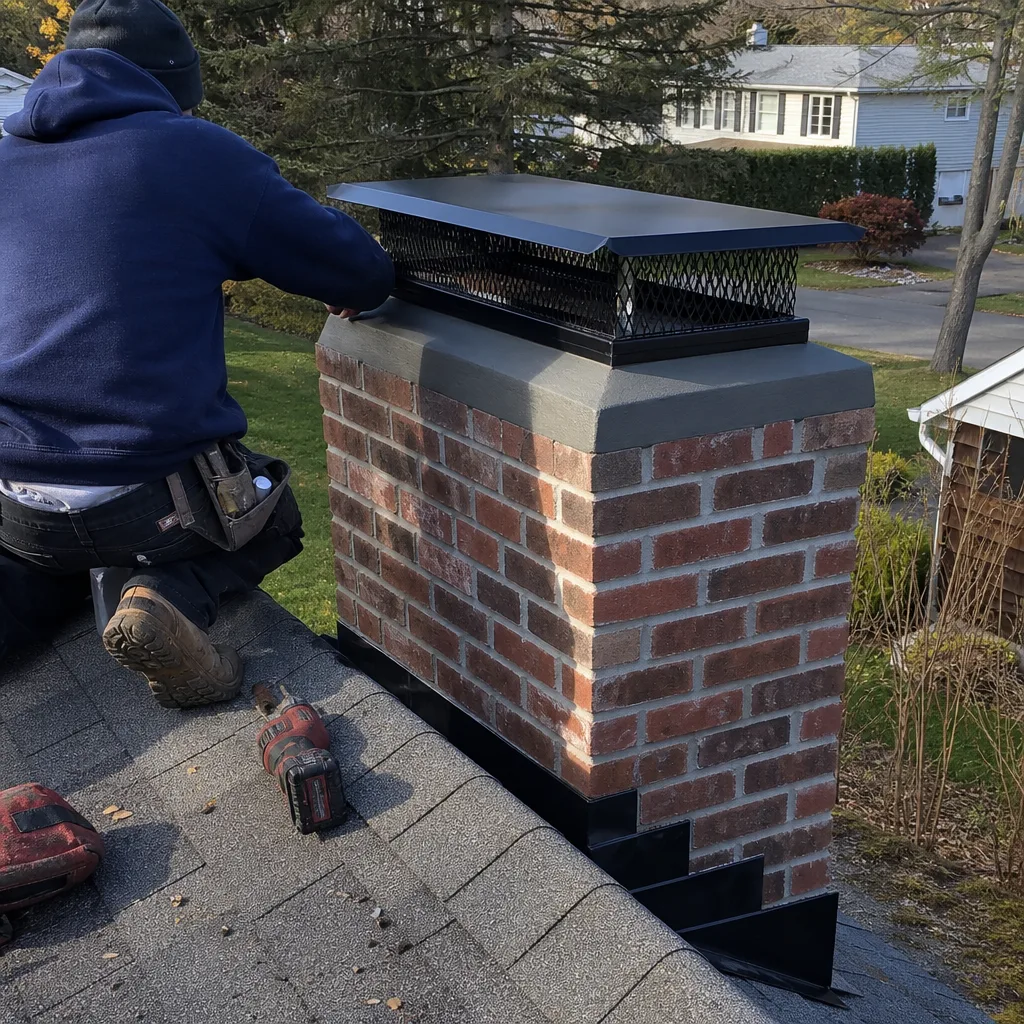 After
AfterChimney Cleaning Warning Signs: A White Plains Homeowner’s Reference Guide
Creosote glaze doesn’t smell any stronger than the dusty Stage 1 residue you could wipe off with a finger. It looks different on a camera scan, and it burns differently. But by the time it announces itself with a strong campfire odor or smoke backing into the living room, it has already passed the point where a standard cleaning resolves the risk. This guide is about the earlier, quieter indicators that show up in White Plains homes months before a chimney problem becomes dangerous or expensive. For a deeper dive into prevention, see The Complete Guide to Chimney Cleaning in White Plains. You’ll learn what a camera sees that a flashlight won’t, where moisture actually enters a Westchester chimney, and which warning signs you can safely watch from the ground versus which ones mean the next fire should not be lit.
Quick Answer
The earliest chimney warning signs in White Plains homes are rarely visible from the living room: a faint sour smell after rain, white staining on the exterior brick at the roofline, a fire that burns lazily on humid days, and a small pile of sandy mortar dust at the base of the firebox. Each of these shows up three to twelve months before the textbook symptoms of smoke backup or strong creosote odor. A camera-scan inspection identifies what these signals mean in about 45 minutes, with written documentation of every finding.
Table of Contents
- The Three Stages of Creosote: What They Look Like and What They Cost
- Early Structural Signs in Pre-1960 White Plains Chimneys
- Draft and Pressure Warnings You’re Probably Misreading
- Water Stains: Cosmetic or Structural? The Location Tells You
- What the Camera Finds That No Visible Warning Ever Will
- How White Plains Weather Accelerates Chimney Deterioration
- A Season-by-Season Watch Checklist for Your Chimney
BeforeAfterThe Three Stages of Creosote: What They Look Like and What They Cost
Creosote is the condensed byproduct of wood smoke. Every fire produces it. The difference between a routine cleaning and a multi-thousand-dollar repair often comes down to which stage has formed inside your flue, and most homeowners never see any of it until a problem surfaces. For more guides & resources on spotting issues early, explore our blog. Here’s what each stage looks like up close, what causes it, and what it costs to address in the White Plains market.
Stage 1: Dusty Soot
Stage 1 creosote is a fine, flaky black powder that coats the flue liner. It forms during hot, efficient fires with dry seasoned hardwood. It’s normal, and every wood-burning chimney produces it. A standard chimney sweep removes Stage 1 creosote with rotary brushes. In White Plains, a chimney cleaning and sweep for a Stage 1 flue typically runs $195 to $295. The job takes about an hour, and you’ll walk away with a written report and, from us, a photo record of the clean flue.
Stage 2: Flaky Crust
Stage 2 creosote looks like black cornflakes or chunky crust adhered to the liner walls. It forms when fires burn cooler, often because of unseasoned wood, a partially closed damper, or restricted airflow. The flakes are combustible and hold heat. Cleaning Stage 2 buildup requires more aggressive mechanical removal, sometimes with rotary chains or specialized scrapers. Expect to pay $300 to $425 in White Plains for a Stage 2 cleaning. If you see dark, shiny flakes falling into the firebox when you open the damper, that’s Stage 2 shedding, and it’s a warning sign the flue needs attention before the burning season.
Stage 3: Glazed Tar
Stage 3 creosote is a hard, shiny, tar-like glaze baked onto the flue liner. It forms when creosote deposits are repeatedly heated and cooled without being removed, concentrating into a dense fuel layer. This is the stage that causes chimney fires. Critically, Stage 3 creosote does not smell stronger than Stage 1. It doesn’t announce itself. You cannot see it with a flashlight from the firebox. The only reliable way to identify Stage 3 glaze is a camera scan, which is why Level Two Chimney White Plains home technicians perform a Level 2 camera inspection on every cleaning visit as standard practice, not an add-on.
What Stage 3 costs to address depends on how far it has progressed. If caught before a fire, chemical treatment followed by mechanical removal runs $500 to $800 for a typical White Plains chimney. If a flue fire has already occurred, the liner may be cracked or collapsed, and a liner replacement with DuraFlex or HeatShield materials starts around $3,500 and rises with flue height and accessibility. The earlier you catch it, the cheaper the fix.
Early Structural Signs in Pre-1960 White Plains Chimneys
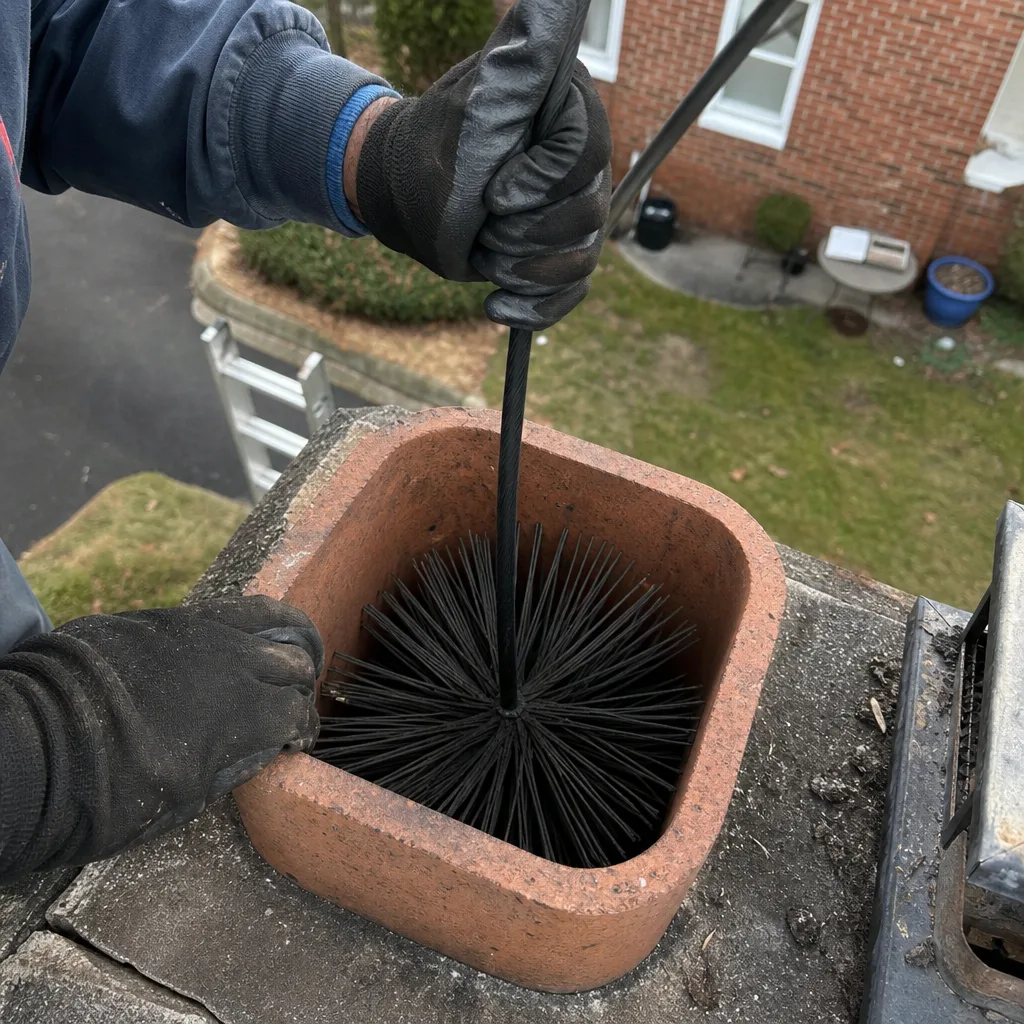
Westchester County’s housing stock is older than most of the country’s. A substantial share of White Plains homes were built before 1960, and their chimneys were constructed with lime-based mortar that breathes differently than modern Portland cement. That matters because the first structural warning sign usually appears where homeowners aren’t looking: at the roofline, not inside the firebox.
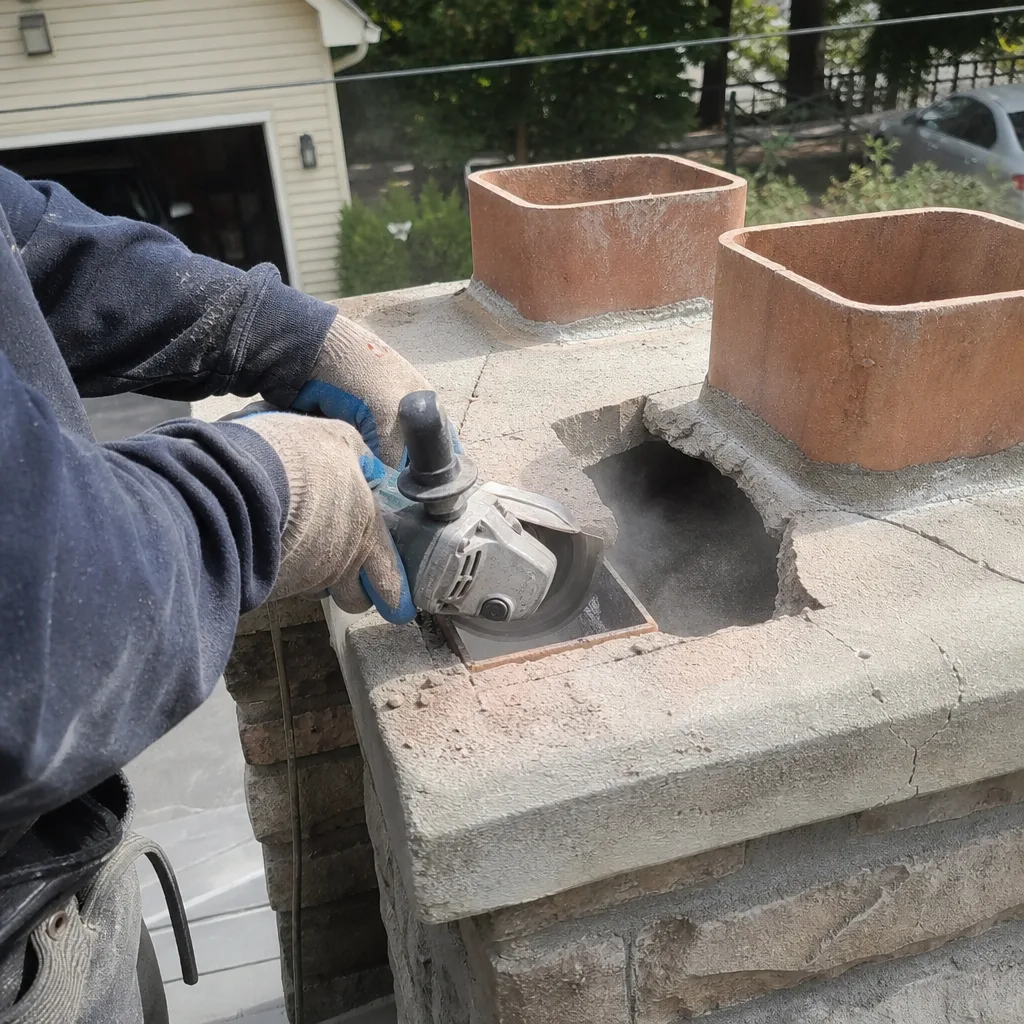
Spalling is the technical term for brick faces popping off or flaking away. It happens when water enters the brick, freezes, expands, and fractures the surface. On older White Plains chimneys, spalling typically begins at the roofline or just above it, where the chimney is most exposed to wind-driven rain and freeze-thaw cycles. Homeowners tend to inspect the firebox for cracks. The firebox, shielded by the house, can look completely intact while the upper chimney is steadily shedding brick onto the roof.
What to look for from the ground:
- Small piles of sandy red or tan dust at the base of the chimney, on the roof, or in the gutter directly below the chimney
- Brick surfaces that look “weathered” or rough compared to the rest of the house
- White, chalky residue on brick faces (efflorescence), which means water is moving through the masonry
- Mortar joints that appear recessed, crumbling, or missing in horizontal lines
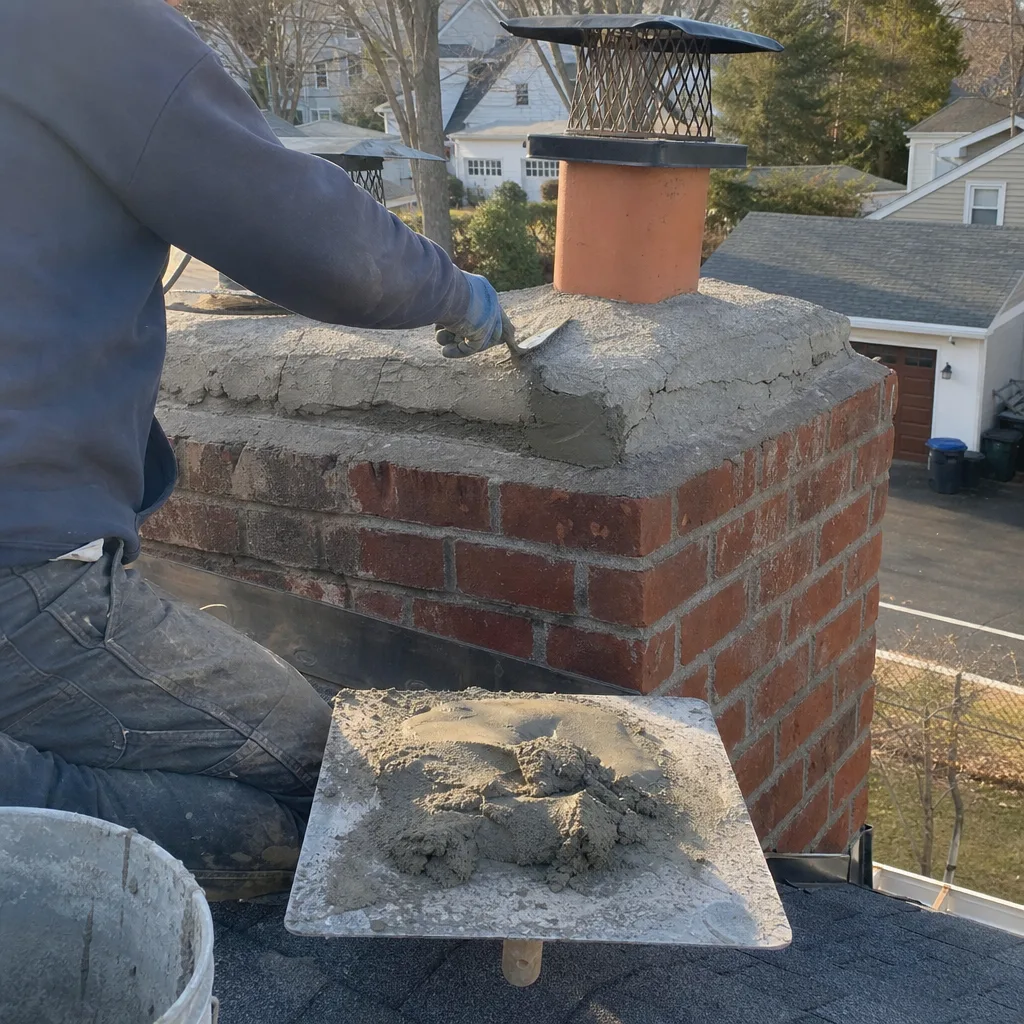
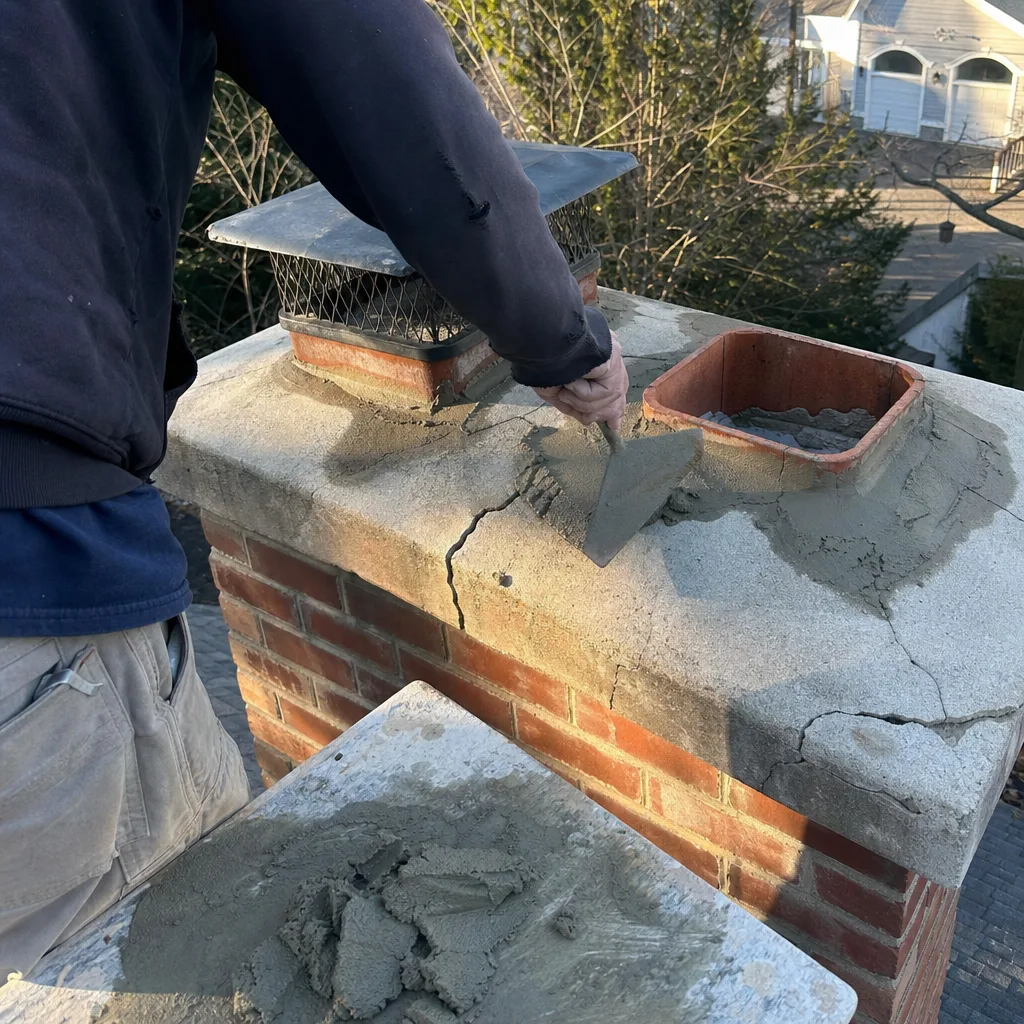
The cost to tuckpoint a White Plains chimney with proper lime-based mortar runs $1,800 to $3,500 depending on height and access. Crown repair or replacement adds $800 to $1,800. Left unaddressed, spalling advances inward and destabilizes the upper structure. At that point, a chimney repair in White Plains becomes a partial rebuild, starting around $5,000.
Draft and Pressure Warnings You’re Probably Misreading
When smoke enters the room only on certain days, the natural instinct is to blame the damper. You open it, you close it, you check the flue position, and still the smoke behaves unpredictably. In our experience across White Plains, a damper problem is actually the cause in fewer than half of these cases. The rest are pressure and draft issues, and the pattern is the diagnostic.
White Plains sits on a ridge system, and homes on the western and northern slopes experience wind patterns that differ measurably from homes in the lower streets near Mamaroneck Avenue. When wind hits the roofline from certain angles, it creates a low-pressure zone at the chimney crown, which reverses the normal draft. The smoke has nowhere to go but down. Homeowners describe this as: “the fireplace only smokes on windy days,” or “it depends which way the wind is blowing.”
That’s a backdraft pattern, and it means the chimney height or cap configuration is not right for the house’s exposure. The fix is often a differently sized chimney cap, a taller flue extension, or a draft-inducing cap. Before any of that, the liner needs a camera inspection to confirm it’s clear and properly sized. A chimney that backdrafts on windy days is also a chimney that may be spilling carbon monoxide from a furnace flue on the same days, even when the fireplace isn’t in use.
Other pressure warnings that masquerade as damper problems:
- Smoke enters the room only when the clothes dryer or range hood runs at the same time. This means the house is tight and the chimney is competing with mechanical exhaust. The fix may be a fresh-air intake, not a damper adjustment.
- The fire burns well when you open a window, poorly when you don’t. Classic negative-pressure symptom. The house needs make-up air, not a new damper.
- Smoke drifts in from a second fireplace or the furnace room, not the firebox you’re using. The flues may share a chase, and one is backfeeding the other. This needs a camera scan to sort out.
Water Stains: Cosmetic or Structural? The Location Tells You
Water stains on a chimney are common. The question that matters is whether the stain is cosmetic, meaning surface moisture that will dry, or diagnostic, meaning water has entered the flue system and is damaging the liner. The location of the stain relative to the firebox is the single most useful piece of information.
Stains on the exterior brick, appearing and disappearing with weather: These are usually surface moisture from a missing or damaged chimney cap, cracked crown, or failing mortar joints. They look worse than they are, but they’re not harmless. Repeated wetting is what drives the spalling cycle described above. Fix the crown or cap, and the stains stop. In White Plains, a new stainless chimney cap runs $350 to $650 installed, and a crown repair $800 to $1,800.
Stains on the interior firebox walls, especially after rain: This is water coming down the flue, which means the liner or the crown is compromised. Water mixing with creosote creates an acid that corrodes liners and mortar. If you see water beading or dark streaks inside the firebox after a storm, the liner needs a camera inspection. Interior water stains are never cosmetic.
Stains on the ceiling or walls adjacent to the chimney chase: These are the most serious. They mean water has penetrated the chimney structure and is entering the house framing. By the time a wall stain shows, the internal damage is often underway. This warrants a fireplace service call with a camera scan and a written assessment, not a wait-and-see approach.
What the Camera Finds That No Visible Warning Ever Will
Between the firebox and the roofline runs a section of flue liner that no homeowner ever sees and no flashlight reaches. It’s the most common failure point in White Plains chimneys, and it produces zero visible symptoms until a flue fire. Here’s what a camera-scan inspection finds in that concealed section, and why it matters.
Liner fractures in the mid-flue section. Hairline cracks form from thermal stress and acidic creosote corrosion. They don’t emit smoke into the house because the surrounding masonry contains it. They don’t cause draft problems until they widen. They’re invisible from below. But they allow heat and combustion gases to reach the masonry and the house framing. This is the finding we document most often in chimneys that have never been camera-inspected. Clause 4 of the Haven Standard requires a photo record on every job precisely because these fractures need to be seen to be believed.
Hidden blockages. A bird’s nest, a fallen flue tile, or a dead animal mid-flue doesn’t always produce smoke backup. If the obstruction allows partial airflow, you may notice only that fires burn “okay but not great.” The camera shows the blockage exactly where it sits, and the written estimate includes removal as a line item.
Separated flue tiles. Pre-1960 chimneys in White Plains often have clay tile liners. The mortar joints between tiles degrade, and the tiles can shift or separate from thermal cycling. A separated joint is a direct path for heat to reach the chimney structure. From the firebox, everything looks fine.
Since 2009, we’ve inspected more than 38,000 chimneys, every one with a written price before work started and a documented record when it was done. The camera findings are the reason that practice exists. Without them, you’re making decisions about fire safety with roughly a third of the information.
How White Plains Weather Accelerates Chimney Deterioration
White Plains has a specific climate profile that works against chimneys in predictable ways. Understanding the pattern helps you anticipate warning signs before they appear.
Freeze-thaw cycling. Winter temperatures in White Plains oscillate around the freezing point more frequently than in points north. Each crossing of that 32-degree line is a freeze-thaw event. Water in brick pores expands when frozen, and the repeated cycling is what drives spalling and crown cracking. A chimney on the north-facing exposure of a home endures more cycles than one on the south side, because it thaws more slowly and partially.
Summer humidity and creosote chemistry. White Plains summers are humid, and humidity accelerates the chemical transformation that hardens creosote. Flue conditions that would remain Stage 1 in a dry climate can progress to Stage 2 or 3 here because moisture acts as a catalyst. This is one reason an annual inspection is more than a recommendation in this climate: the local conditions compress the timeline between cleaning intervals.
Wind exposure by elevation. Homes at higher elevations in White Plains take more wind-driven rain against the chimney than homes in the valley streets. The crown and cap take the brunt. A chimney cap that’s missing, undersized, or incorrectly installed on an exposed ridge home will show water entry within a single season. The caps we install are sourced from Famco and Copperfield, selected specifically for the wind exposure patterns we see across Westchester.
A Season-by-Season Watch Checklist for Your Chimney
Chimney problems don’t announce themselves on a schedule, but the warning signs do follow the seasons. Here’s a practical calendar for what to watch and when in a White Plains home.
Spring (March through May)
- After the last freeze, walk around the house and check the ground and gutters below the chimney for spalled brick particles or sandy mortar.
- Look for efflorescence: white chalky patches on the brick that indicate water has been moving through the masonry all winter.
- Check the firebox for water stains that may have formed during spring rains. Any interior staining after rain deserves a camera inspection.
- Schedule your annual chimney cleaning now, in the off-season, when pricing is lowest and appointment availability is widest.
Summer (June through August)
- Humidity is highest. If you notice a stronger-than-usual wood-smoke odor from the firebox on humid days, that’s often moisture reacting with creosote deposits. Note it.
- Inspect the chimney cap from the ground with binoculars. Missing, bent, or rusted caps need replacement before fall rains arrive.
- Check for animal activity. Squirrels and raccoons nest in uncapped chimneys during summer. Scampering sounds or debris falling into the firebox are warnings.
Fall (September through November)
- Before the first fire, look down the flue with a flashlight. You will not see the mid-flue. What you can see is the first few feet from the damper up. Dark, shiny flakes or crust are Stage 2 or 3 indicators.
- On the first cool morning, light a small piece of newspaper and hold it up to the open damper. If smoke doesn’t rise readily once the flue warms, the draft is restricted.
- Verify the carbon monoxide detector nearest the fireplace has working batteries. This is a non-negotiable element of burning season.
Winter (December through February)
- Note any smoke-back on windy days and whether it correlates with the wind direction. This is the backdraft pattern that indicates a cap or flue-height issue.
- After heavy snow, check the crown and cap area. Snow that melts from the chimney faster than the rest of the roof indicates heat loss through the flue or chimney structure, which can mean failing insulation or liner issues.
- If you use the fireplace frequently, consider a mid-season visual check of the firebox for shiny tar accumulation.
Common Mistakes to Avoid
- Assuming no smoke means no problem. Smoke backup is a late-stage symptom. The most dangerous conditions, like Stage 3 creosote glaze and mid-flue liner fractures, produce no smoke symptoms until a fire occurs.
- Using the fireplace as a garbage incinerator. Burning wrapping paper, cardboard, or junk mail creates fast, high-heat fires that deposit Stage 1 creosote in the upper flue where it compresses into Stage 3 glaze. Burn seasoned hardwood only.
- Trusting a flashlight inspection. A flashlight shows you the first eighteen inches of flue. The remaining twenty-five feet are invisible. If a company offers a “free inspection” without a camera, it’s not an inspection.
- Painting over efflorescence. White staining on brick is water movement, not a cosmetic issue. Painting traps the moisture and accelerates spalling. The fix is the crown, cap, or mortar, not the paint.
- Waiting until fall to book a cleaning. Appointment availability in White Plains tightens in September and prices reflect demand. Off-season bookings get the same service at lower pricing and on your schedule.
- Ignoring a chimney that isn’t used. An unused chimney still deteriorates. Moisture entry, animal activity, and mortar decay happen whether or not you burn wood. The liner still needs periodic inspection because the furnace flue may route through the same structure.
When to Call a Professional
Call a chimney professional when you see shiny dark flakes in the firebox, when water stains appear inside the firebox after rain, when smoke backs up on windy days regardless of damper position, when sandy mortar accumulates at the base of the chimney, or when the fireplace hasn’t been camera-inspected in the last two years. None of these conditions resolves on its own, and most of them get more expensive the longer they wait. If you’re in White Plains and want a written assessment with photo documentation, How to Hire a Chimney Cleaning Contractor in White Plains: A Step-by-Step Guide can help you evaluate your options, or call Level Two Chimney White Plains for a free estimate. Call (914) 350-5204.
Frequently Asked Questions
A wood-burning chimney in White Plains should be inspected annually and cleaned after every cord of wood burned, or at minimum once per year if the fireplace sees regular seasonal use. The humid summers and freeze-thaw winters in this climate compress the timeline between cleanings compared to drier regions. An annual camera-scan inspection costs between $195 and $295 and documents exactly what’s in your flue.
A chimney fire often sounds like a freight train, a loud roar, or a deep rumble coming from the chimney. You may also hear popping or cracking. If you hear it, close the damper if you can do so safely, evacuate everyone from the house, and call 911. Do not attempt to extinguish it yourself. After any chimney fire, the flue must be camera-inspected before the fireplace is used again. Call us at (914) 350-5204 for an inspection if this has happened in your home.
You can brush the accessible portions, but you cannot see or safely reach the mid-flue and upper-flue sections where Stage 2 and Stage 3 creosote forms. DIY vs Professional Chimney Cleaning: The White Plains Homeowner’s Decision Guide explains why DIY cleaning creates a false sense of security: it removes what’s visible while leaving the risk concentrated where you can’t see it. A professional cleaning includes camera documentation before and after, which is what actually confirms the flue is clear. High-tension work on roofs and ladders also carries serious fall risk; this is a job for a trained, insured technician.
You should never be told you need a new liner without camera evidence that you’ve seen yourself. A cracked, separated, or collapsed liner is a visible finding on a camera scan, and any reputable company will show you the footage and explain exactly what it shows. We’re built around this: a written price, a written scope, photo documentation, and a free second opinion on any written estimate. If you’ve been told you need a liner, bring us the quote and the evidence, and we’ll verify it. Call (914) 350-5204.
A Level 1 inspection is a visual check of accessible portions of the chimney, typically what’s visible from the firebox, the roof, and the exterior. A Level 2 inspection adds camera scanning of the entire flue interior, which is the only way to see the concealed mid-flue section. Level 2 inspections are recommended when any use change occurs, after any chimney fire or weather event, and at regular intervals for wood-burning systems. We perform a Level 2 camera inspection on every visit, every time, as the default.
A standard chimney sweep and camera inspection in White Plains runs $195 to $425 depending on the creosote stage and flue accessibility. Stage 1 cleanings are the least expensive; Stage 2 and 3 buildup increase the price because they require mechanical removal or chemical treatment. We quote a written price before any work starts, on every job, no exceptions. Call (914) 350-5204 for a free estimate with a written quote.
The Bottom Line
The warning signs that matter most in White Plains chimneys are the quiet ones: mortar dust at the roofline, a sour odor after rain, a fire that burns lazily when the house is closed up, and water staining in the firebox after storms. They show up months before the loud symptoms of smoke backup and heavy creosote smell. By the time those loud symptoms arrive, the repair bill has typically doubled. A camera inspection converts all of the guesswork into documentation: photos, written findings, and a written price. That’s the standard we’ve operated under since 2009, and it’s the standard that tells you exactly where your chimney stands before burning season begins.
Written by Corrine Halstead, Owner at Level Two Chimney White Plains, serving White Plains since 2009.