
Last updated September 20, 2026
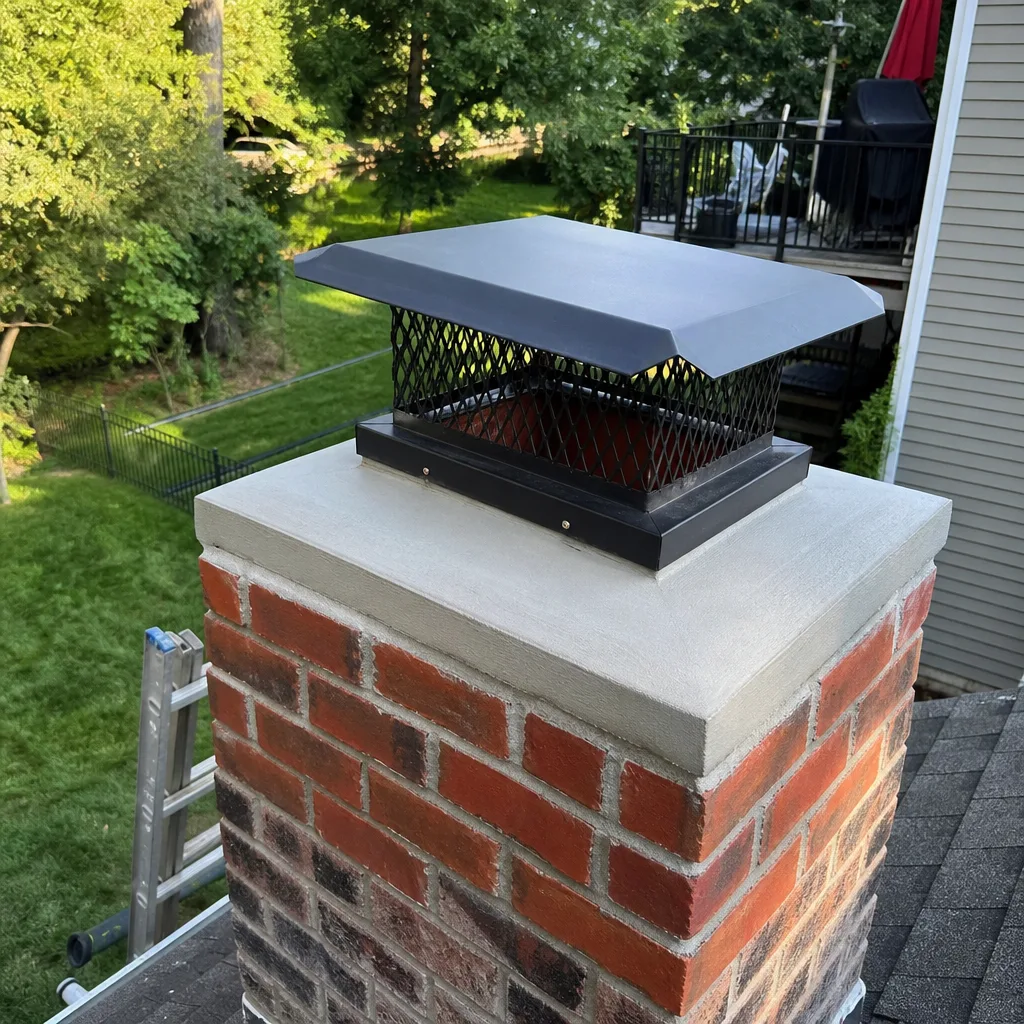
Level 1 sweep and inspection to the NFPA 211 annual standard - flue, crown, cap, and flashing checked and photographed
Chimney sweep logs do not sweep chimneys. They loosen some creosote - which then falls where a brush and vacuum still have to collect it.
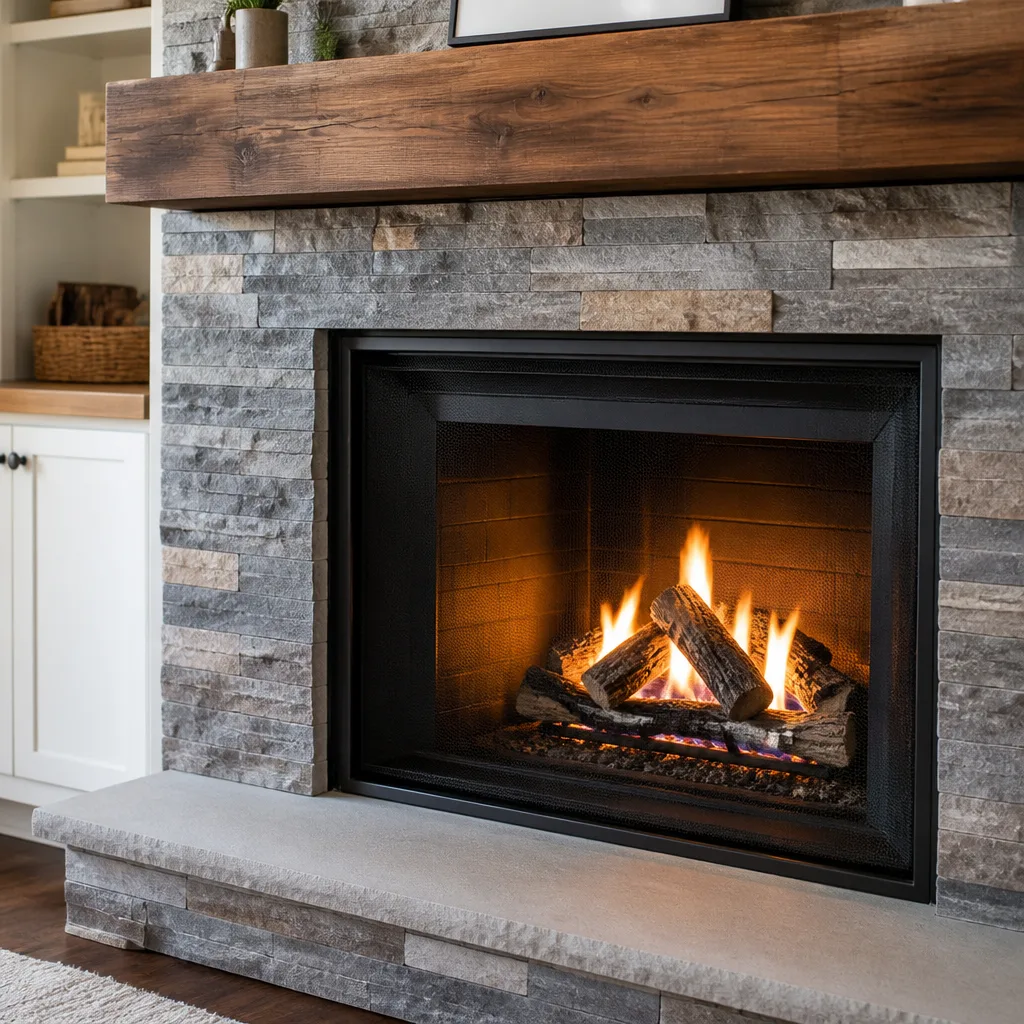
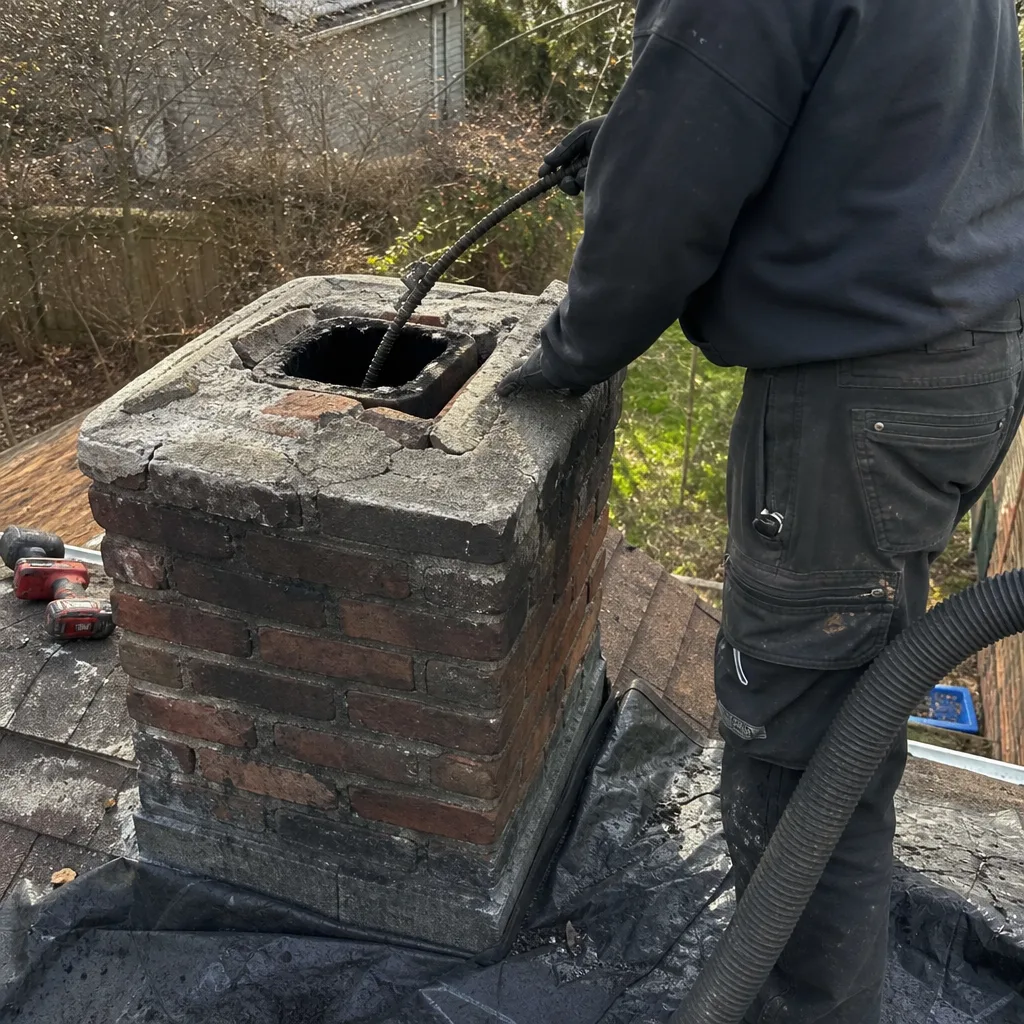 Before
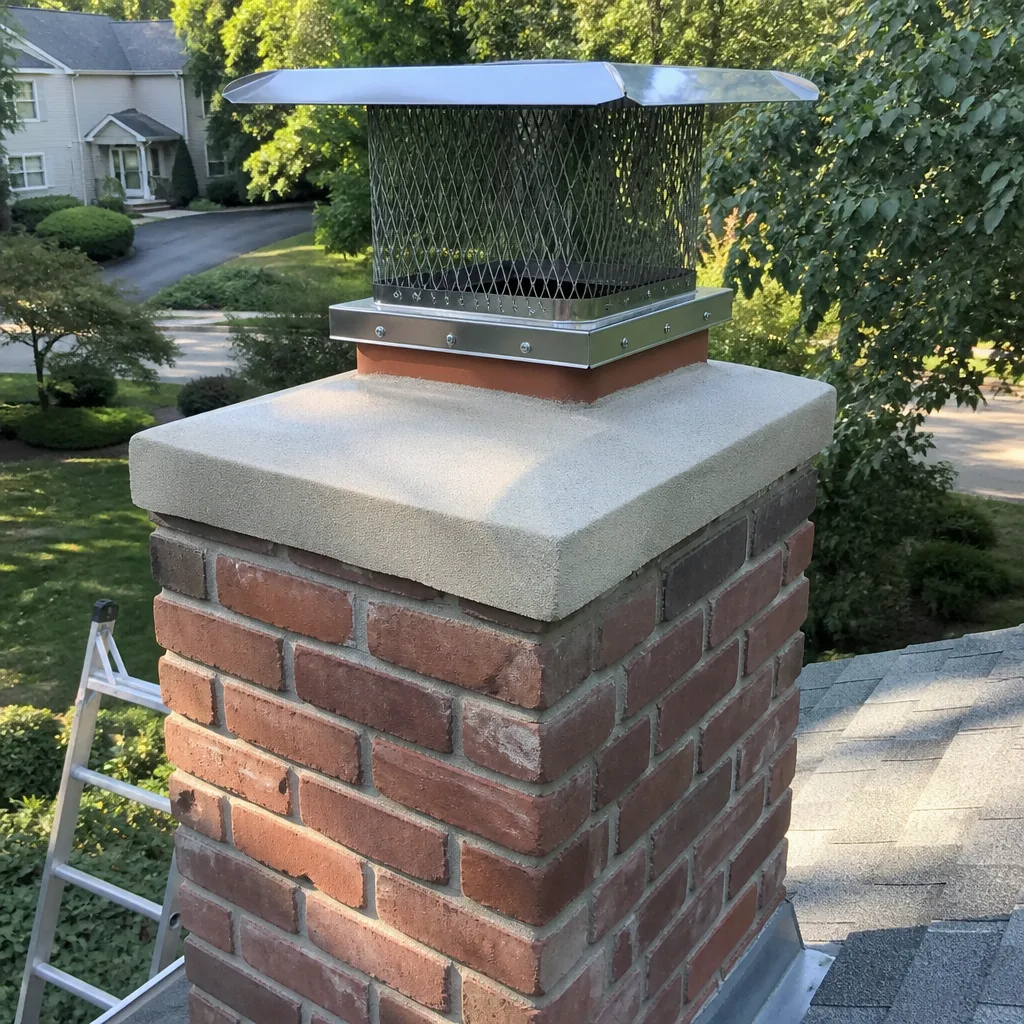 After
After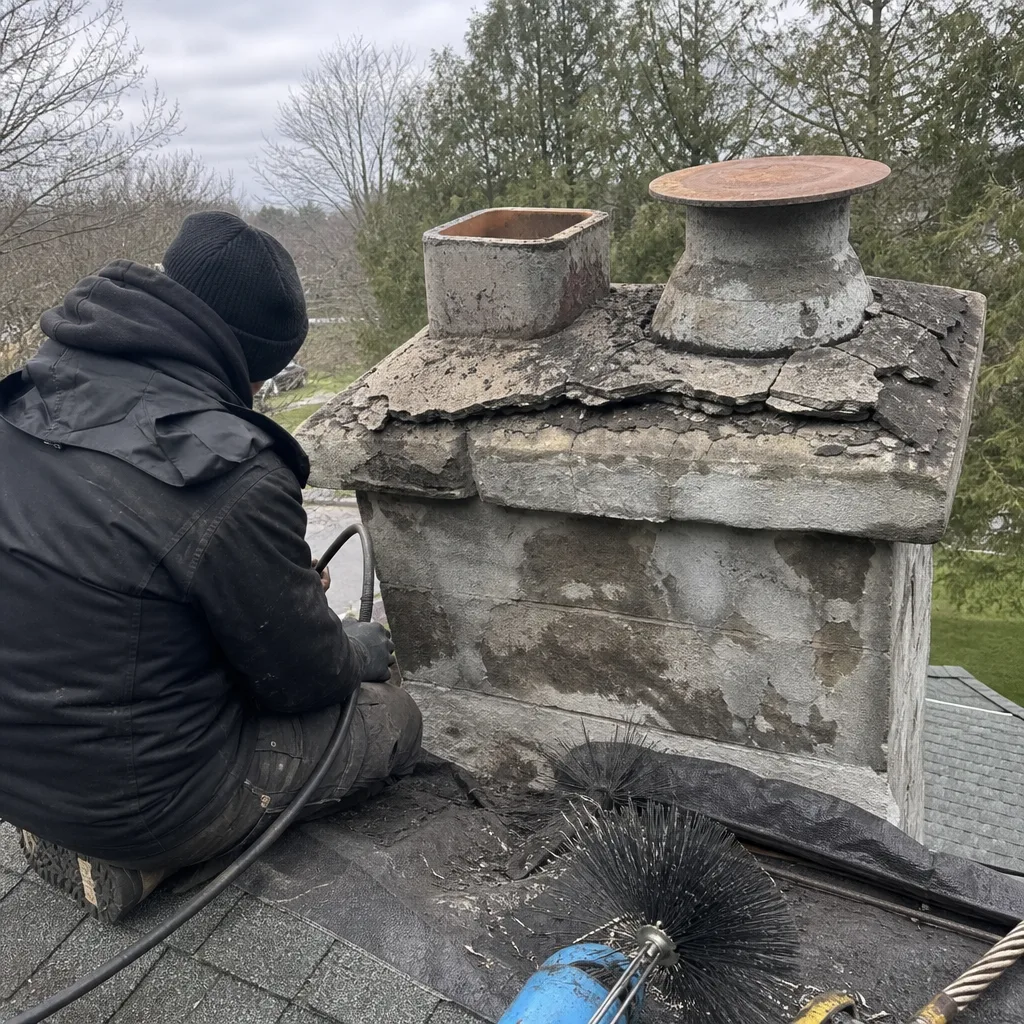 Before
 After
After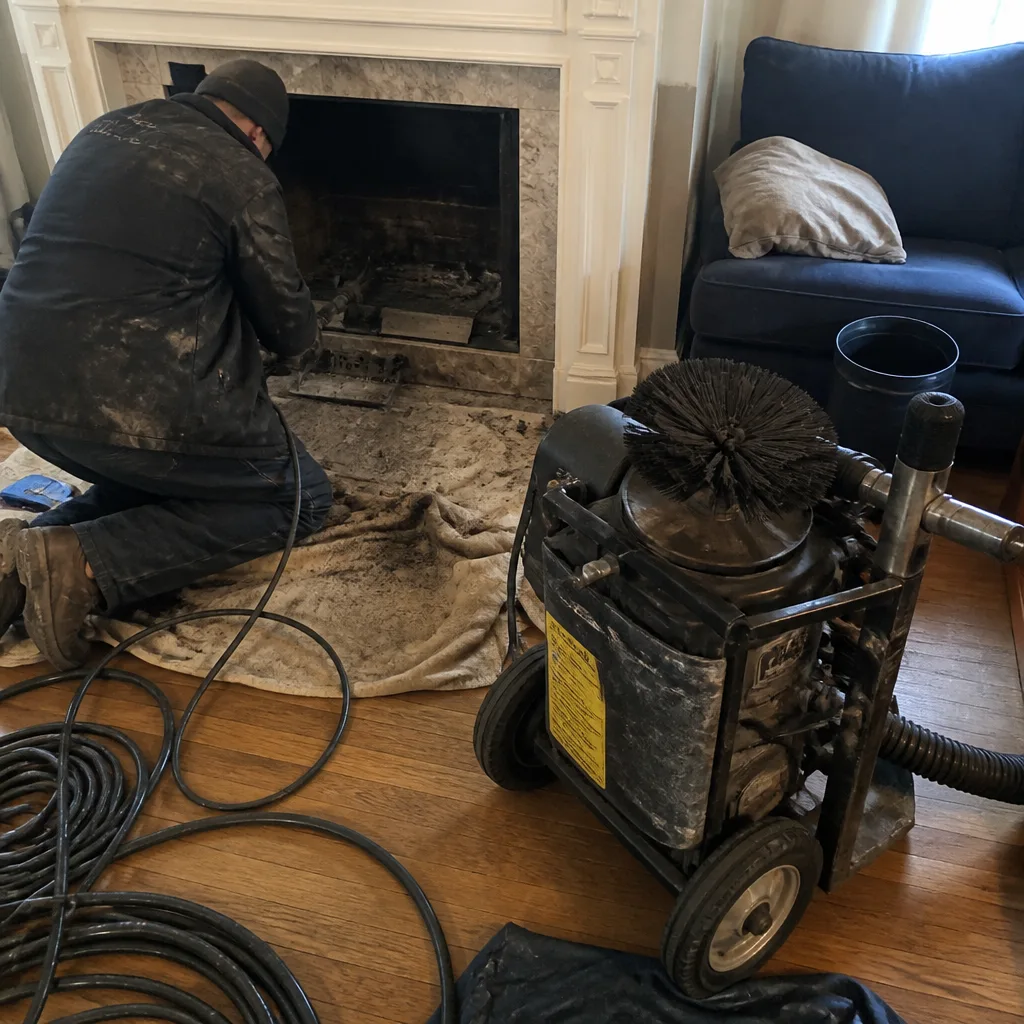 Before
 After
AfterSeasonal Chimney Cleaning Care for White Plains: Year-Round Homeowner’s Guide
Most homeowners in White Plains assume chimney cleaning is a once-a-year task you knock out in October and forget about until next fall. That’s the wrong frame entirely. What actually matters is when you clean relative to how you burned the previous season, what the flue looks like in July, and what the spring rain did to your crown in March. This guide walks through the full seasonal cycle: what to check, what to clean, what to schedule, and what you can safely leave alone. For more guides & resources, visit our blog. We’ll ground everything in Westchester County weather, White Plains housing stock, and the inspection standard we’ve worked to since 2009.
Quick Answer
Seasonal chimney care in White Plains means scheduling a professional sweep after your burning season ends (typically March or April), doing a visual check of your cap and crown in midsummer, and confirming your flue is clean and your damper seals properly before your first fire in October or November. If you burn wood regularly, once per cord burned is the practical rule; if you use the fireplace occasionally, an annual inspection with a camera scan every other year keeps you ahead of creosote buildup, water entry, and liner deterioration. The goal is to time your cleanings so moisture and creosote never sit in the flue through a full Westchester summer.
Table of Contents
- Why Seasonal Timing Matters in White Plains
- Spring: The Post-Burning-Season Sweep
- Summer: Humidity and the Flue
- Fall: The Pre-Burn Inspection
- Winter: Burning-Season Maintenance
- Creosote Classes and What They Mean
- White Plains Climate and Your Chimney
- Common Mistakes to Avoid
- When to Call a Professional
- Frequently Asked Questions
- The Bottom Line
BeforeAfterWhy Seasonal Timing Matters in White Plains
Westchester County sits in a humid continental climate zone: hot, wet summers and cold, snowy winters, with significant freeze-thaw cycling from late November through early April. That combination punishes masonry and metal flue components in ways a drier climate never would. When creosote sits in a flue through a humid July, it absorbs moisture and becomes more corrosive to stainless steel liners. When water gets into crown cracks in November and freezes, the expansion widens those cracks month after month. Seasonal timing isn’t about keeping an arbitrary calendar; it’s about syncing maintenance to the specific weather patterns that damage chimneys in White Plains, from the Highlands to Gedney Farms to the townhouse clusters off Mamaroneck Avenue.
We’ve cleaned and inspected more than 38,000 chimneys since 2009 across Westchester and the surrounding metro, and the single most consistent pattern we see is this: homes that schedule a post-season sweep in March or April almost always have cleaner flues and fewer liner problems than homes that only call in October. The reason is simple. A flue that sits clean through the humid summer doesn’t give corrosive creosote four months to eat at the liner. A crown crack caught in April gets sealed before the freeze-thaw cycle of the following winter. The seasonality of care changes the condition of the system, not just the convenience of the calendar.
Spring: The Post-Burning-Season Sweep
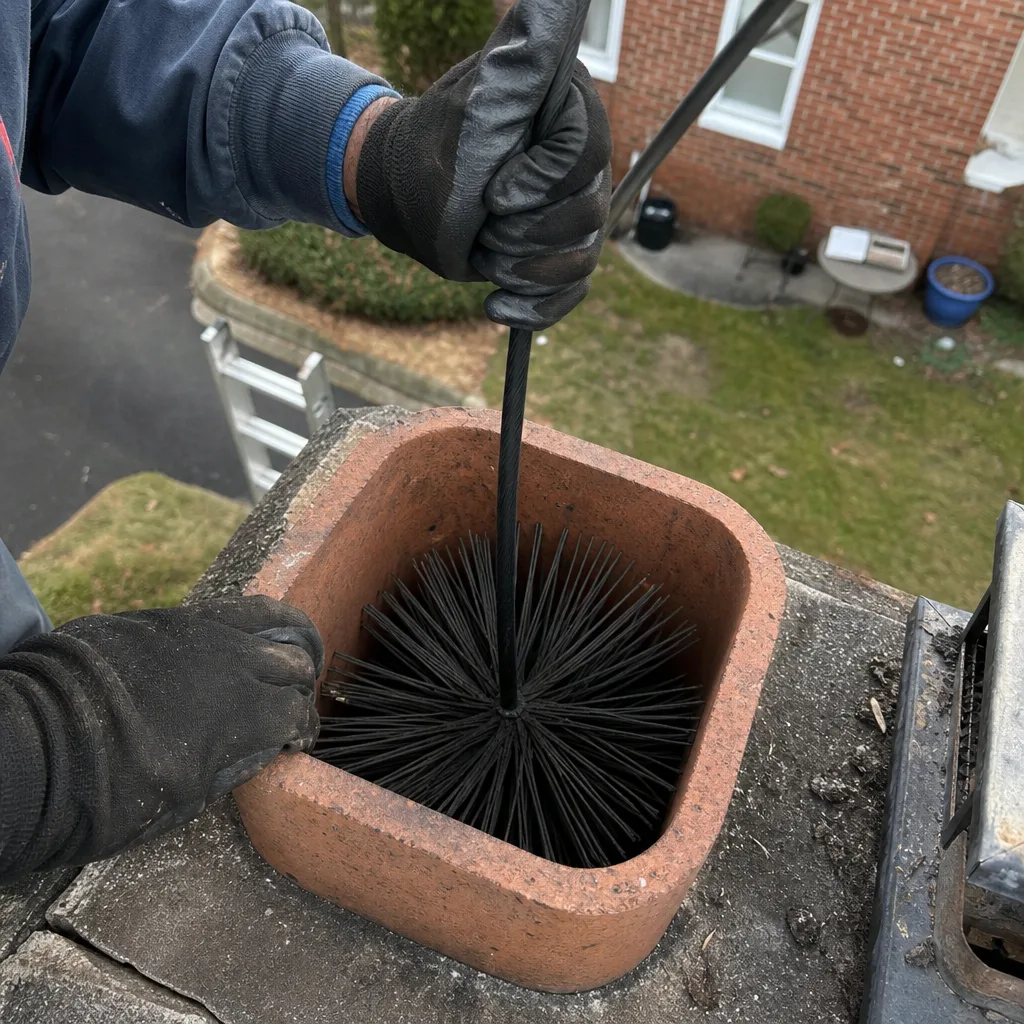
The most important cleaning of the year happens when most White Plains homeowners stop thinking about the fireplace entirely. Here’s what spring maintenance should look like and why it matters more than the fall visit.
Why sweep after the season, not before it? Because you’re removing the creosote you actually created. A fall sweep before burning season starts is useful, but it doesn’t address the glazed, hardened deposits from last winter’s fires. Those deposits have been sitting in the flue since February or March. In White Plains, where summer humidity routinely runs above 60%, that creosote absorbs atmospheric moisture. Moist creosote is heavier, stickier, and significantly more corrosive to flue liners, especially stainless steel liners from brands like DuraFlex and Copperfield. Removing it in April means the flue stays dry and clean through the worst humidity months.
A proper post-season service in White Plains includes:
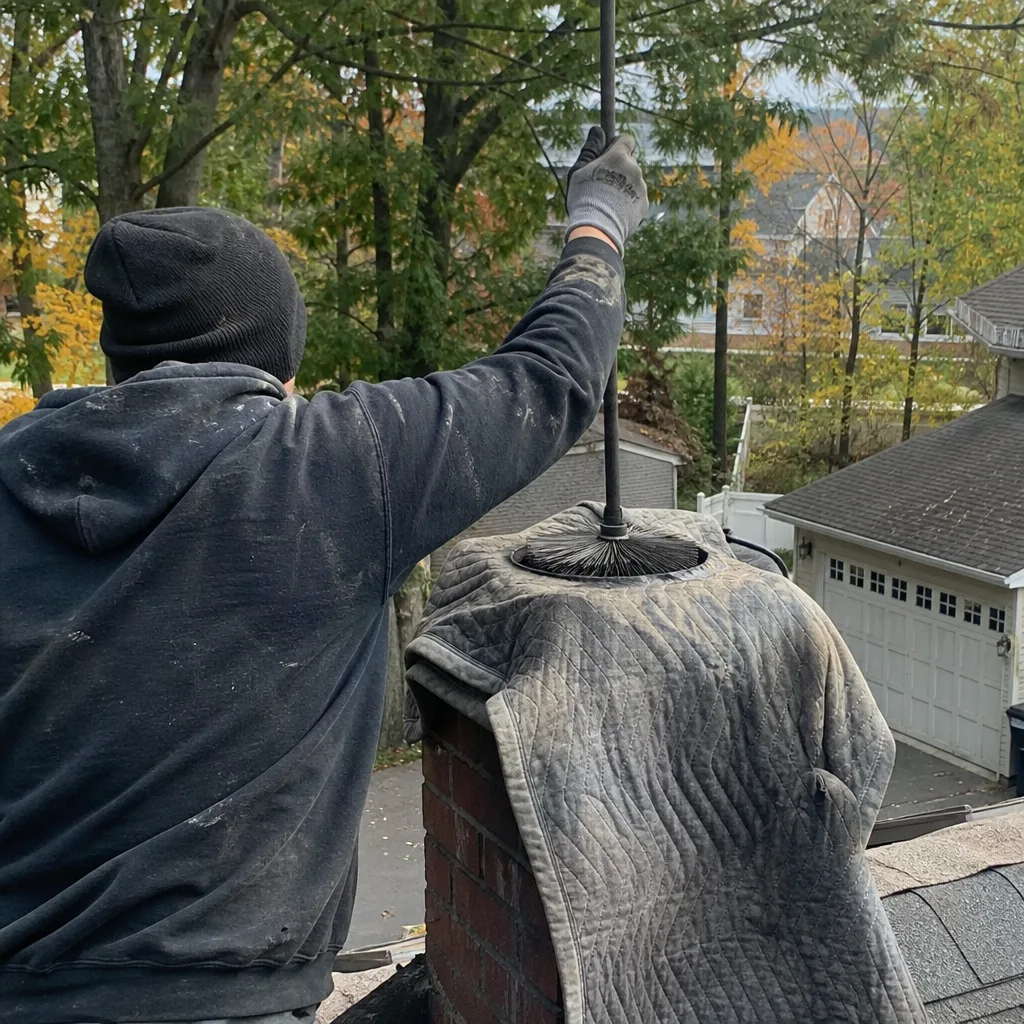
- Mechanical flue cleaning with correctly sized brushes that match the flue dimensions, not an “adjustable” brush that misses the corners.
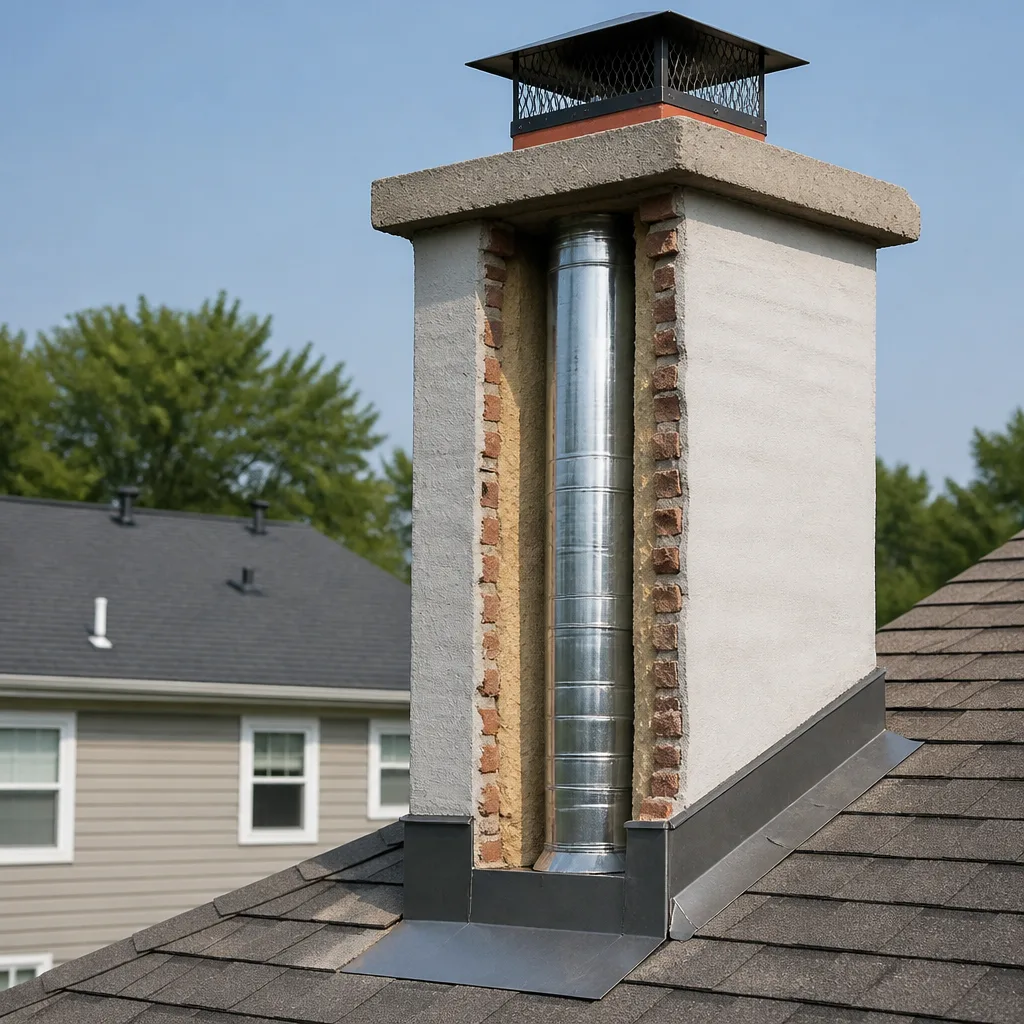
- Creosote removal from the smoke chamber, the often-overlooked space above the damper and below the flue where debris accumulates and can ignite.
- Camera scan inspection down the full length of the flue to document liner condition, mortar joints, and any cracking or spalling.
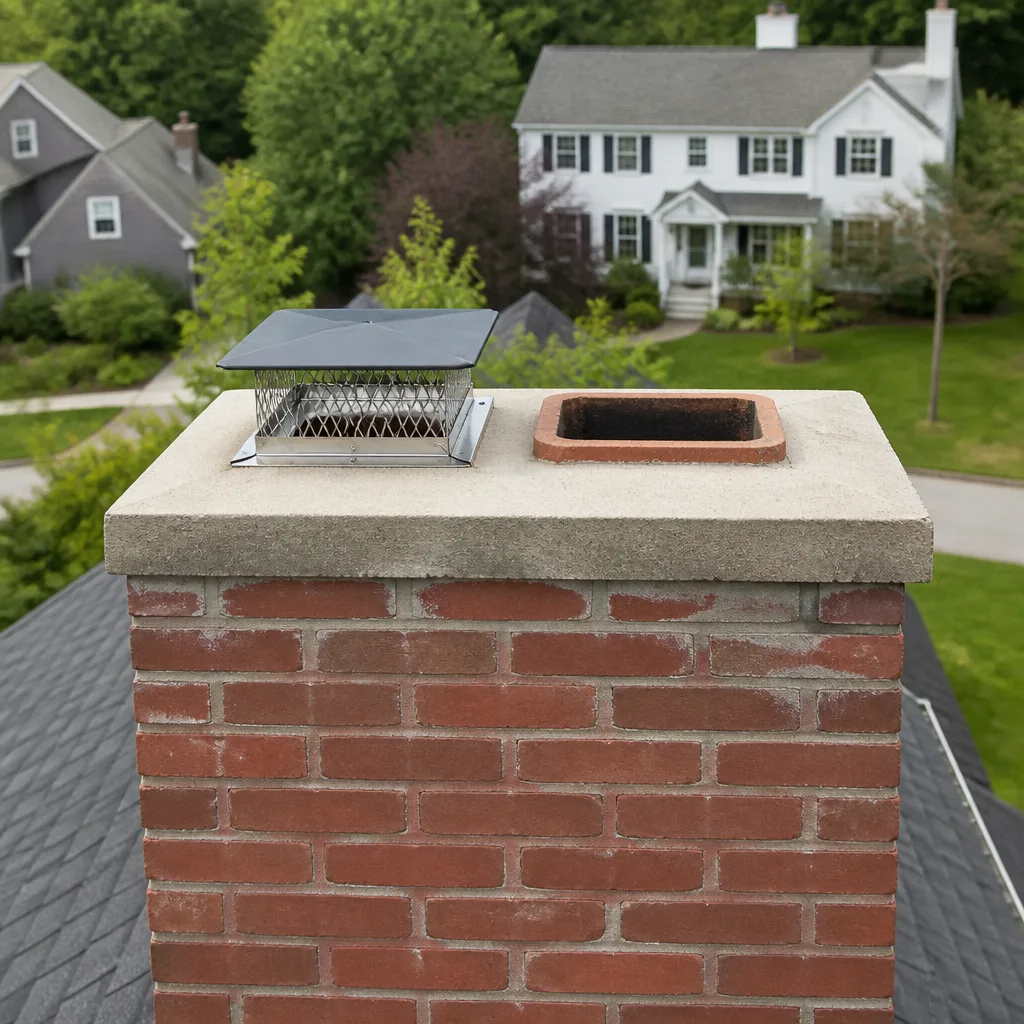
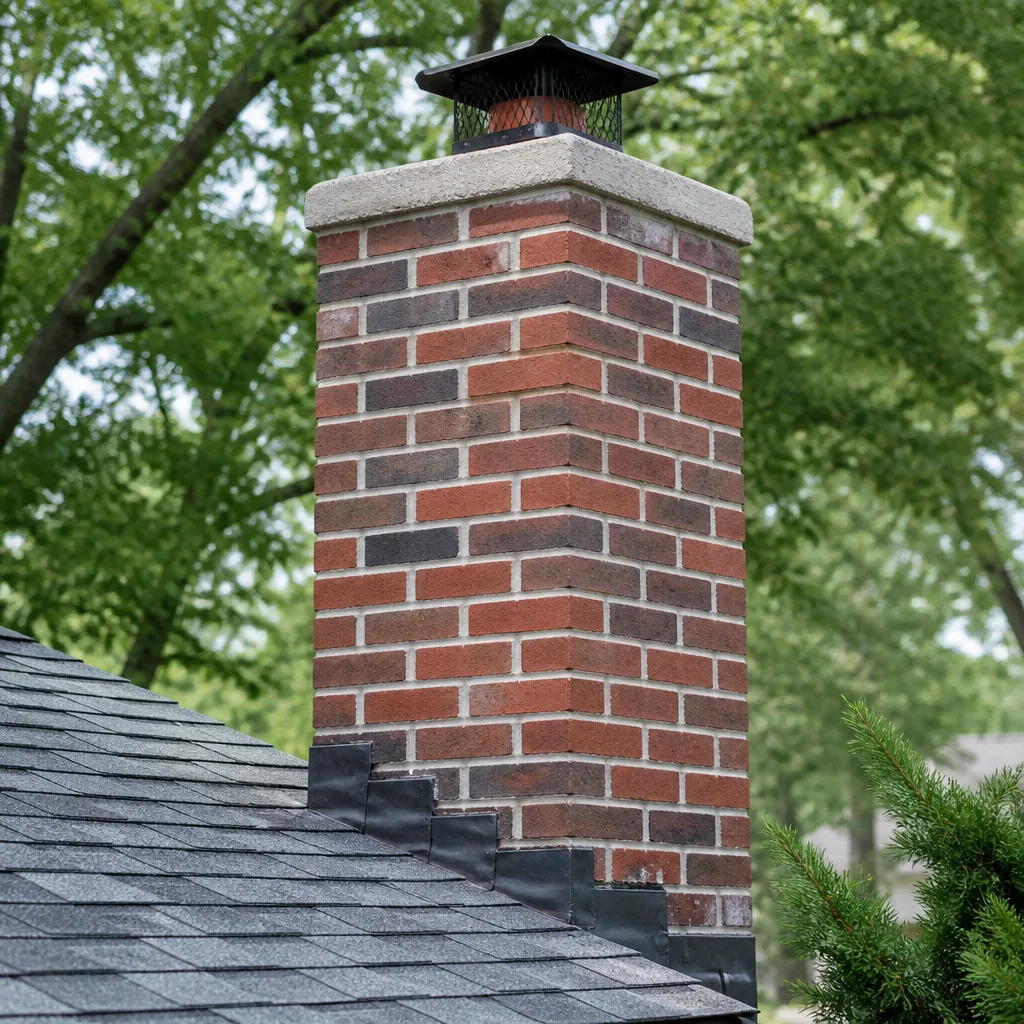
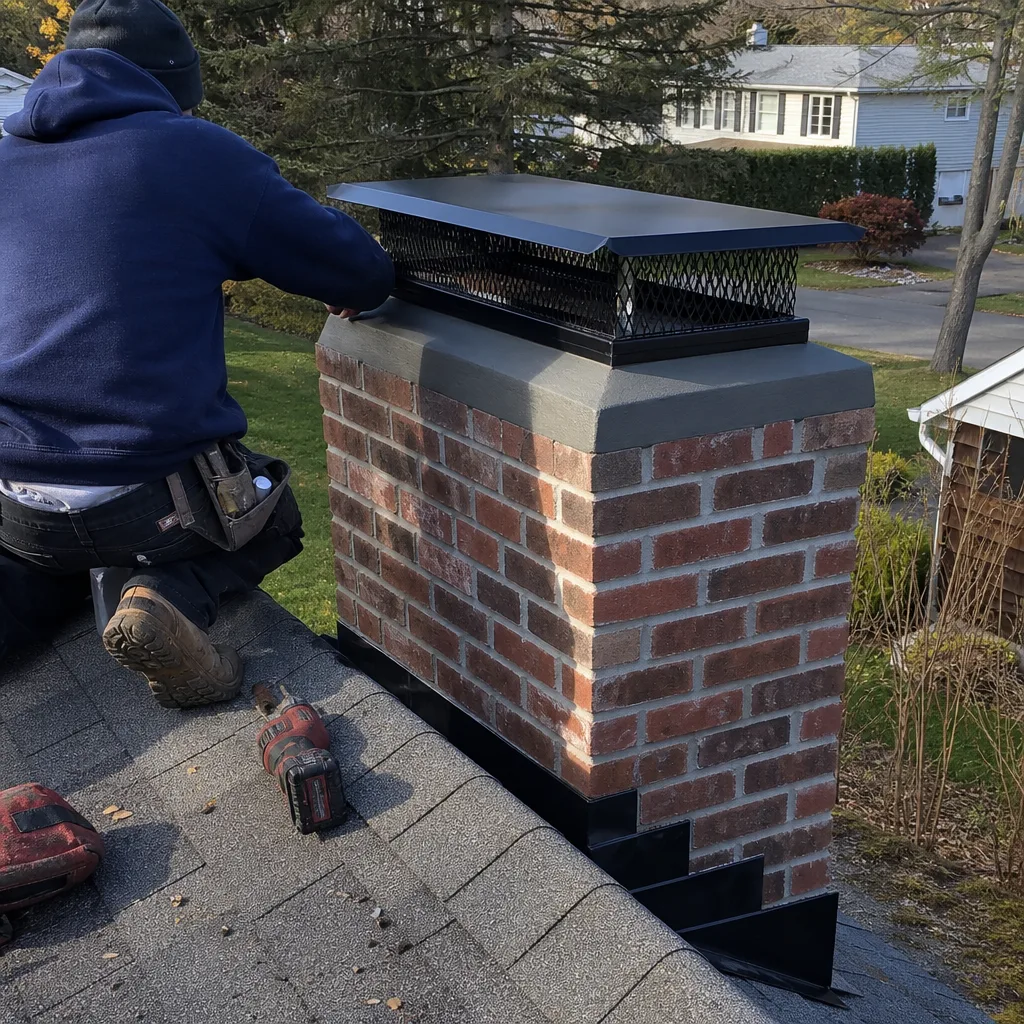
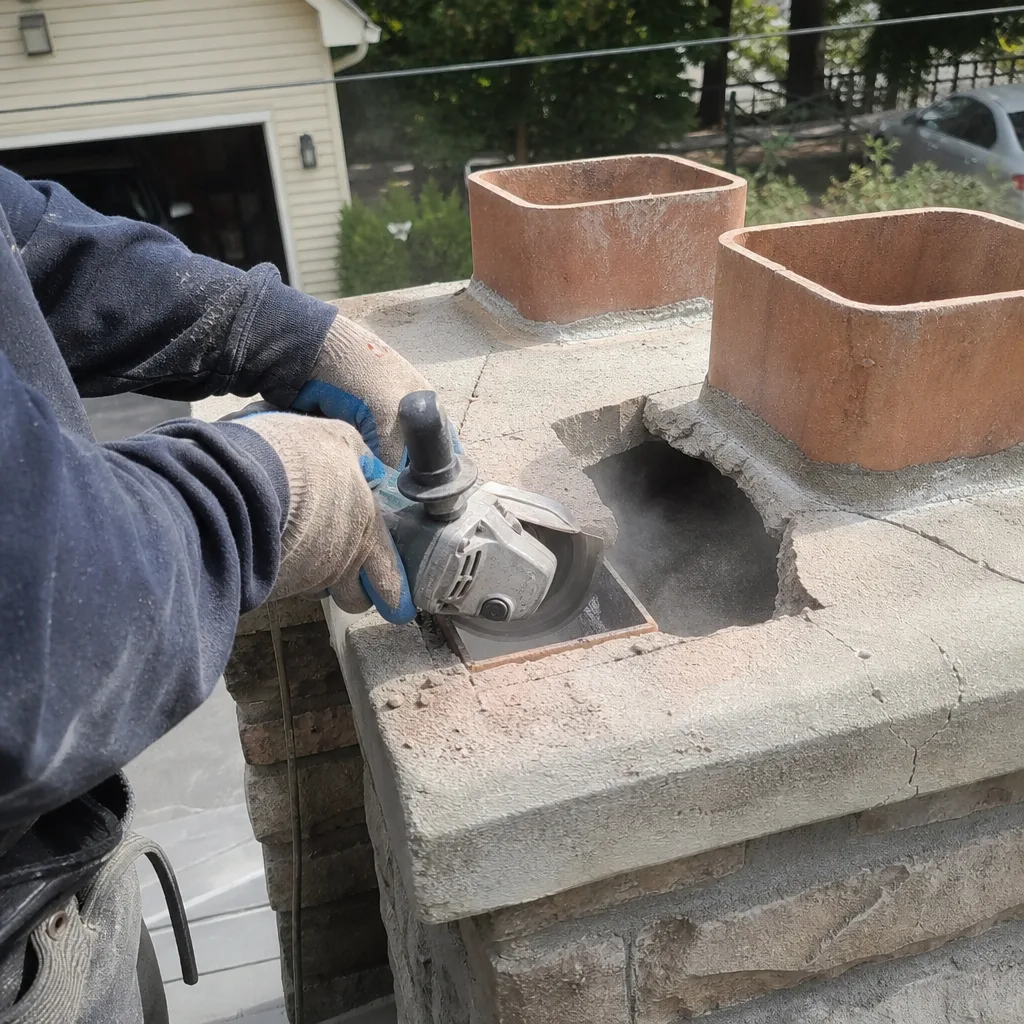
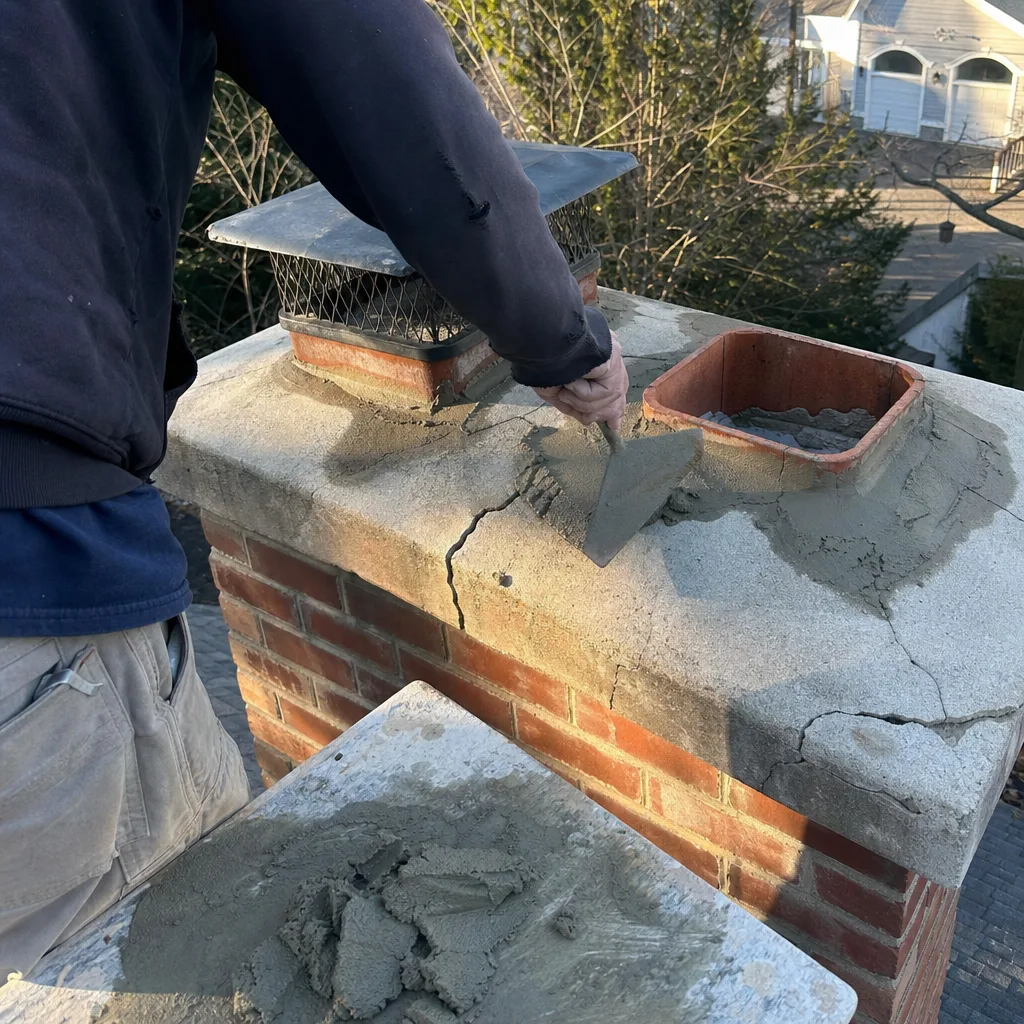
- Crown and cap check for cracks, rust, or missing sections before the heavy rain months arrive.
- A written photo record of what was found and what was done. Level Two Chimney White Plains has documented every visit this way since 2009, and it became Clause 4 of the Haven Standard: a photo record on every job.
Expect to pay $180 to $340 for a professional cleaning and inspection in White Plains, depending on flue height, accessibility, and whether the chimney serves a fireplace or a furnace. For a detailed breakdown, see our Chimney Cleaning Cost Breakdown: The White Plains Homeowner’s Reference for 2026. If you want the sweep and a full camera-scan inspection with written documentation, it should be in that range, not $600. Anything priced well below that is likely a flat-rate bait price that gets padded when the tech arrives. We quote in writing before anyone starts, every time, no exceptions.
Summer: Humidity and the Flue
White Plains summers are humid. July and August regularly see dew points in the high 60s and low 70s, and that moisture finds its way into every open chimney. Here’s what’s happening inside your flue during the months you’re not using the fireplace, and what you can do about it.
The humidity problem in plain terms: Your chimney is a vertical tube open to the sky. Humid summer air flows down into it. If the flue contains any creosote residue (and it almost always does, even after a sweep if the sweep wasn’t thorough), that creosote absorbs the humidity. Creosote is hygroscopic, meaning it pulls water directly from the air. Moist creosote expands, becomes more adhesive, and creates a damp environment against the flue liner. That damp environment accelerates corrosion, promotes the growth of mold and mildew in the smoke chamber, and produces the classic musty fireplace smell that White Plains homeowners start noticing in August.
What you can do, on a homeowner level:
- Keep the damper closed when the fireplace isn’t in use, but understand that dampers rarely seal completely. A cast-iron damper that’s fifteen years old will leave gaps.
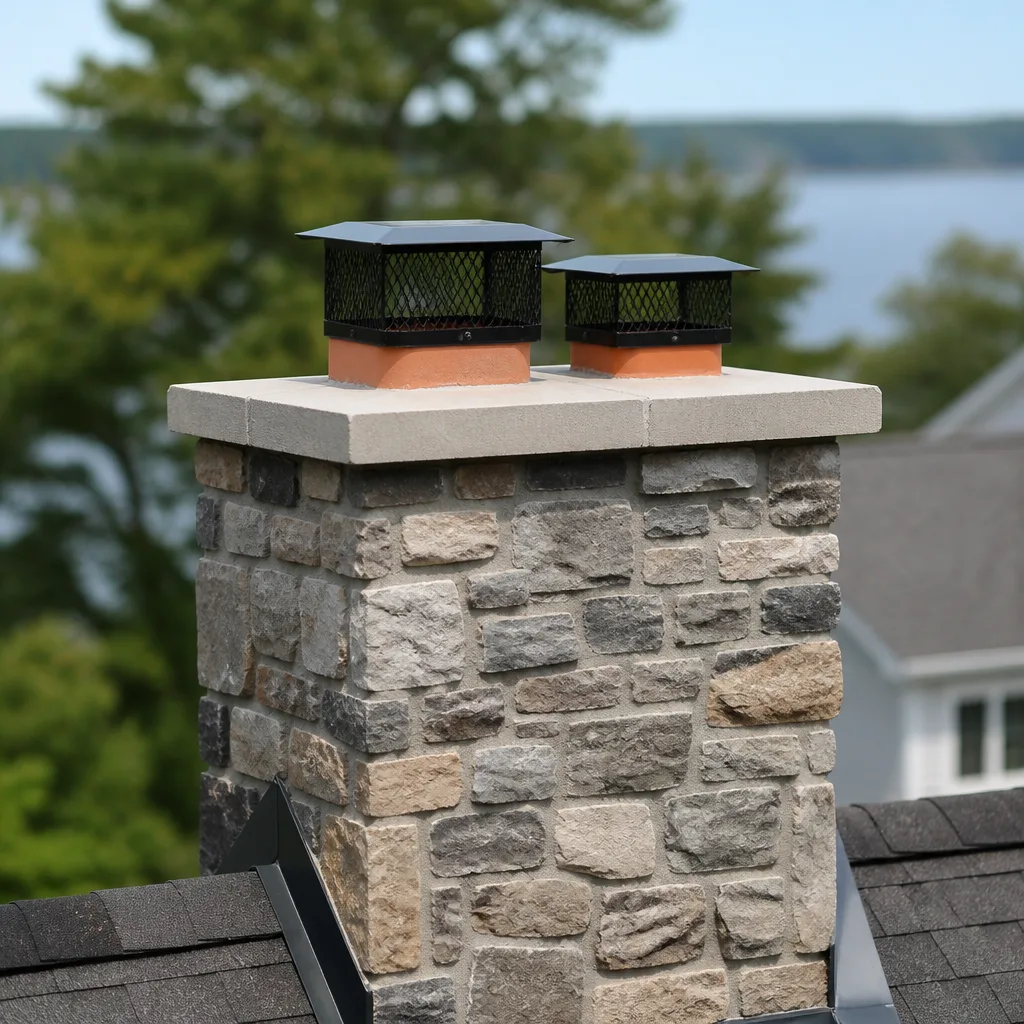
- Install a chimney cap with a screen if you don’t have one. It keeps rain and snow from entering directly, reduces downdrafts, and prevents animals from nesting. In White Plains, squirrels, raccoons, and chimney swifts are active from March through September.
- Check the crown visually from the ground in June or July. If you can see cracks from 20 feet away, they’re bad enough to call about. Crown repair is far cheaper in July than a full crown rebuild in October.
- Schedule a mid-summer camera scan if your chimney is older than 25 years or if you’ve noticed water stains around the firebox. Stainless steel liners from manufacturers like HeatShield and DuraFlex can be checked for corrosion that accelerates during humid months.
We’ve seen a pattern in White Plains neighborhoods with older housing stock: homes in Battle Hill, Highlands, and the older sections of North Street corridor built before 1980 tend to have unlined or terra cotta-lined chimneys that absorb humidity more aggressively than stainless steel systems in newer construction. Those older masonry systems benefit the most from a post-season sweep and a summer checkup.
Fall: The Pre-Burn Inspection
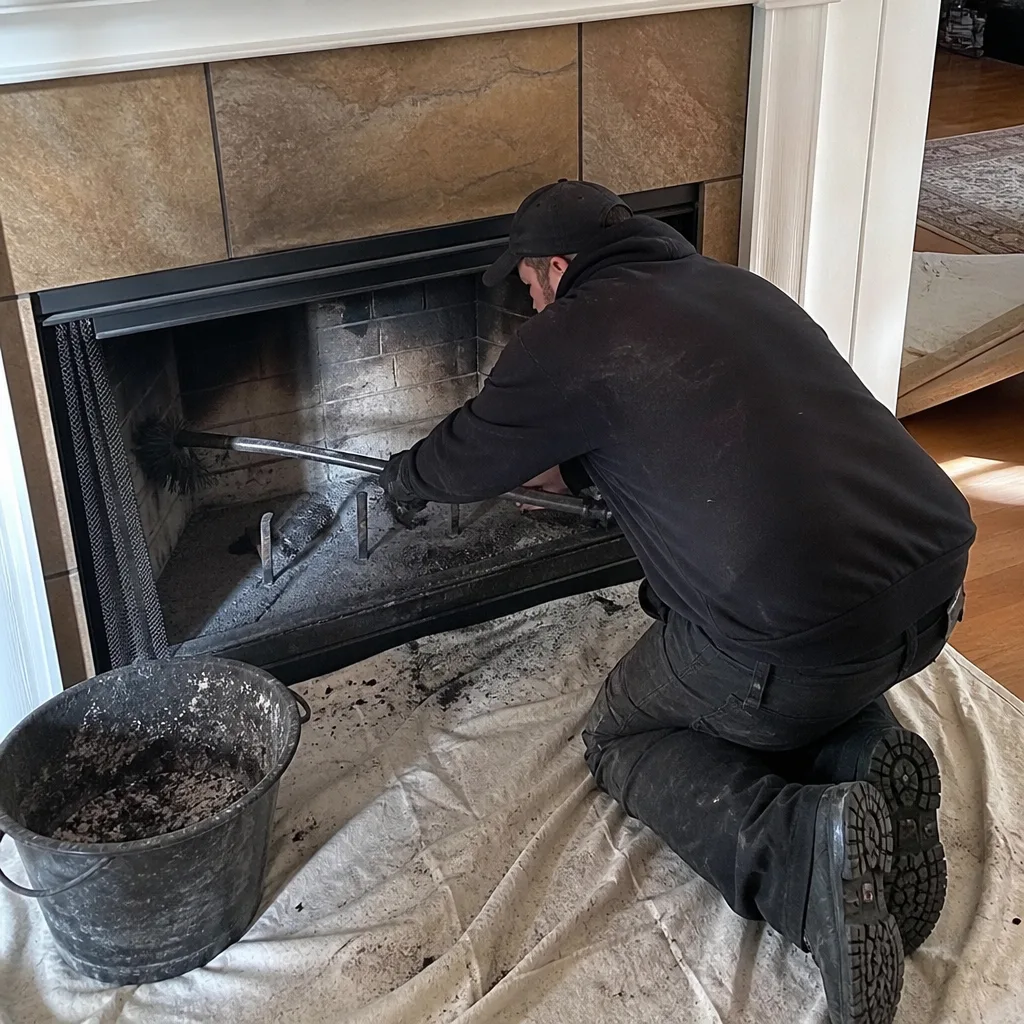
By the time September arrives in White Plains, the chimney has been sitting for five or six months. You might think the system is ready to go because you had it swept in March. But a lot happened between March and September, and not all of it is visible from the living room.
What changes between spring and fall: Summer heat expands masonry; fall cooling contracts it. Any small crack in a mortar joint or crown grows slightly each cycle. If a chimney swift or squirrel nested in the flue during the summer, that nest is a serious fire hazard and a carbon monoxide blockage risk. If heavy August thunderstorms drove rain through a cracked crown, that water could be pooling inside the smoke chamber, soaking into the masonry, and accelerating deterioration before your first fire.
A pre-burn inspection in White Plains should include:
- Visual check of the flue interior to confirm no animal nests, debris, or water entry occurred during the summer.
- Damper operation test to make sure the handle or chain works and the damper seals properly. A damper that won’t close makes the house drafty all winter long.
- Cap and crown re-check for storm damage or new cracking since the spring visit.
- Creosote re-assessment. If you burned less than a cord since your last sweep and your spring sweep was thorough, you likely don’t need another cleaning. If you burned heavily or notice a change in draft, schedule a sweep before the season.
How often should you actually clean before winter? Here’s the practical rule we’ve used with White Plains homeowners for over 15 years: if you burn wood regularly (more than one cord per season), sweep after every cord burned. If you burn occasionally (fires on weekends, a few during the holidays), an annual post-season sweep is sufficient. If you burn pine or unseasoned wood, you’ll need to clean more frequently. Pine and green wood create Class II and Class III creosote much faster than seasoned hardwoods like oak and maple.
Winter: Burning-Season Maintenance
Winter in White Plains is when the chimney does its real work, and it’s also when small issues turn into residential chimney fires. Here’s what to do during the months when the fireplace is in regular use.
Burn only seasoned hardwood. Seasoned oak, maple, and hickory that has dried for at least twelve months burns hotter and creates far less creosote than green wood or softwoods. White Plains is close enough to Westchester’s remaining wooded areas that unseasoned firewood is easy to find, but it’s a false economy. A $50 savings on green wood leads to a $200 extra cleaning in April, and the creosote you’re creating in the meantime is a fire hazard sitting above your living room.
Watch for these signs during the burning season:
- Smoke entering the room instead of going up the flue, which can indicate a cold flue, a blocked flue, or a draft problem caused by negative air pressure in the home.
- A persistent chemical smell that resembles asphalt or tar. That’s creosote off-gassing, and it often accompanies Stage II or III creosote buildup.
- A rumbling or popping sound from the chimney, which you should never ignore. That sound can indicate creosote ignition.
- Black, flaky, or shiny tar-like deposits visible on the flue walls above the damper when you shine a flashlight up.
One safety note with absolute seriousness: if you ever hear a loud roar or see flames from the top of the chimney, that’s a chimney fire. Evacuate the house and call 911 first, then call us after the fire is out. A chimney fire can reach 2,000°F and can crack flue liners, melt mortar, and spread into the house structure within minutes. We recommend a professional inspection of any chimney that’s been through a fire, even a small one, before burning again.
During the burning season, you can also rotate your firewood supply to keep the driest wood nearest the house and the oldest wood first in rotation. And every month or so, check the outside of the chimney from the ground for missing mortar, new cracks, or a chimney cap that’s shifted from snow or wind.
Creosote Classes and What They Mean
Every chimney sweep talks about creosote, but most homeowners never learn what the different creosote classes actually mean. Understanding the three classes helps you make sense of what a sweep is seeing and why they recommend what they recommend.
- Class I creosote is a fine, flaky, soot-like deposit. It’s normal, it’s easy to remove with standard brushing, and it’s the result of hot fires with dry wood. A home that burns seasoned hardwood and keeps the fire hot produces mostly Class I.
- Class II creosote is thicker, darker, and more granular, with a texture like tar-coated cornflakes. It forms when the fire burns cooler or the wood is less seasoned. It’s more difficult to remove, may require chemical treatment or rotary cleaning, and represents a moderate chimney fire risk if left untreated.
- Class III creosote is a hard, shiny, tar-like glaze that can coat the inside of the flue like glass. It forms when the flue is too cool for the volume of smoke, often in homes with oversized flues, green wood, or continuous low-burning fires. Class III creosote is extremely difficult to remove and creates a severe chimney fire risk. In some cases, the only safe remediation is a chemical treatment followed by rotary cleaning, or a flue liner replacement if the creosote has bonded to a deteriorating liner.
We’ve found Class III creosote in every type of home in White Plains, from capes in the Highlands to larger contemporaries in Saxon Woods, and the pattern is always the same: years of low-temperature fires with unseasoned wood, often combined with an unlined or oversized chimney. The fix starts with a camera scan to understand the full condition of the flue, then a written plan with a written price. No surprises.
White Plains Climate and Your Chimney
White Plains sits at an elevation of about 240 feet above sea level, in the Mamaroneck River watershed, with seasonal weather that swings from below 0°F in January (rarely, but it happens) to above 95°F in August. The freeze-thaw cycle is the single most damaging weather pattern for masonry chimneys in this area.
Here’s what that looks like on a practical level. When winter temperatures drop below freezing after a rain or snow melt, any water that has found its way into small cracks in the brick, mortar joints, or crown freezes and expands by about 9% in volume. That expansion pushes the crack slightly wider. The next warm day, the ice melts, the water seeps deeper, and the next freeze expands it further. Over ten or twenty winters, a hairline crack in a crown becomes a quarter-inch gap that lets water pour into the chimney structure.
In White Plains specifically, the problem is compounded by the wetness of the winter season. We average about 50 inches of precipitation annually, spread through every season. A dry climate would let masonry dry out between storms. Here, the masonry rarely gets that chance. That’s why we see so many spalling bricks on older homes throughout the city, where the brick faces pop off due to trapped moisture expanding and contracting. Spalling is a structural concern, not cosmetic, because it exposes the softer inner brick to even faster deterioration.
What this means for a seasonal care plan: the spring crown check is not optional. Catching a crown crack in April means a $150 to $400 repair. Missing it until October means the crack has widened through a full freeze-thaw cycle, and the repair could be $800 to $2,000, plus the cost of any interior water damage to the flue and firebox. It’s the least expensive moment in the chimney’s life cycle, and it’s the one most homeowners skip.
Read more about Chimney Repair in White Plains for a full breakdown of spalling brick, crown rebuilding, and flue relining in Westchester’s climate.
Common Mistakes to Avoid
- Only sweeping in October. Fall-only cleaning leaves spring and summer creosote sitting in the flue through the humid months, when it’s most corrosive. In White Plains, the post-season sweep is the one that actually protects the liner.
- Skipping the camera scan. A brush-only cleaning tells you nothing about liner cracks, smoke chamber damage, or hidden water entry. Without camera documentation, you’re paying for a cleaning and guessing about the condition of the system.
- Burning green wood. White Plains has plenty of cheap firewood within an hour’s drive, but “seasoned” sometimes means three months, not twelve. Green wood creates Class II and III creosote at a dramatically faster rate, which means more cleanings and more risk.
- Closing the damper too soon after a fire. The fireplace still emits heat and smoke for hours after the visible fire is out. Closing the damper prematurely trapped that smoke in the house, but also contributes to condensation in the flue that accelerates creosote formation.
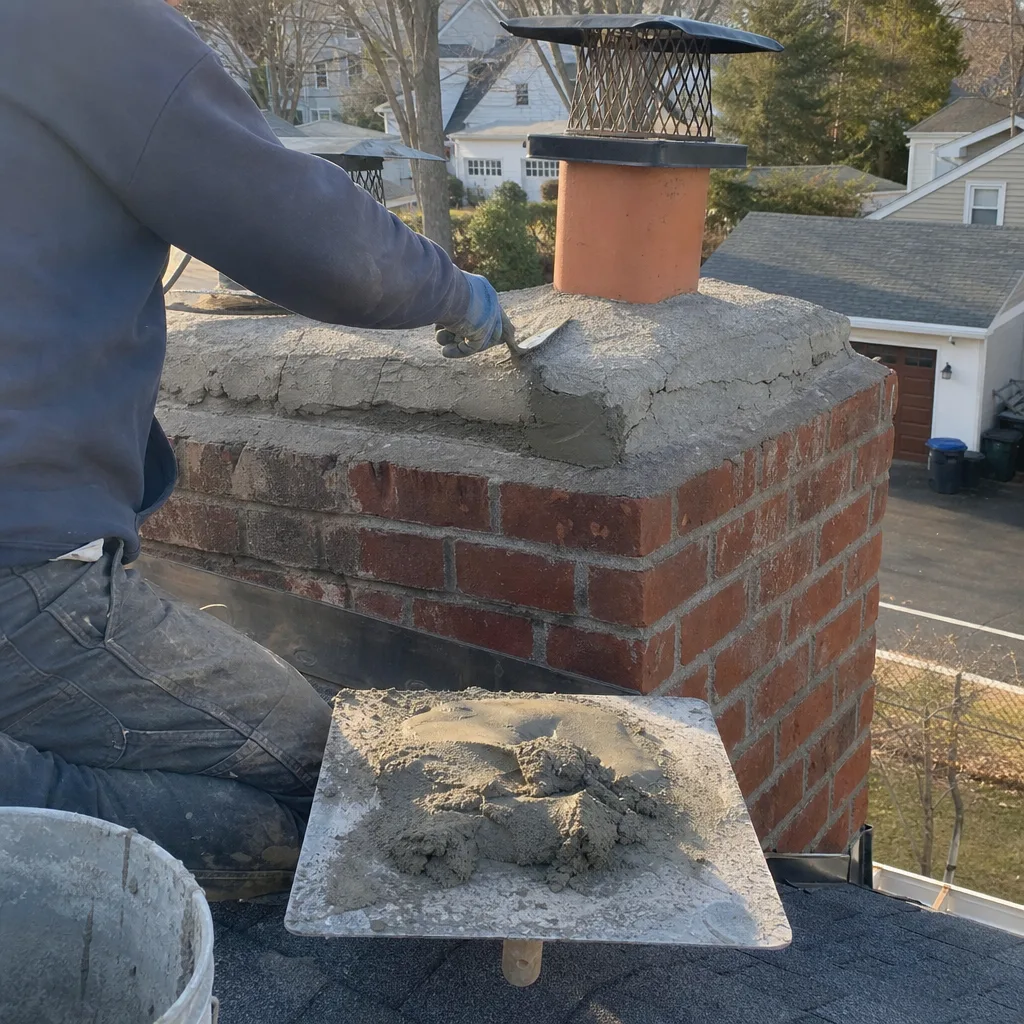
- Ignoring water stains on the ceiling near the chimney. A dark stain or peeling paint near the chimney in a White Plains home usually means water is entering through a cracked crown or damaged flashing. The longer it’s ignored, the more extensive the repair.
- Using the fireplace as a primary heat source without relining an older chimney. Many homes in White Plains built before the 1980s have unlined or terra cotta-lined chimneys. Those old systems weren’t designed for the efficiency of modern wood stoves or continuous burning, and they can be unsafe.
- Believing the “one-size-fits-all” sweep price. A $49 chimney cleaning special covers a basic brushing and nothing else. By the time the tech has arrived, it’s a $400 upsell with no written price, no written scope, and no written warranty. That’s the exact opposite of how a professional chimney company should operate. Level Two Chimney Cleaning & Sweep in White Plains has written pricing before work starts, every time.
When to Call a Professional
You should call a sweep any time you see visible creosote buildup, notice water stains around the chimney, smell a persistent musty or smoky odor coming from the fireplace, or haven’t had the chimney inspected in more than two years. You should also call after any severe weather event, especially a winter with heavy freeze-thaw cycling, to check for crown and flashing damage. And call immediately if the chimney has been through a fire, even a small one. Chimney fires can crack liners invisibly, and a cracked liner can allow heat and carbon monoxide to migrate into the wall cavities.
Level Two Chimney White Plains offers free estimates in White Plains. Call (914) 350-5204 and we’ll schedule a camera-scan inspection with a written price before anything starts. Every visit includes a documented photo record, and if you bring a competitor’s written estimate, we’ll give a free second opinion.
Frequently Asked Questions
A professional chimney sweep and inspection in White Plains typically costs between $180 and $340, depending on flue height, chimney accessibility, and whether the system serves a fireplace or a furnace. At Level Two Chimney White Plains, the price is written before work starts and includes the camera-scan inspection and photo documentation. Call (914) 350-5204 for an exact quote based on your chimney’s specific layout and condition.
Clean after every cord of wood burned, or at least once per year if you use the fireplace regularly. In White Plains, the best time for that annual cleaning is in March or April, after the burning season ends, so creosote doesn’t sit in the flue through the humid summer. Homes that burn occasionally can often go 18 to 24 months between cleanings if the fires are hot and the wood is fully seasoned.
If your chimney is unlined or has a deteriorating terra cotta liner, a stainless steel liner is the single most important safety upgrade you can make. An unlined chimney lets heat and combustion gases contact the masonry directly, which can cause house fires and carbon monoxide leaks. Modern stainless steel liners from manufacturers like DuraFlex and Olympia carry long warranties and are sized to match your appliance for proper draft. We’ll show you the camera footage before recommending a liner replacement, and you’ll get a written price before any work begins.
You can remove light soot from the firebox and inspect the visible portion of the flue with a flashlight, but a thorough mechanical cleaning and camera inspection requires equipment and training. Working on a ladder with a rotary brush is dangerous, and without a camera you can’t see cracks, blockages, or smoke chamber damage. Most importantly, if your flue has any creosote buildup beyond light Class I, you’re dealing with a potential fire hazard. A professional sweep is the right call.
A Level 1 inspection covers the readily accessible portions of the chimney: the firebox, damper, and what’s visible from the opening. A Level 2 inspection, defined by NFPA 211, includes a camera scan down the full length of the flue and an inspection of the attic, crawlspace, and roof level. See Chimney Cleaning Permits, Codes & Inspections in NY: What You Need to Know for regulatory details. Level 2 is required when you’re buying or selling a home, after a chimney fire, or when the flue has been relined. Level Two Chimney White Plains performs a Level 2 camera-scan inspection on every visit, not as an optional upgrade.
Creosote builds up in layers. Class I gives way to Class II, then Class III, and the flue becomes a fire waiting for a hot burn. Water that enters through an unchecked crown crack deteriorates the liner and mortar, and the repair bill climbs from hundreds to thousands. In a humid climate like White Plains, the damage compounds through the summer months even when the fireplace is unused. The practical cost of skipping cleanings is not the price of a sweep, it’s the price of a reline or rebuild. Call (914) 350-5204 for an exact quote on a cleaning and inspection, with a written price before work starts.
The Bottom Line
Seasonal chimney care in White Plains is a matter of timing, not just frequency. The spring post-season sweep is the most important cleaning of the year because it removes creosote before the humid summer months when it becomes most corrosive. A midsummer visual check catches cap and crown damage before the freeze-thaw cycle worsens it. A fall pre-burn inspection confirms the system is safe and clean before the first fire. And throughout the burning season, seasoned hardwood, a working damper, and a close watch for warning signs keep the chimney safe and efficient. Document everything. A written price, a written scope, and a photo record on every visit is what accountable chimney care looks like, and that’s the standard we’ve managed since 2009. For chimney work in White Plains, start with Level Two Chimney White Plains home or explore our Fireplace Services in White Plains page to see the full range of what we do.
Written by Corrine Halstead, Owner at Level Two Chimney White Plains, serving White Plains since 2009.