

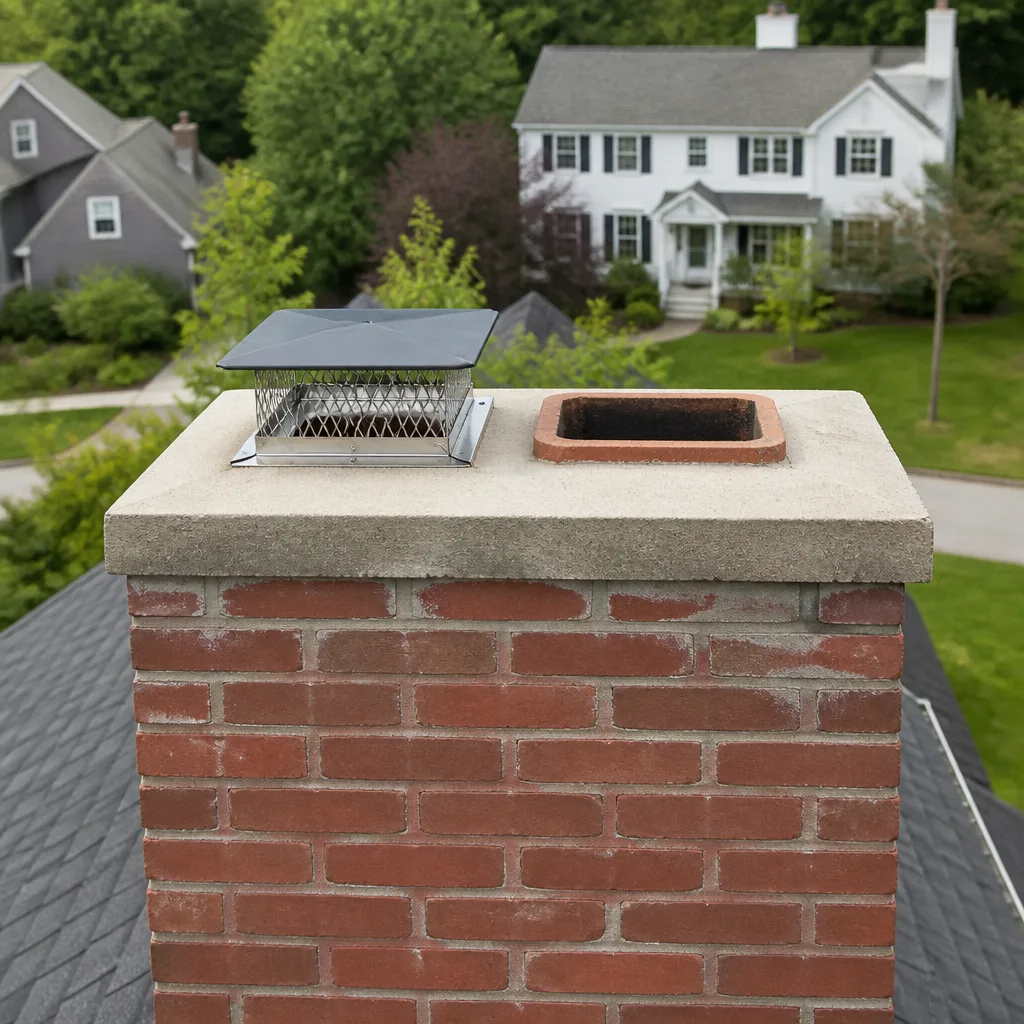
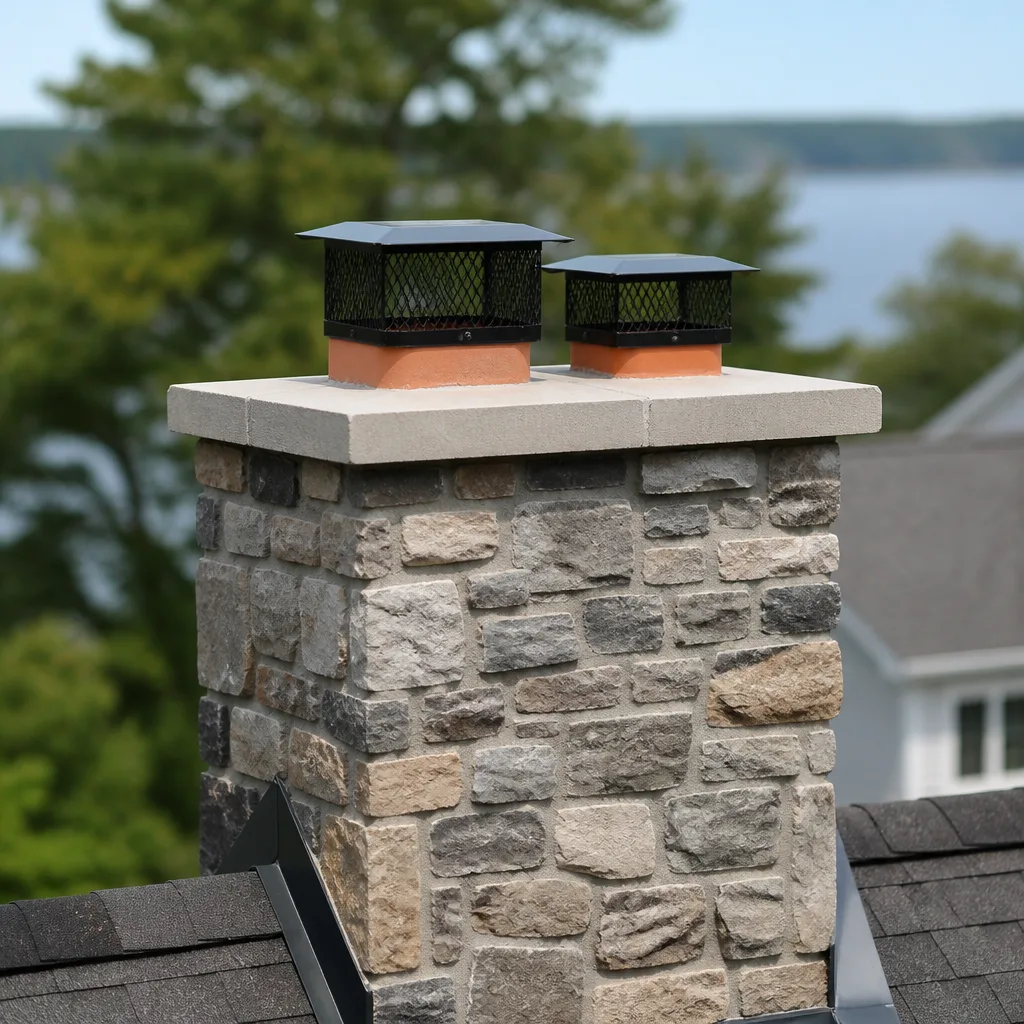
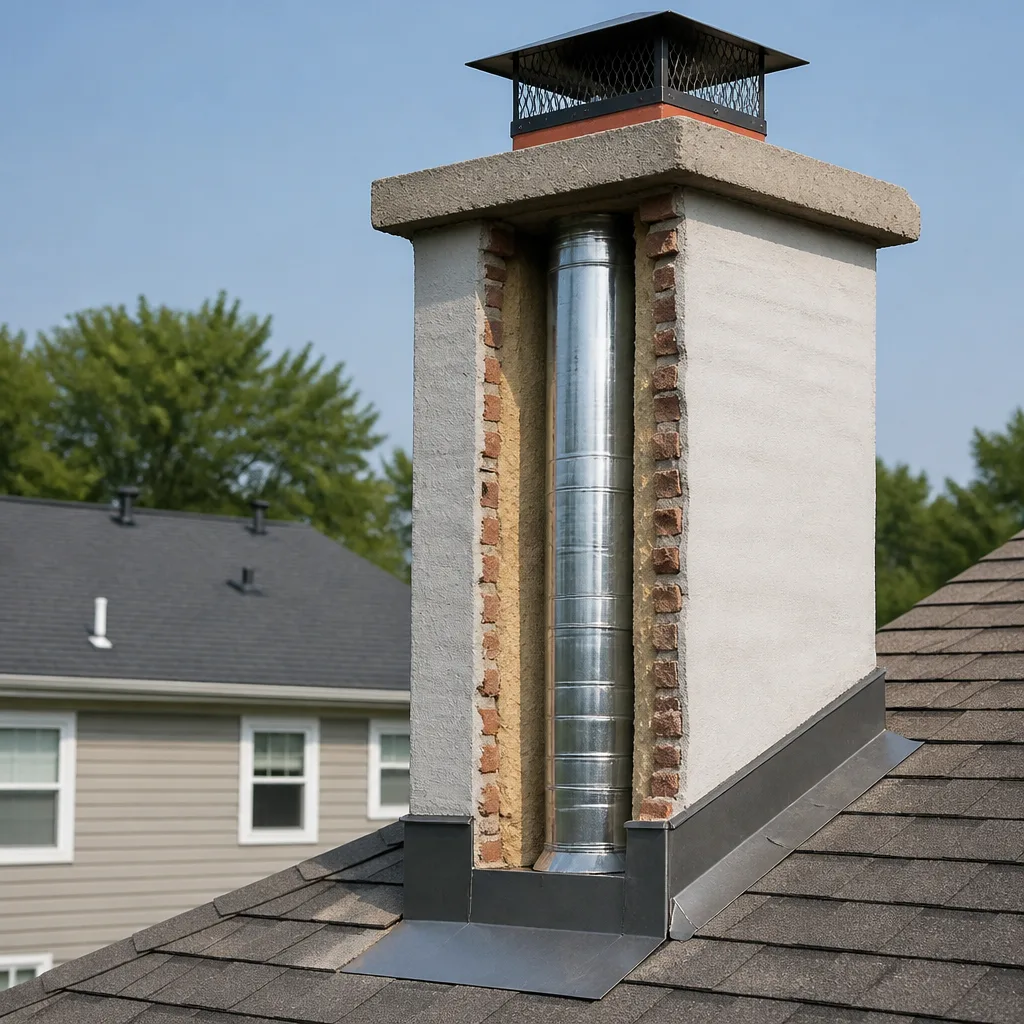
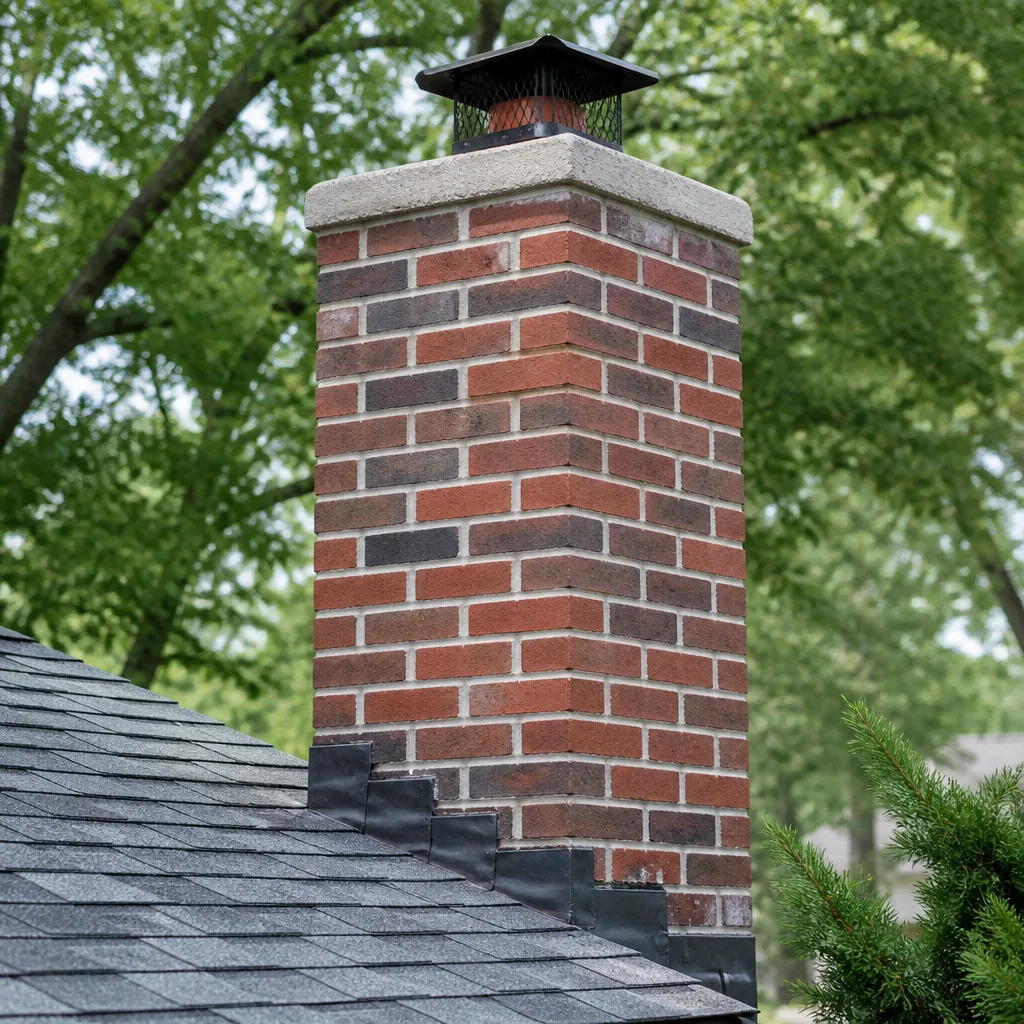
Level 1 sweep and inspection to the NFPA 211 annual standard - flue, crown, cap, and flashing checked and photographed
Chimney sweep logs do not sweep chimneys. They loosen some creosote - which then falls where a brush and vacuum still have to collect it.
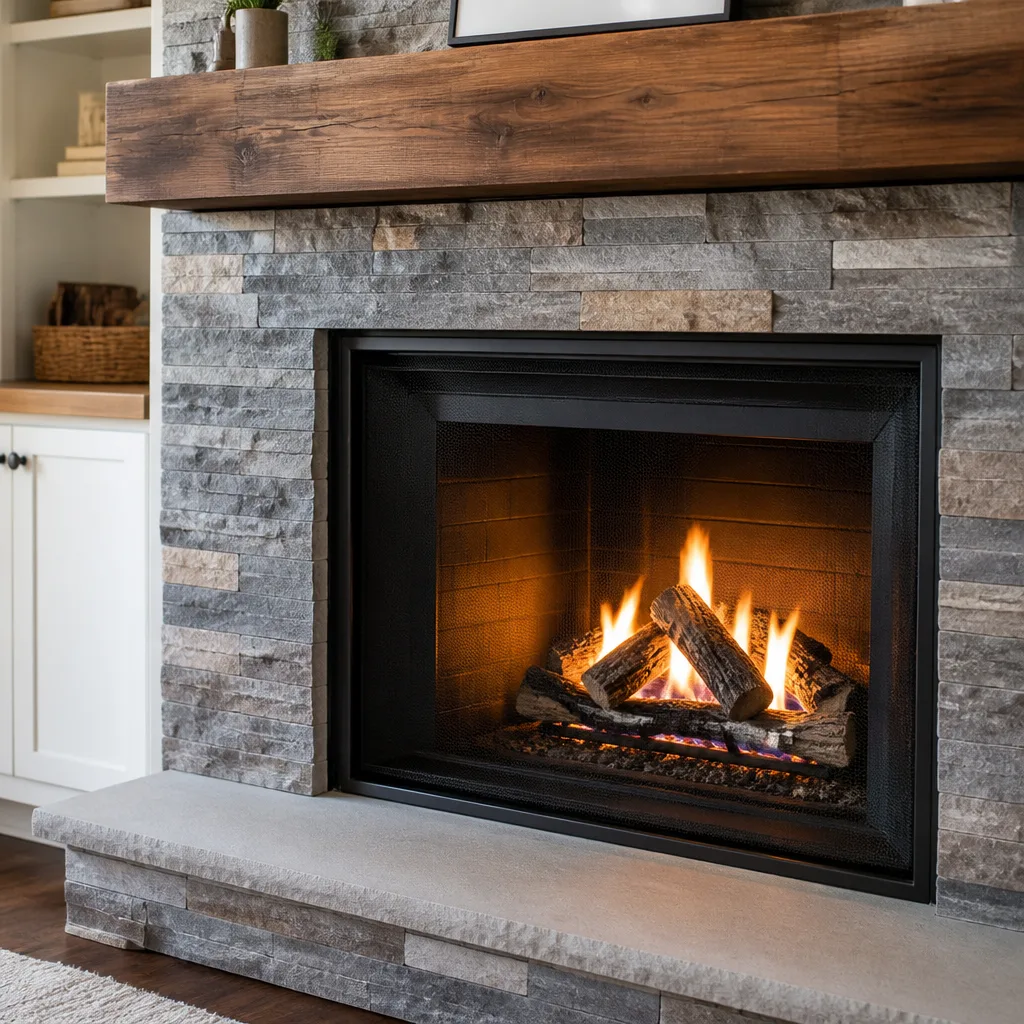
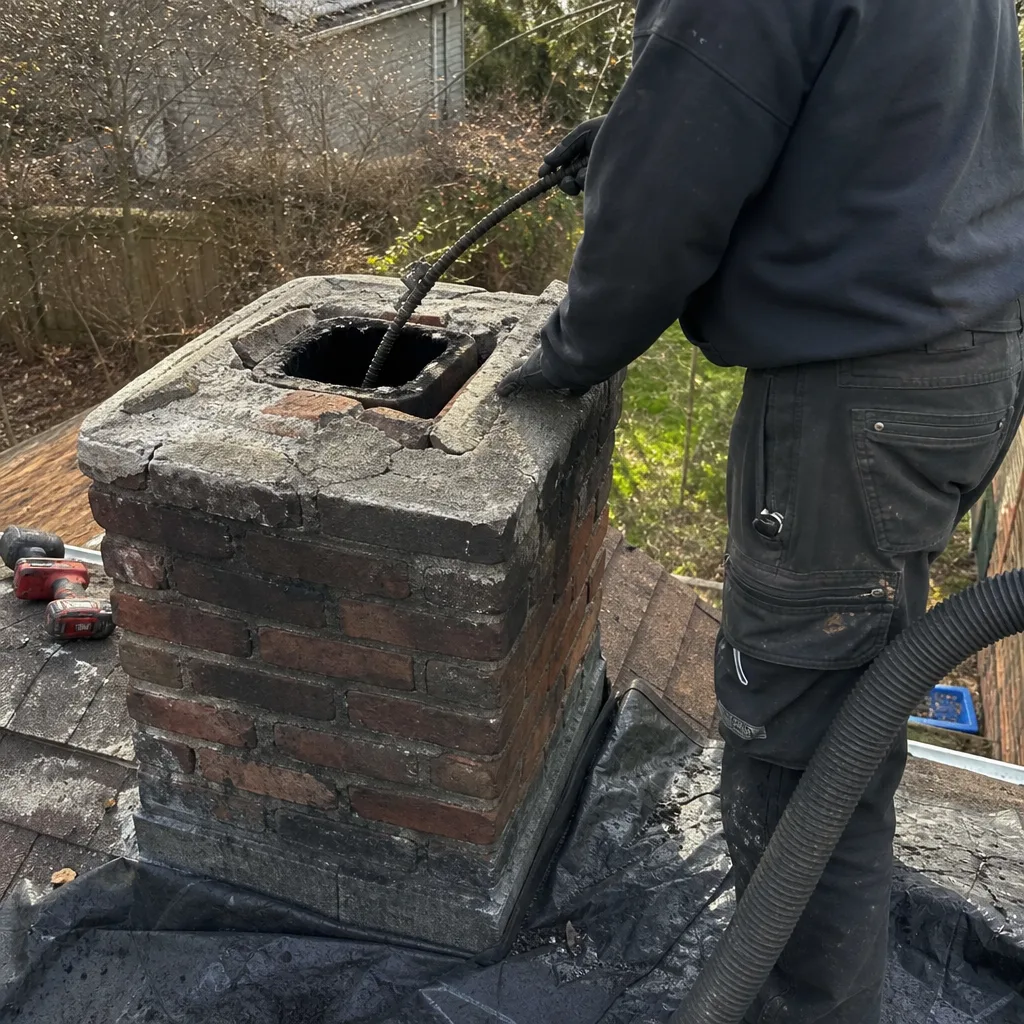 Before
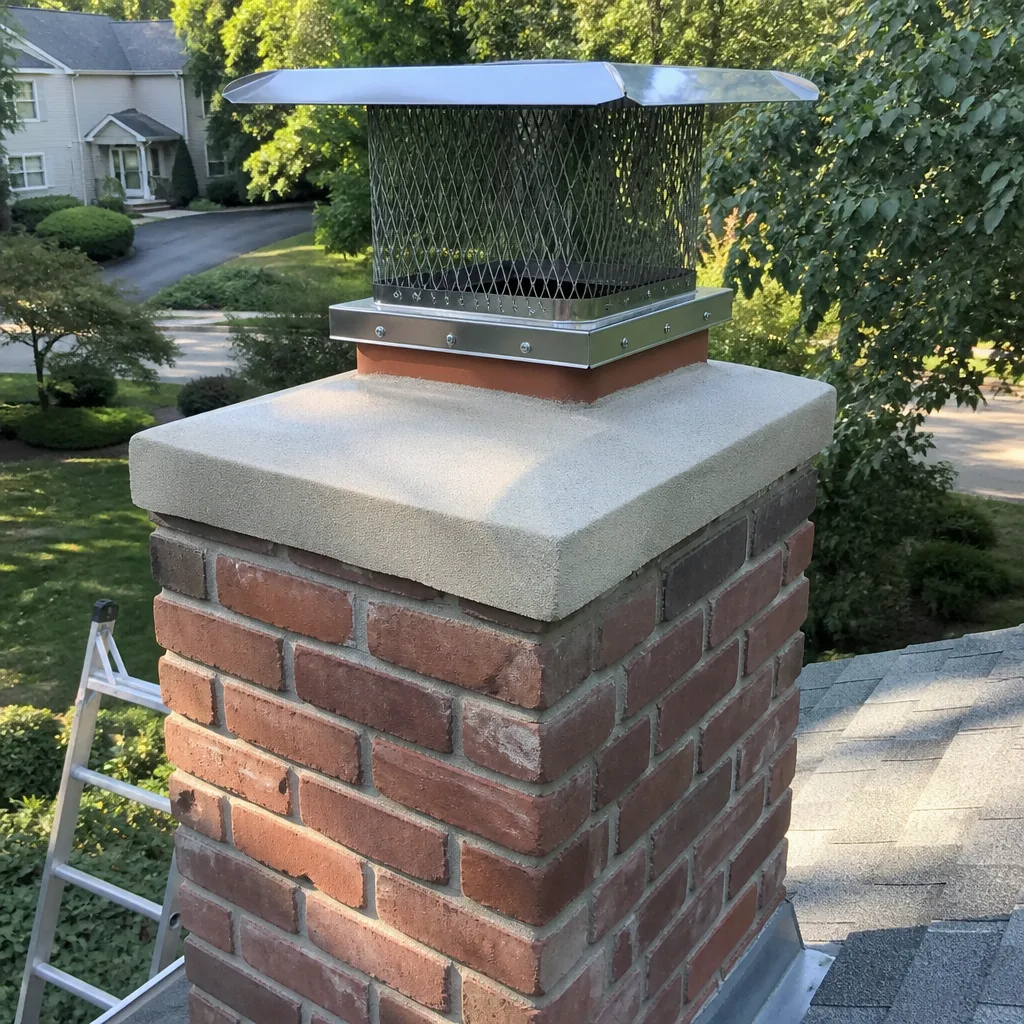 After
After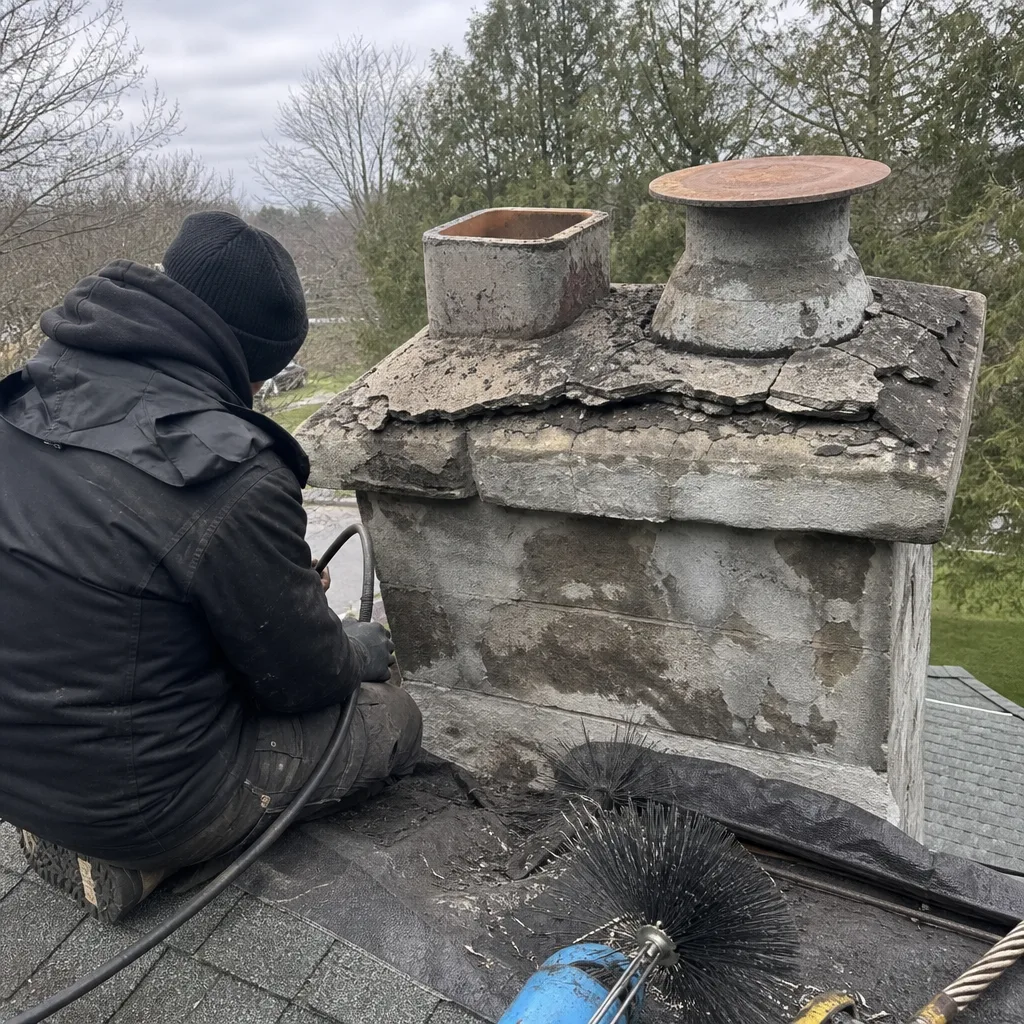 Before
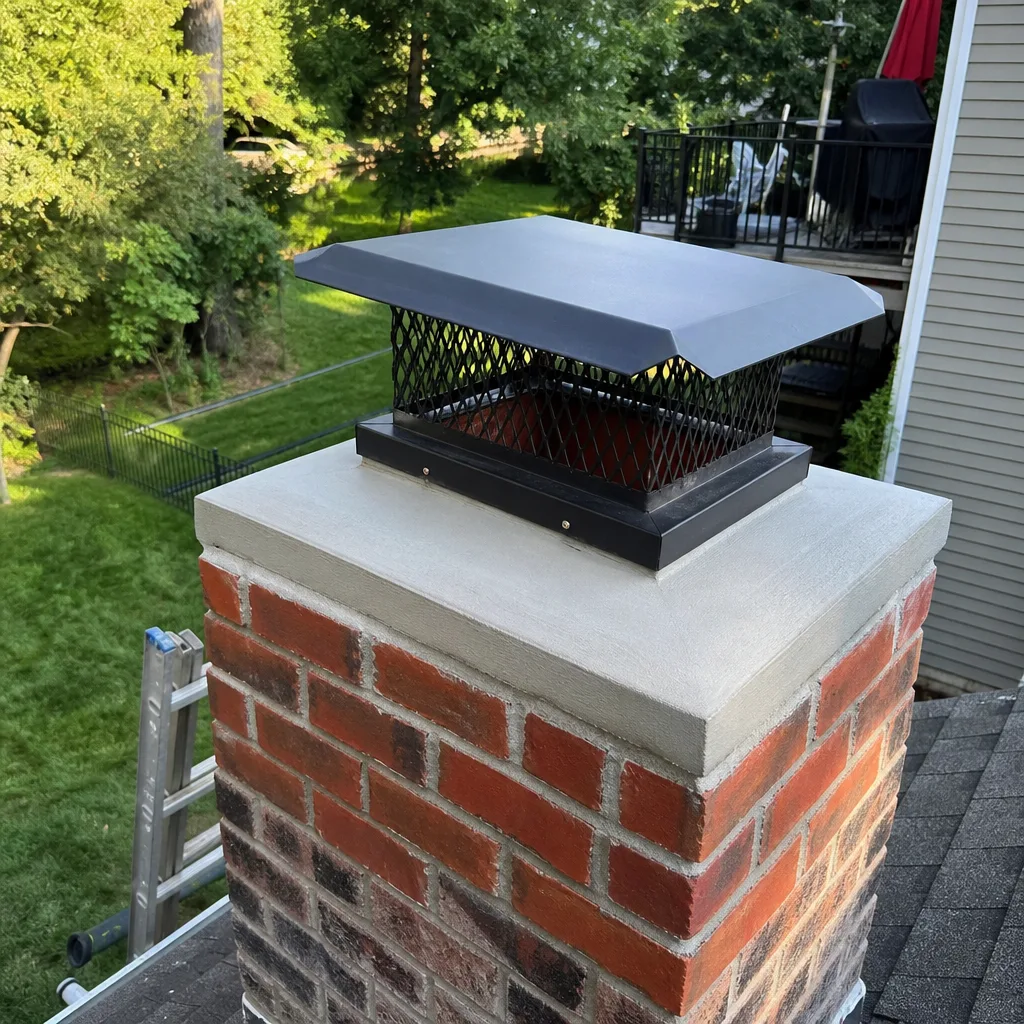 After
After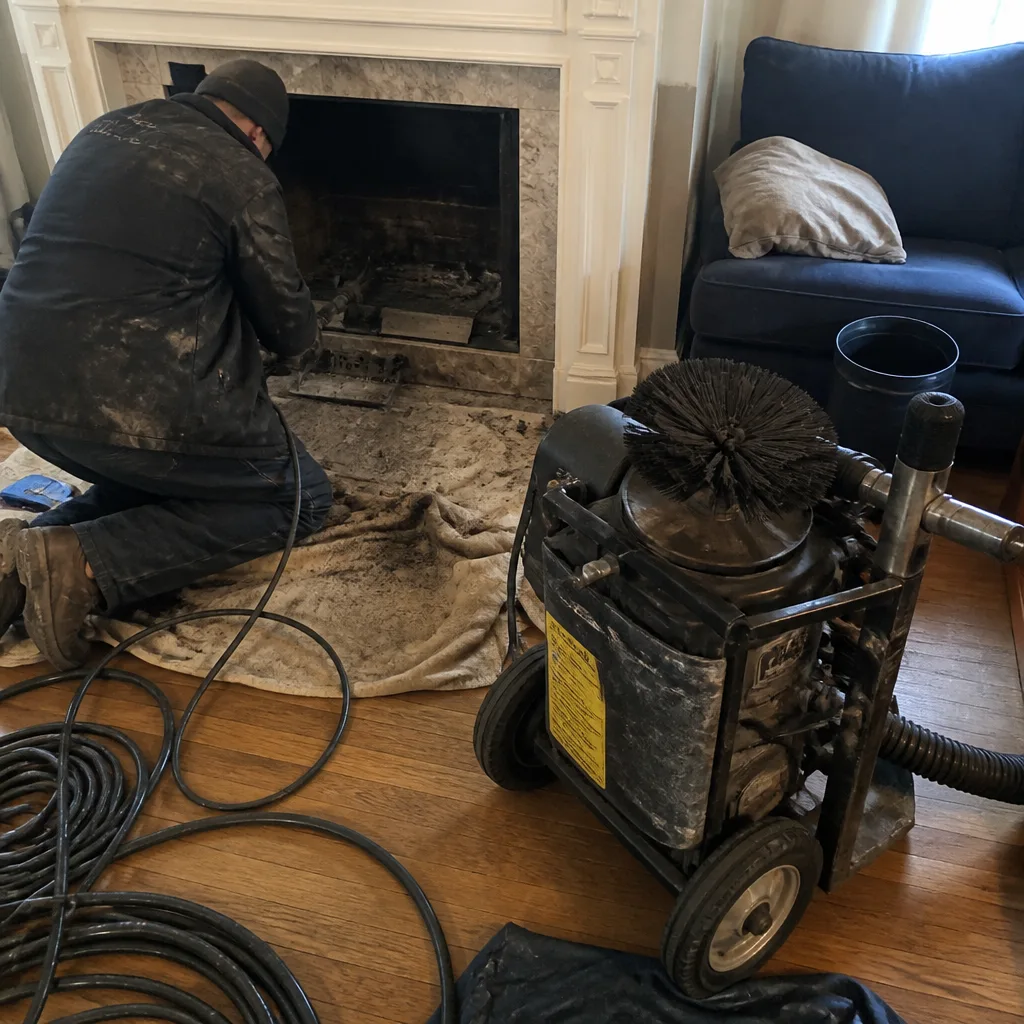 Before
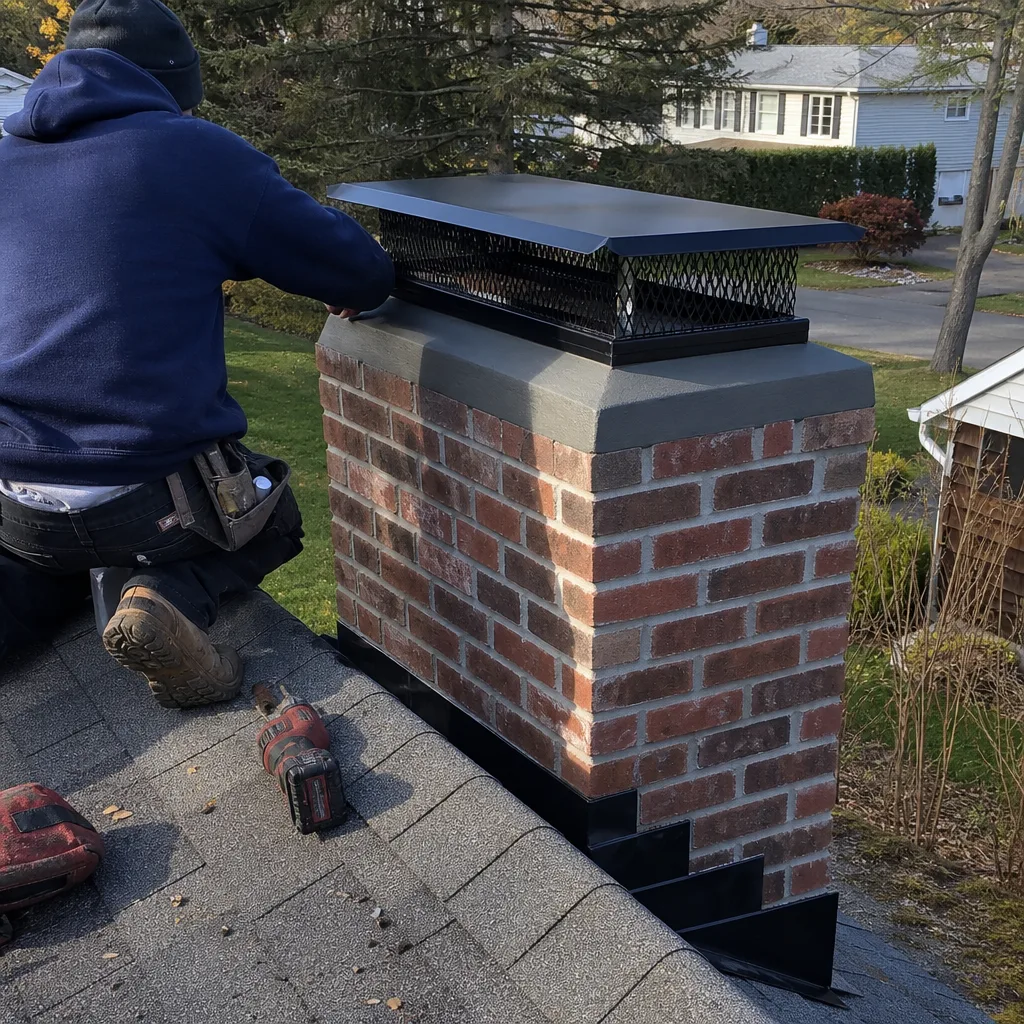 After
AfterHeatShield Chimney Cleaning in White Plains, NY | Level Two Chimney White Plains
We provide our Chimney Cleaning & Sweep in White Plains with independent HeatShield and Cerfractory flue service across White Plains, NY. What makes our HeatShield work different here comes down to one thing: we check flue sizing on every job, because White Plains’ oil-to-gas conversions have left thousands of chimneys oversized for the appliances now venting into them. That single check catches more failed HeatShield applications than any other step. Call (914) 350-5204 for a written estimate before any work is scheduled.
Level Two Chimney White Plains has inspected and cleaned more than 38,000 chimneys since 2009, every one with a camera down the flue and a documented photo record when we’re done. We’re not a HeatShield dealer and we’re not manufacturer-authorized. We’re an independent chimney company that works with HeatShield Cerfractory products daily: installing them, inspecting them, and repairing them when a previous application has failed. That hands-on experience across White Plains’ older housing stock is what lets us tell you plainly whether a HeatShield system is doing its job or quietly coming apart.
Why White Plains Residents Choose Us for HeatShield Service
HeatShield’s Cerfractory chemistry is proprietary. There is no aftermarket equivalent that performs the same way, so when a White Plains chimney needs HeatShield work, it needs genuine HeatShield material applied by someone who understands how it behaves inside a 1930s clay tile flue. Corrine Halstead, owner of Level Two Chimney White Plains, grew up in the Bronx and came up through the trades after completing a building technology program at Bronx Community College. She’s spent the better part of two decades doing chimney inspections and cleanings across Westchester County, including older colonials near the Gedney neighborhood where the masonry tells a story of its own. Her crews run the camera first and talk second. You get photos and a written scope before any work is scheduled.
Every HeatShield job we take in White Plains starts with a Level 2 camera inspection under NFPA 211. That’s Clause 4 of the Haven Standard: a documented photo record on every visit, not an optional upsell. If a HeatShield coating is failing, we can show you exactly where and why before we quote a repair. The camera does not guess. Neither do we.
Common HeatShield Chimney Cleaning Problems We Solve in White Plains
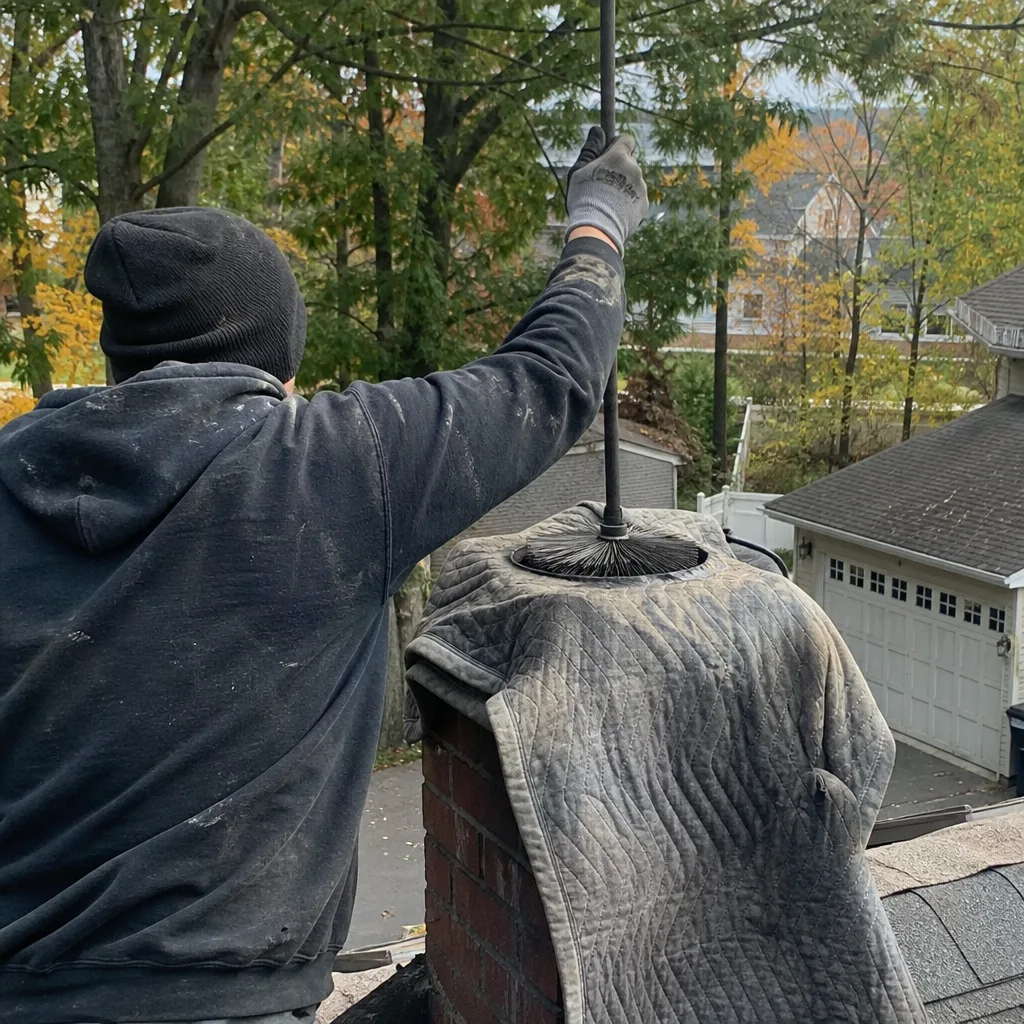
- Delamination of the Cerfractory layer in older clay tile liners. White Plains homes built in the 1920s through 1950s often have original clay tile flues that were never prepped properly before a HeatShield application. The coating can peel away from the tile surface, and we find this most often in liners that were coated without adequate surface preparation. We remove the failed material and reapply with proper mechanical and chemical prep.
- Cracking through the HeatShield coating over structural cracks that were never addressed. If a flue had existing structural movement and someone coated right over it, the HeatShield will crack again under White Plains’ freeze-thaw cycling. The fix means addressing the underlying crack before any reapplication, not just adding more Cerfractory on top.
- Acidic condensate penetration from converted gas appliances. White Plains sees a steady wave of oil-to-gas conversions, and gas exhaust runs cooler and wetter than oil exhaust. When a chimney was sized for oil and now vents gas, the flue cools below the dew point and acidic condensate forms. A HeatShield coat that was applied too thin or over a spalled liner can’t hold up to that chemistry for long.
- Odor from a delaminating HeatShield application in an oversized flue. If the flue was never resized during conversion, condensation forms behind the coating and the homeowner starts smelling sulfur or gas exhaust near the fireplace. We ran into this exact situation on a 1930s Tudor on Ridgeway in the Highlands: a 10-year-old conversion with HeatShield applied over an 8×12 clay liner. The coating was delaminating in the upper third of the flue. We removed it, resized with a stainless liner, and reapplied HeatShield to the smoke chamber and first flue tile. Odor gone, draft restored.
- HeatShield applied over spalled brick without repointing first. Spalling brick means the surface is actively shedding material. Coating over it doesn’t stop the deterioration underneath. In White Plains, where snow loads and freeze-thaw cycles push older brick chimneys hard, we see this on Battle Hill and Fisher Hill homes regularly. The brick gets repointed before any Cerfractory goes on.
BeforeAfterHeatShield Service in White Plains: What Local Conditions Mean for Your Equipment
Here’s the thing about White Plains that a neighboring town with newer housing might never deal with: the city’s 1920s to 1950s building stock was designed around oil heat. Those chimneys have flues sized for the high-temperature, high-draft exhaust of an oil burner. When the furnace gets converted to high-efficiency gas, the exhaust temperature drops dramatically and there’s now far less heat pushing moisture out of the flue. The gas exhaust cools below its dew point somewhere in that tall masonry chimney, and acidic condensate forms on the flue walls. If a HeatShield application was done without checking flue sizing first, that condensate works its way behind the Cerfractory and starts the failure process from the inside out. Every HeatShield job in White Plains has to begin with a flue-sizing check. If the liner is oversized for the appliance, the HeatShield is fighting a losing battle no matter how well it was applied. We size first, then coat.
HeatShield Models & Products We Service in White Plains
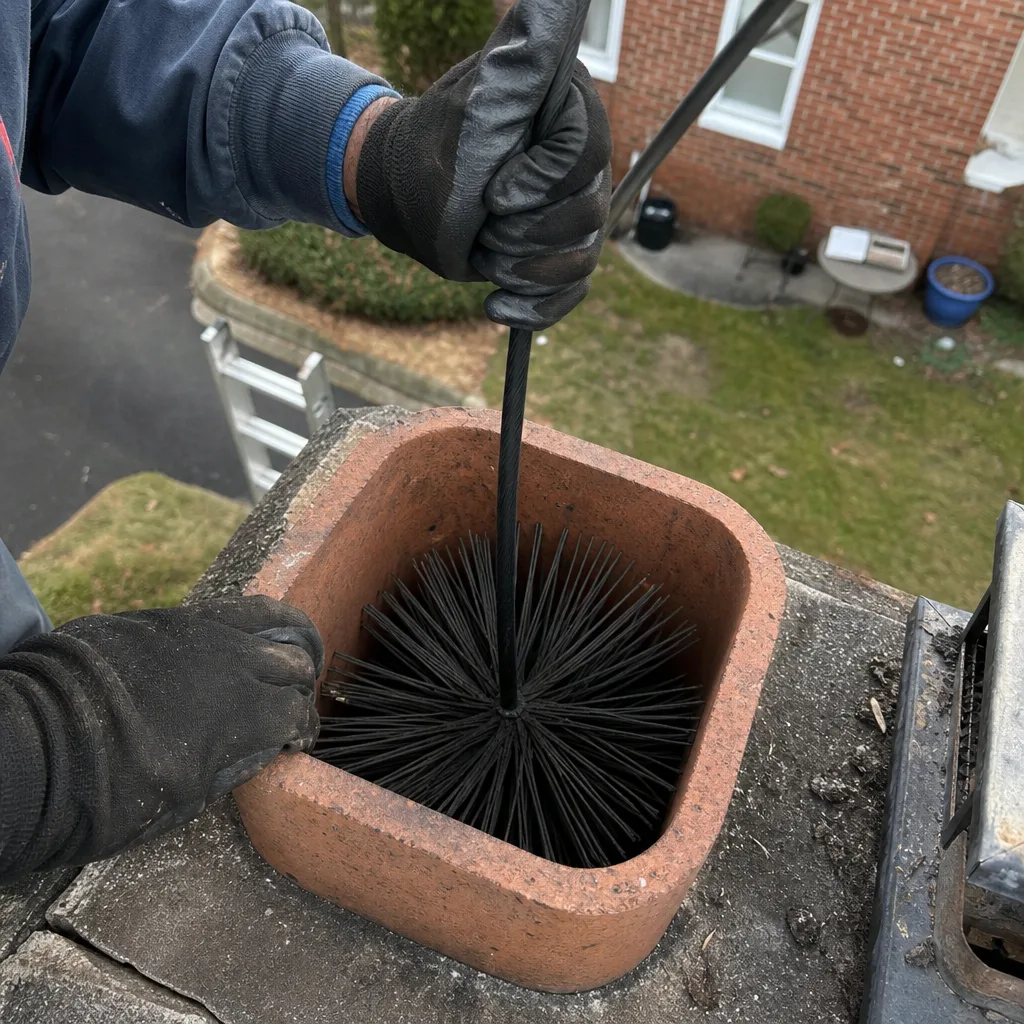
We work with the full HeatShield product line: the Cerfractory Flue Sealant, the Joint Repair System, the Resurfacing System, and the CeCure Sleeve Relining System. Each one serves a different condition, and part of our job is telling you which one actually matches what the camera found in your flue. We use genuine HeatShield materials because the Cerfractory chemistry is proprietary and no aftermarket product replicates how it bonds and expands. For White Plains turnaround, we keep core HeatShield materials on hand through our HeatShield sales & service network, which means most resurfacing and joint repair jobs can be scheduled without weeks of waiting on materials. When a HeatShield system has failed because the original install was done poorly, we evaluate honestly whether a full removal and proper reapplication makes more sense than a patch. Sometimes the patch is fine. Sometimes it’s throwing money at a coating that was doomed by a flue that was never sized right. We’ll tell you which one you have.
HeatShield Service Pricing in White Plains
HeatShield chimney cleaning and inspection in White Plains typically falls between $289 and $589, depending on flue condition, access, and whether a full Cerfractory resurfacing or joint repair is needed. A straightforward cleaning and camera inspection on a single-flue chimney runs at the lower end. A chimney with significant creosote, a delaminated previous HeatShield application, or a flue that needs joint repair before any coating work will land higher. A full HeatShield resurfacing after liner prep often runs $2,500 to $5,500 in White Plains, with CeCure sleeving projects higher depending on flue length and access. What drives the cost is what the camera finds: flue sizing, tile condition, moisture intrusion, and whether prior work has to be removed first. Every estimate is written, itemized, and delivered before work starts. Call (914) 350-5204 and we’ll schedule the Level 2 inspection and get you that number.
Serving White Plains, NY - Our Local Coverage Area
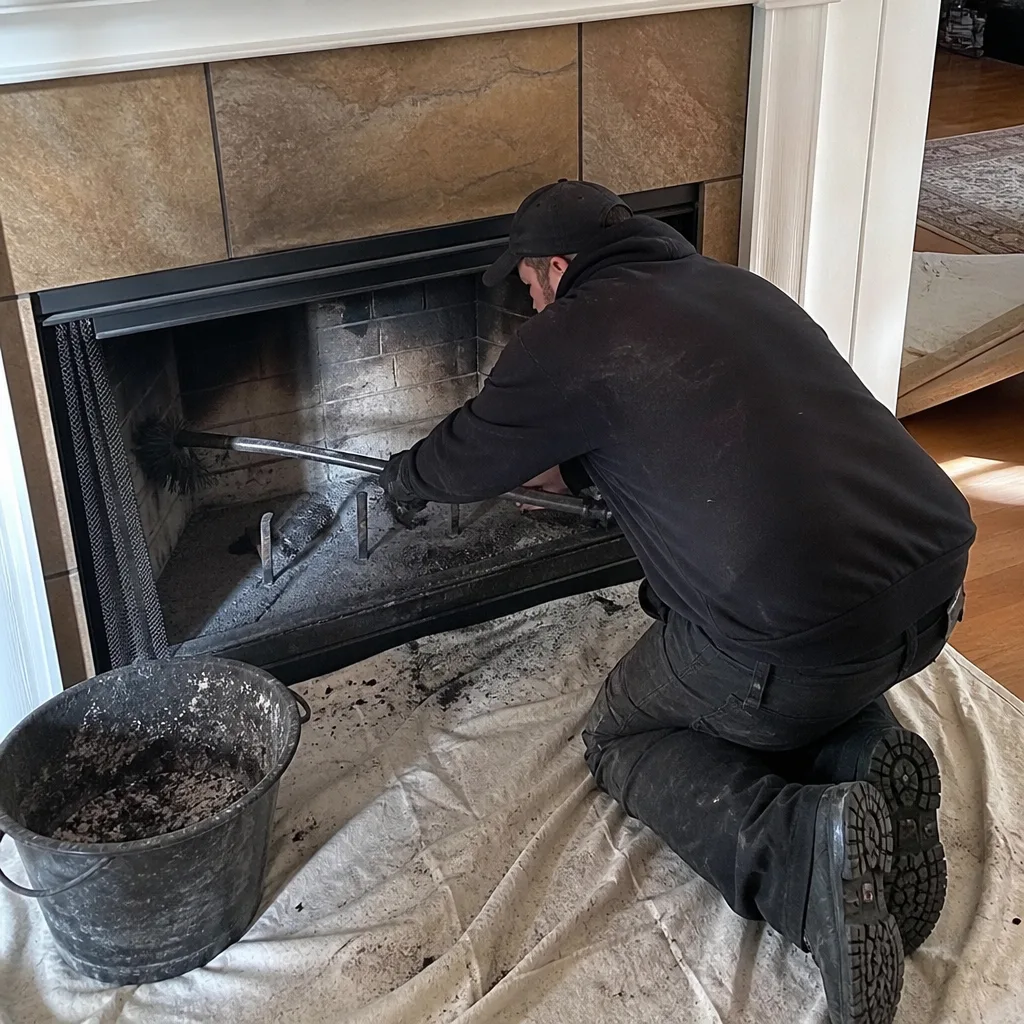
We’re based in the White Plains area and know this community well. Use the map below to see our service coverage - if you’re nearby, we can almost certainly help.
FAQs - HeatShield Chimney Cleaning in White Plains
Most likely the flue was never resized when the conversion was done, and the oversized liner is letting gas exhaust cool enough to condense behind the HeatShield coating. The coating then delaminates, and the odor you’re smelling is exhaust finding its way back into the house through gaps or cracks. We’d run a Level 2 camera inspection to confirm, then quote you for Chimney Repair in White Plains - removing the failed material, resizing the flue, and reapplying HeatShield properly. Call (914) 350-5204 to schedule the inspection.
No. Spalled brick means the masonry surface is actively shedding material, and HeatShield bonds to a stable, prepared surface. If you apply Cerfractory over spalling brick, the coating will fail as the brick continues to deteriorate underneath it. The brick gets repointed first, then the HeatShield goes on. This is common in White Plains’ older stock, where freeze-thaw cycles near 28-32 inches of annual snow push spalling hard on exterior masonry chimneys.
Sometimes, yes, but only if the flue is sized correctly for the appliance currently venting into it. If your 1940 flue is still oversized for a converted gas furnace, HeatShield will not fix the condensation problem. You need a properly sized stainless liner first. If the clay tile liner is cracked but correctly sized, HeatShield’s Cerfractory resurfacing can restore it at a lower cost than a full stainless reline. We’ll tell you which applies to your chimney after the camera inspection. Call (914) 350-5204 for a written estimate.
Not by itself. A chimney fire can crack clay tiles, shift the liner, and damage the smoke chamber. HeatShield can be part of the repair after the structural issues are addressed: joints repaired, cracks stabilized, and the flue properly prepped. But applying Cerfractory over fire-damaged flue without addressing the underlying damage will not make the chimney safe. We evaluate the full flue condition before recommending any HeatShield application.
No. Efflorescence is moisture moving through the masonry and depositing salts on the surface. HeatShield is a flue coating, not an exterior waterproofing treatment. The efflorescence means water is getting into the brick from outside, and fixing that means addressing the crown, flashing, or masonry joints, not the flue interior. We can diagnose the moisture source during an inspection and give you a written scope for whatever is actually needed.
Service Areas Near White Plains
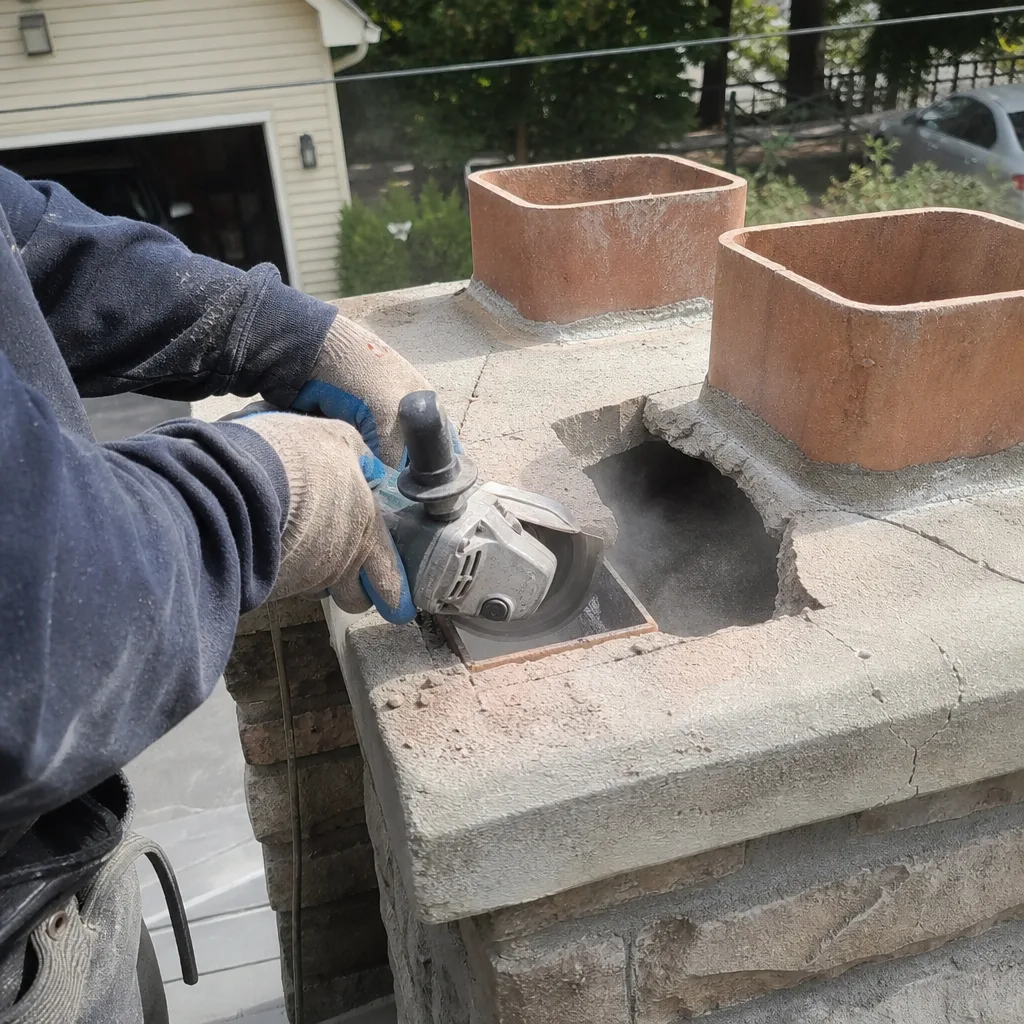
Our HeatShield service covers all of White Plains, including Battle Hill, Fisher Hill, the Highlands, and the neighborhoods around Gedney. We also work regularly in White Plains service area communities including Harrison, Scarsdale, Hartsdale, Rye Brook, and Elmsford. If you’re in HeatShield service in Harrison or HeatShield service in Scarsdale, the same camera-first approach applies. We know these chimneys, and we know which ones were converted from oil and which were built for gas from the start.
Book Your HeatShield Service in White Plains Today
If your White Plains chimney has a HeatShield application that’s aging, failing, or was never sized right in the first place, call (914) 350-5204. We’ll schedule the Level 2 camera inspection, show you what we find, and give you a written price before any work begins. Estimates are free, and the photo record is yours to keep.
Written by Corrine Halstead, Owner at Level Two Chimney White Plains, serving White Plains since 2009.