
Level 1 sweep and inspection to the NFPA 211 annual standard - flue, crown, cap, and flashing checked and photographed
Chimney sweep logs do not sweep chimneys. They loosen some creosote - which then falls where a brush and vacuum still have to collect it.
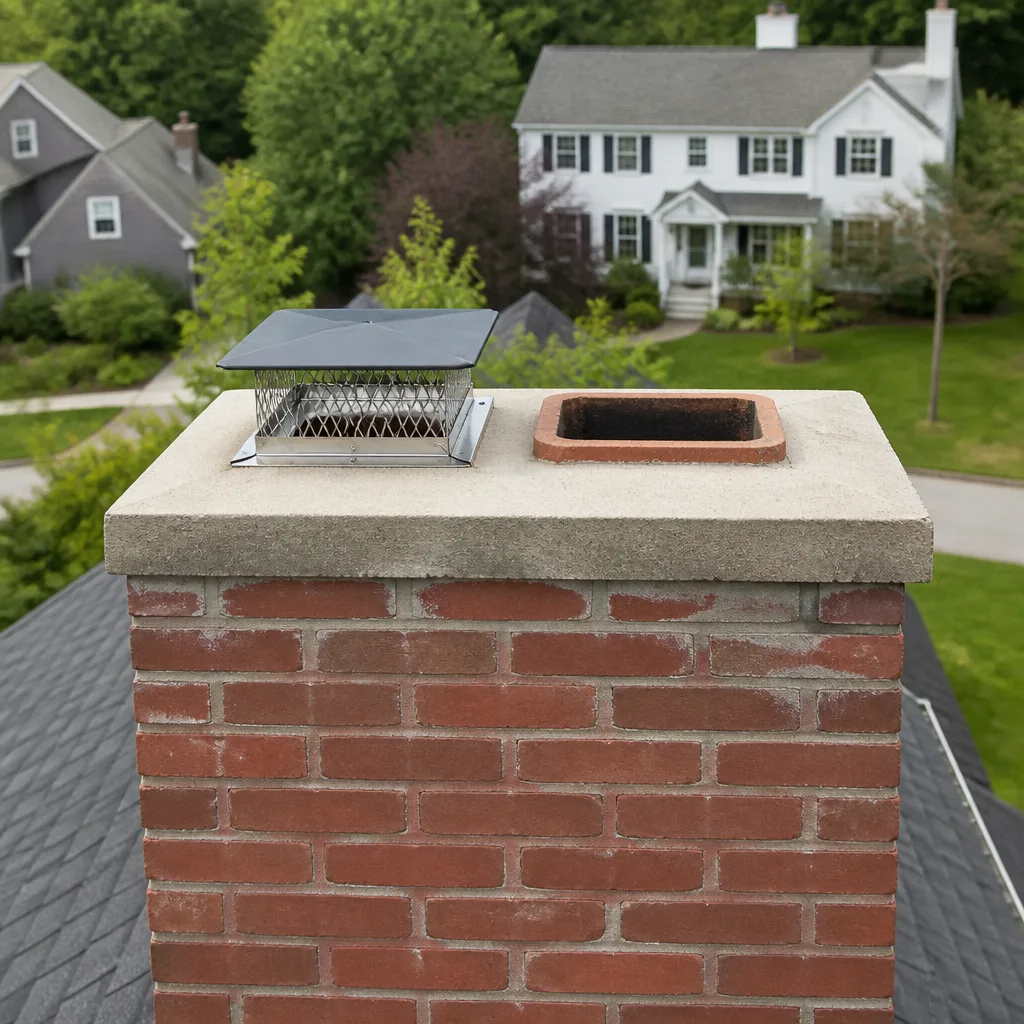
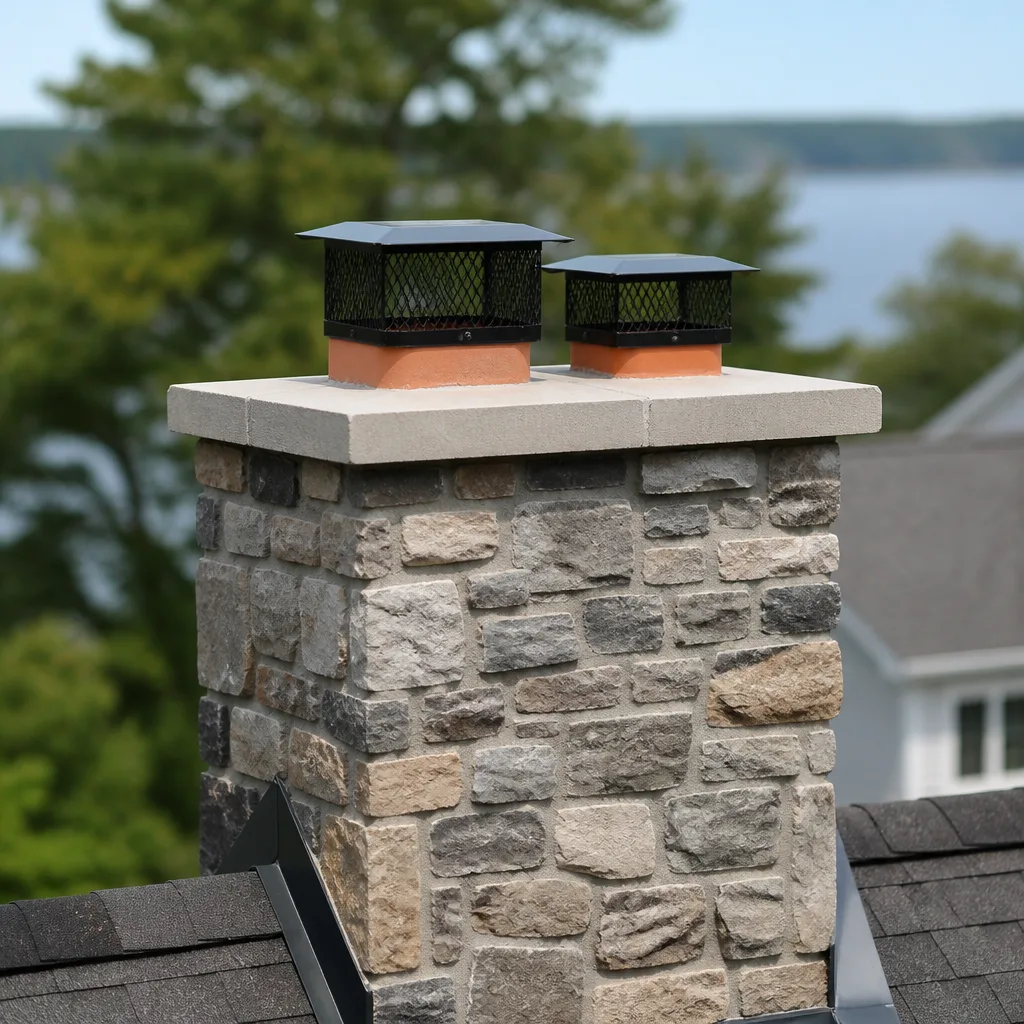
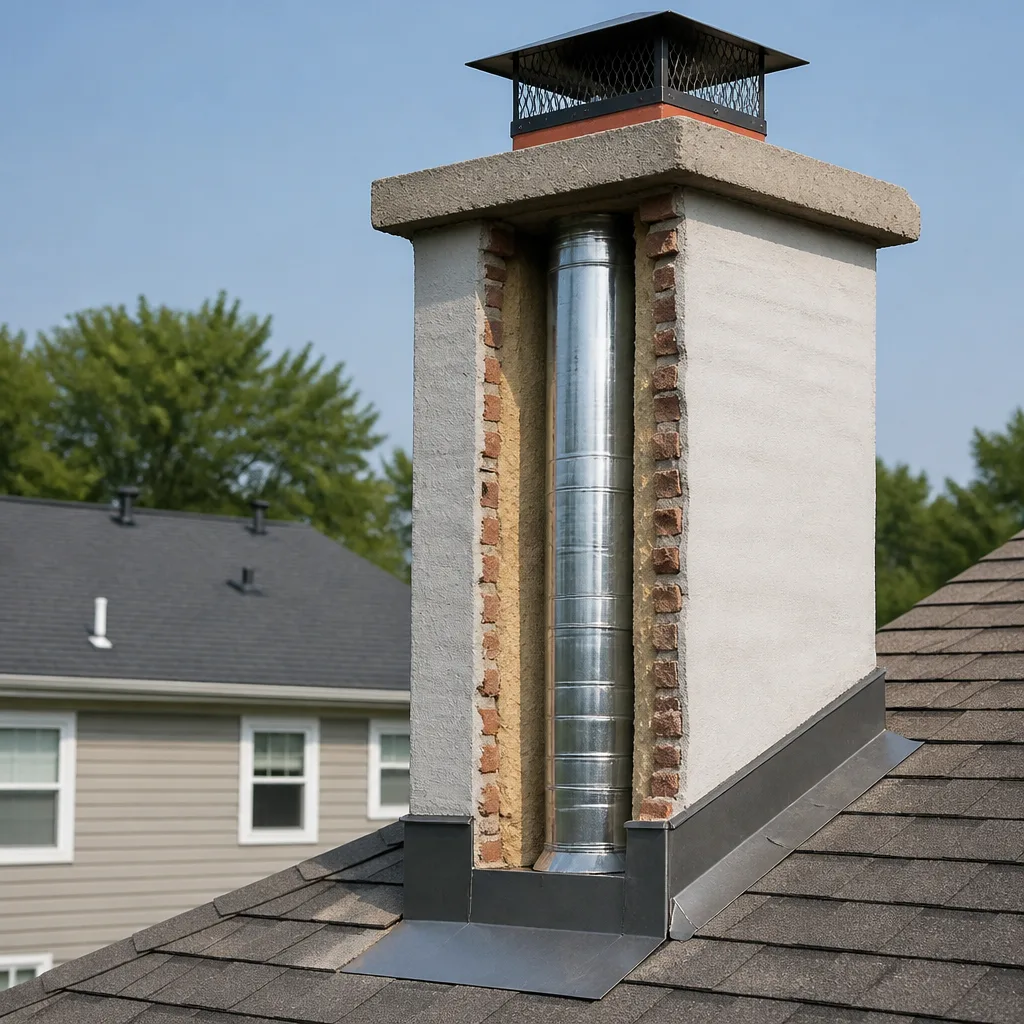
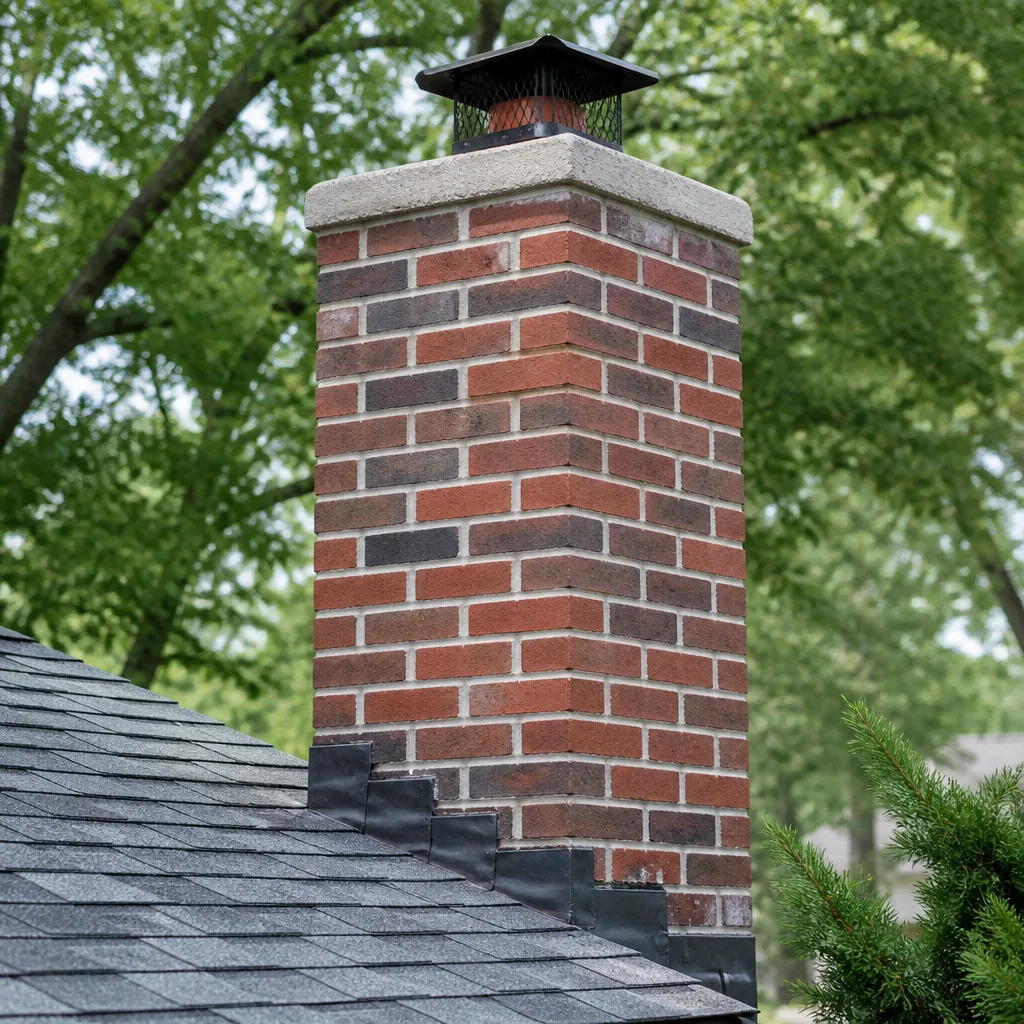
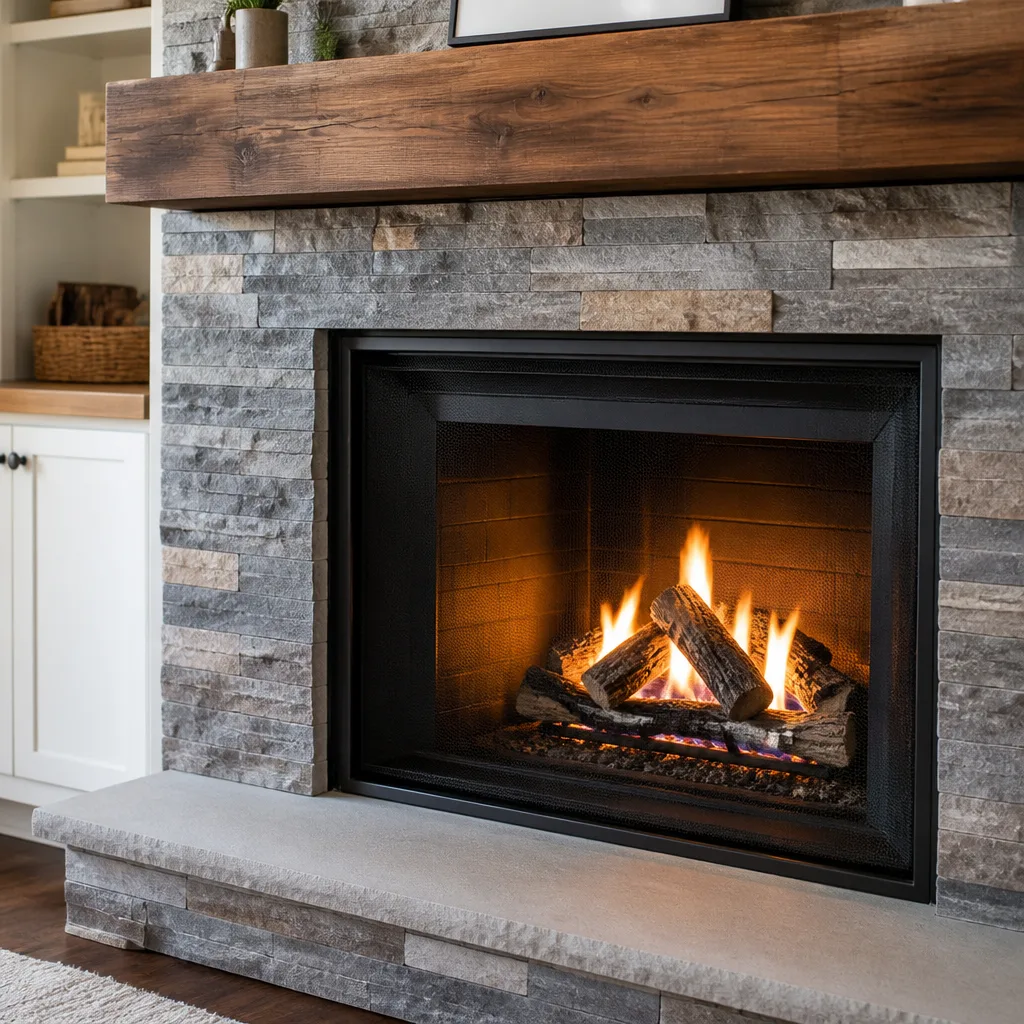
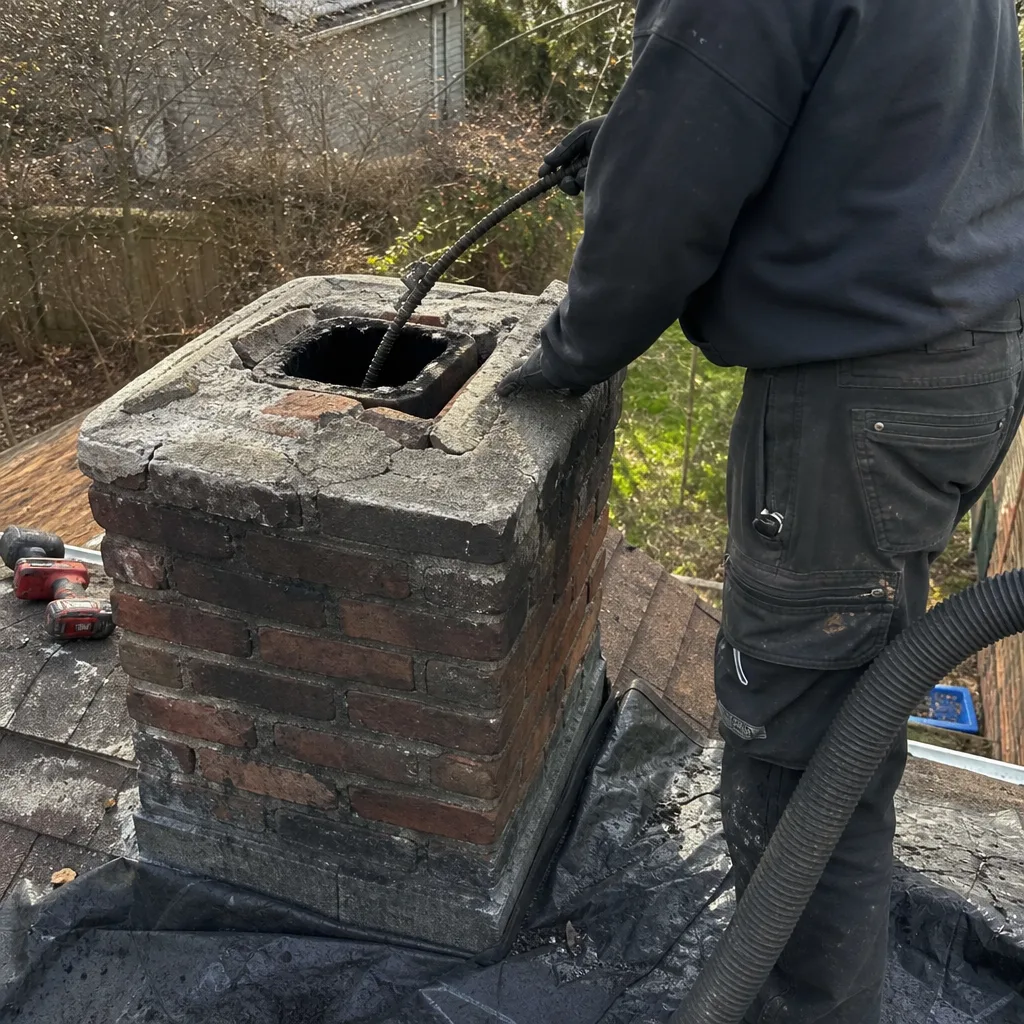 Before
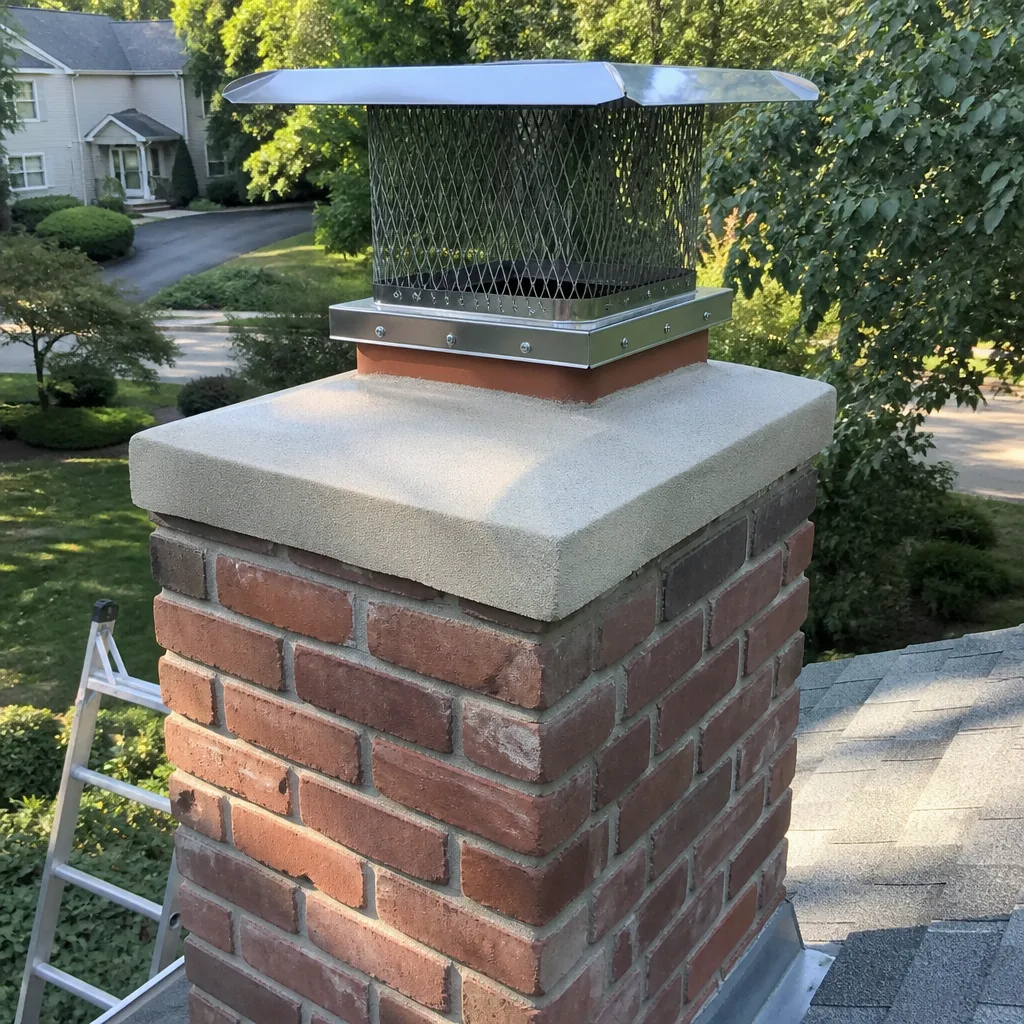 After
After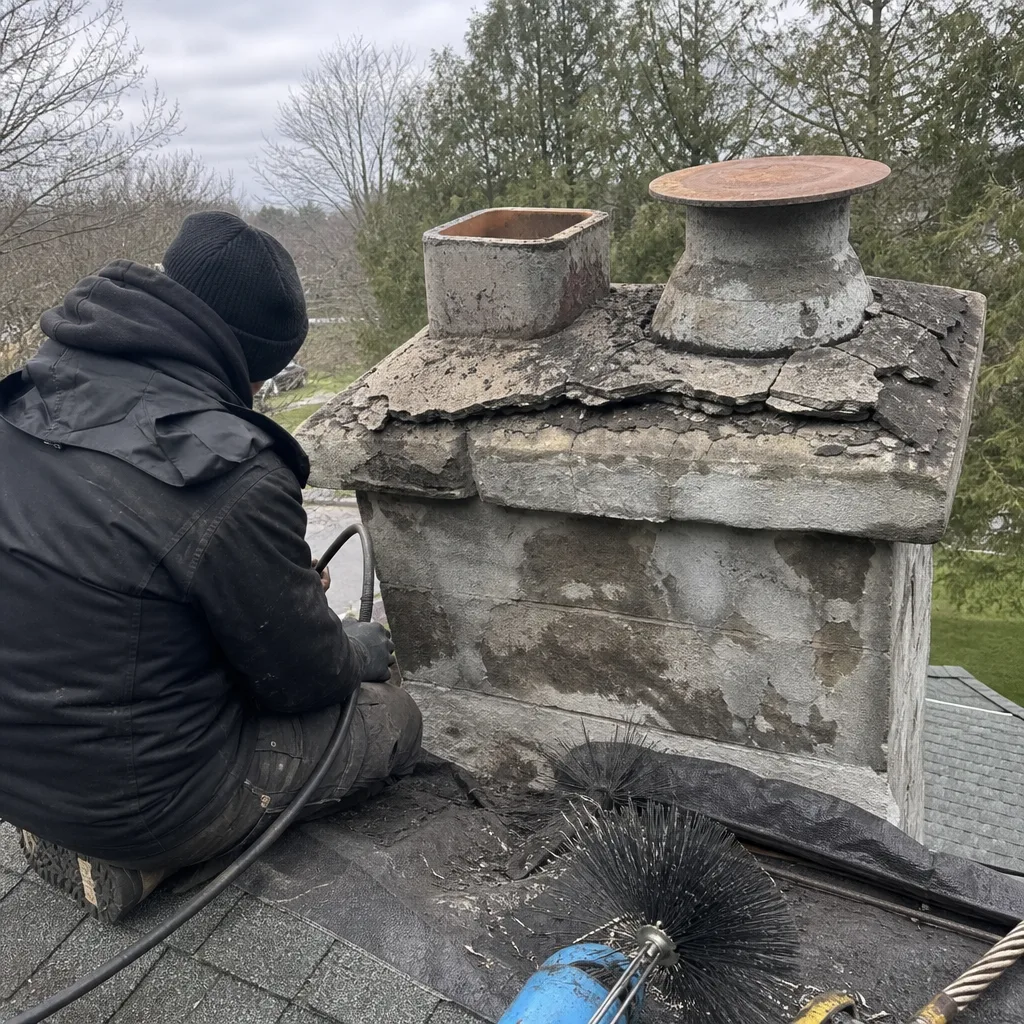 Before
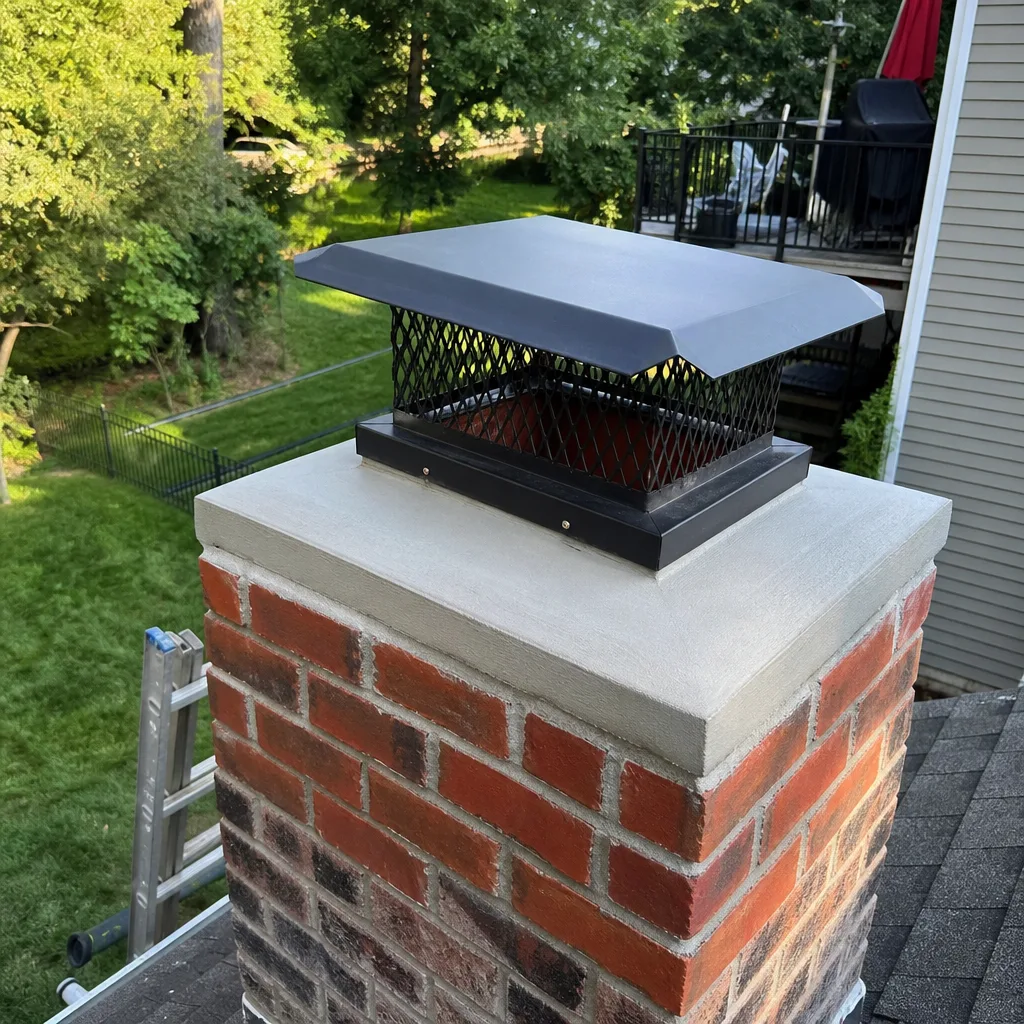 After
After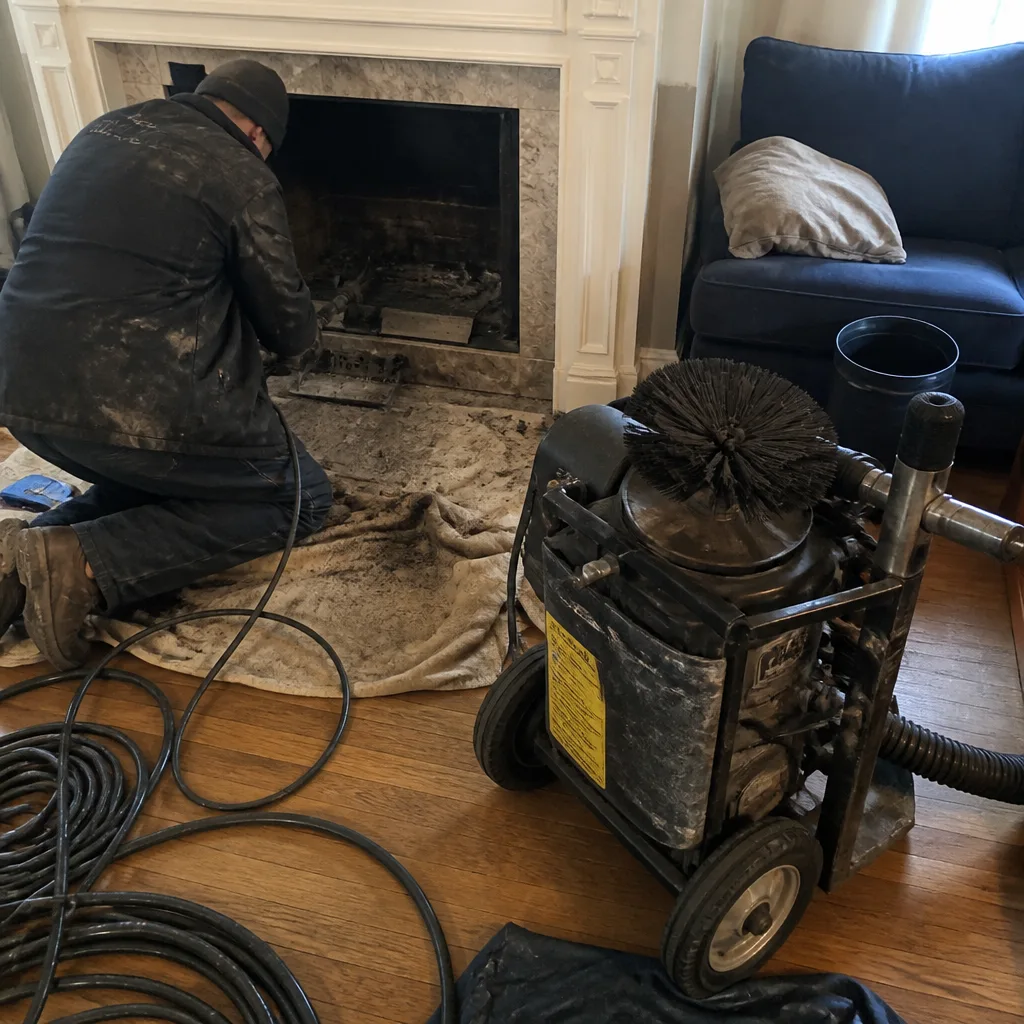 Before
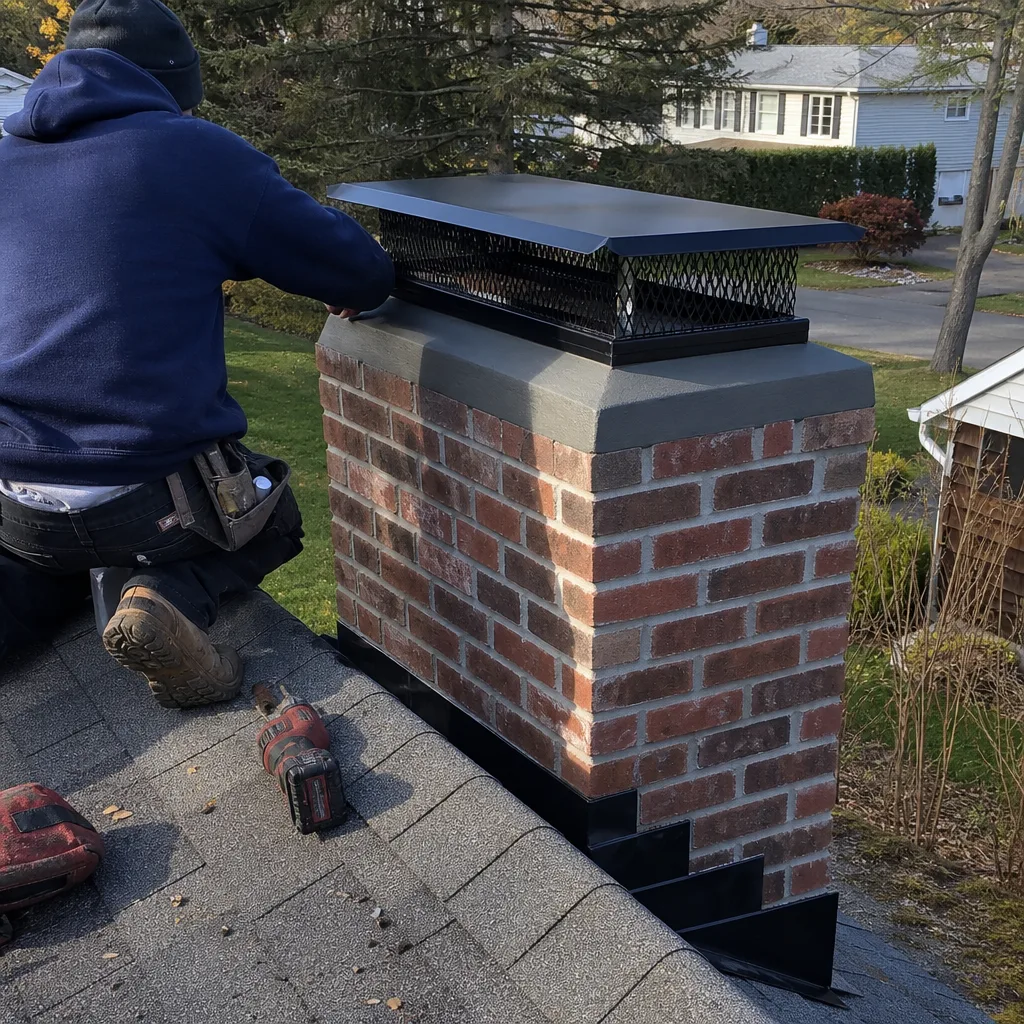 After
AfterGelco Flue Liner Replacement: The White Plains Owner’s Guide
A Gelco flue liner replacement in White Plains typically costs $2,900 to $4,800 installed, and we stock Gelco-compatible components that let us complete most swaps in a single visit. The part itself, the stainless steel liner section, runs $600 to $1,400 depending on diameter and length, with labor and documentation making up the rest. Most homeowners in White Plains discover the failure during a chimney sweep or an annual inspection, not because of a dramatic event. What the camera shows is the same picture every time: hairline cracks, a separated seam, or corrosion working its way through the wall. The liner that was supposed to be the barrier between fire and framing has quietly stopped being one.
Key Takeaways
- Installed cost: $2,900-$4,800 in White Plains, written before work starts
- What fails first: seam welds and the lower third of the liner, where heat and condensation meet
- Typical lifespan in Westchester: 12-18 years, shorter if the chimney runs hot with an insert or wood stove
- We stock: Gelco-compatible 316L stainless liner sections in 4″, 5″, 6″, 7″, and 8″ diameters
- Documentation: camera photos of the failed liner before, camera photos after, written scope, written warranty
Which Gelco Models This Applies To
Gelco makes flue liners in two broad families: rigid stainless sections and flexible convoluted tube. In White Plains homes, we see both, but the rigid welded-seam product dominates on fireplaces built after 2000, and the flex product appears most often on wood stove and insert retrofits. The replacement path differs by which one you have. Rigid Gelco sections are installed in joined segments, so a failure in one section can sometimes be addressed by replacing that section rather than the whole run. Flex liner typically fails as a unit, which means a full-length pull and replacement.
Identifying your specific Gelco liner is easier than most owners expect. The manufacturer stamps the diameter and alloy on the liner body itself, usually near the top or bottom joint. You’ll see “316L” or “304” and a diameter in inches. Gelco’s 316L line is the more corrosion-resistant option, and in Westchester’s freeze-thaw climate with acidic condensate, that matters more than most national guides suggest. If your liner is unmarked, we measure the flue opening and take a diameter reading with the camera. There is one gotcha: Gelco rigid sections use a male-female joint with a specific overlap tolerance, and mixing a Gelco section with an aftermarket section of the same diameter sometimes leaves a quarter-inch gap at the seam. We source Gelco-compatible parts directly through our materials network specifically to avoid that mismatch. Level Two Chimney White Plains is an independent service provider, not affiliated with Gelco, and we also stock liners from DuraFlex and HeatShield for compatibility jobs.
Signs Your Gelco Flue Liner Replacement Is Failing
- Flakes of metal in the firebox or at the cleanout door. This is usually rust scale shedding from the interior wall. Once a liner starts shedding, the wall thickness is already compromised.
- A smell like wet ash or sulfur after rain. Water is getting into the flue and mixing with creosote. The liner is supposed to be a sealed path, so any moisture intrusion points to a breach.
- Visibly crumbling mortar joints between flue tiles, if the Gelco liner is a retrofit inside an older masonry chimney. The liner protects the tile, but if the tile was already failing, backpressure can push gases between the two layers.
- Draft problems that get worse, not better, after a cleaning. A clean flue should draw harder. If it does not, the liner may have warped, collapsed slightly, or separated at a joint, narrowing the effective path.
- A rust streak running down the outside of the chimney chase, or staining on the ceiling near the flue. That means the liner has breached and exhaust is condensing inside a space it should never touch. This is the one that gets the fastest response from us.
BeforeAfterReplacement Cost & What’s Included
| Replacement Component | Typical White Plains Range |
|---|---|
| Gelco-compatible 316L rigid section (per 3′ section) | $600-$900 |
| Gelco-compatible flex liner (full 25′ run, 6″ diameter) | $900-$1,400 |
| Installation labor (removal, fitting, sealing) | $1,300-$1,900 |
| Top plate and cap, if replacement needed | $250-$500 |
| Full replacement, installed | $2,900-$4,800 |
Several things move the price. A two-story colonial near Gedney with a straight run and a roof access that is not terrible will land at the low end. A chimney with an offset, a tight chase, or masonry that needs repair before the liner can go in pushes toward the top. The price you get from us is written, and it includes the full camera record before anything is removed and after the new liner is seated. If the scope changes because the camera finds something the first look could not, you get a revised written price before we proceed. That is Clause 1 of the Haven Standard, and it has been the rule on every one of the 38,000-plus chimneys we have inspected and cleaned since 2009.
DIY or Call Us?
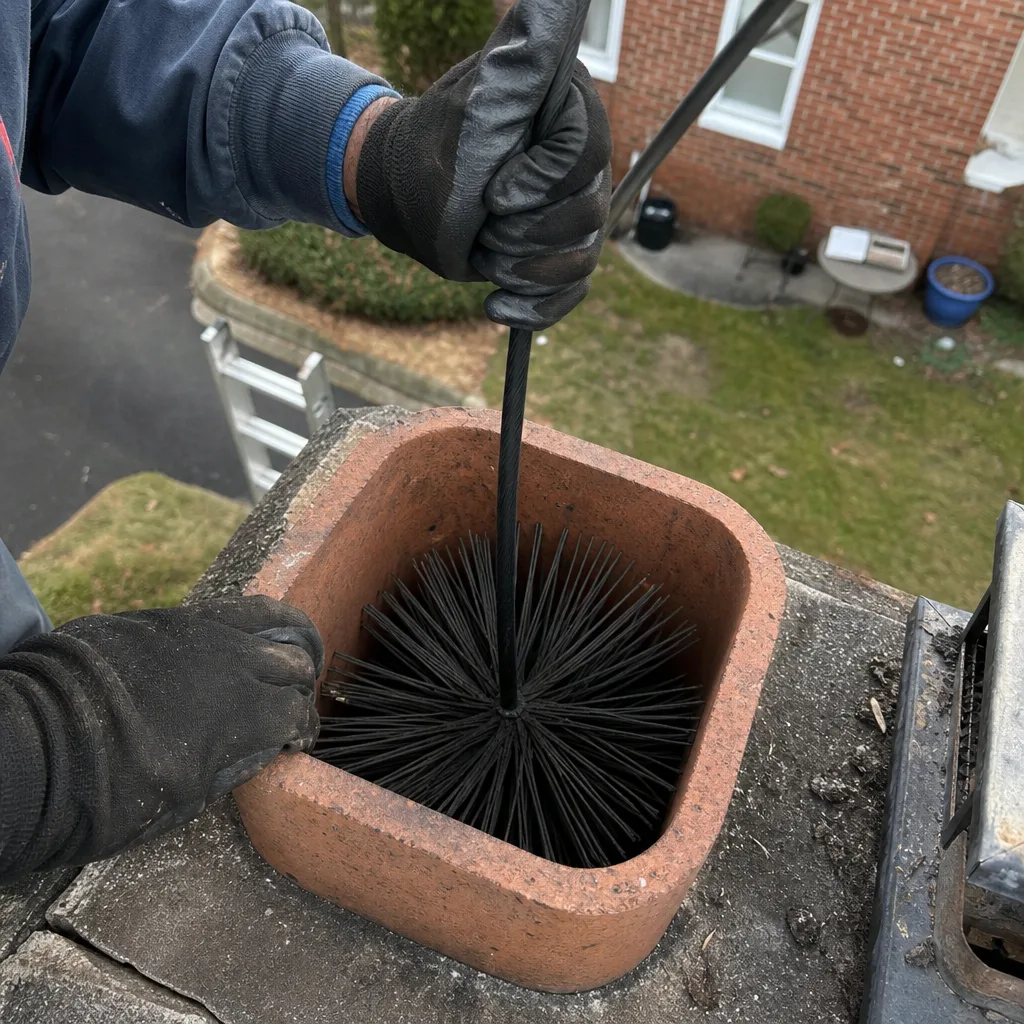
Replacing a flue liner is not a weekend project, and it is not the kind of thing where YouTube makes you competent at the last mile. This is a load-bearing component of your home’s fire safety. If it fails, the failure mode is a chimney fire or carbon monoxide moving through wall cavities, and neither one announces itself politely. A homeowner can absolutely check for visible rust at the cleanout, take a flashlight photo of what they can see from the bottom, and get a sense of whether something looks wrong. That is where the honest DIY part ends.
Pulling a damaged Gelco liner means working from the roof or the firebox, dealing with existing creosote, and getting the new liner seated and sealed correctly. A misaligned joint, a torn gasket, or a liner that kinks during the pull means you have spent money to make the problem worse. We run the camera before and after on every liner job, because Corrine Halstead set that standard when we started this company, and the camera does not guess. Neither do we. Call (914) 350-5204 and we will give you a written price and a scope you can hold in your hand before anything gets removed.
FAQs
In Westchester, a Gelco 316L liner lasts 15 to 20 years on average; a 304 alloy liner lasts closer to 10 to 15. The shorter lifespan comes from acidic condensate and the freeze-thaw cycling that repeatedly stresses the metal. If you run a wood stove hot, check sooner. Call (914) 350-5204 for a camera inspection and we will give you an honest read on the years you have left.
Sometimes. If the damage is a single cracked rigid section and the rest of the liner is sound, we can replace just that section. If the liner is flex and the damage is mid-run, or if the alloy is corroded through in multiple places, repair does not make sense, and we will tell you that plainly. Bring us a written estimate from another company and we will give you a free second opinion on whether the proposed work is necessary.
Most White Plains Gelco liner replacements are completed in one day. We arrive with the right diameter and alloy on the truck, pull the old liner, run the camera, seat the new one, and take the after-photos before we leave. You get a written record of what was done, which is Clause 4 of the Haven Standard and has been standard practice on every job since 2009.
We stock Gelco-compatible liner sections and flex tube on our trucks in the diameters we use most often: 4″, 5″, 6″, 7″, and 8″. If you have a non-standard size, we source it through our materials network, which includes Gelco, DuraFlex, and HeatShield. You never need to buy the part yourself, and we will never ask you to.
Written by Corrine Halstead, Owner, Level Two Chimney White Plains at Level Two Chimney White Plains, serving White Plains and nearby areas.