
Level 1 sweep and inspection to the NFPA 211 annual standard - flue, crown, cap, and flashing checked and photographed
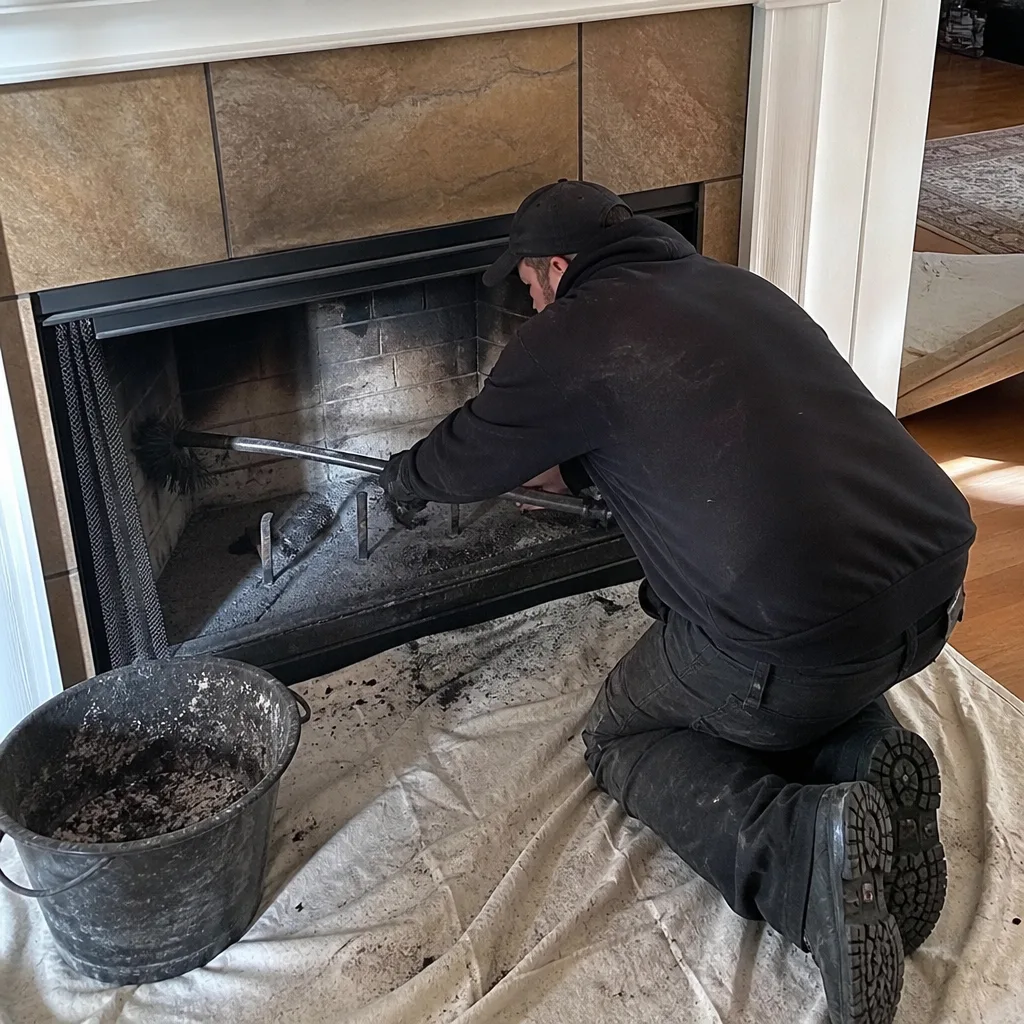
Chimney sweep logs do not sweep chimneys. They loosen some creosote - which then falls where a brush and vacuum still have to collect it.
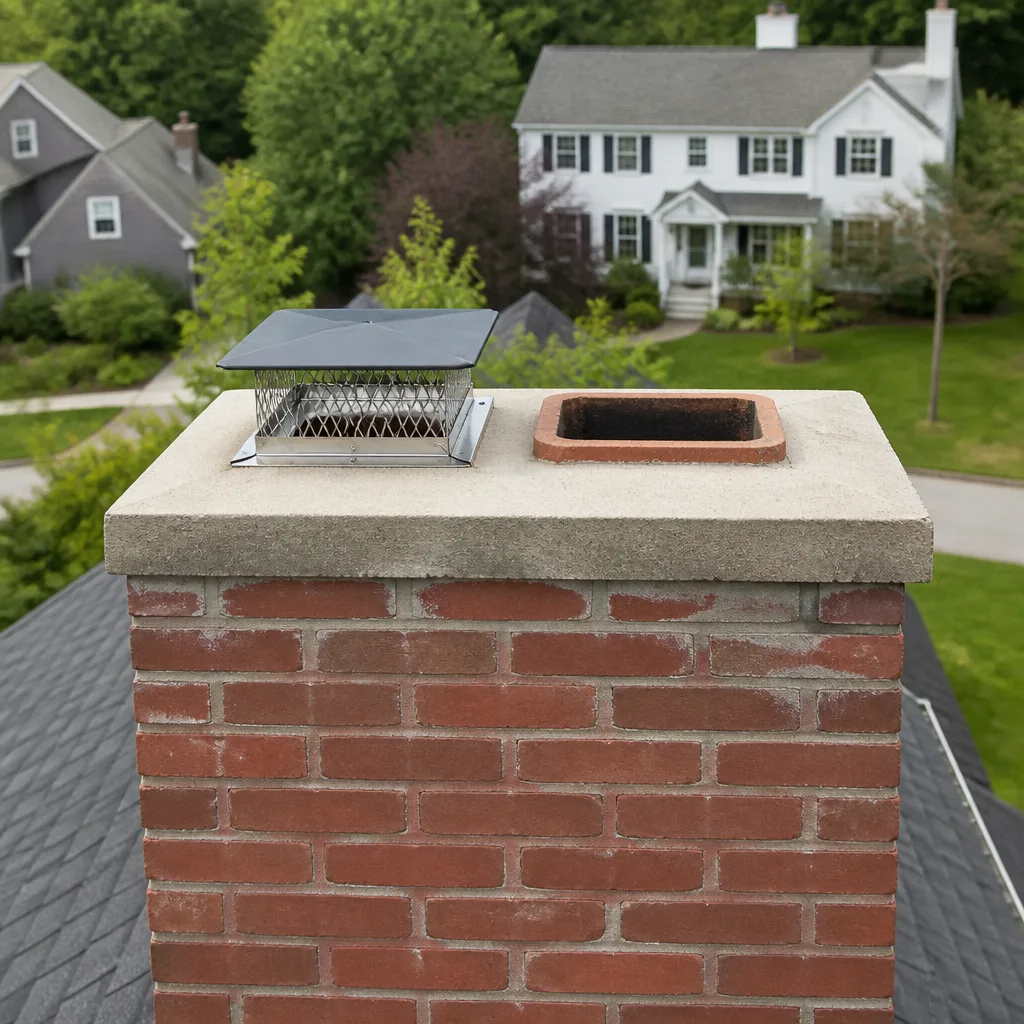
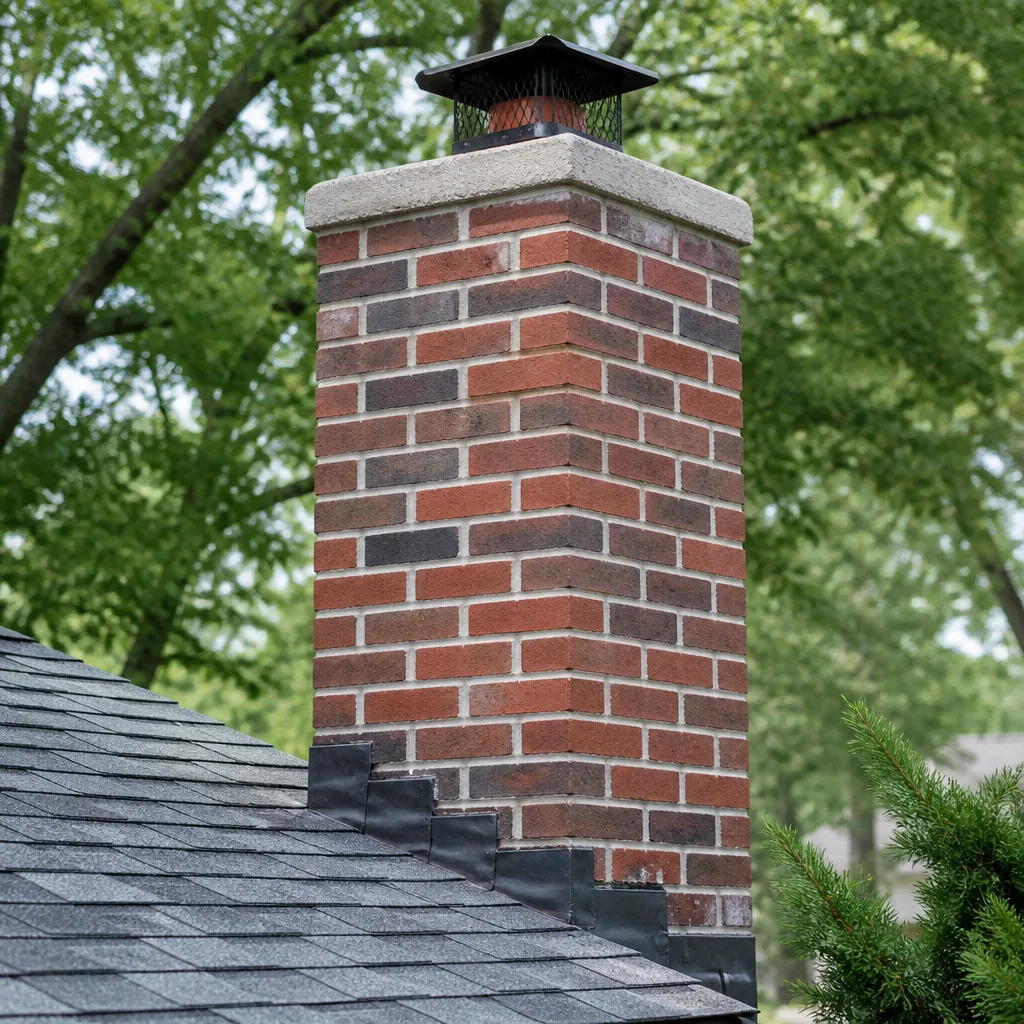
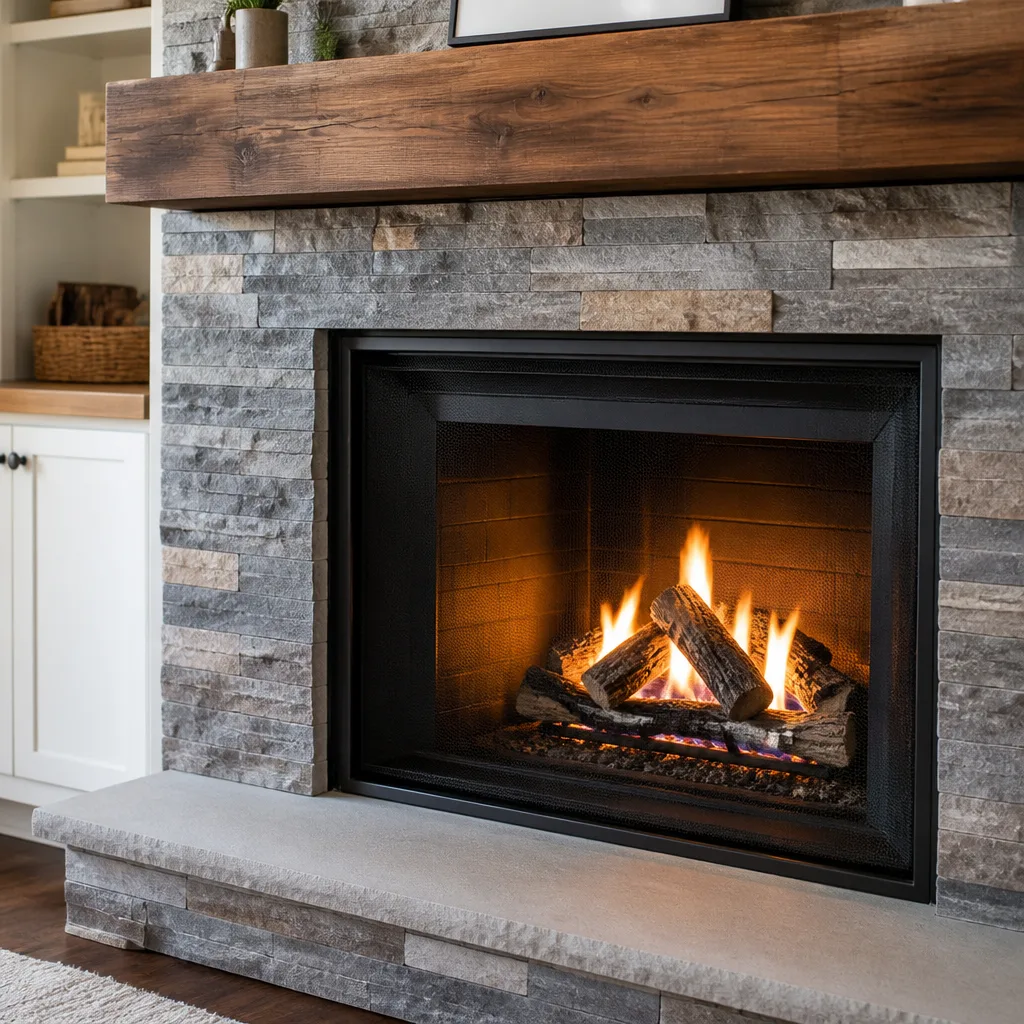
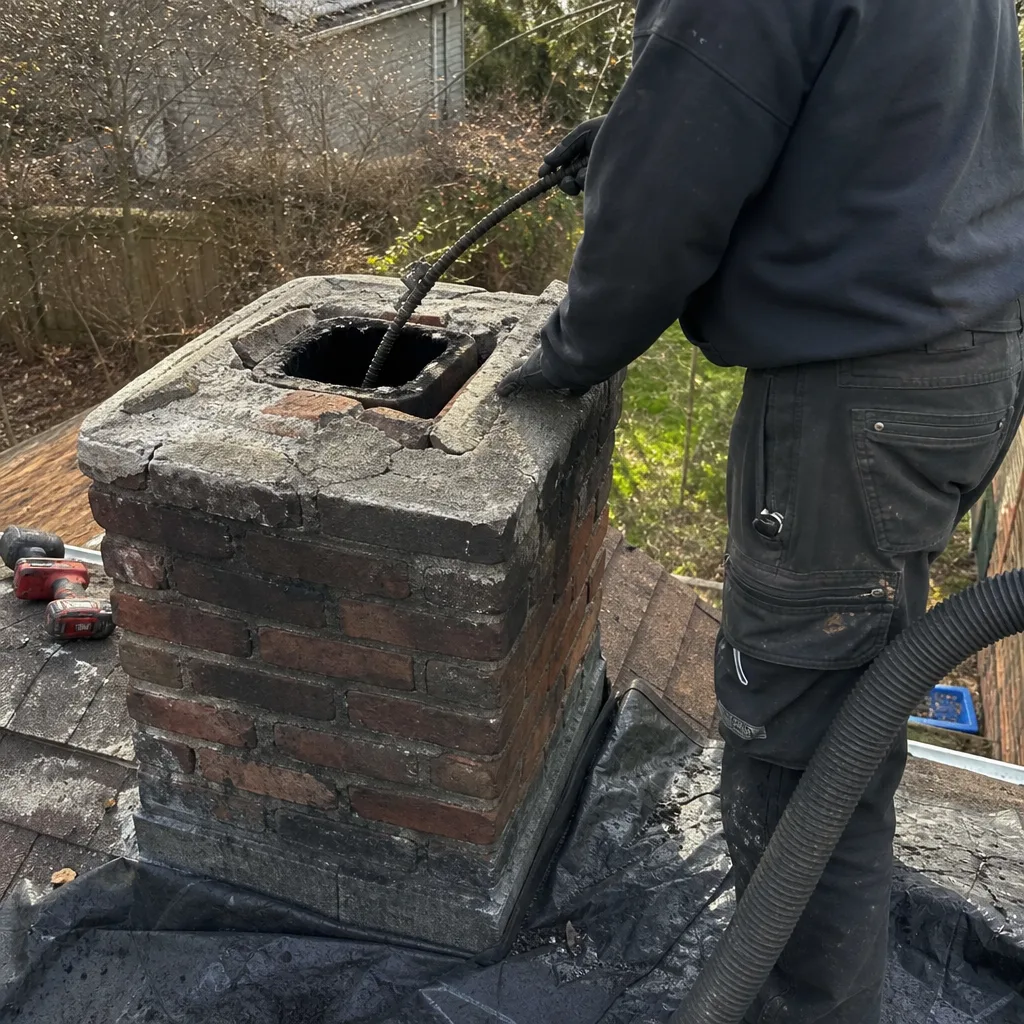 Before
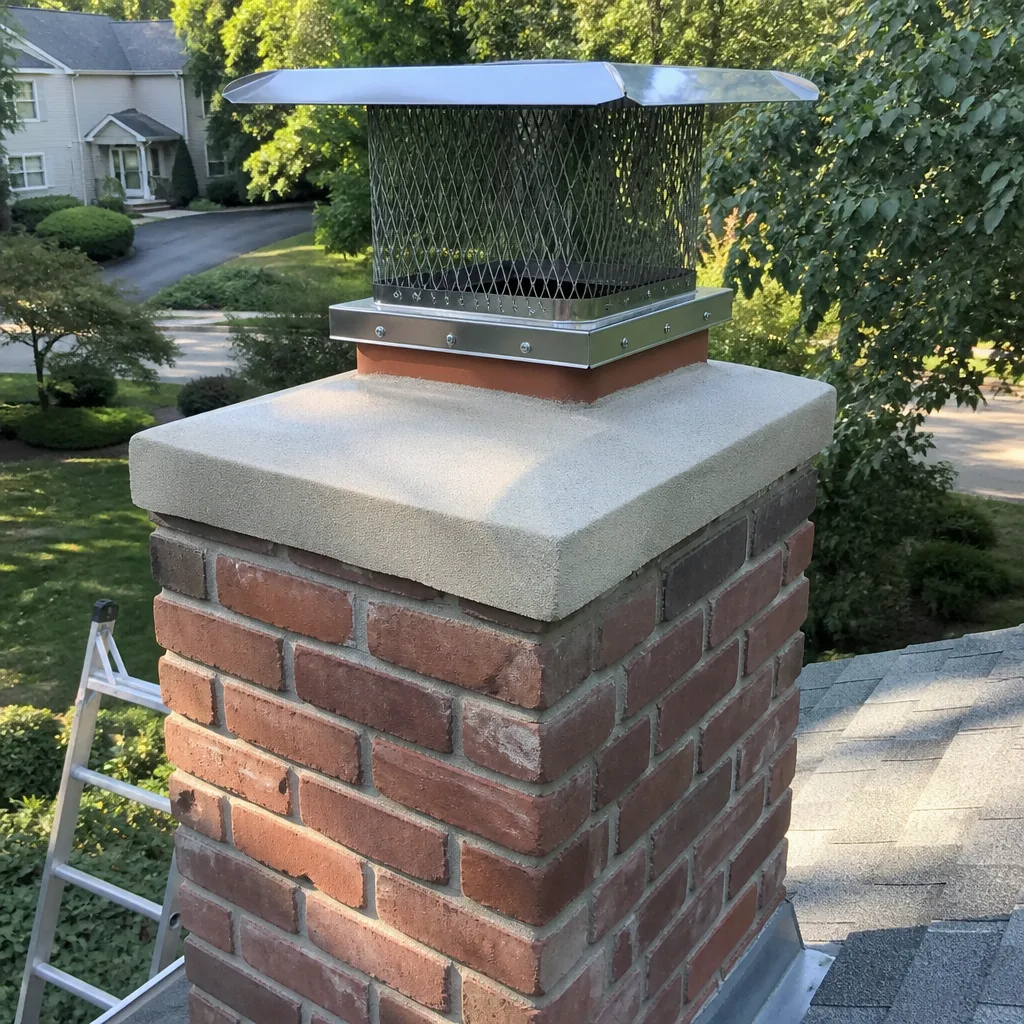 After
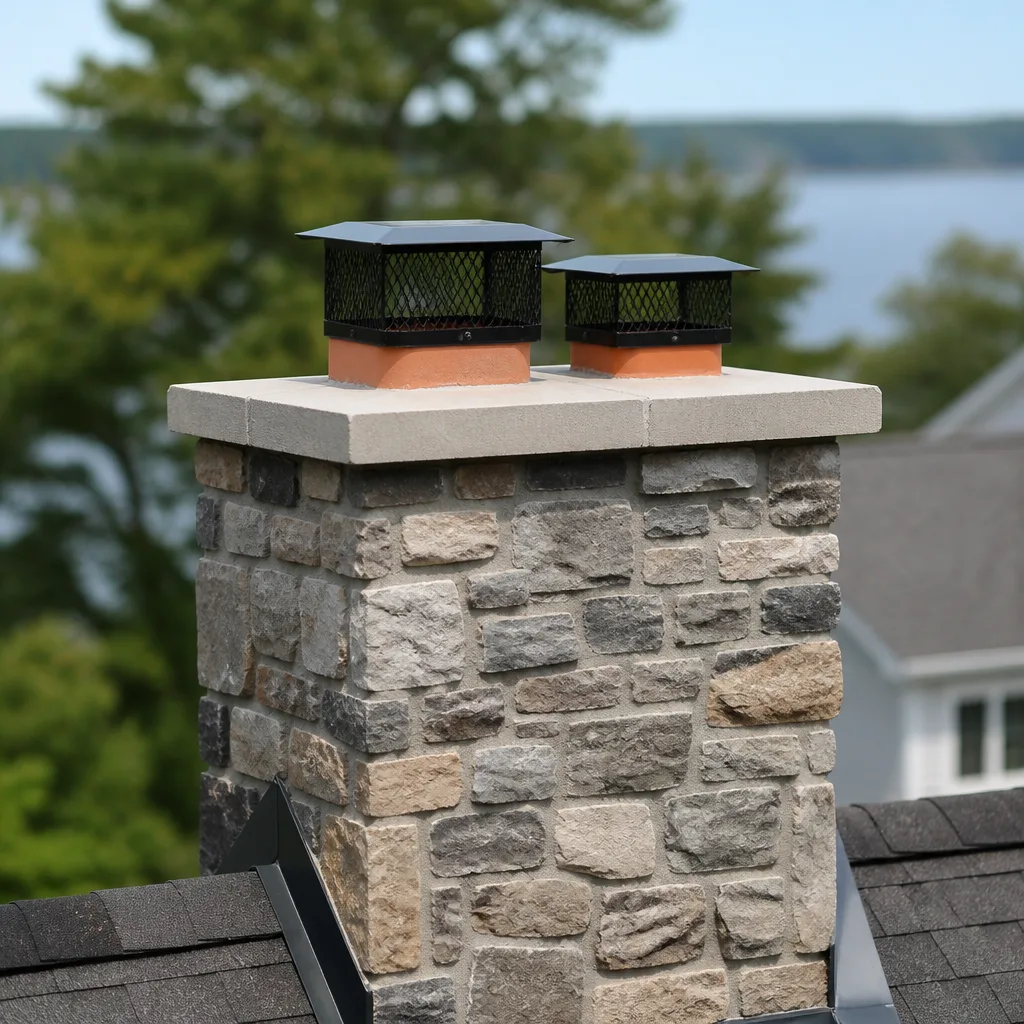
After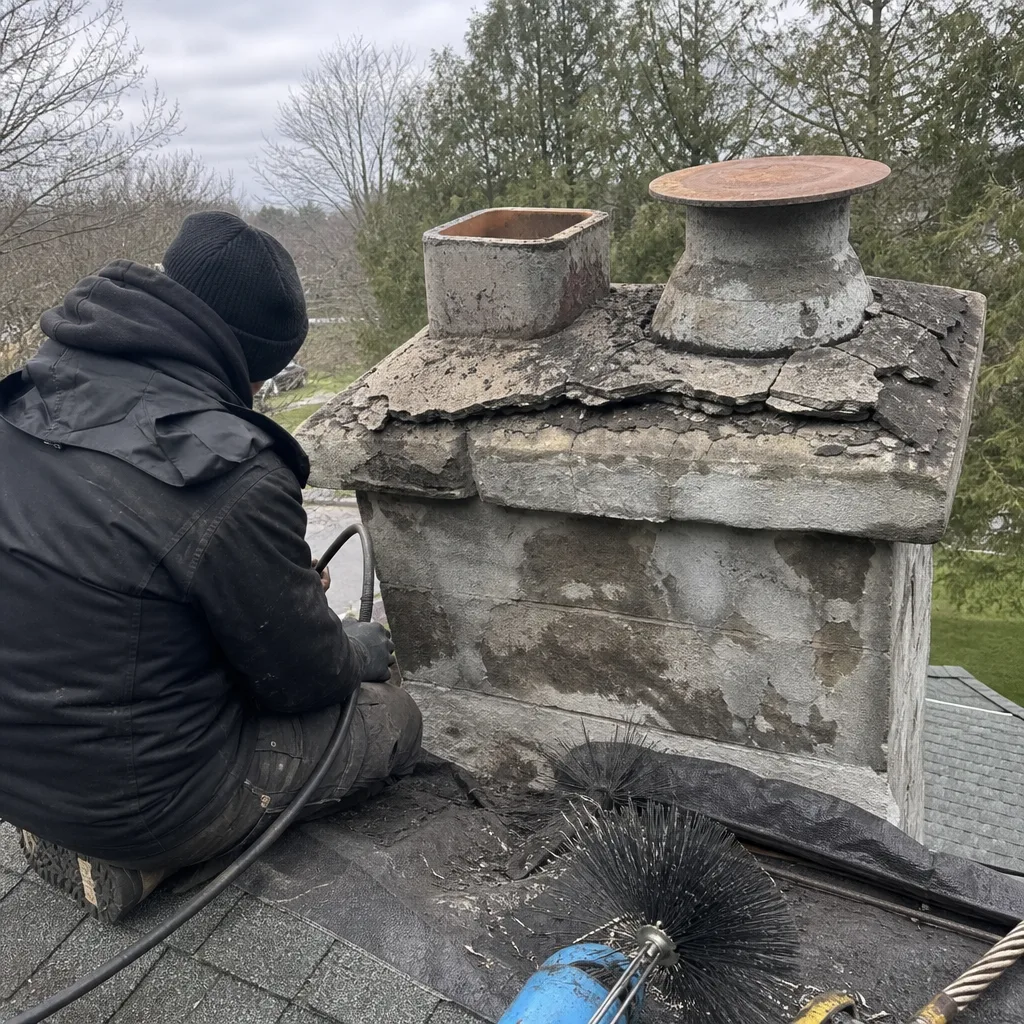 Before
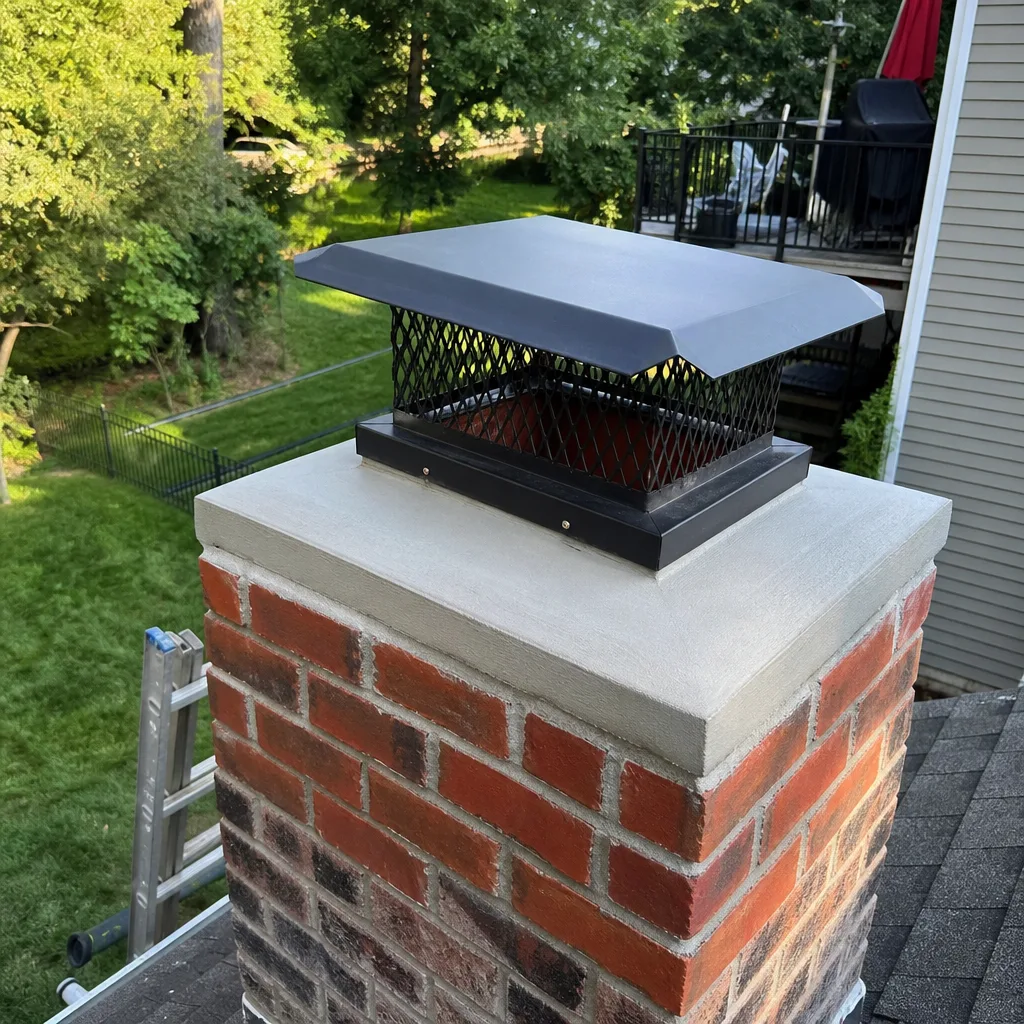 After
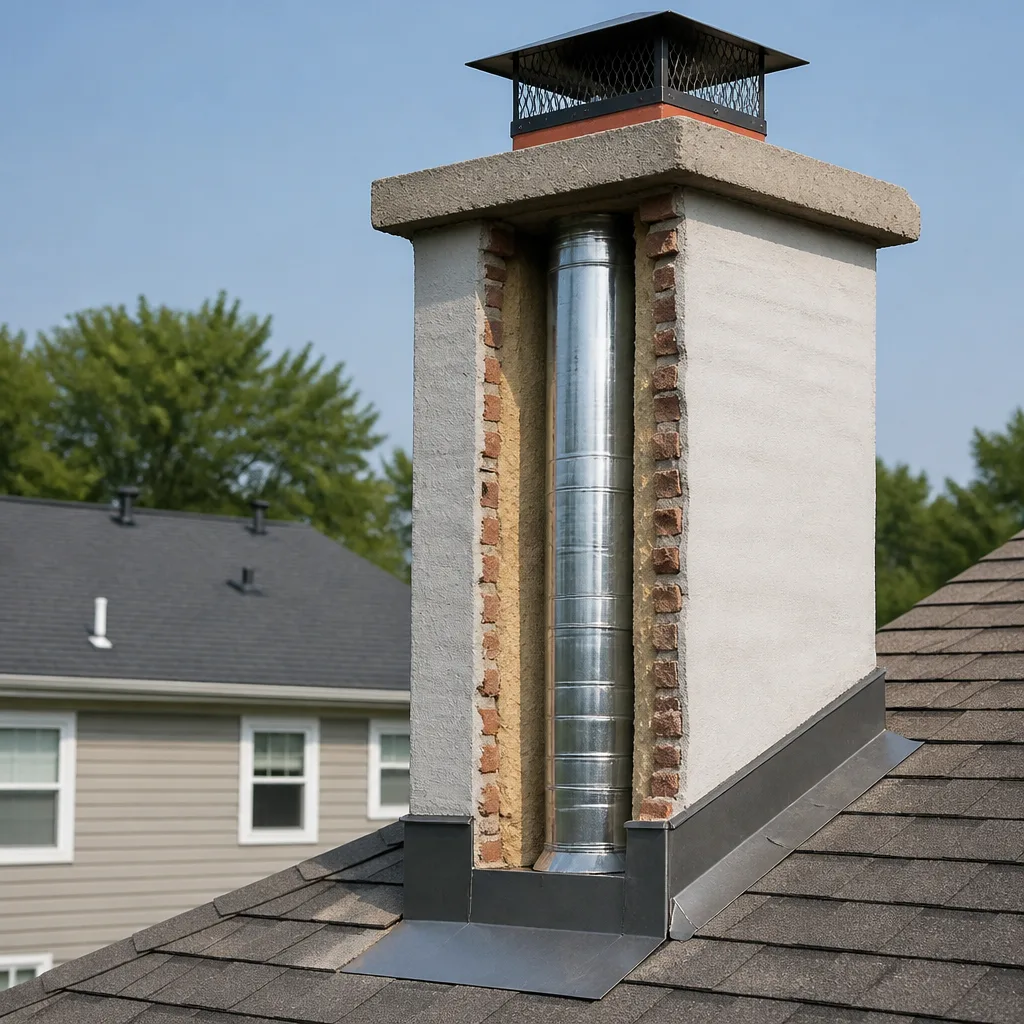
After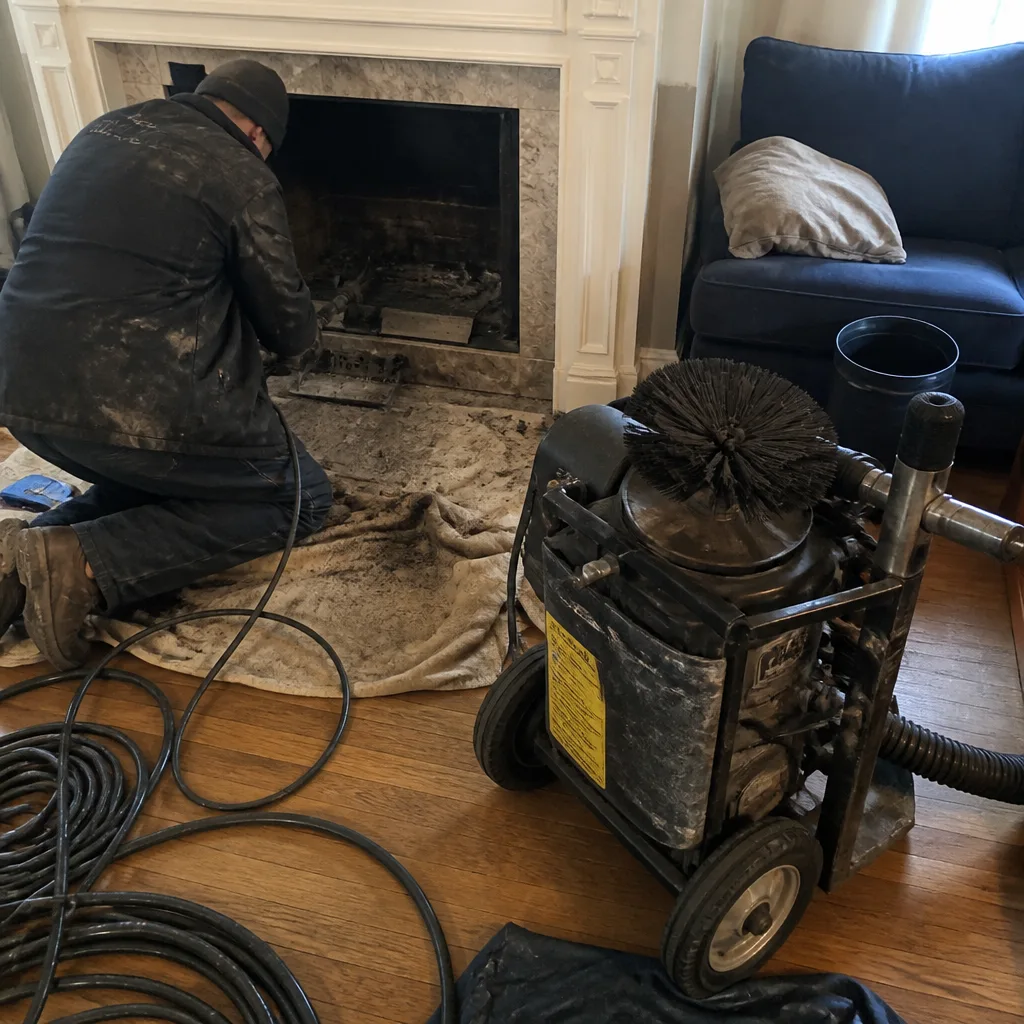 Before
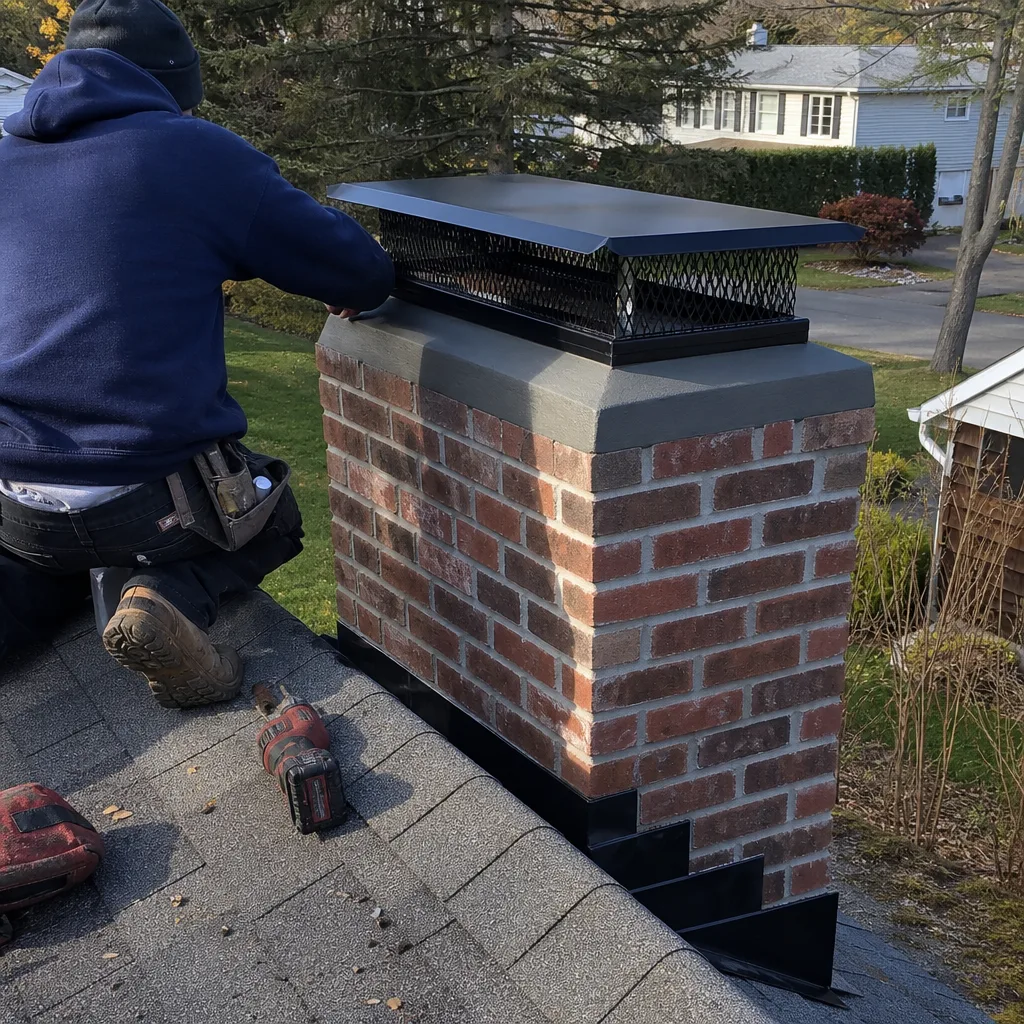 After
AfterDuraFlex Chimney Cleaning in Harrison, NY | Level Two Chimney White Plains
Harrison Chimney Cleaning & Sweep for DuraFlex liners runs $249-$389 for a standard single-flue sweep with camera inspection, and $389-$649 for multi-flue estate chimneys common in Purchase. We’re an independent DuraFlex service provider, not manufacturer-affiliated, and the thing that sets our Harrison work apart is this: we clean the liner and document its wall thickness with a camera on every single job. Most Harrison homes have chimneys built for coal or oil that now vent gas appliances through DuraFlex liners installed decades ago, and the liner’s condition matters more than the creosote on top of it. Call (914) 350-5204 for a written quote before anyone sets foot on your roof.
Why Harrison Residents Choose Us for DuraFlex Service
We’ve been inside enough DuraFlex systems in Harrison to know what a good one looks like and what a failing one looks like before it becomes obvious. Corrine Halstead, our owner, came up through the trades after a building technology program at Bronx Community College, and she’s been running cameras down Westchester flues for the better part of two decades. She can tell you the difference between normal surface oxidation and the deep etching that comes from acidic condensation in a converted coal flue, and she’ll show you the photos before she recommends anything.
Harrison homeowners call us because we stock genuine DuraFlex components locally and because our techs actually understand the liner systems in the town’s older homes. When a 1940s Purchase colonial has a DuraFlex liner that was installed during the first wave of gas conversions, we know what to look for. We check wall thickness at the horizontal offsets, we look for condensation etching near the smoke shelf, and we document everything. You get the camera footage, the written scope, and the price before any work begins. That’s not a sales tactic. It’s how we’ve operated since 2009, and it’s clause 4 of the Haven Standard: a photo record on every job, no exceptions.
Common DuraFlex Chimney Cleaning Problems We Solve in Harrison
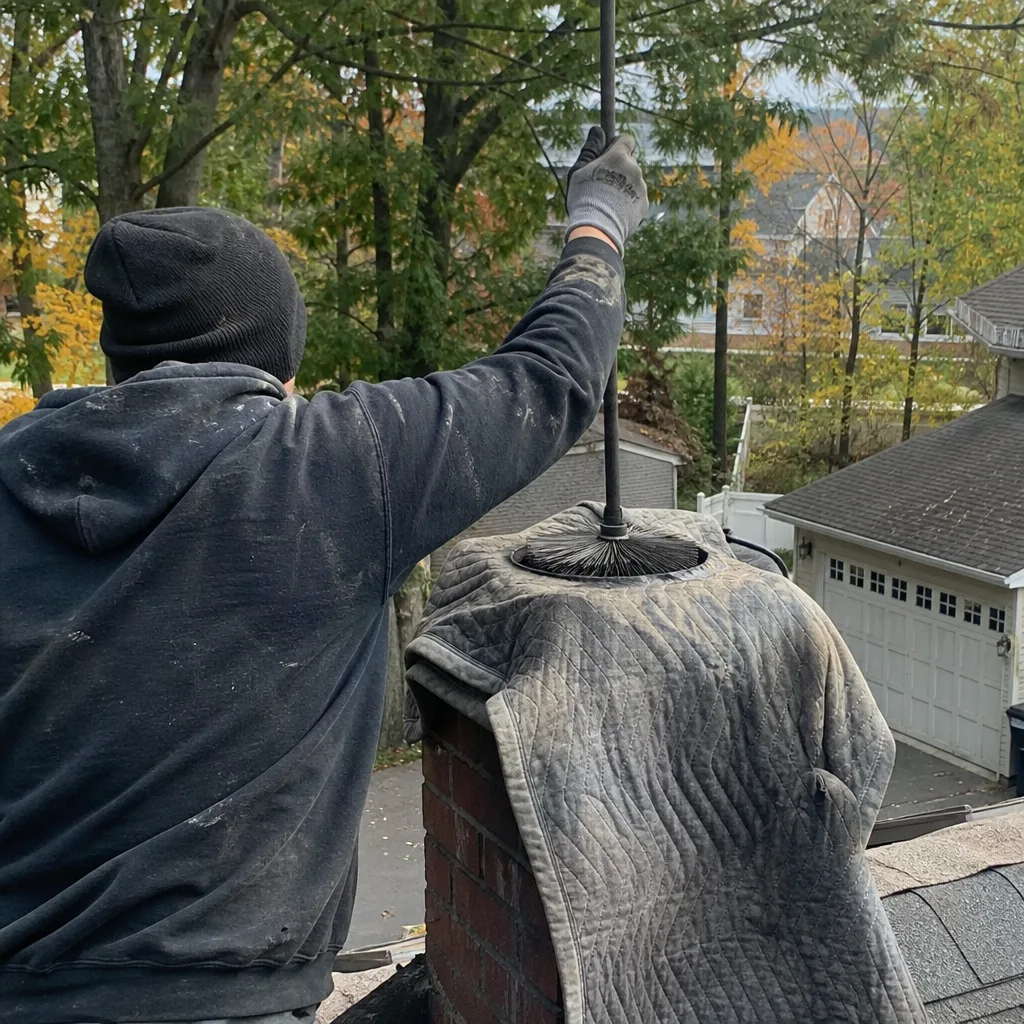
- Corrosion from acidic condensation in 304L liners. Harrison’s post-WWII colonials and Capes often have one central chimney venting a converted gas furnace plus a fireplace, and the furnace flue is usually oversized for a modern high-efficiency unit. The result is condensation that eats 304L stainless, especially during the shoulder seasons when the furnace runs intermittently from October through April. We find this on camera, show you the etching, and recommend an alloy upgrade where the liner still has life or replacement where it doesn’t.
- Thermal fatigue cracking in AL29-4C liners on Purchase estates. Those big 1920s brick chimneys run through unheated attic spaces before they clear the roofline. The liner gets cold in January, then the library fireplace below gets lit and the liner surface temperature jumps hundreds of degrees in minutes. Over enough seasons, that cycling creates hairline cracks that are invisible from the top but show up clearly on a camera scan. We clean these carefully and check every inch for crack patterns.
- Liner ovalization from freeze-thaw movement. Harrison’s inland climate gives us harder freeze-thaw cycles than coastal Rye or Greenwich. Century-old masonry shifts, and a round DuraFlex liner inside a shifting flue can deform into an oval. That deformation creates stress points and gaps in the insulation layer. We measure the cross-section during inspection and tell you whether the liner is still structurally sound or needs re-insulation or replacement.
- Damage from over-aggressive sweeping or creosote chunks. Multi-flue estate chimneys often have horizontal offsets where flues jog around each other. Creosote accumulates at those bends, hardens, and when it breaks loose during sweeping, it can gouge liner walls. We use rotary tools sized to the liner diameter and work slowly through offset sections. If a previous sweep scarred the liner, we’ll document it and assess whether the wall thickness still passes inspection.
- Mismatched patch repairs on multi-flue stacks. Purchase estates frequently have three to five flues sharing one chimney stack, with decades of repairs done by different contractors using whatever was on the truck. We regularly find a DuraFlex liner that was patched with non-DuraFlex fittings, or a gas appliance vent that was improperly combined into a fireplace flue. Untangling which flue serves which appliance is part of the cleaning and inspection work, and it’s a diagnostic puzzle specific to these early twentieth-century builds.
BeforeAfterDuraFlex Service in Harrison: What Local Conditions Mean for Your Equipment
Here’s the Harrison-specific fact that changed how we approach DuraFlex service in this town: Purchase estate homes were overwhelmingly built as coal-heated properties, and their original chimney flues were sized for coal’s generous draft requirements. When those homes converted to oil, then gas, the oversized flues created slow-moving exhaust that cooled too quickly. That’s why so many Harrison homes have liners. But the DuraFlex liners installed during the 1980s and 1990s conversion wave were often sized to match the existing masonry opening rather than the actual appliance demand, which means many are now too small for today’s high-efficiency gas appliances. Too small creates condensation. Condensation creates etching on 304L alloy. Etching creates pinholes. The only way to know if your liner is affected is a camera inspection, because the damage happens on the inside wall where a flashlight from the top can’t reach. On a 1920s brick estate off Purchase Street, we pulled a DuraFlex AL29-4C liner serving a converted basement gas boiler and found a 4-inch section near the thimble that had thinned to a dangerous degree. The homeowner had no idea anything was wrong. The camera does not guess. Neither do we.
DuraFlex Models & Products We Service in Harrison
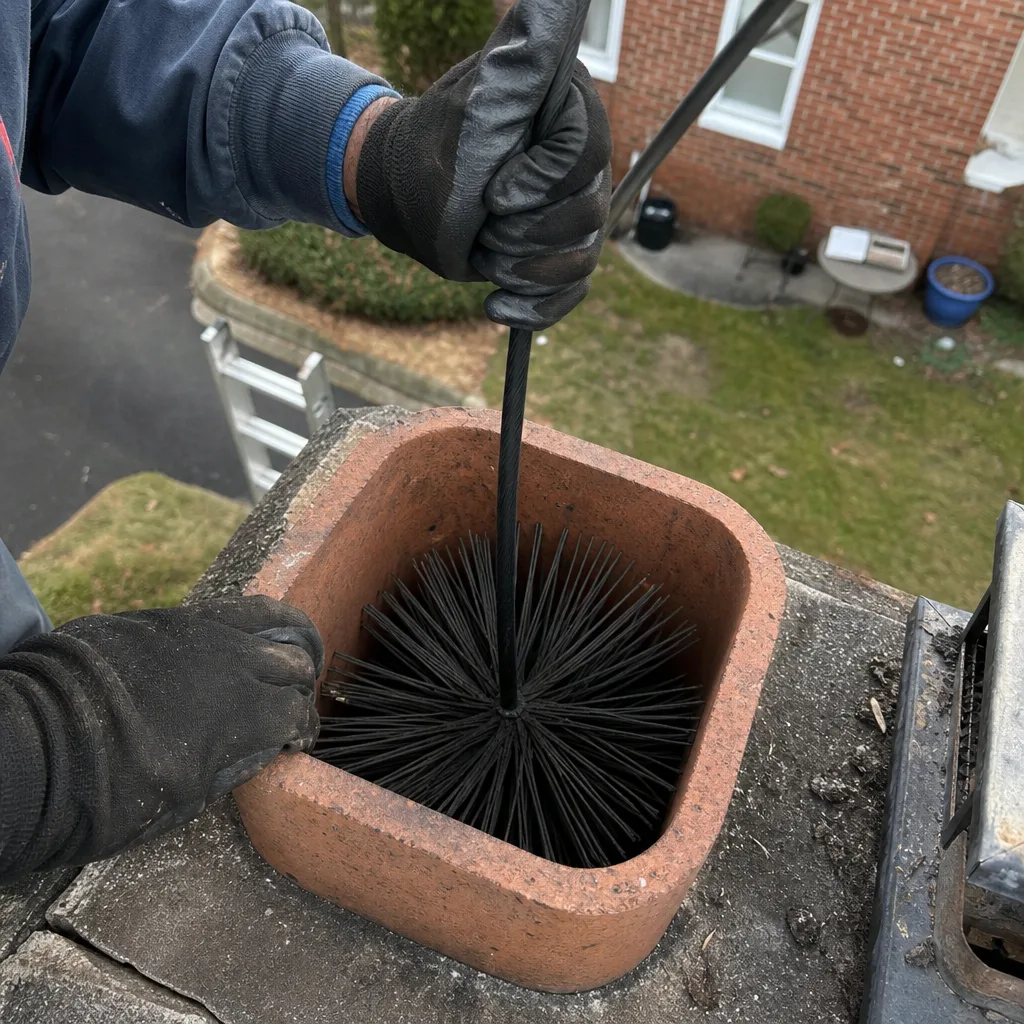
We inspect, clean, and handle Chimney Repair - Harrison on all four major DuraFlex model lines: the AL29-4C stainless liner, the PRO 316Ti liner, the PRO 316L liner, and the 304L liner. Each alloy has a specific use case, and part of our job is verifying the liner in your chimney is actually the right one for the appliance it’s venting. For repairs on warrantied systems, we use genuine DuraFlex components whenever possible, which keeps the manufacturer warranty intact. For older systems outside warranty or non-critical patches, we may use equivalent-grade 316Ti stainless fittings that meet or exceed flex liner standards. We’re honest about the difference. We keep common DuraFlex fittings and connector components stocked for the models most common in Harrison and Westchester, which means we can usually complete a liner repair in a single visit without waiting on a parts shipment.
DuraFlex Service Pricing in Harrison
| Service | Harrison Price Range |
|---|---|
| Single-flue sweep with camera inspection | $249-$389 |
| Multi-flue estate chimney sweep (2-5 flues) | $389-$649 |
| Level 2 camera inspection (standalone) | $349-$549 |
| Creosote removal (Class II/III heavy buildup) | $299-$499 |
| Multi-flue cap supply and installation | $425-$825 |
| DuraFlex liner repair or section replacement | Written quote after camera assessment |
What drives the spread: the number of flues, the liner’s accessibility from the roof, the creosote classification, and whether the chimney has horizontal offsets that take longer to clean. Every estimate includes the camera inspection, a written scope of work, and a written warranty before we start. No “call for pricing” games. The price is the price, in writing, before anyone climbs a ladder. Call (914) 350-5204 for an exact quote on your Harrison chimney. Estimates are free.
Serving Harrison, NY - Our Local Coverage Area
We’re based in the Harrison area and know this community well. Use the map below to see our service coverage - if you’re nearby, we can almost certainly help.
FAQs - DuraFlex Chimney Cleaning in Harrison
Sometimes yes, sometimes no, and you can’t tell from the top of the chimney. Coal-era flues in Harrison’s older homes are oversized for modern gas appliances, which creates condensation that can etch 304L liners from the inside out. The liner might look fine from above and be dangerously thin at the horizontal offset near the smoke shelf. A camera inspection tells you definitively. If the wall thickness is still sound, the liner is safe. If not, we’ll show you the footage and give you a written recommendation. Call (914) 350-5204 to schedule an inspection.
Yes, in many cases. A section damaged at one offset can often be cut out and replaced with a matching DuraFlex section and proper couplings, provided the rest of the liner still has adequate wall thickness. We assess this by camera, measure the thinning, and tell you plainly whether repair makes sense or whether replacement is the more cost-effective route. We use genuine DuraFlex parts for warranty-covered repairs and equivalent-grade 316Ti fittings for older systems where it makes sense. The decision is yours, but it starts with evidence, not opinion.
Yes, indirectly. The freeze-thaw cycling in Westchester’s inland climate causes gradual masonry movement in older brick chimneys. That movement can compress or deform a liner, especially in flues that weren’t insulated properly at installation. We see ovalized liners in Harrison more often than in coastal towns like Rye because the temperature swings are more extreme here. An annual camera inspection catches the deformation early, before it compromises the liner wall.
For most high-efficiency gas furnaces in Harrison, we recommend the PRO 316Ti alloy. It resists the acidic condensation that high-efficiency units produce better than 304L, and the titanium-stabilized grade holds up longer in the kind of oversized flues common to converted coal chimneys. AL29-4C is an excellent alloy for oil and solid-fuel applications but can develop thermal fatigue cracks in the cold-attic runs typical of Purchase estate chimneys. The right alloy depends on your specific appliance and flue dimensions, and we’ll match it based on the camera findings and manufacturer draft requirements. Call (914) 350-5204 for an assessment.
We use rotary cleaning tools with poly or wire heads sized to the liner’s interior diameter, and we work in short, controlled passes rather than aggressive up-and-down driving. Horizontal offsets get special attention because that’s where hardened creosote chucks can break loose and gouge the liner wall. We also inspect the liner surface with the camera after cleaning to confirm we left no new scoring. Our techs are trained on the specific handling requirements of each DuraFlex alloy, and we’d rather take an extra twenty minutes than damage a liner that’s got years of service left in it.
Service Areas Near Harrison
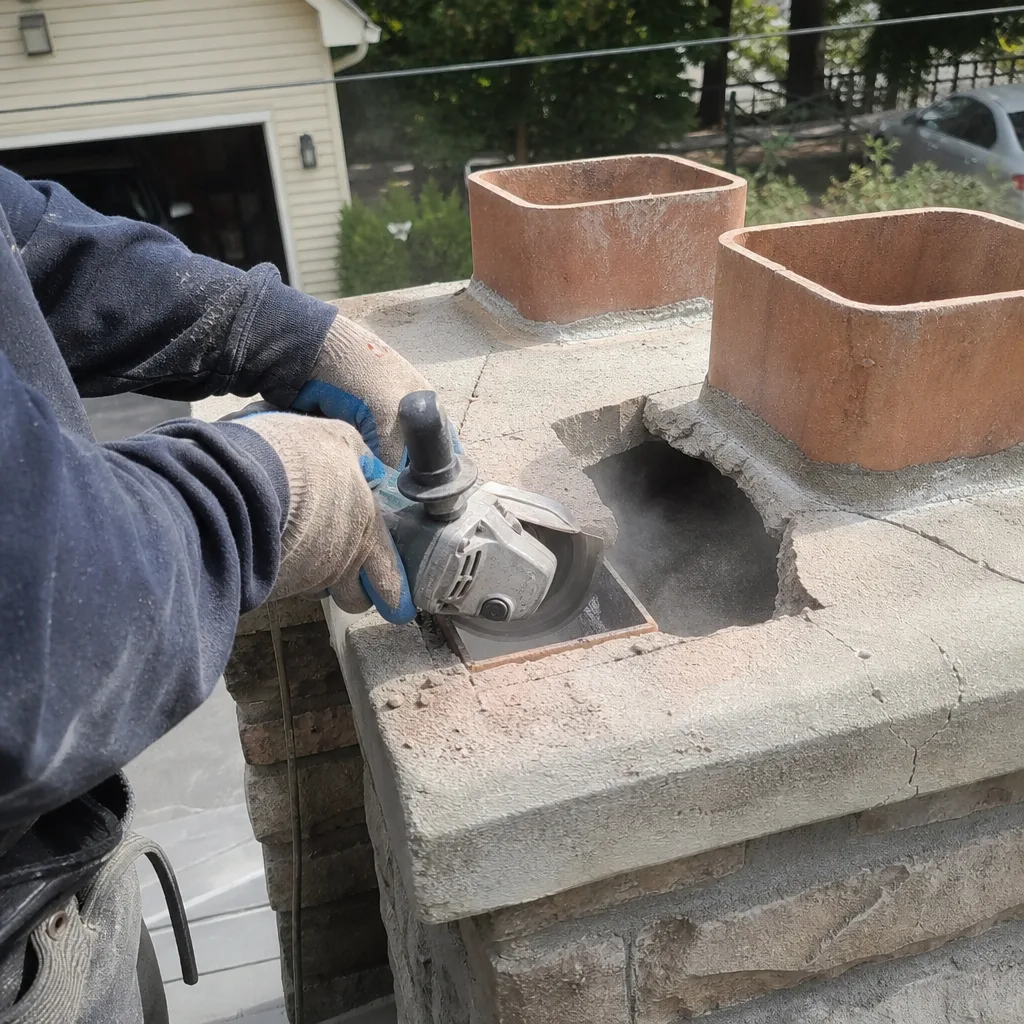
We provide Harrison service area coverage throughout the town, including Purchase, West Harrison, and the Village. We also serve DuraFlex service in Scarsdale for homeowners with similar estate-era chimneys, and DuraFlex service in White Plains where the housing stock trends toward mid-century builds. Hartsdale, Rye Brook, and Elmsford are also covered under our regular service area.
For all things DuraFlex, see our main DuraFlex sales & service page for model comparisons, alloy selection guidance, and full repair documentation standards.
Book Your DuraFlex Service in Harrison Today
Whether you’re in a 1920s Purchase estate with five flues or a 1950s Cape in West Harrison with one central chimney, we’ll put a camera down your liner and show you exactly what’s there. Written price, written scope, written warranty, before any work starts. Call (914) 350-5204 to book your DuraFlex inspection and cleaning in Harrison.
Written by Corrine Halstead, Owner at Level Two Chimney White Plains, serving Harrison and Westchester County since 2009.