
Last updated September 20, 2026
Level 1 sweep and inspection to the NFPA 211 annual standard - flue, crown, cap, and flashing checked and photographed
Chimney sweep logs do not sweep chimneys. They loosen some creosote - which then falls where a brush and vacuum still have to collect it.
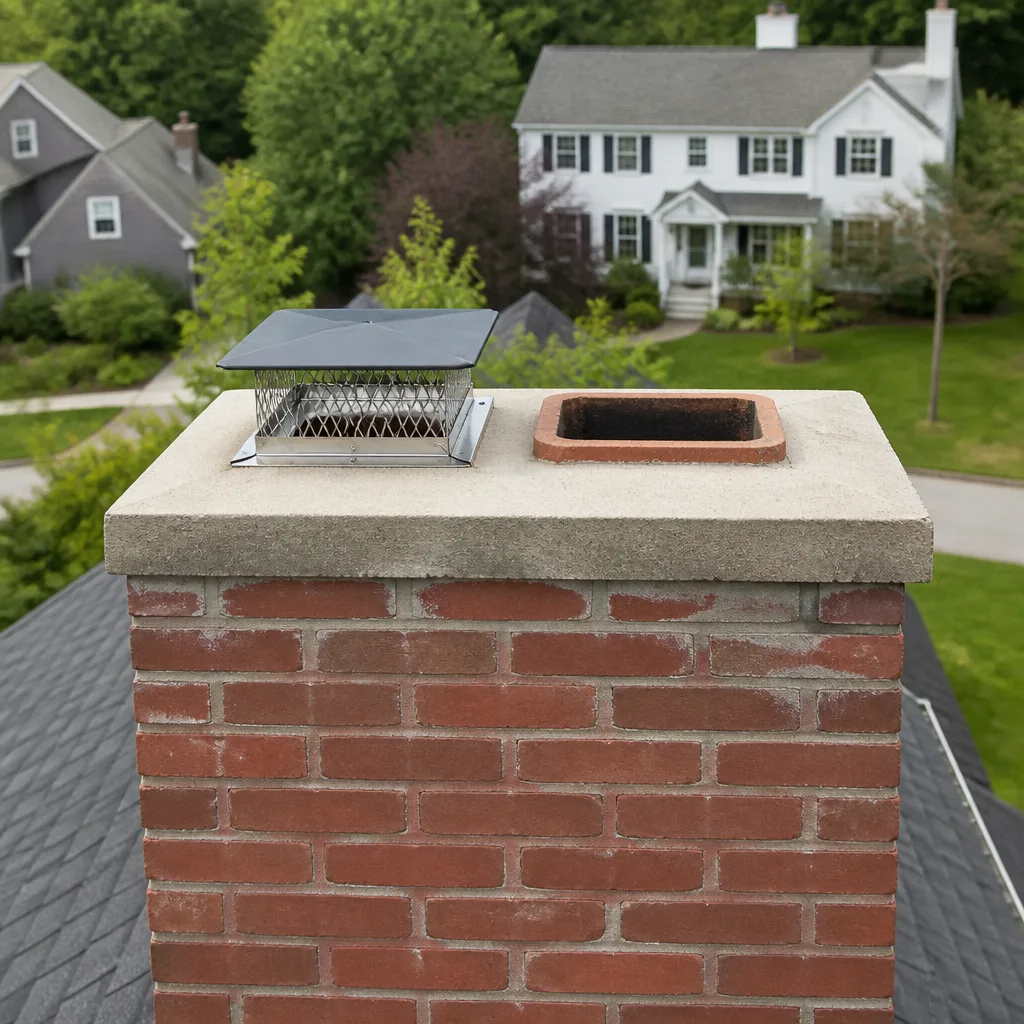
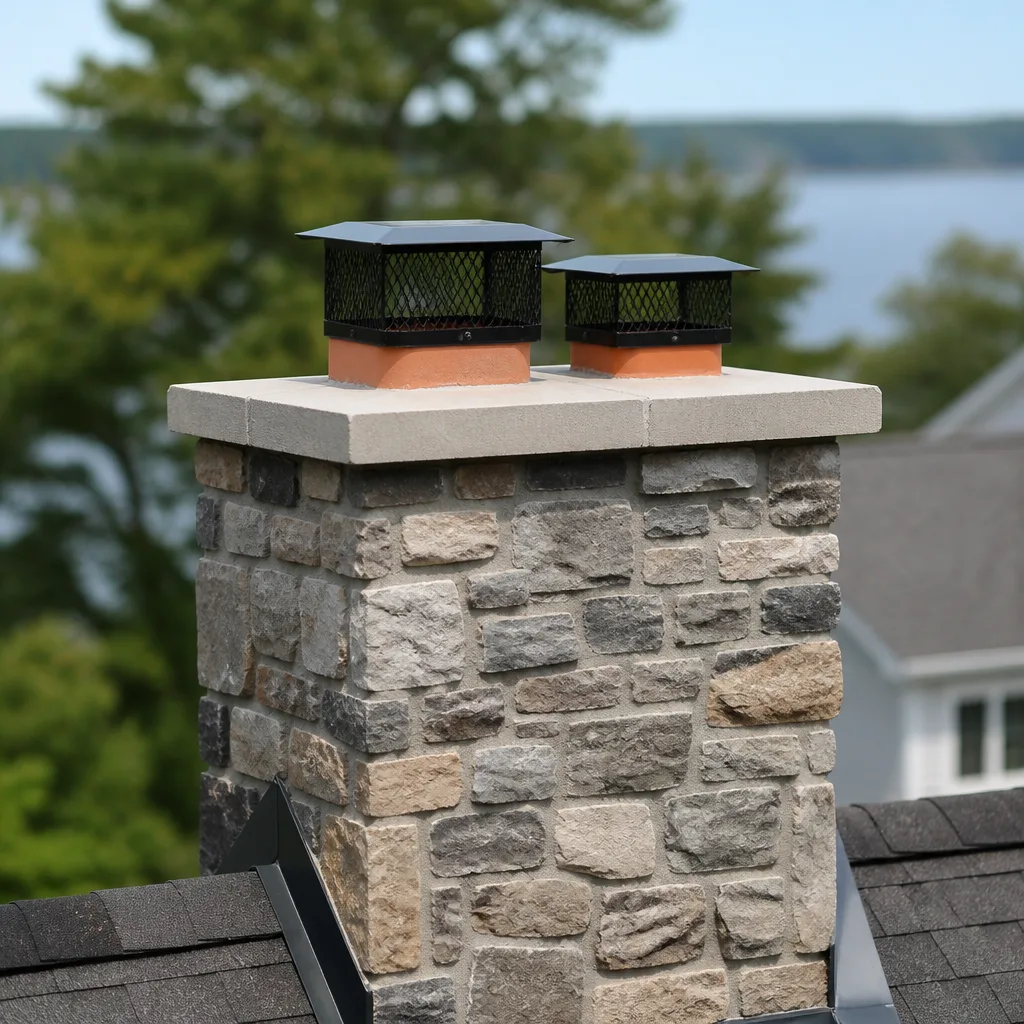
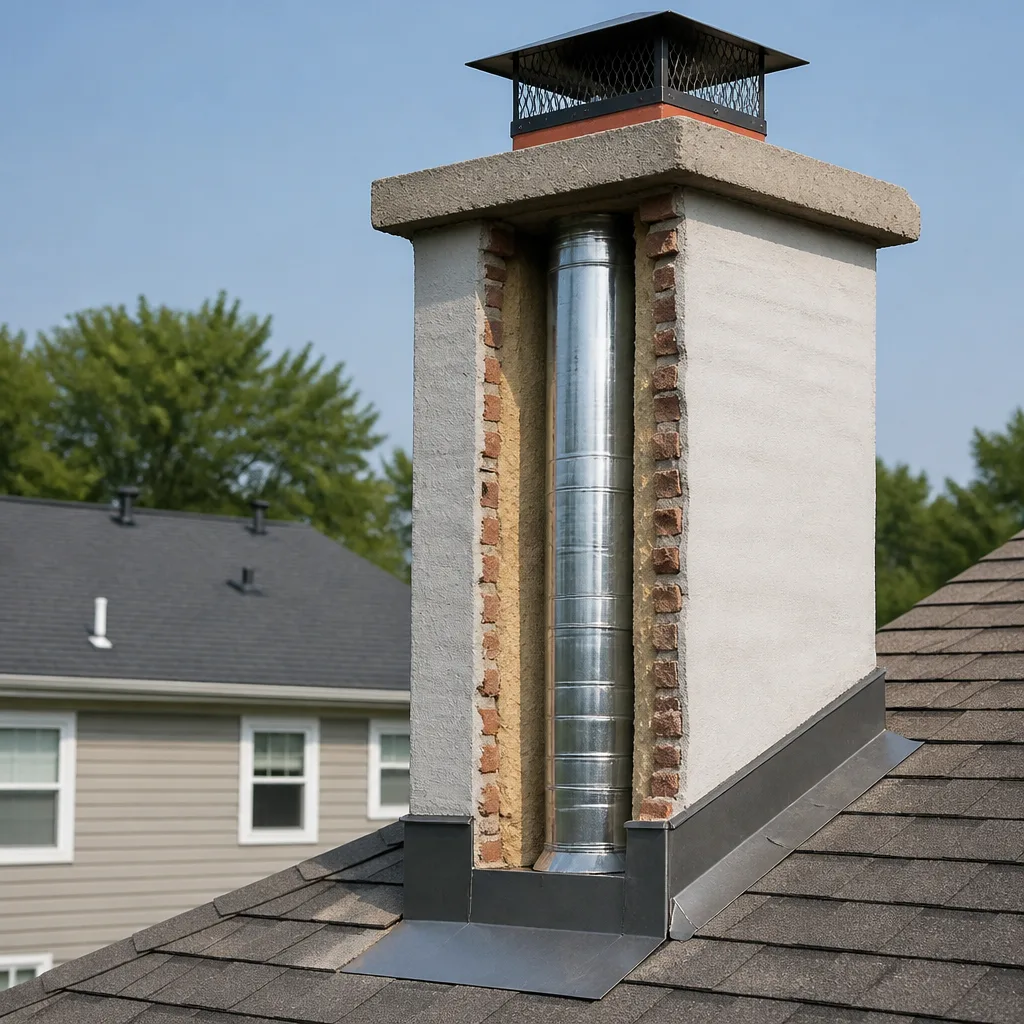
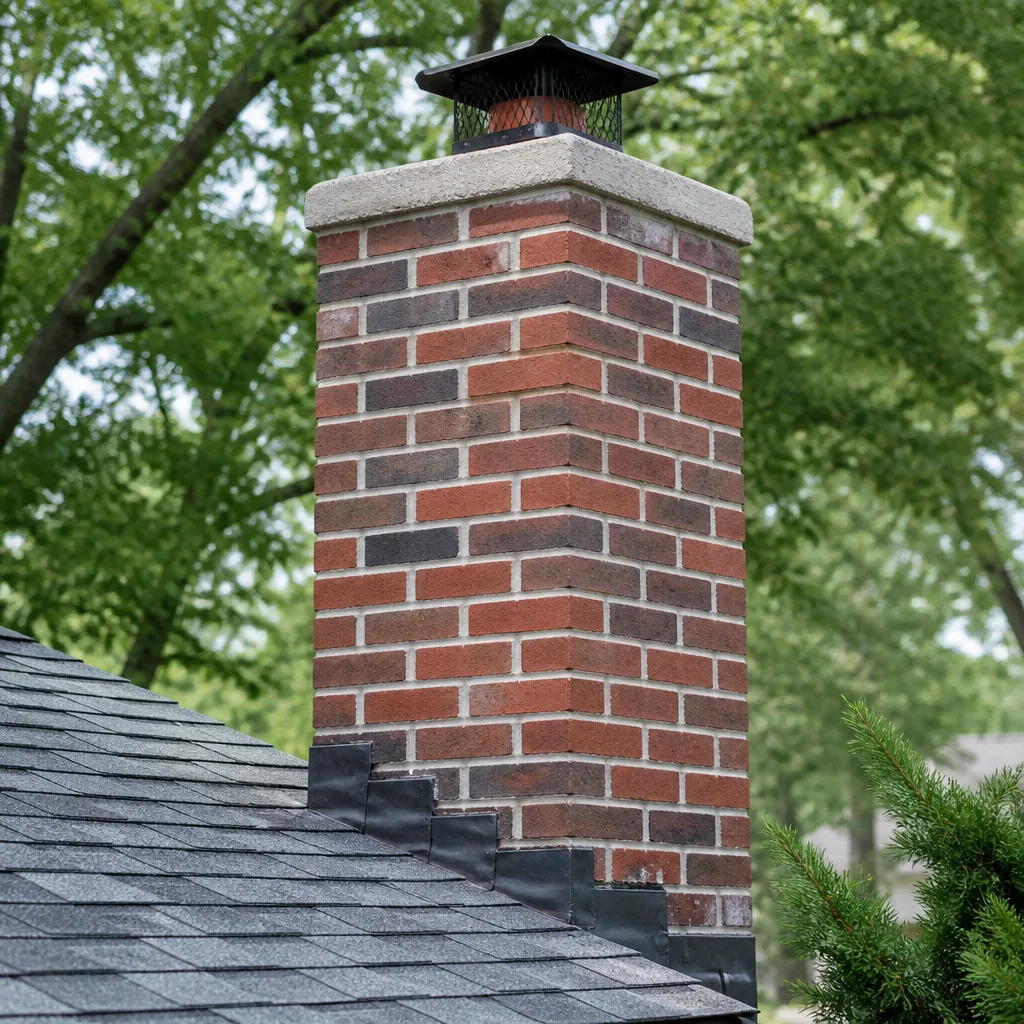
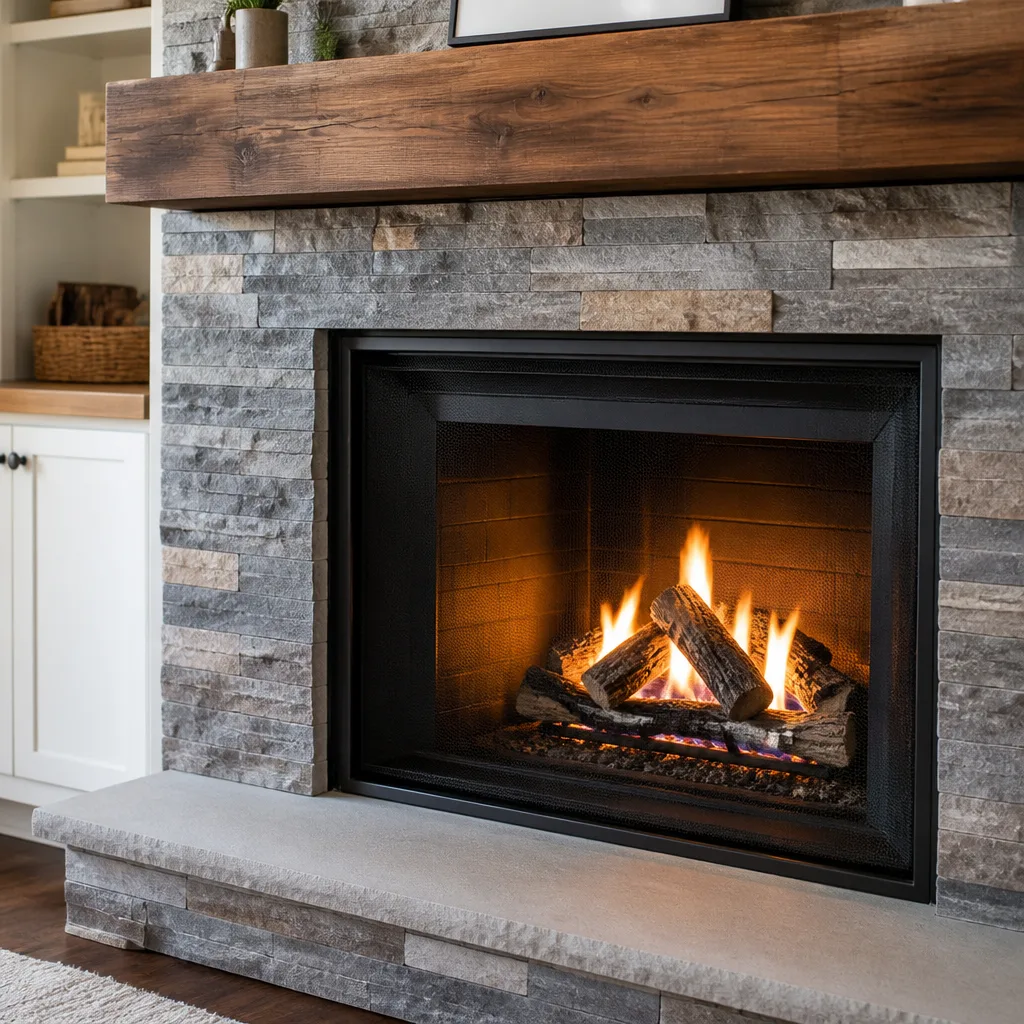
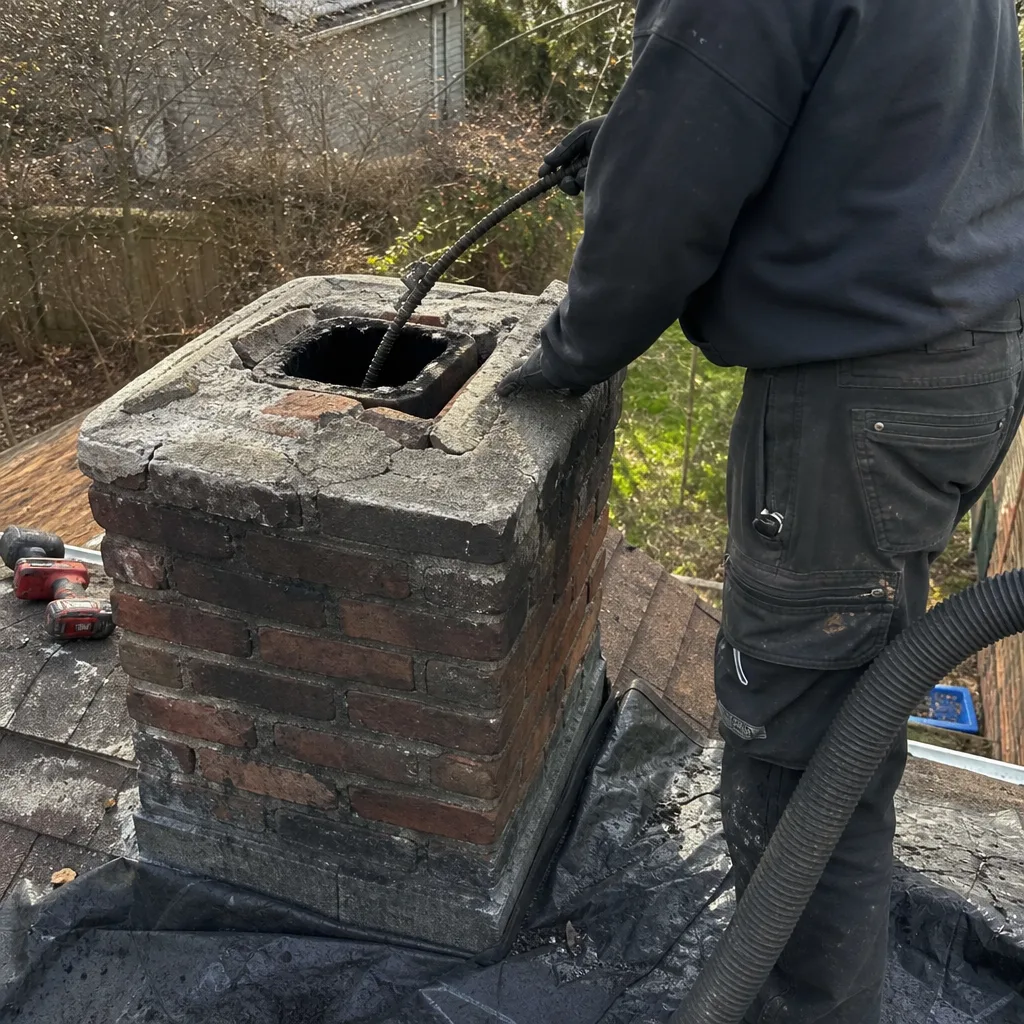 Before
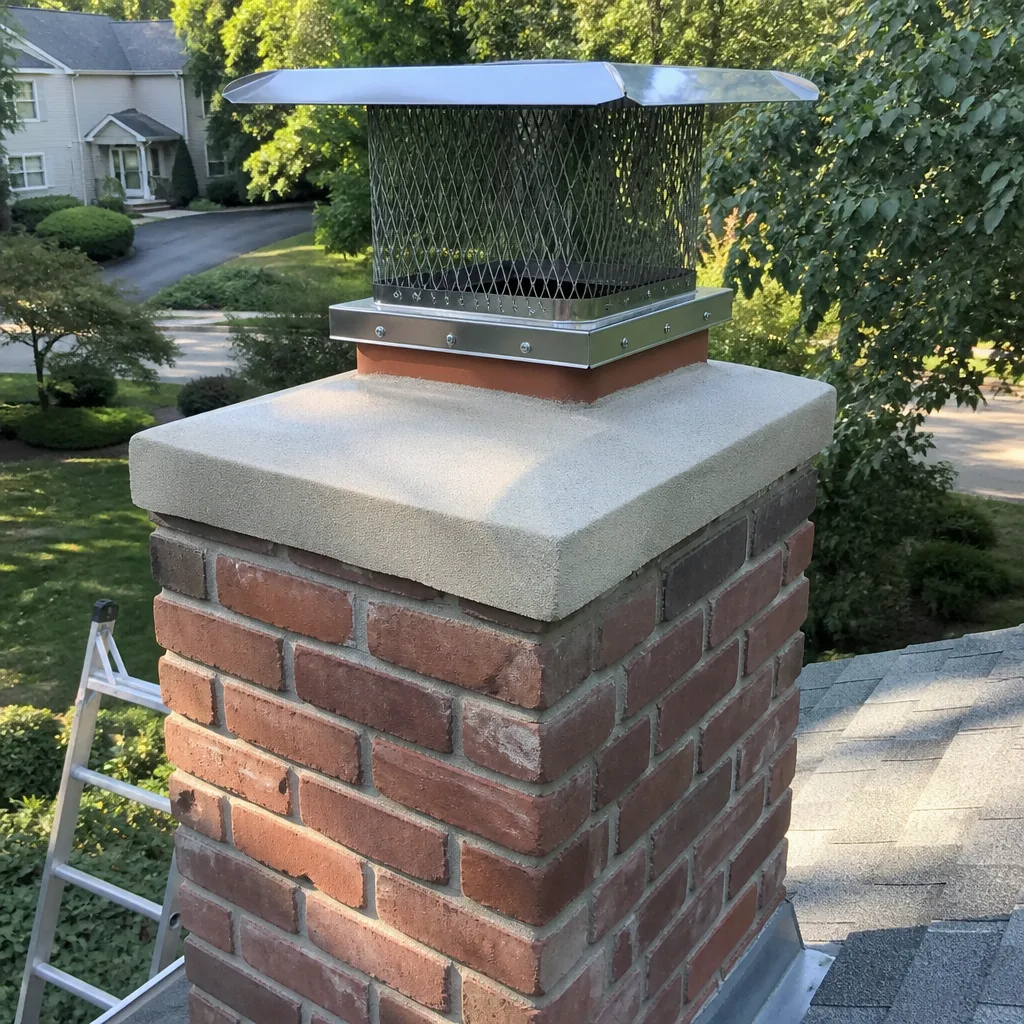 After
After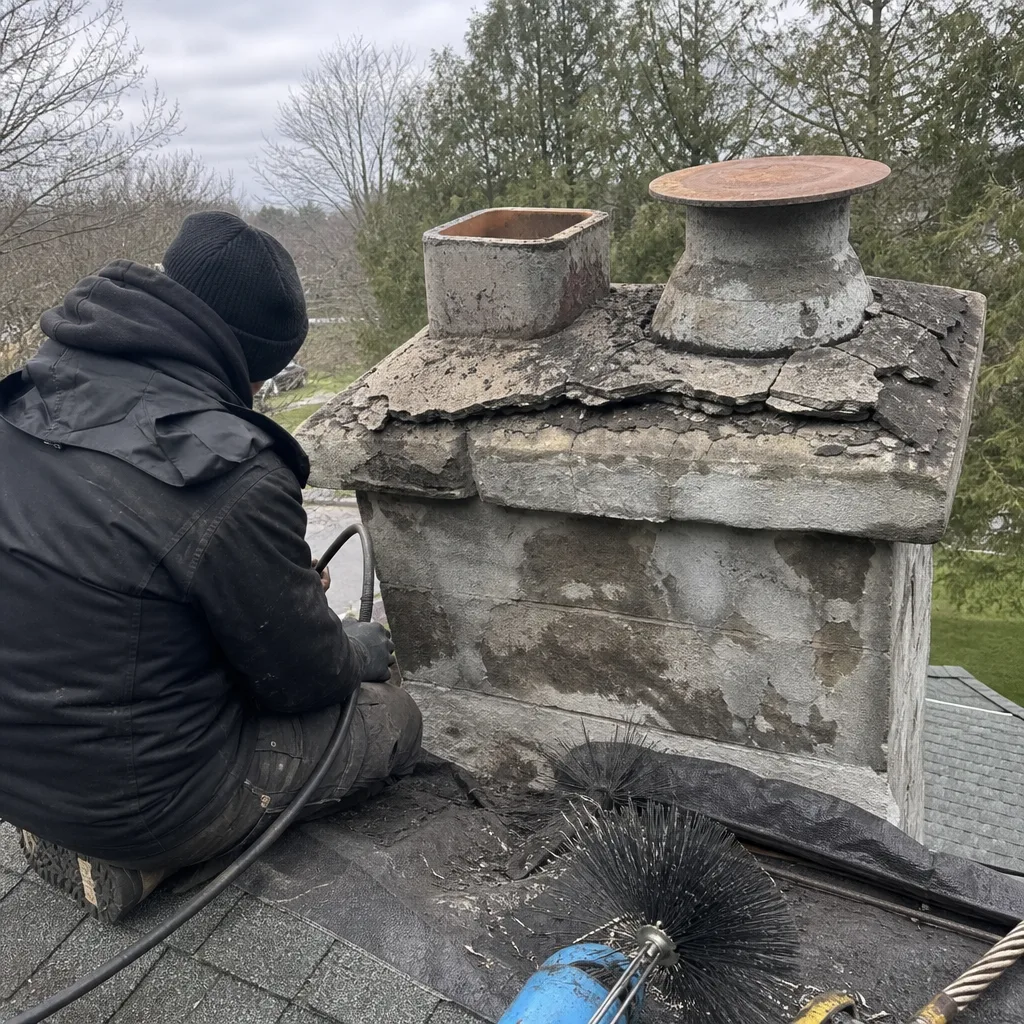 Before
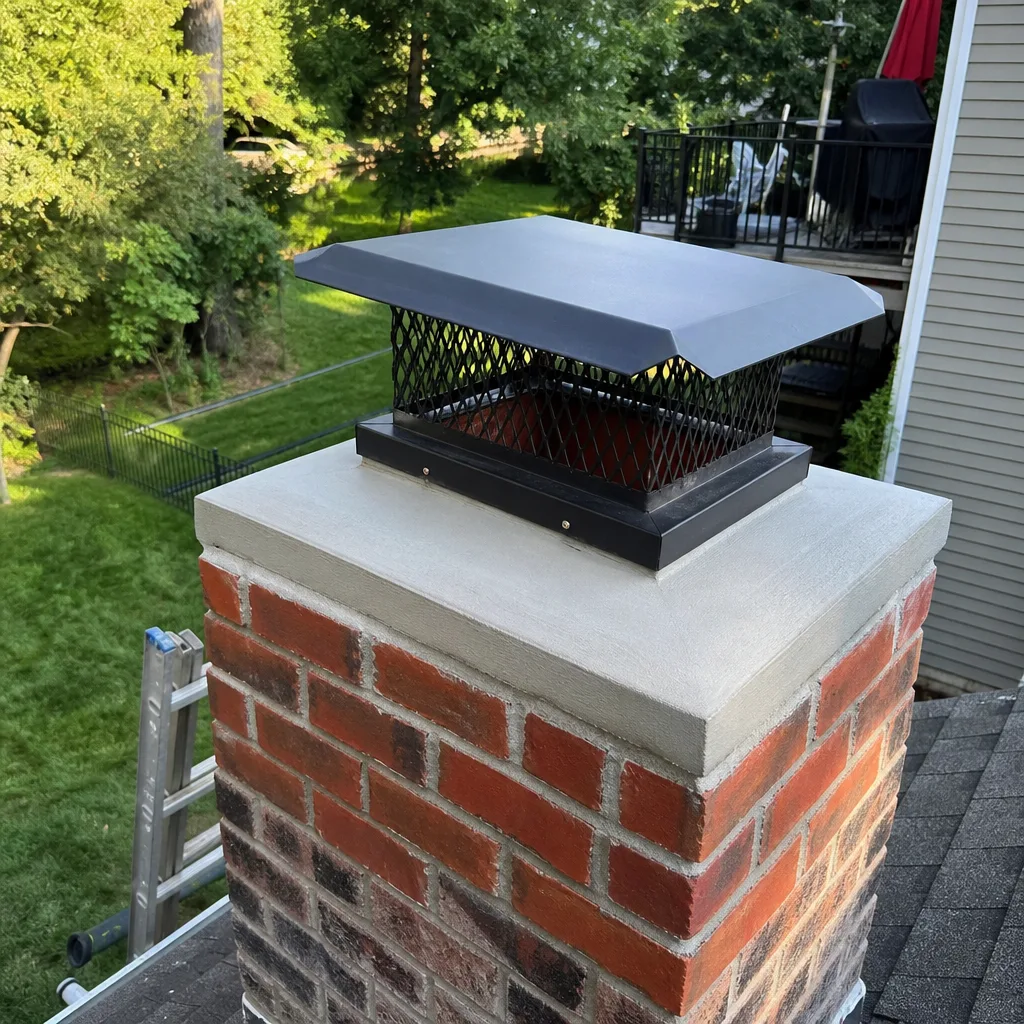 After
After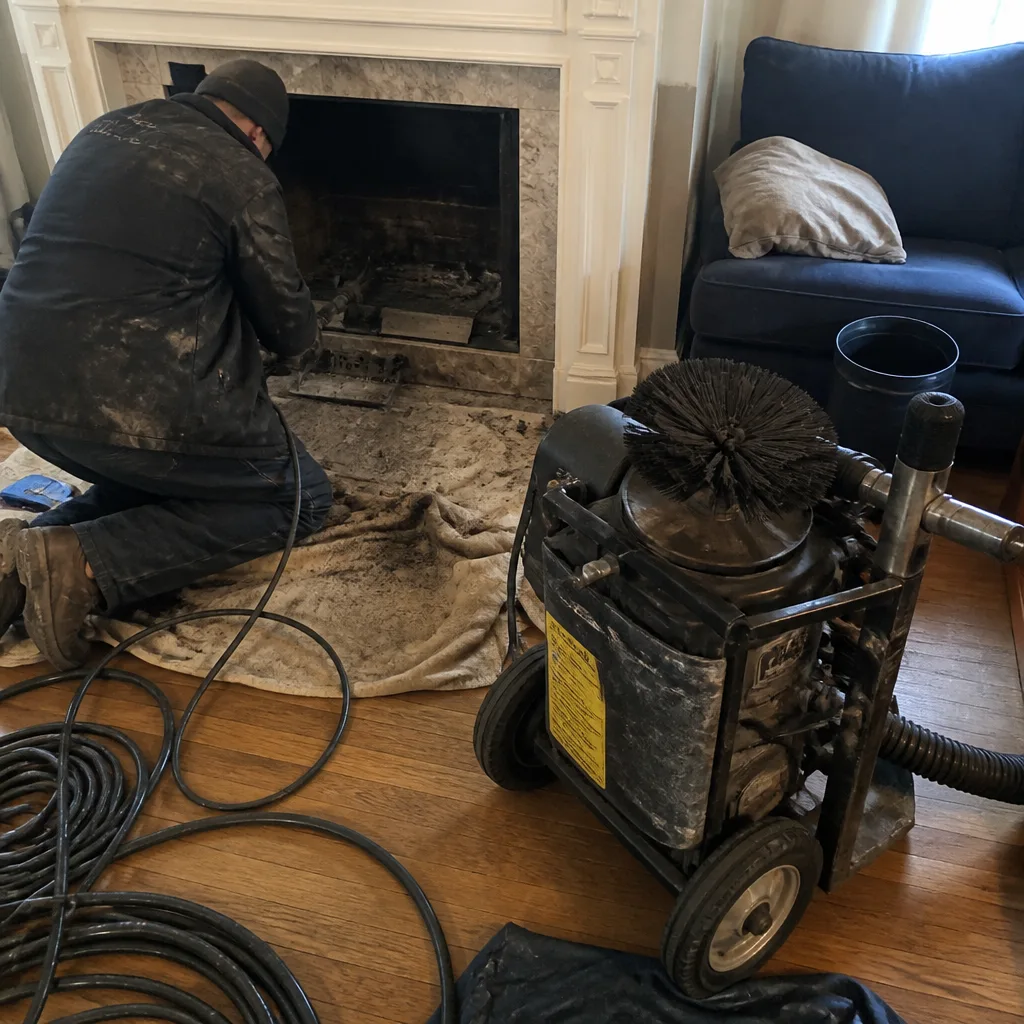 Before
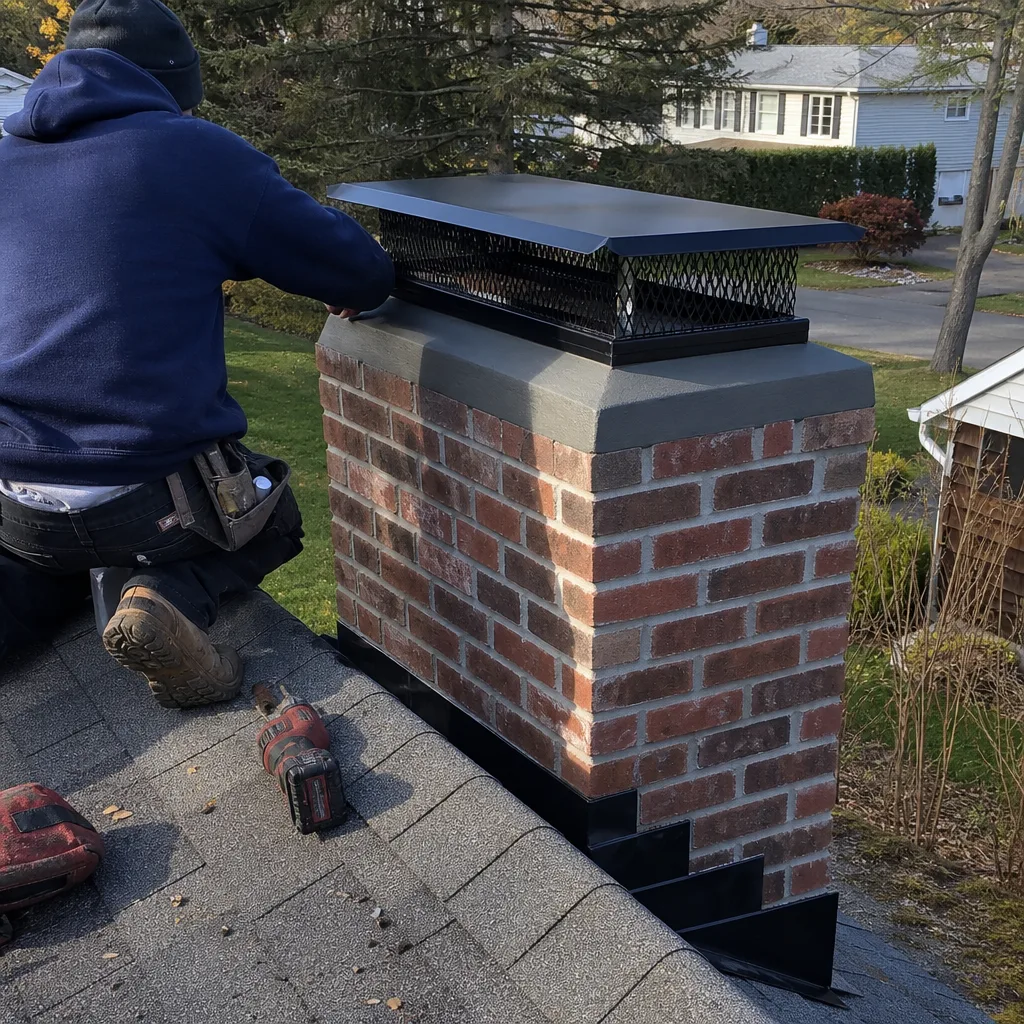 After
AfterDIY vs Professional Chimney Cleaning: The White Plains Homeowner’s Decision Guide
A chimney brush, a drop cloth, and a $40 kit from any hardware store in White Plains will remove Stage 1 creosote as effectively as a professional sweep. The brush does the same physical work. What it doesn’t produce is a camera-documented condition record, dated and signed, that an insurer or a home buyer will accept when they ask the question every homeowner eventually hears: “When was the flue last inspected, and who did it?”
This guide breaks down exactly where DIY chimney cleaning makes sense, where it becomes a liability, and what the professional option in White Plains actually buys you beyond the labor itself. For a deeper dive into protecting your investment year-round, see our Seasonal Chimney Cleaning Care for White Plains: Year-Round Homeowner’s Guide. You’ll learn how to assess your own chimney honestly, the specific New York and Westchester County conditions that change the math, and the documentation gap most DIY cost comparisons quietly ignore.
Quick Answer
DIY chimney cleaning is practical for homeowners with a straight flue, an accessible cleanout, and only light Stage 1 creosote buildup, but it will not produce the written Level 2 inspection record that home insurers and buyers request in White Plains real estate transactions. Professional cleaning in White Plains typically runs $180 to $340 and includes camera documentation, a written price before work starts, and a dated condition record. The decision isn’t really about scrubbing skill, it’s about the paper trail.
Table of Contents
- What DIY Chimney Cleaning Can Actually Do
- What DIY Cannot Do: The Documentation Gap
- The Cost Question: DIY vs Professional Over Five Years
- White Plains-Specific Complications Most Guides Skip
- Safety Boundaries: When the Brush Stops and the Pro Starts
- The Insurance Implications of DIY Chimney Maintenance
- What a Professional Camera Inspection Actually Shows
- Common Mistakes to Avoid
- When to Call a Professional
- Frequently Asked Questions
- The Bottom Line
BeforeAfterWhat DIY Chimney Cleaning Can Actually Do
Let’s be straight about this: the mechanical act of brushing a flue is not complicated. The National Fire Protection Association’s NFPA 211 standard, which Westchester County fire officials reference in their guidance, calls for cleaning when creosote reaches 1/8 inch of accumulation. A homeowner with a polypropylene brush sized correctly to their flue, running it from the top down or bottom up through an open damper, can physically remove Stage 1 creosote from a straight flue. We’ve inspected chimneys in White Plains where homeowners had done exactly that, and the flue walls were reasonably clean.
Here’s the honest checklist of conditions where DIY cleaning is a defensible choice:
- Straight flue, no offsets: If you can sight down the flue from the roof and see the firebox, the geometry works for a brush. Offsets require specialized rotary equipment and usually defeat the standard homeowner kit.
- Accessible cleanout: Some older White Plains homes, particularly the colonials and split-levels built between 1950 and 1980, have cleanout doors at the base of the chimney. Without one, you’ll be hauling debris through your living room.
- Stage 1 creosote only: Stage 1 is a light, flaky, sooty deposit. Stage 2 is a harder, granular glaze. Stage 3, often called glazed creosote, is a dense, tar-like coating that a brush does not remove and that stores enough fuel per square inch to sustain a chimney fire on its own. If you scrape a spot and it looks like black peanut brittle, stop.
- No history of chimney fire: If the previous owner ever had a chimney fire, the flue liner may be compromised in ways you cannot see from the top or bottom without a camera.
- An existing professional inspection within the last two years: If a Level 2 camera inspection already established the chimney’s baseline condition, and you’re just knocking down light accumulation between professional visits, the DIY route is more defensible.
The point is not that homeowners are incapable of basic chimney maintenance. The point is that the cleaning portion of the service is the easy half. The harder half is finding out whether the chimney is safe to use at all. That’s not something a brush tells you.
What DIY Cannot Do: The Documentation Gap
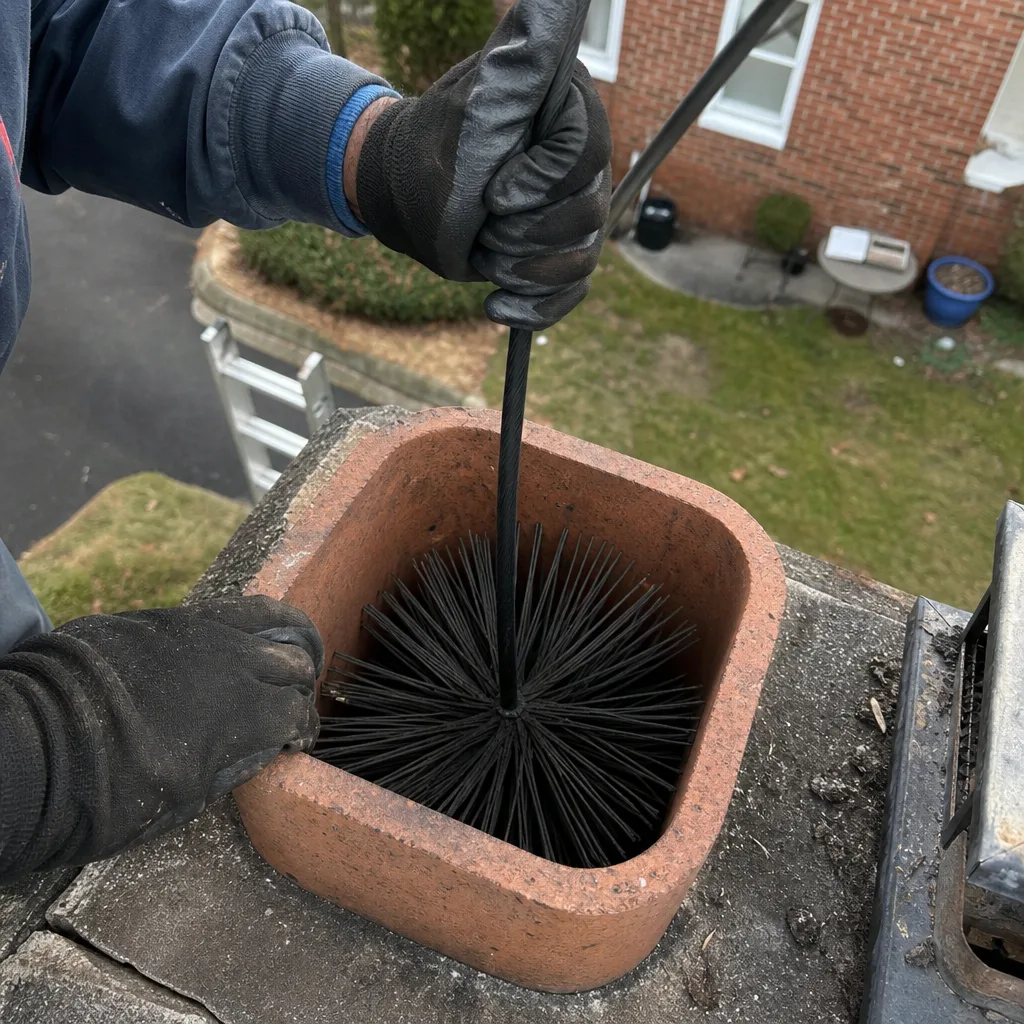
Here’s the part most DIY chimney cleaning articles don’t address in depth. A homeowner can scrub the flue, but they cannot produce a camera-documented condition record that identifies the flue liner material, liner integrity, smoke chamber condition, crown condition, and creosote classification in the format an insurer or a home inspector will recognize. That record is a different product entirely from cleaning, and it requires three things:
- A borescope camera capable of navigating the full flue length: A plumbing inspection camera runs $150 to $400 for a homeowner-grade unit, but chimney-grade cameras need to articulate around offsets, record in low light, and hold a clear image through creosote dust. Quality units start around $600 to $1,200 and require a practiced hand to capture usable footage.
- The working knowledge to interpret what the camera shows: A hairline crack in a terra cotta liner tile at the 9-foot mark means something specific. So does spalling on the smoke chamber wall, a crown that has separated from the flue, or a cricket that was never built in the first place. Under NFPA 211, the inspector is looking at clearances, liner condition, and the presence of combustibles within 2 inches of the flue. Knowledge of the standard matters. Without it, footage is just footage.
- A written report format that a third party accepts: Insurers and home inspectors in White Plains don’t accept a homeowner’s cell phone video as a condition record. They accept a written report with dated photos, a scope-of-work, and a named inspector. Clause 1 of the Haven Standard, the operational code we work under, requires a written price and written scope before any work starts, and Clause 4 requires a documented photo record on every job. That standard became the basis for Clauses 1 and 4 because the market kept seeing homeowners with no record at all.
Think of it this way: changing your own oil doesn’t void your warranty, but a dealer service record is what the next buyer wants to see. The flue is a fire-containment system running through the middle of your house. The people downstream, the insurer, the buyer, the home inspector, want to see the record, not your memory of having done a thorough job.
The Cost Question: DIY vs Professional Over Five Years
The standard DIY argument is that a $40 brush kit beats a $250 professional sweep, and on a single-visit basis, that’s arithmetically true. But the five-year window tells a different story. Here’s the line-item reality for a White Plains homeowner who burns three to four cords per season and cleans every year, which is the frequency Westchester County fire officials and the Chimney Safety Institute of America recommend for regular wood-burning use:
| Approach | First-Year Cost | Five-Year Cost | Documentation Produced | Collateral Risk |
|---|---|---|---|---|
| Full DIY | $40-$120 (brush kit, drop cloths, ladder already owned) | $200-$600 plus time (4-6 hours per year including roof access and cleanup) | None. No dated condition record. | Missed liner damage; insurance claim denial in chimney-related fire; property transaction delay |
| DIY + occasional professional inspection | $40-$120 + $150-$300 for a Level 2 camera inspection every 2-3 years | $575-$1,020 | Partial. Inspection records exist but show gaps in maintenance continuity. | Moderate. Record exists but appears intermittent to an underwriter. |
| Professional cleaning and inspection annually | $180-$340 per visit in White Plains | $900-$1,700 | Complete continuous record. Dated photos, written scope, written warranty. | Lowest. A defensible, unbroken maintenance record. |
The five-year gap between full DIY and annual professional service is roughly $700 to $1,100. It’s meaningful money. But stack that against a single chimney fire claim, which in New York runs from $5,000 for minor liner and smoke damage to well over $40,000 for structural fire damage. Then stack it against a $3,000 to $8,000 liner replacement that could have been caught two seasons earlier with a camera. Or a delayed closing because the buyer’s inspector flagged a chimney issue and the seller has no condition record to produce. The DIY savings start to look like a subsidy on borrowed time.
For a fireplace that sees only occasional use, 20 to 30 fires per season, the calculus shifts. Professional cleaning once every other year may be adequate under NFPA 211’s “as needed” provision. In those cases, the cost gap narrows to about $350 to $500 over five years, at which point the documentation question is even more clearly the deciding variable.
White Plains-Specific Complications Most Guides Skip
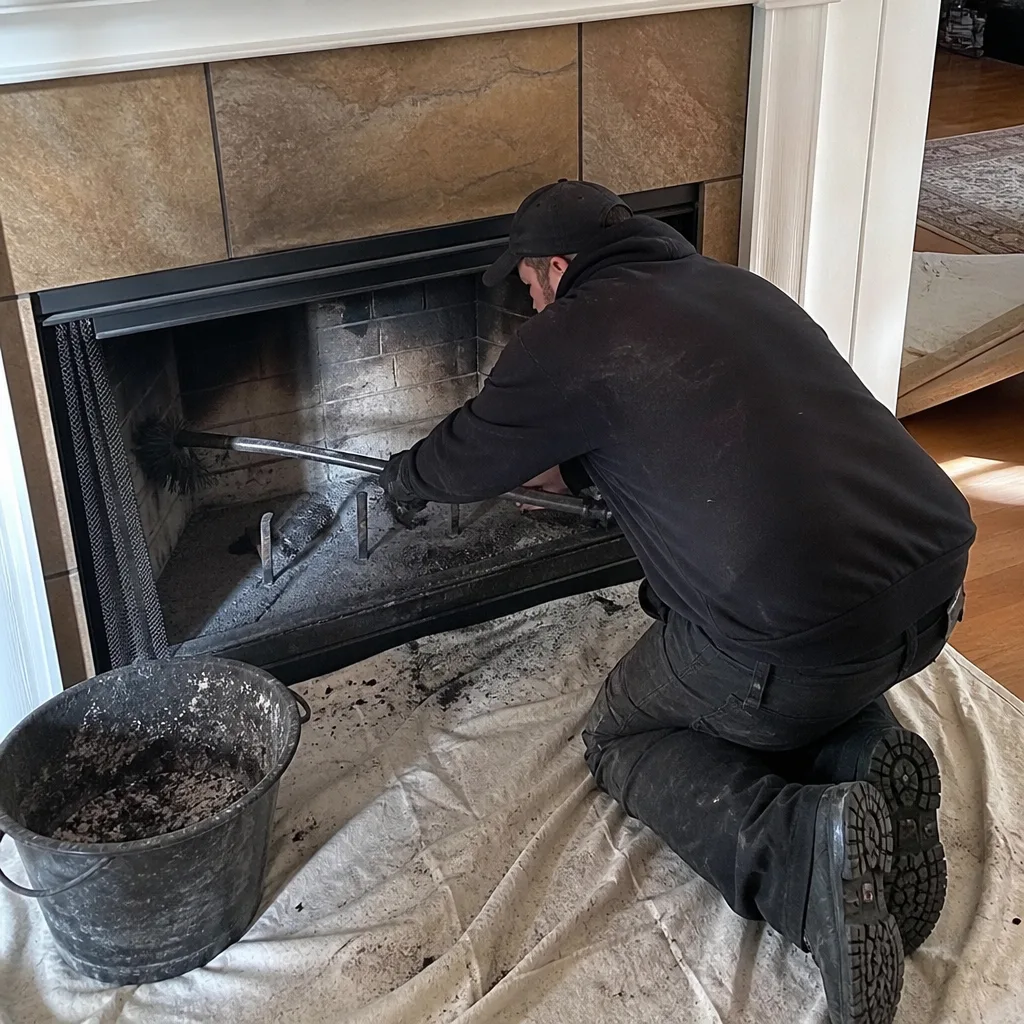
White Plains, New York, has a housing stock and heating history that make chimney decisions different from what a national DIY guide assumes. We’ve worked on chimneys in Prospect Park, Battle Hill, and the Highlands neighborhoods that share recurring issues, and they are worth naming here because they directly change the DIY math.
Offset flues in pre-1970 construction. A significant portion of White Plains homes built between 1920 and 1970 have flues that offset, meaning the flue shifts laterally to bypass a floor joist or to accommodate an original fireplace on the second floor. A poly brush on flexible rods will bind in an offset and can become lodged. Getting a brush stuck in an offset flue is not a hypothetical. It’s a scenario we’ve been called to resolve, and the extraction job costs more than a professional cleaning would have in the first place. If you don’t know whether your flue offsets, you don’t have enough information to safely DIY.
Converted oil-heat fireboxes. Many White Plains homes built before 1950 originally used oil for heat. When those oil-burning systems were converted to gas or wood, the original firebox was often retained. An oil-to-wood conversion typically leaves a firebox that is too shallow and a throat that is too large, which changes draft behavior and creosote deposition. Without a camera to assess the throat and smoke chamber, a homeowner has no way to evaluate whether the conversion is safe. This is exactly the kind of condition a brush cannot diagnose.
Pre-1970 terra cotta liners. Terra cotta liners in older White Plains homes, installed under the building codes in effect at the time, were often built without proper clearance to combustibles. They’re also prone to cracking after decades of thermal cycling, and a cracked liner tile in a two-story chimney is invisible from both the roof and the firebox. A camera is the only non-invasive way to establish what is happening at the 12-foot mark. When we inspect older homes in White Plains, cracked liner tiles are one of the most common findings, and the homeowner almost always reports no visible indication from the firebox.
Snow and ice exposure. White Plains winters dump snow and ice onto masonry crowns, and the freeze-thaw cycle earns its reputation. Crowns crack, water penetrates, and the liner and smoke chamber get wet. A DIY cleaner is looking for creosote. The professional inspection is looking for the water intrusion that the creosote may be hiding. Those are different jobs wearing the same uniform.
Safety Boundaries: When the Brush Stops and the Pro Starts
Chimney work involves a component of your home that carries 500 to 2,000-degree combustion gases out of the living space. When it fails, the failure mode is fire or carbon monoxide. That’s not alarmism, it’s the load-bearing physics of the system. There are specific, identifiable conditions that move a job outside DIY scope, and they’re worth naming precisely so a White Plains homeowner can recognize them before climbing a ladder.
Stage 3 glazed creosote. If the creosote is shiny, tarry, or looks like a black glaze, it is Stage 3. A brush will not remove it. Attempting to remove Stage 3 with hand tools can actually compact the material and make the professional remediation harder. Stage 3 removal typically requires either a chemical treatment product, such as a creosote-reducing agent from a manufacturer like Gelco, or mechanical removal with rotary chains in severe cases. This is professional work.
Liner damage, known or suspected. If the chimney has ever had a chimney fire, if the home inspector at purchase flagged liner concerns, or if you see pieces of terra cotta in the firebox, do not run a brush through the flue. A brush on a compromised liner can worsen the damage. The liner’s job is to keep combustion gases inside the flue and away from the framing. A compromised liner is a gas-containment failure waiting to become a fire or carbon monoxide issue.
Structural masonry concerns. If the chimney leans, if the mortar joints are missing, if the crown is visibly cracked, or if bricks are spalling, meaning flaking and popping off in layers, the structural integrity of the system is in question. Cleaning a structurally compromised chimney does nothing about the structural risk, and working around a compromised chimney from a ladder adds fall risk to the equation.
No documented baseline. If the chimney has not had a professional camera inspection within the last two years, you do not know what you don’t know. The honest approach is to establish a baseline before you run a brush through the flue. Without a baseline, you are cleaning a system whose condition you have not verified. If a problem exists, cleaning does not find it. It just postpones the discovery.
The safety principle here is the same one we apply on every job in White Plains: nothing is recommended without camera evidence you can see for yourself, and the condition gets described in plain terms before any work is proposed. The standard we use internally is NFPA 211, and the operational standard that governs how we document and quote is the Haven Standard. Both exist because the failure mode of this system is not a draft problem. It’s fire and gas.
The Insurance Implications of DIY Chimney Maintenance
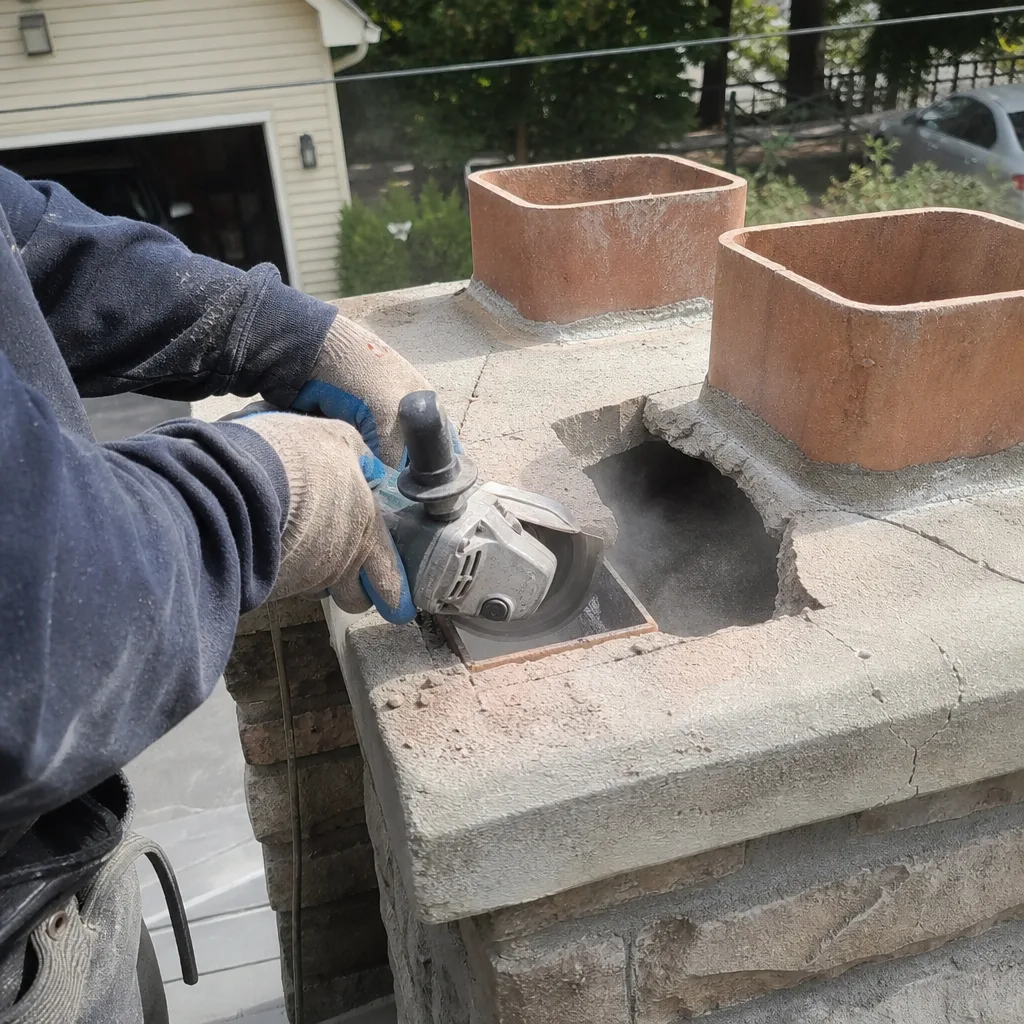
The question most DIY guides never answer: what happens to a claim when the homeowner performed their own cleaning with no professional record for the prior season? The answer, from what we’ve seen in White Plains and the broader Westchester market, is that it depends on the insurance policy and the specific claim, but the homeowner’s position is materially weaker without a record.
Most homeowners insurance policies in New York contain language requiring the homeowner to “maintain” the property, and chimney maintenance falls under that umbrella. When a chimney fire occurs, the adjuster’s investigation typically asks for the maintenance record. If the answer is “I clean it myself,” the conversation shifts to proof: Do you know the creosote classification? Did you inspect the liner? What was the condition at the last cleaning? A homeowner who cannot answer these questions with documentation is negotiating from a weaker position.
In a chimney-related fire claim, the absence of a professional record creates three practical problems:
- Causation becomes contested. The insurer can argue that the fire would not have occurred with professional maintenance, and the homeowner has no written record to refute the argument.
- The claim can be reduced or denied. Some policies contain exclusions for losses stemming from improper maintenance, and the insurer’s definition of improper may be broader than the homeowner’s.
- The home’s future insurability is affected. After a chimney fire, insurers will ask what remediation was done and who documented it. Without a professional record, the remediation itself becomes harder to evidence.
There’s a related problem on the real estate side. The standard home inspection process in a White Plains sale includes a visual chimney check, and more and more inspectors in Westchester are advising buyers to request chimney documentation when the property has a wood-burning fireplace. Sellers who cleaned their own flue have no document to produce. It’s an avoidable closing snag.
The documentation value is not a marketing argument. It’s a transactional reality. The people downstream of a chimney fire, the insurer, the buyer’s inspector, the mortgage underwriter, all speak the same language: dated, written, photo-supported records. A homeowner’s verbal assurance does not translate.
What a Professional Camera Inspection Actually Shows
When we run a Level 2 camera inspection in a White Plains home, the homeowner sees what we see, live, on a monitor. That’s the point. Clause 4 of the Haven Standard, which we wrote into our operating practice in 2009 when we made camera documentation the default, requires a photo record on every job. Not as an add-on. Not for an extra charge. On every job.
What the camera typically shows in a White Plains chimney, and what each item means in plain terms:
- Flue liner material and condition: Most older White Plains homes have terra cotta liners; newer construction and relined chimneys often use stainless, such as the systems from Olympia Chimney. The camera shows crack patterns, missing mortar between tiles, and gaps at the tile joints. A missing mortar joint is a direct path for heat and gas to reach the chimney wall.
- Smoke chamber condition: The smoke chamber is the upside-down funnel between the firebox and the flue. In many older homes, it was parged with rough brick and never properly rebuilt. The camera shows whether the chamber walls are smooth and continuous or whether creosote is accumulating in brick pockets, which is a fire risk.
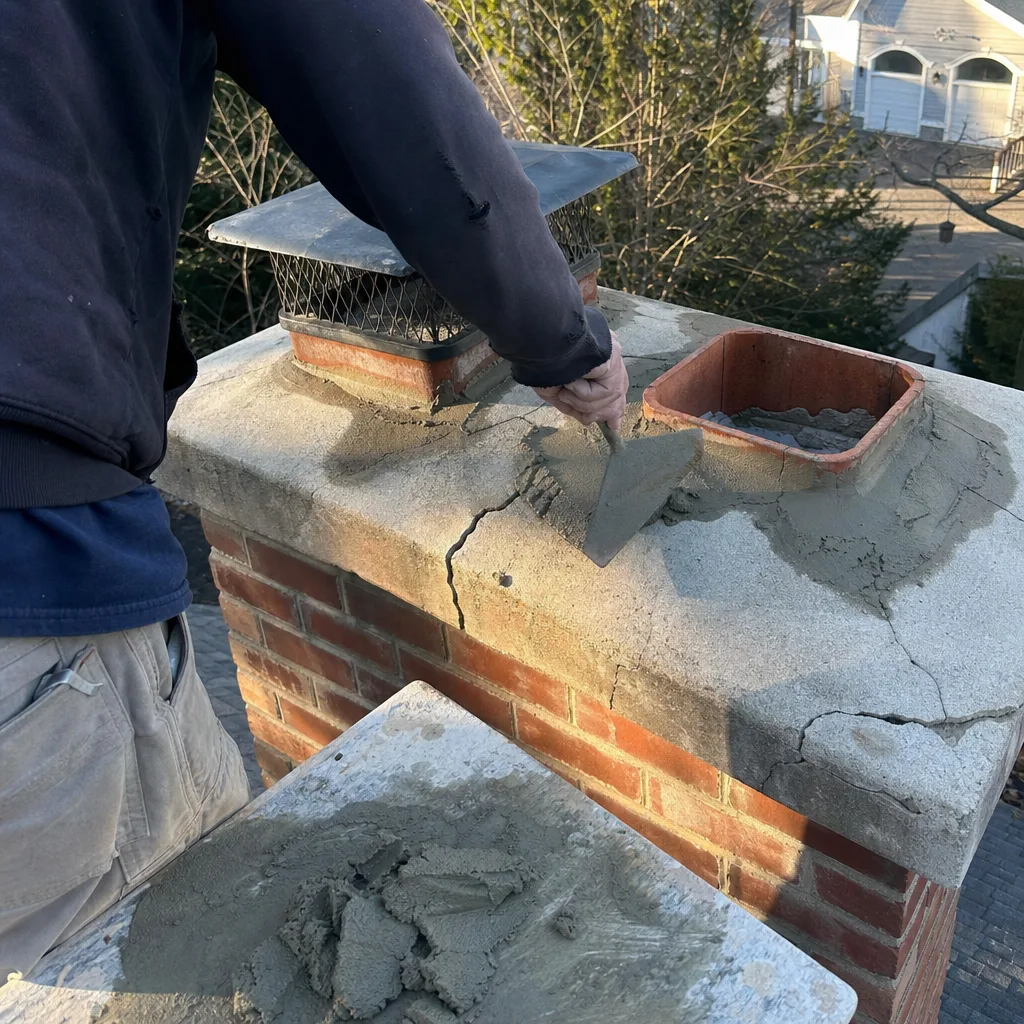
- Crown and cap condition: The crown is the concrete or masonry cap on top of the chimney. Cracks allow water into the chimney structure. The cap, if present, keeps rain, animals, and debris out of the flue. A missing or damaged cap is the most common invitation for a raccoon or squirrel to take up residence in a White Plains chimney.
- Creosote classification and thickness: The camera makes accumulation visible, and the classification, Stage 1, 2, or 3, determines the urgency and the method. A homeowner can scrape a section and make an informed guess, but the camera makes the whole length visible in one pass.
- Flue clearance to combustibles: The camera inspection allows us to assess whether the flue has the required clearance to framing, particularly in older brick chimneys. This is the kind of finding that turns a simple cleaning into a repair conversation, and it cannot be done from a ladder or a firebox.
None of this has anything to do with the brush. The brush removes creosote. The camera establishes condition. We do both on every job, and the homeowner walks away with the written price up front, the photo record afterward, and a dated performance warranty under the 365-Day Done Right Promise. If something is not done right, we make it right. That’s the promise, and it’s been the promise on every one of the 38,000-plus chimneys we’ve inspected and cleaned since 2009.
If you want to see what the camera sees on your own chimney, read more about our Chimney Cleaning & Sweep in White Plains process, where we break down every step of the visit from ladder to photo report.
Common Mistakes to Avoid
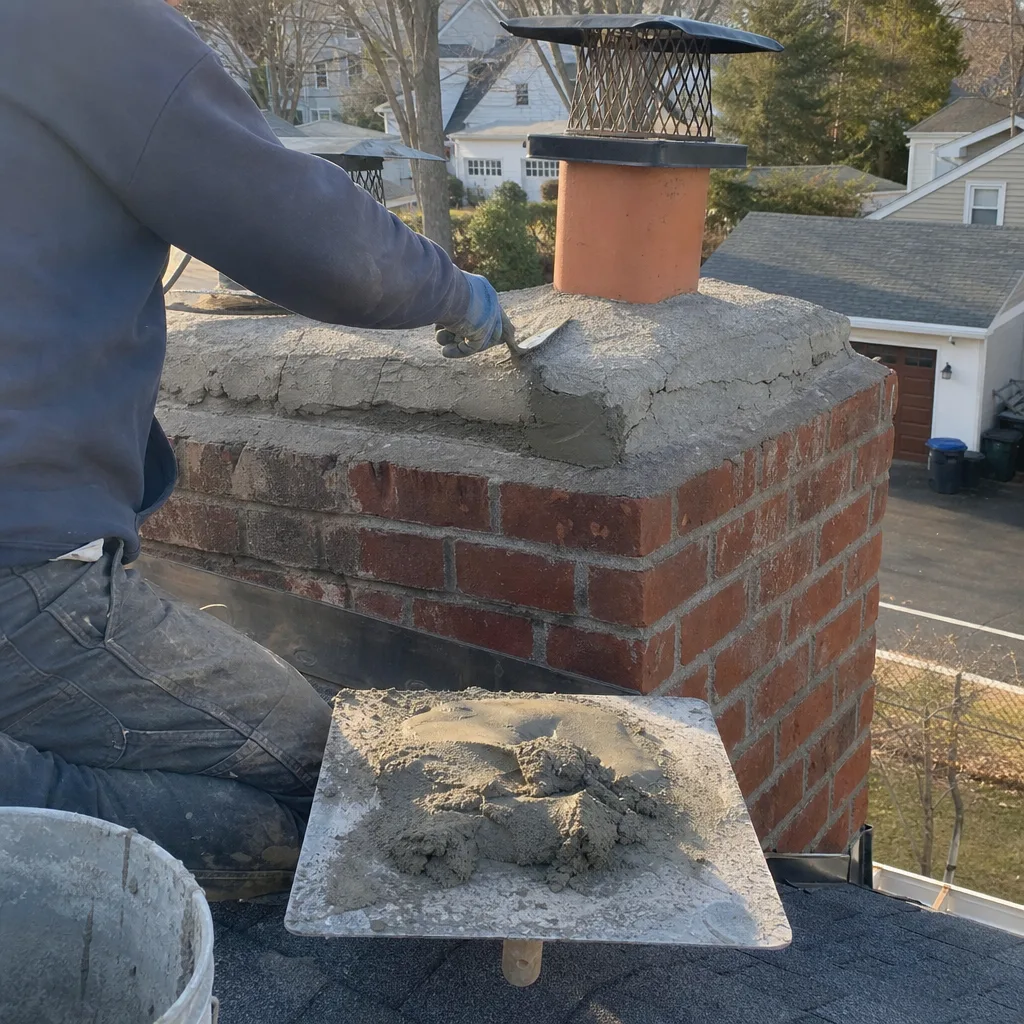
- Assuming the brush is the product. The brush is the labor. The inspection record is the product. A homeowner who cleans their own flue has done the labor part and skipped the product part. In White Plains real estate and insurance contexts, the product is what carries the value.
- Buying a brush without knowing the flue size. A brush that is too small will not make proper contact with the flue walls. A brush that is too large will bind. Most White Plains chimneys have 8×8, 8×12, or 12×12 terra cotta flues, but converted systems and relined chimneys vary. Measure the flue dimensions at the top before buying equipment.
- Cleaning from below without sealing the firebox. Bottom-up cleaning through an open damper spreads creosote dust through the living space. Homeowners routinely underestimate how fine and how pervasive creosote dust is. Proper poly sheeting and a shop vacuum with a HEPA filter are the minimum.
- Dismissing Stage 2 creosote as “just soot.” Stage 2 creosote is granular and hard. It looks like coarse black sand stuck to the flue wall. A brush will remove some of it, but not all, and the remaining material still represents a fire load. If you scrape a spot and it does not come clean with light pressure, it’s past DIY territory.
- Climbing onto a White Plains roof in winter without fall protection. Snow and ice on a roof in January is a genuine fall hazard. The leading cause of chimney-work injuries among homeowners nationally is falls from roofs and ladders, not chimney fires. This is a safety judgment that matters more than any of the creosote questions.
- Treating a chimney sweep as a “check-up.” The sweep is not a wellness visit. It’s a functional test of a fire-containment system. Treating it as an optional check means the home is running an unverified exhaust system for combustion gases. That’s not a small thing to skip.
When to Call a Professional
Call a professional if any of these are true: the flue offsets, the home predates 1970 and the liner has not been inspected, the chimney has burned oil historically, you see glaze or brick fragments, you do not know the last professional inspection date, or you need a record for an insurance, refinancing, or sale conversation. If you’re unsure where to start, read How to Hire a Chimney Cleaning Contractor in White Plains: A Step-by-Step Guide. Level Two Chimney White Plains offers free estimates in White Plains and will give you a written price, a written scope, and a written warranty before any work starts. Call (914) 350-5204.
Frequently Asked Questions
Professional chimney sweeping in White Plains typically cost between $180 and $340 for a standard cleaning and Level 2 camera inspection on a straight flue, with the price varying based on flue height, access, and creosote classification. Stage 3 glazed creosote removal runs higher because it requires chemical treatment or rotary equipment. Every job at our company is quoted in writing, with a written scope and a written warranty, before any work starts. Call (914) 350-5204 for an exact quote, estimates are free.
The frequency depends on use: a chimney burning three to four cords of wood per season should be swept every year, while a fireplace used 20 to 30 times per season may be safe every other year, under the NFPA 211 “as needed” standard. The annual cadence matters because creosote builds invisibly and the system’s condition can change in a single season. A documented annual or biennial record is also the habit that keeps the insurance conversation simple.
Yes, if the flue is straight, the cleanout is accessible, the creosote is Stage 1, and a professional camera inspection has established the chimney’s baseline condition within the last two years. The brush will remove light creosote. What it won’t do is inspect the liner, smoke chamber, or crown, and it won’t produce a dated condition record that an insurer or a buyer will accept. Cleaning and inspection are separate tasks, and the second one is what carries the liability weight.
Skipping a year does not automatically create a hazard, but it means creosote accumulates, and creosote is the fuel that chimney fires burn. Stage 1 becomes Stage 2 becomes Stage 3, and by Stage 3 the flue carries a fire load that a brush cannot remove. The other cost of skipping is a gap in the documentation record. A one-year gap is minor. A three-year gap on a regularly used fireplace is the kind of thing an adjuster notices.
You only need a new liner if the camera evidence shows the current liner is compromised: cracked terra cotta tiles, missing mortar joints, or flue wall penetration. The way to avoid an upsell is to see the evidence yourself. A legitimate chimney company will show you the camera footage, live or as recorded stills, and explain in plain terms what the images show. If a quoted repair cannot be supported with a photo, do not proceed. Our position at Level Two is simple: nothing is recommended without camera evidence you can see.
Chimney cleaning in White Plains runs slightly above the national average due to the age of the housing stock, the prevalence of offset flues, and Westchester County’s prevailing labor and insurance costs for licensed trade work. The $180 to $340 range for a standard cleaning and camera inspection includes documentation above what a basic national average includes. When you compare quotes in White Plains, compare the documentation package, not just the brush work. For more guides & resources on chimney maintenance and home safety, visit our blog.
The Bottom Line
The DIY versus professional chimney cleaning question is not really about cleaning skill. A homeowner can run a brush through a straight flue and remove light creosote. What they cannot do is verify the liner’s condition at the 9-foot mark, classify creosote through the full flue length, or produce a dated, photo-documented record that a White Plains insurer will recognize after a claim or a buyer will accept at closing. The documentation is the product. The cleaning is the labor. Taken over five years, the cost difference between full DIY and annual professional service in White Plains is roughly $700 to $1,100, which is less than the deductible on a typical chimney fire claim. If you want a written price, a written scope, and a camera-documented record on your own fireplace, read more about our Chimney Repair in White Plains, check our Fireplace Services in White Plains for the full range of what we do, or start with the Level Two Chimney White Plains home page. We’re at (914) 350-5204, and we’ll give you the price in writing before anyone starts.
Written by Corrine Halstead, Owner at Level Two Chimney White Plains, serving White Plains since 2009.