
Last updated September 20, 2026
Level 1 sweep and inspection to the NFPA 211 annual standard - flue, crown, cap, and flashing checked and photographed
Chimney sweep logs do not sweep chimneys. They loosen some creosote - which then falls where a brush and vacuum still have to collect it.
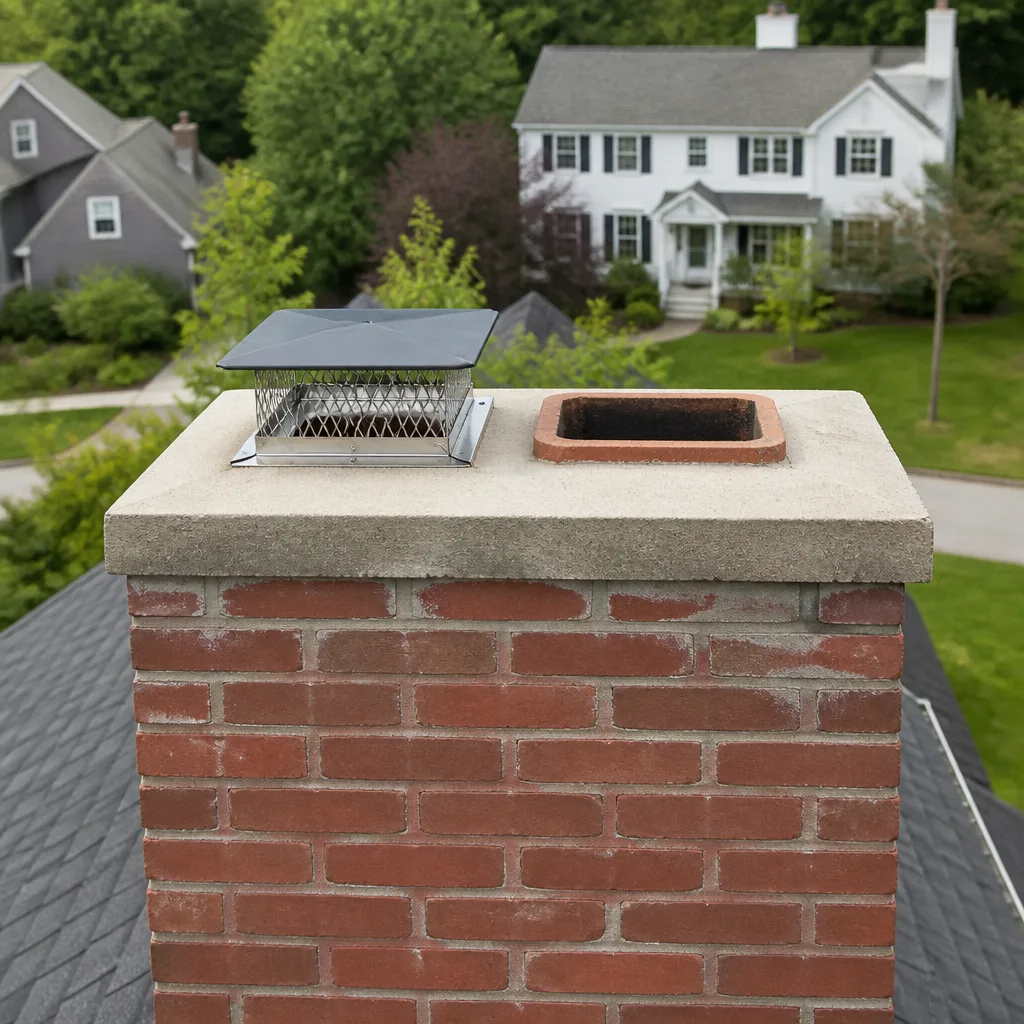
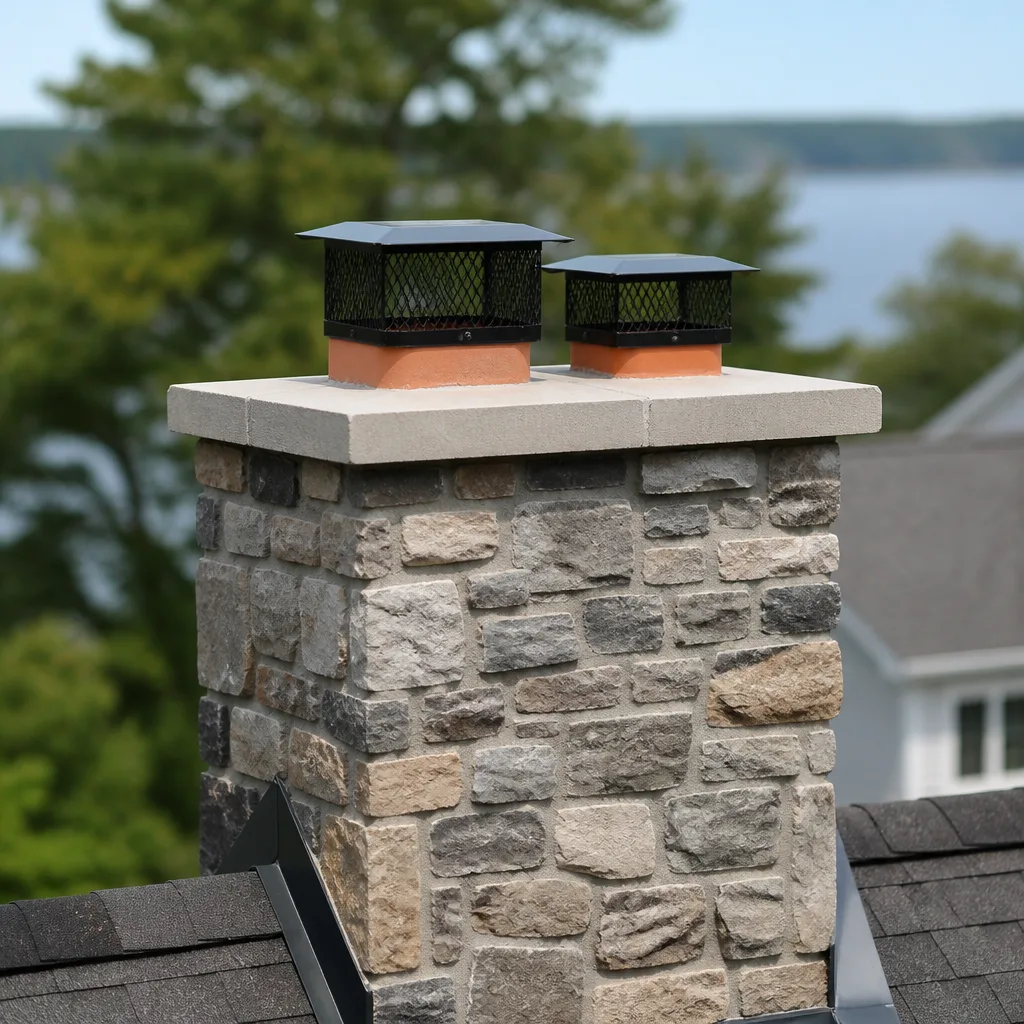
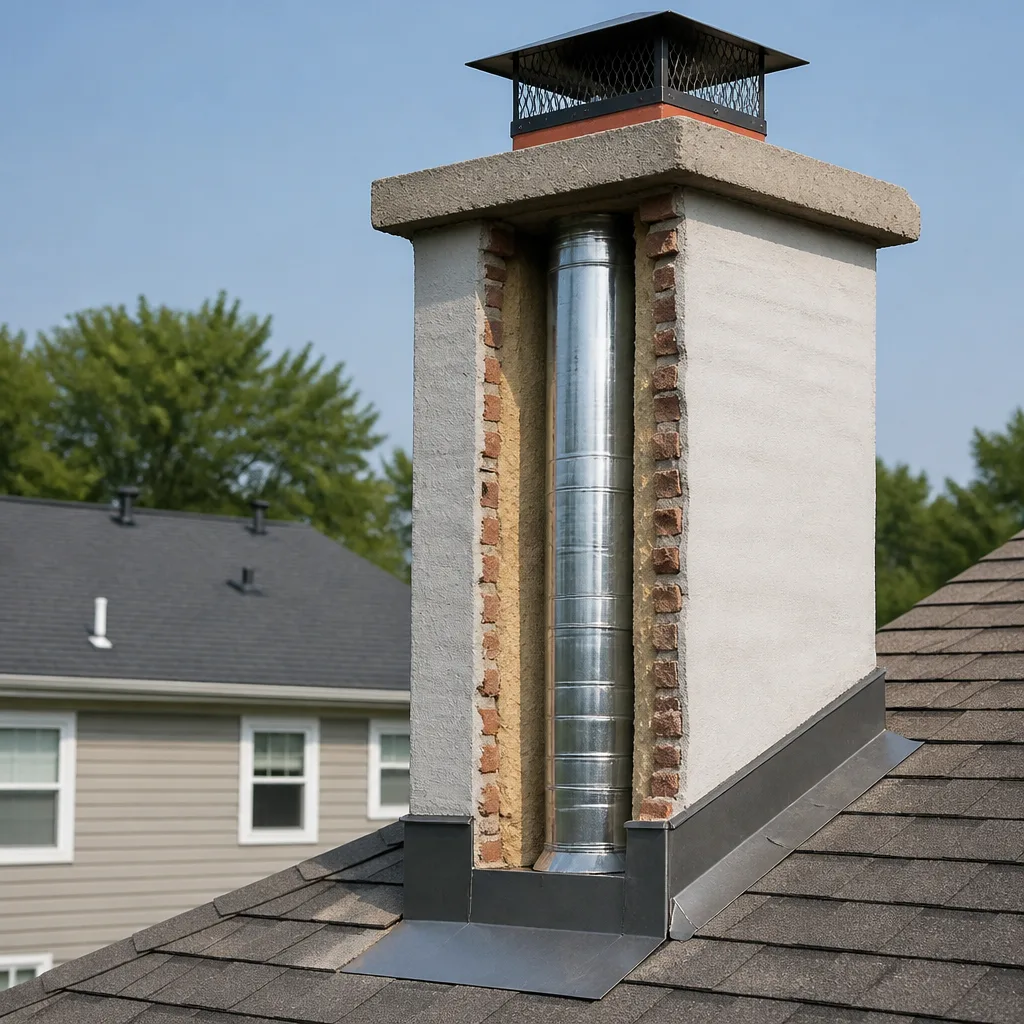
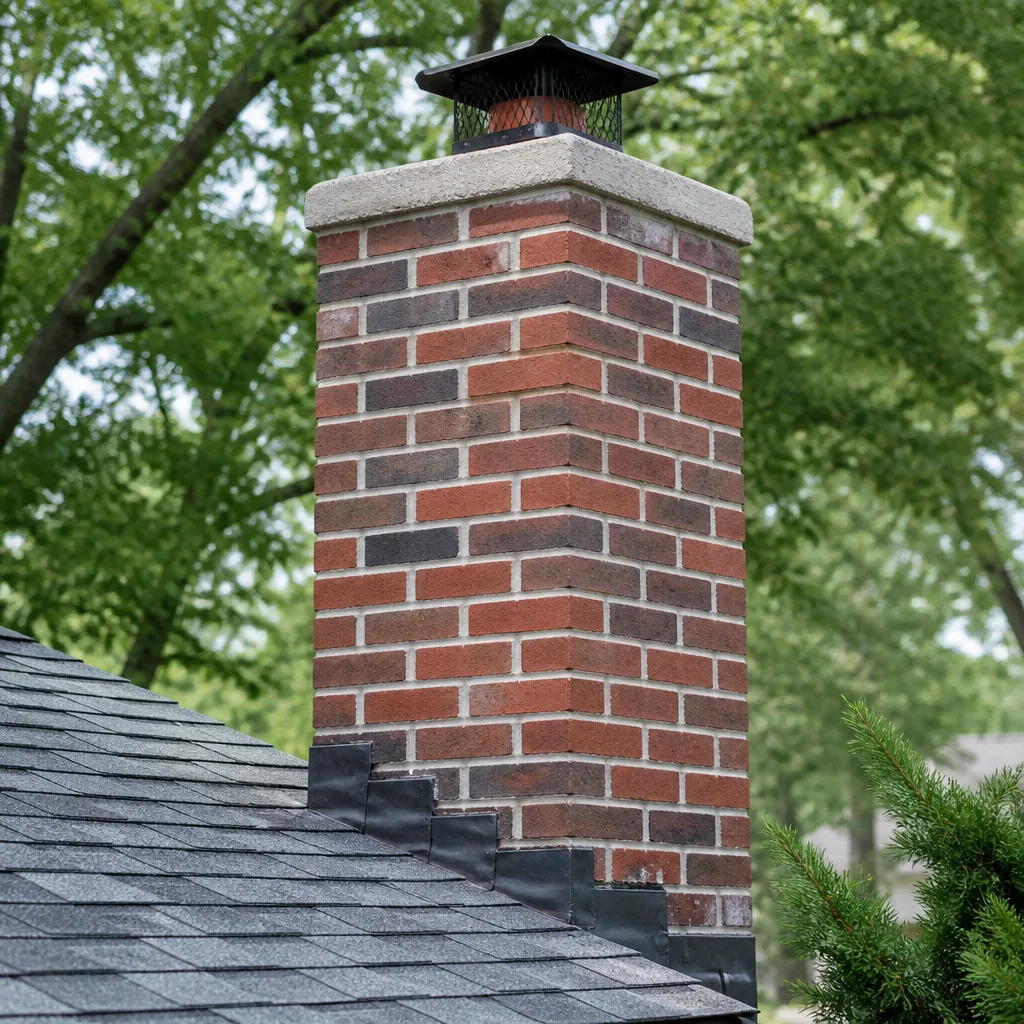
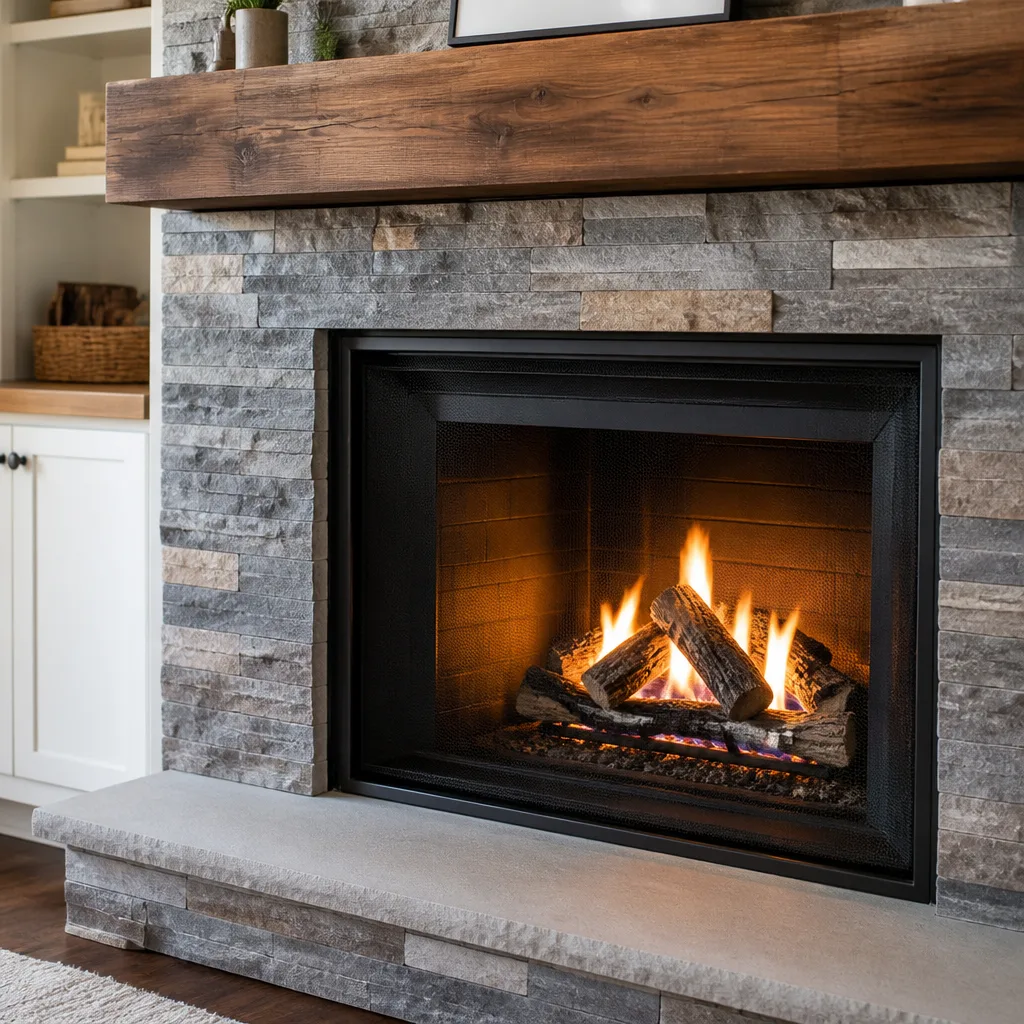
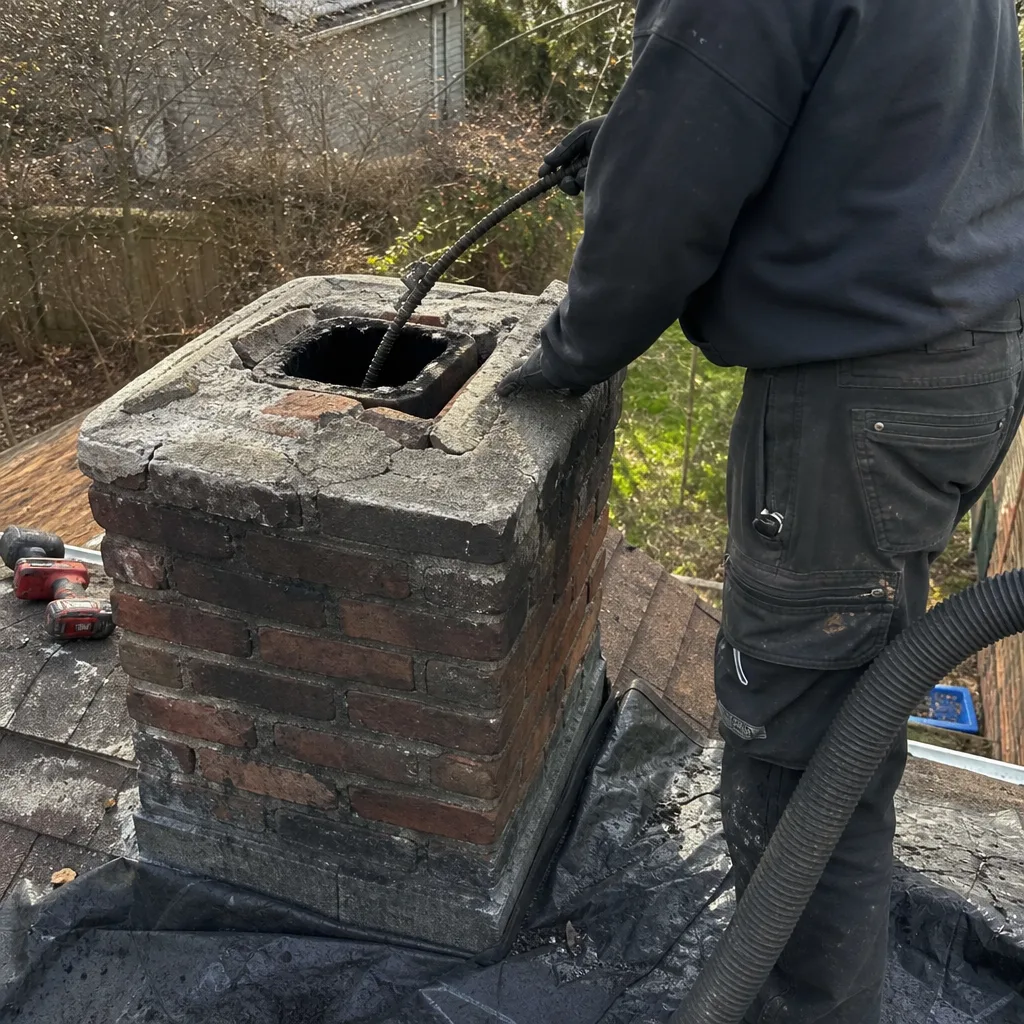 Before
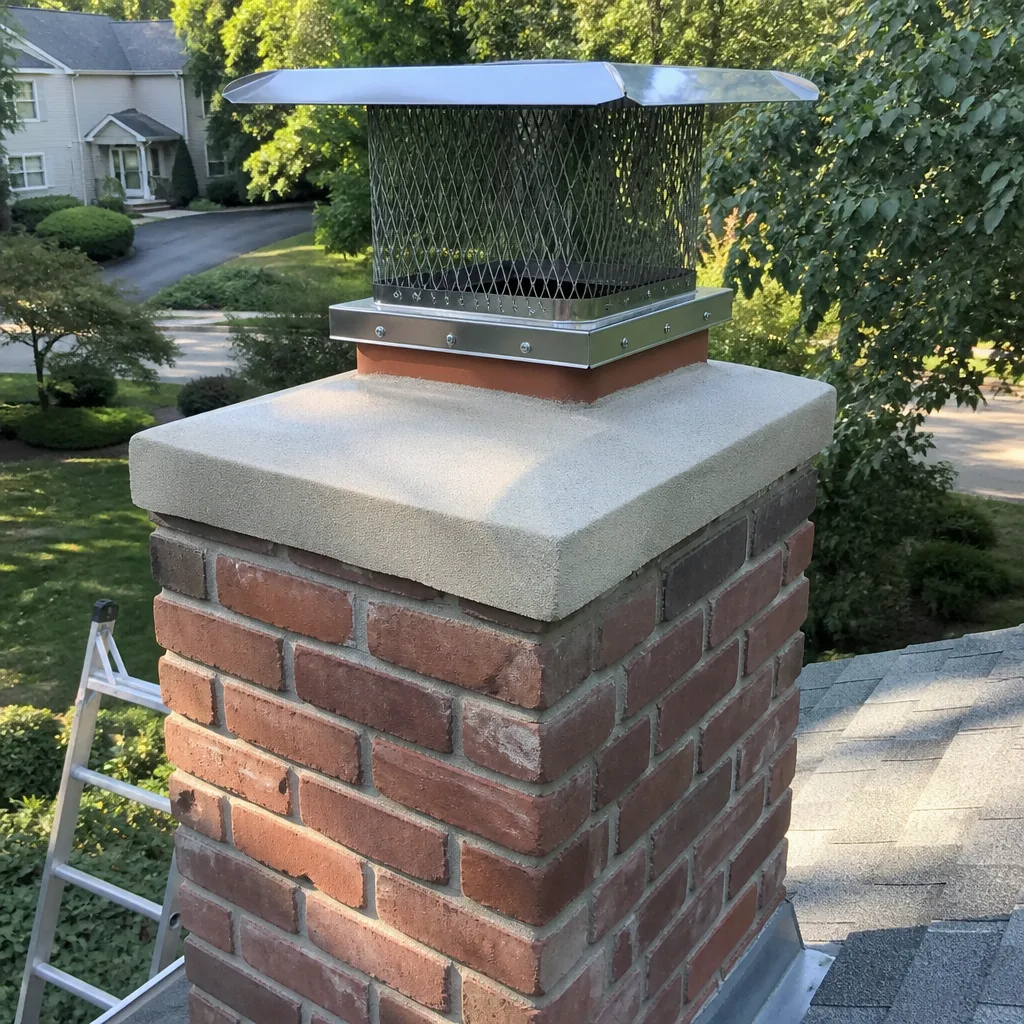 After
After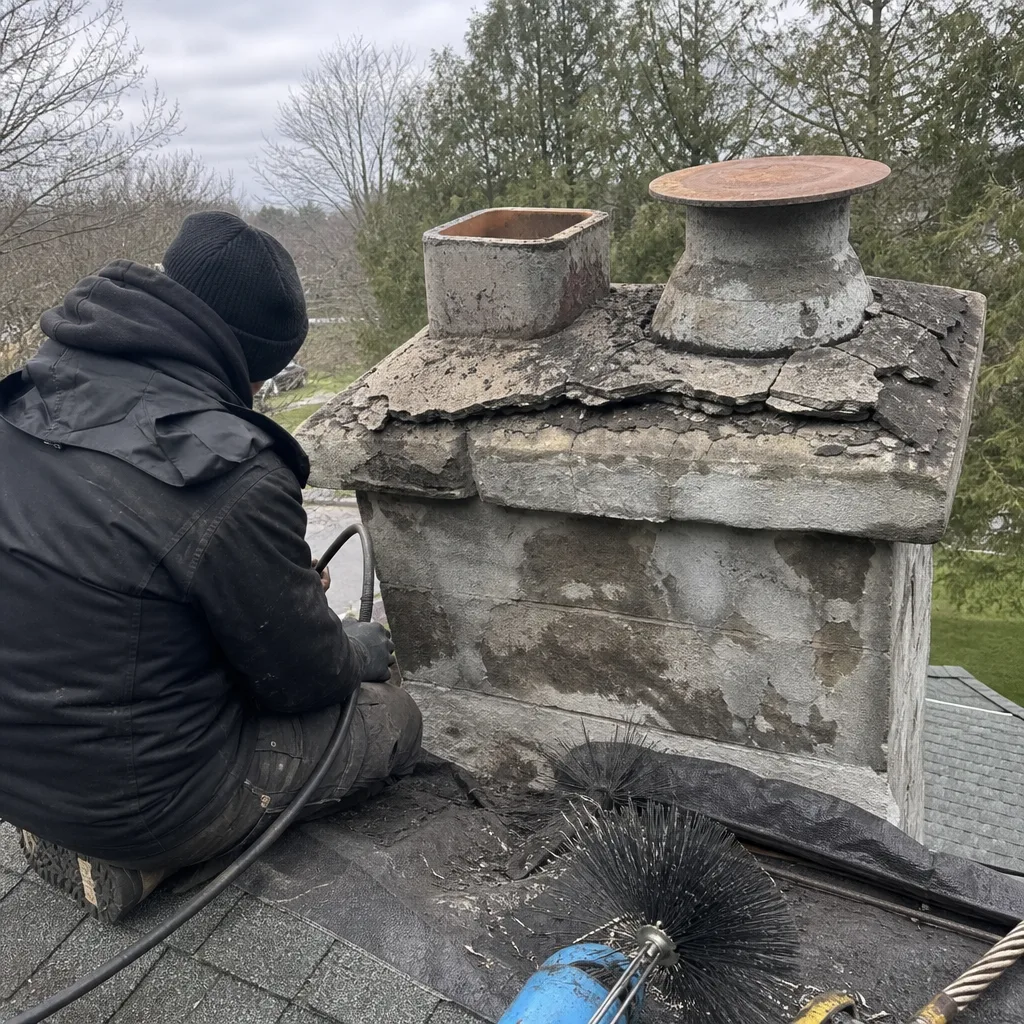 Before
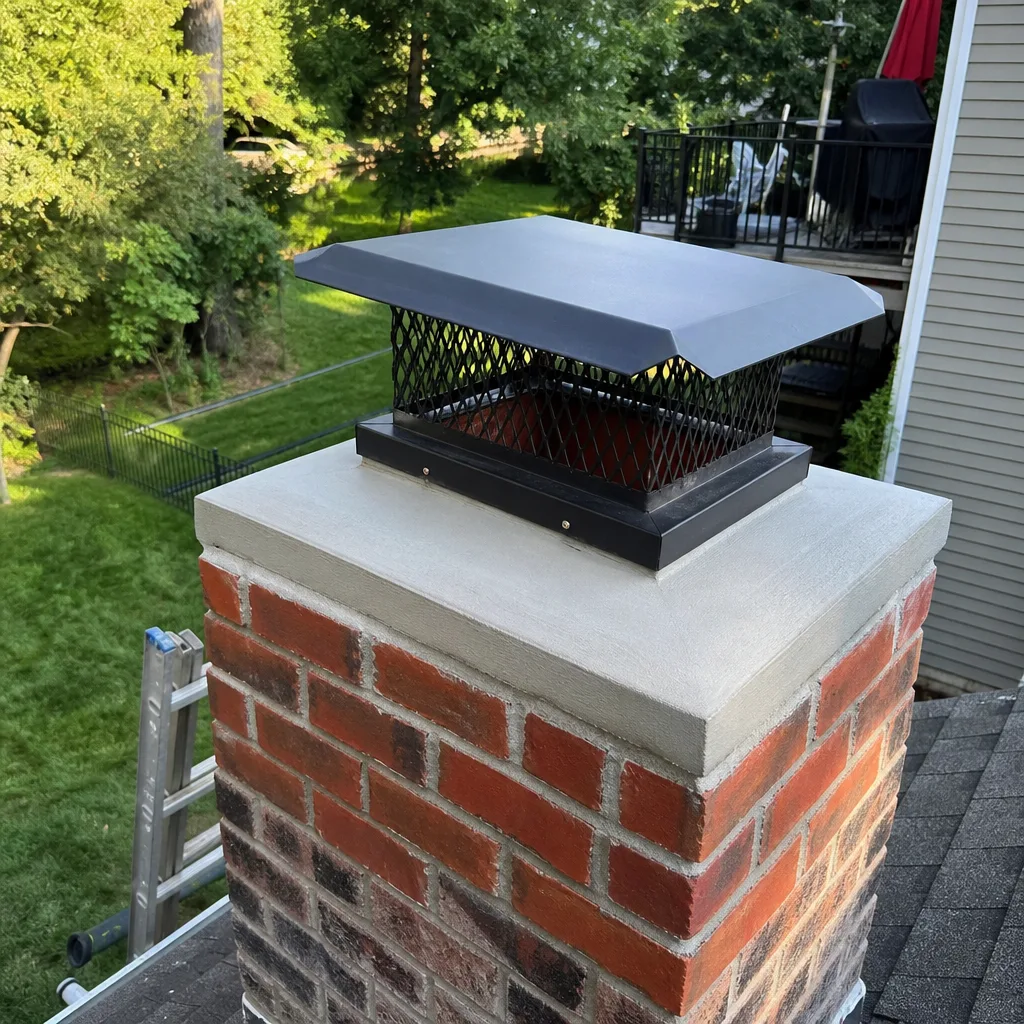 After
After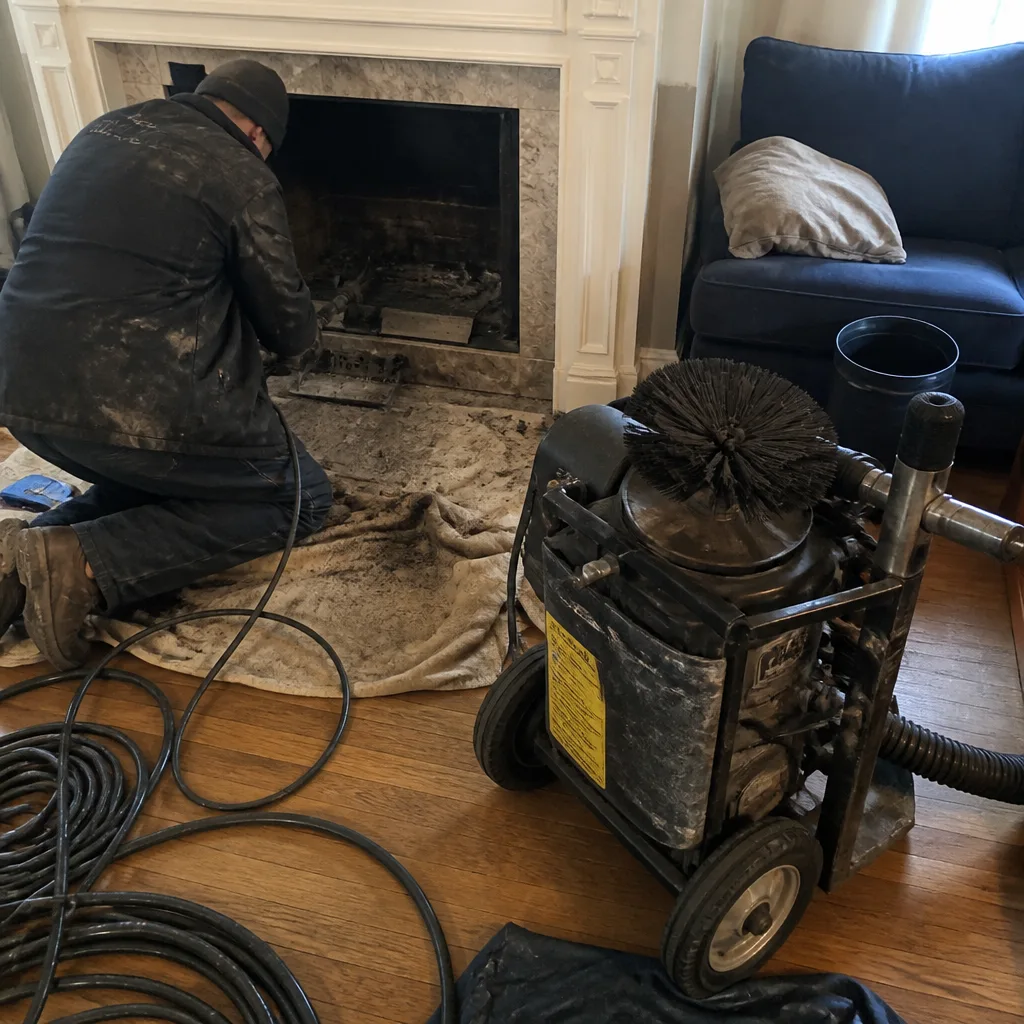 Before
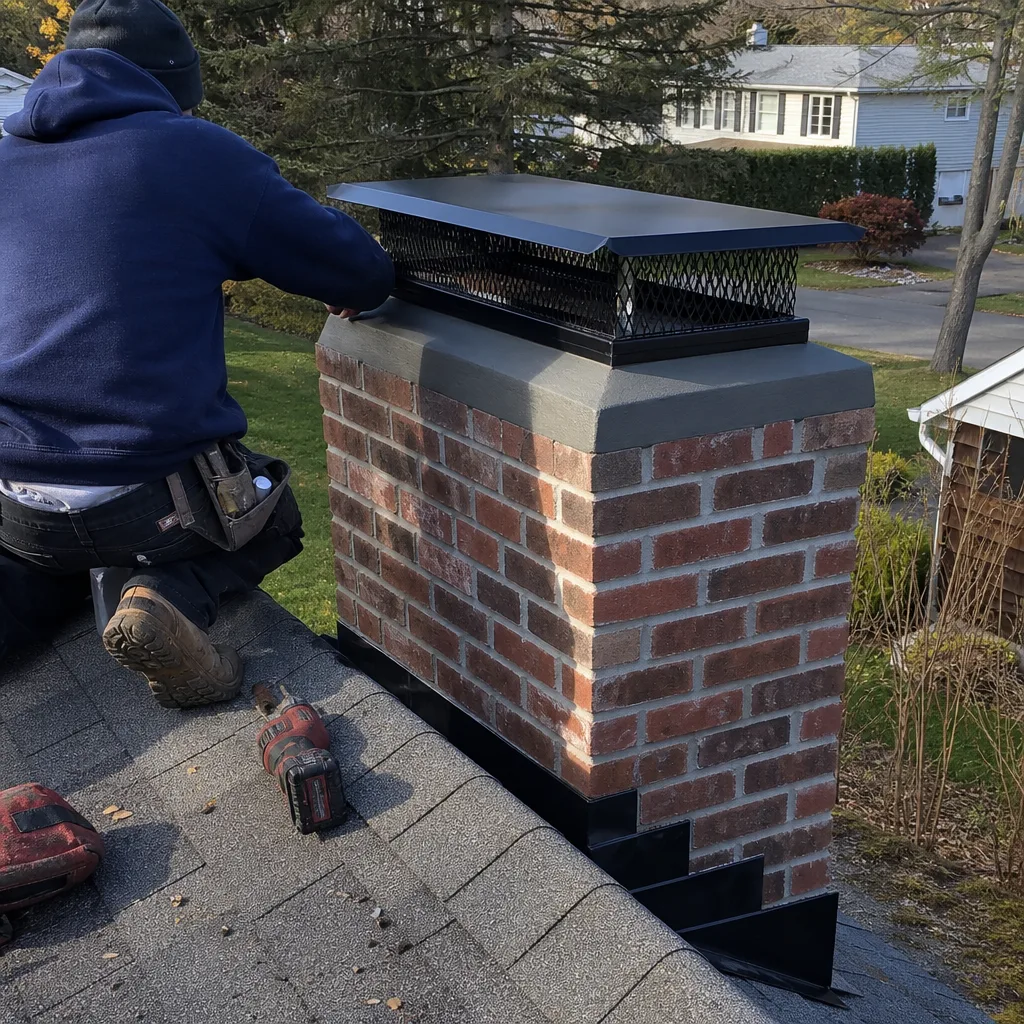 After
AfterHow to Hire a Chimney Cleaning Contractor in White Plains: A Step-by-Step Guide
Here’s a fact most White Plains homeowners don’t know until it’s too late: CSIA certification, the credential every chimney sweep advertises, tells you someone passed a written exam. It does not tell you they carry a camera, provide written documentation, or stand behind their work. A sweep can be fully certified and still climb off your roof with nothing more than a verbal “looks good” and a bill. This guide-along with our more guides & resources-walks you through the three questions that separate thorough contractors from flashlight operators before anyone sets foot on your roof in White Plains.
Quick Answer
To hire a chimney cleaning contractor in White Plains, ask three questions before booking: “Do you use a camera?”, “Do I get written findings?”, and “Is the price in writing before work starts?” A contractor who answers yes to all three, carries liability insurance, and has a physical Westchester County presence is a legitimate candidate. Expect to pay $180 to $340 for a standard chimney sweep and camera inspection in White Plains.
Table of Contents
- Why CSIA Certification Isn’t Enough on Its Own
- The Three Questions That Reveal Everything
- How to Verify Licensing and Insurance in Westchester County
- Red Flags in Chimney Contractor Ads and Websites
- What a Legitimate Written Estimate Should Contain
- How to Compare Bids When One Contractor Charges More
- What White Plains Homeowners Specifically Need to Know
- Common Mistakes to Avoid
- When to Call a Professional
- Frequently Asked Questions
- The Bottom Line
BeforeAfterWhy CSIA Certification Isn’t Enough on Its Own
CSIA certification is a baseline competency credential, not a documentation standard. The exam covers codes, clearances, and combustion theory. It does not require a contractor to own a chimney camera, produce written findings, or offer a warranty. In White Plains, where homes range from 1920s colonials off Mamaroneck Avenue to newer construction near the Westchester Mall, chimney conditions vary wildly. A certification alone won’t tell you whether the sweep can distinguish a minor spalling issue on a brick crown from an active water intrusion problem that’s slowly destroying the flue liner.
What certification does tell you is that the person took the time to study the trade. That’s worth something. But it’s a starting point, not the finish line. The contractors we’ve followed behind in White Plains often passed the same exam but left homeowners with no record of what they found. That’s a problem when you’re trying to sell a house in the Highlands or file an insurance claim after a chimney fire. Documentation is what matters, and it’s not part of the CSIA curriculum.
Westchester County doesn’t require a separate chimney-specific license beyond general home improvement contractor registration, though Chimney Cleaning Permits, Codes & Inspections in NY: What You Need to Know explains what regulations do apply. That puts more weight on what the contractor voluntarily chooses to document. When you’re comparing contractors, treat certification as the floor. The camera, the written report, and the written price are what actually matter.
The Three Questions That Reveal Everything
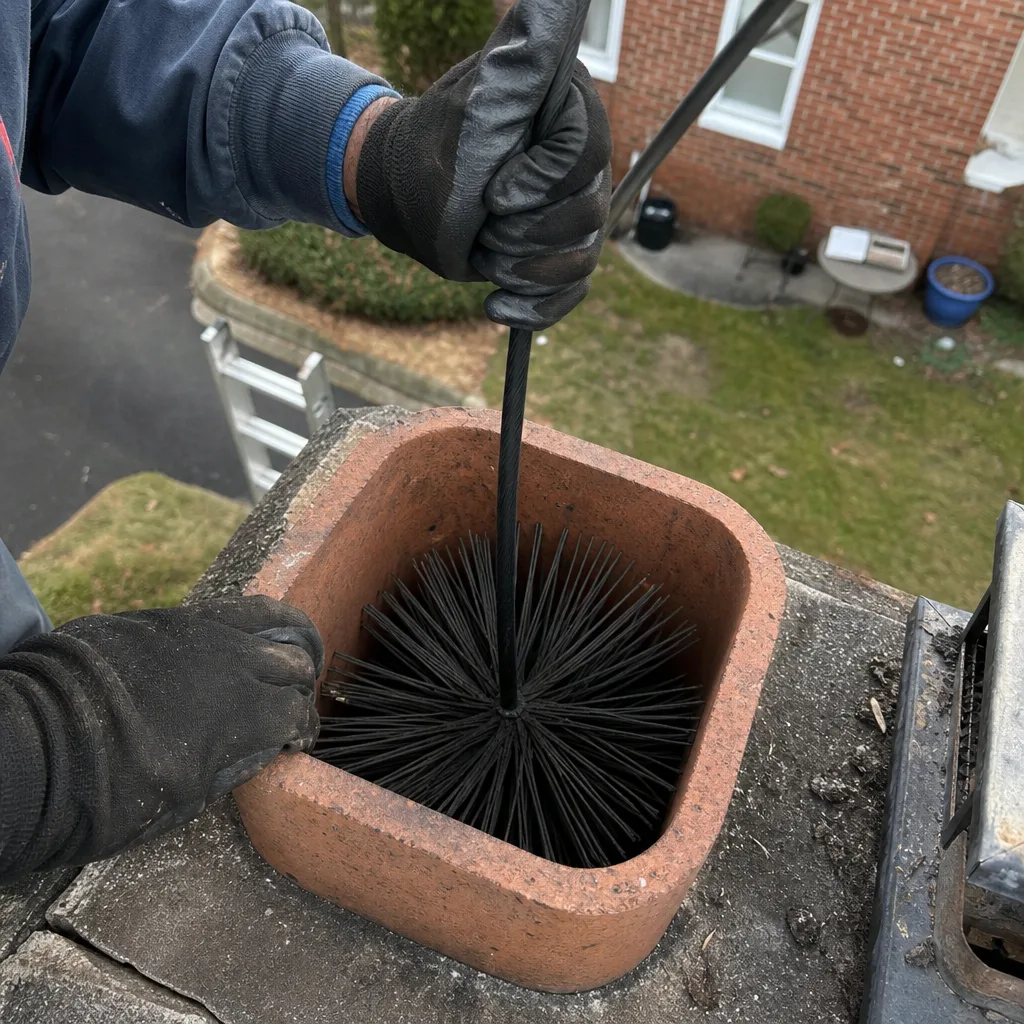
Before you book a chimney cleaning in White Plains, call the contractor and ask these three questions. Listen carefully to the answers. Evasive responses tell you everything you need to know.
Question 1: “Do you use a camera to inspect the flue?”
A thorough chimney inspection requires seeing the full length of the flue liner, from the firebox up through the crown. The only way to do that properly is with a chimney camera that records what it sees. If a contractor says they don’t use a camera, or that a flashlight from the roof is sufficient, that’s your cue to end the call. A flashlight shows the first few feet of the flue. It cannot reveal a cracked clay tile mid-flue, a deteriorating mortar joint, or a hidden bird’s nest. Clause 4 of the Haven Standard requires a photo record on every job because we stopped trusting memory years ago. In our experience, the camera is not an add-on. It’s the job.
Question 2: “Do I get written findings after the inspection?”
If the answer is anything other than an immediate yes, move on. Verbal findings vanish. Written findings create a baseline. They document what the flue looked like on a specific date, which matters when you’re selling your home or filing an insurance claim. A proper written report includes photos from the camera scan, a description of creosote levels by class (more on that below), notes on liner condition, and any recommended repairs with plain-language explanations. Some White Plains contractors treat written reports as a premium service. Level Two Chimney White Plains has included a documented photo record on every visit since 2009 because we saw what happened to homeowners who got nothing but verbal assurances.
Question 3: “Is the price in writing before work starts?”
This is the question that filters out the most contractors. Clause 1 of the Haven Standard requires a written price, written scope, and written warranty delivered before anyone starts. Not after the tech is already in your living room. Not a verbal ballpark that mysteriously doubles once the job is underway. If a contractor won’t commit a price to paper before arriving, they’re leaving room to revise upward. In White Plains, a standard sweep and inspection should be quoted as a flat rate, not an hourly estimate. The written price protects you. It also tells you whether the contractor is confident enough in their work to stand behind a number.
How to Verify Licensing and Insurance in Westchester County
Most homeowners who research how to hire a chimney sweep in White Plains forget to check the two documents that actually protect them: the Westchester County home improvement contractor registration and a current certificate of liability insurance. Here’s the step-by-step process.
- Confirm Westchester County registration. Ask for the contractor’s Westchester County Home Improvement License number. Verify it directly with the county’s Department of Consumer Protection. A legitimate contractor gives you that number without hesitation, and license information is displayed on every page of a reputable contractor’s website.
- Request a certificate of liability insurance. This document should name your address or at minimum show that the coverage is active. Look for a minimum of $500,000 in general liability coverage, though most reputable chimney contractors carry $1 million or more.
- Confirm workers’ compensation coverage. If a technician falls off your roof in White Plains and the contractor lacks workers’ comp, the claim could land on your homeowners insurance. Ask for proof. This is non-negotiable.
- Check for a physical address. A contractor with no physical Westchester County address is not a local contractor. They’re dispatching from somewhere else. Level Two Chimney White Plains operates locally, and every job is staffed by background-checked, uniformed technicians.
White Plains homes sit in a climate that alternates between wet winters and summer humidity that attacks masonry. That weather cycle creates spalling on older brick chimneys and accelerates crown damage. A contractor who’s been working in the area for years understands these patterns. One who just rolled in from an hour away might not recognize the early warning signs specific to Westchester homes.
Red Flags in Chimney Contractor Ads and Websites
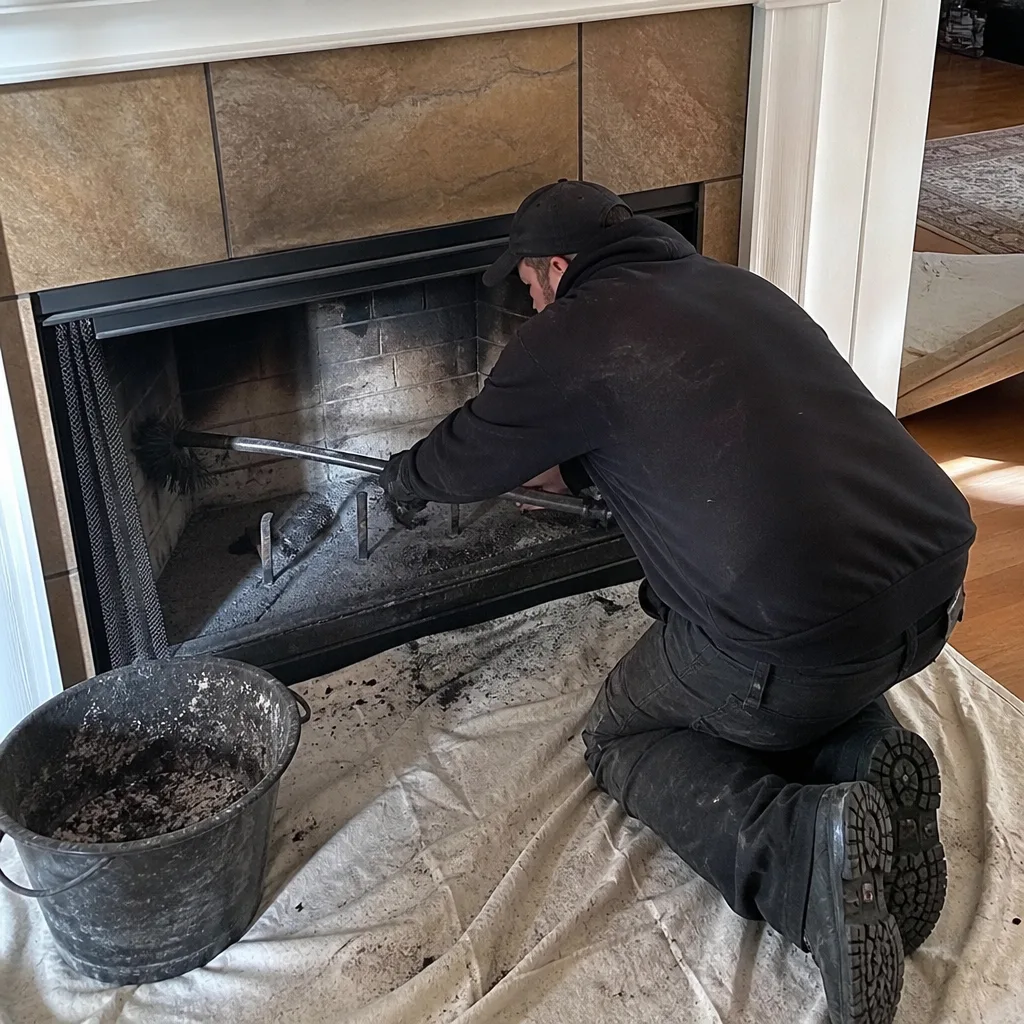
You can sort through a lot of contractors before making a phone call by reading their ads and websites with a critical eye. Here are the red flags we tell White Plains homeowners to watch for.
- Stock photos of equipment. If the website shows generic images of someone else’s van, someone else’s camera, or someone else’s crew, the contractor is selling an image rather than documenting their own work. Legitimate chimney contractors in White Plains show their actual trucks, their actual technicians, and their actual camera footage.
- No physical White Plains or Westchester address listed. A contractor who hides their address is often a lead-generation shell that subcontracts the work to whoever answers the phone. When the work goes wrong, you have no one to hold accountable.
- Quotes given over the phone without a site visit. A chimney quote that assumes your flue is standard fare is a quote that will change. Chimneys in White Plains range from original 1920s masonry to modern prefabricated units. A real price requires eyes on the chimney, either through photos or an on-site visit.
- Pressure language. “Limited availability,” “act now,” “this week only.” A reputable chimney sweep in White Plains keeps a schedule, not a pressure campaign. Urgency theatre is a sales tactic, not a service signal.
- Vague service descriptions. “Chimney service” without specifying what’s included. Does the price cover the camera scan? The written report? The cap inspection? If the language is vague, the price is vague, and the scope is vague.
What a Legitimate Written Estimate Should Contain
A written estimate is not a number on a business card. It’s a contract-level document that names exactly what will happen, what it will cost, and what you’ll receive when it’s done. In White Plains, every job Level Two Chimney White Plains quotes includes each of these components before work begins.
- Line-item scope. The estimate names each component of the job: sweeping the flue, camera inspection, cap check, crown assessment, damper inspection. Nothing lumped into a single “chimney clean” line.
- Materials specified by brand. If the job requires a new liner or crown, the estimate names the material. We source from DuraFlex, HeatShield, Gelco, and Olympia Chimney because those brands have proven track records. A contractor who won’t name materials can substitute cheaper alternatives later.
- Warranty duration in writing. The warranty should specify its term and what it covers. The 365-Day Done Right Promise at Level Two is stamped on every job under the Haven Standard. If a contractor’s warranty is verbal, it doesn’t exist.
- Exclusions named. What’s not covered? Hidden rot behind a wall? Damaged damper assembly? The estimate should state what the price does not include so you’re not surprised mid-project.
- Photo documentation included. The estimate should confirm that you’ll receive a documented photo record. This isn’t an upgrade. It’s the evidence you paid for.
A ballpark number delivered over the phone is worthless. It commits the contractor to nothing and gives you no recourse when the final invoice lands 50% higher. In White Plains, a written estimate is the only acceptable form of pricing.
How to Compare Bids When One Contractor Charges More
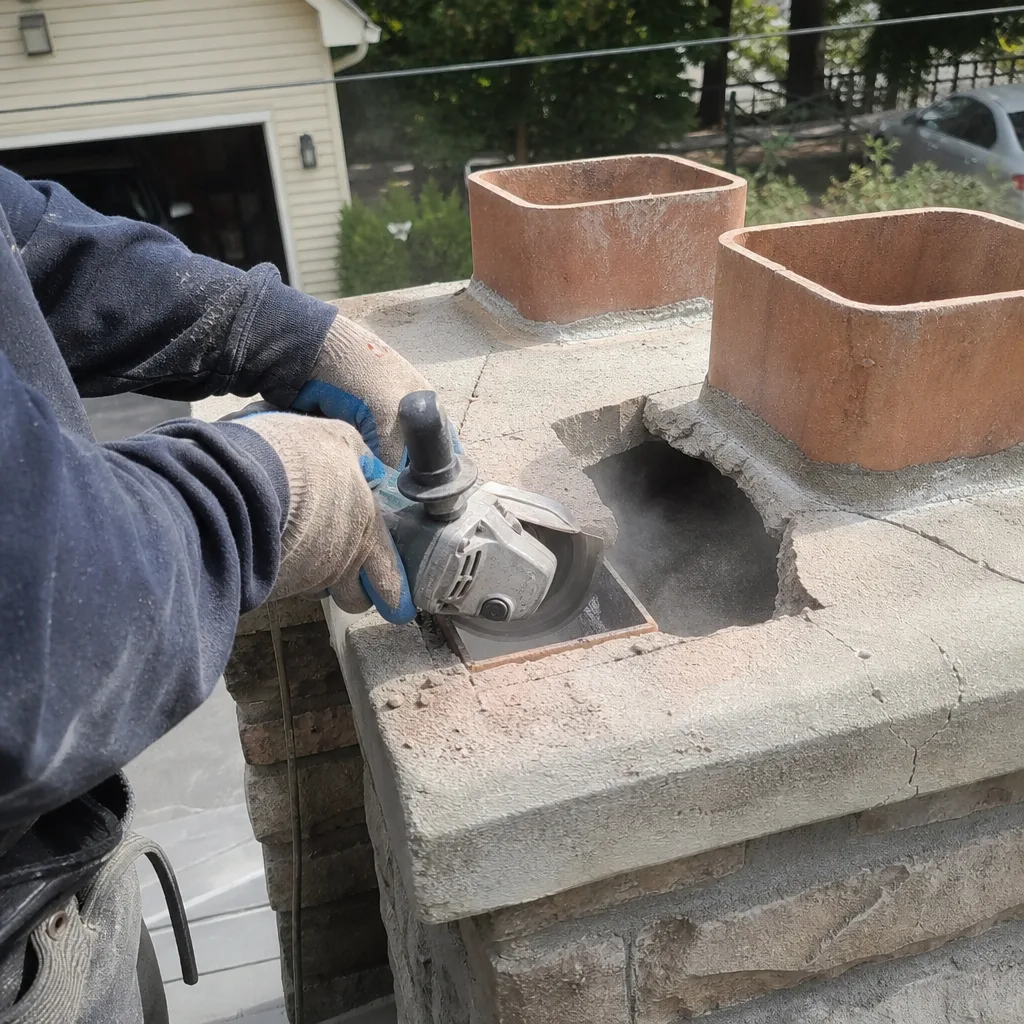
Here’s the situation most White Plains homeowners find themselves in: two contractors quote the same job. One wants $249. The other wants $389. The temptation is to take the cheaper one. But the two bids aren’t actually for the same job, and the difference comes down to three line items that carry real dollar value.
The camera report. A $249 sweep that includes a flashlight glance from the roof is not a $249 bargain. It’s a $249 coin flip. The $389 bid includes a camera scan and photo record. That documentation becomes valuable if you sell your home. A buyer’s inspector will ask about the chimney. Having a baseline report from a professional camera scan answers questions before they become negotiation points. That’s worth more than $140 at resale.
The written warranty. A contractor who documents their work in writing and backs it with a warranty is charging for accountability. The 365-Day Done Right Promise at Level Two means the job gets made right if it wasn’t done right. A cheaper contractor who offers no written warranty is charging less because they’re promising less.
The documented baseline. When you file an insurance claim for a chimney fire or water damage, your carrier asks for evidence. A documented baseline from a previous inspection shows when the condition was first identified and what was recommended. Without it, the claim becomes your word against the carrier’s assumptions. The contractor who charged more for documentation created a record that pays for itself.
Here’s a practical comparison. Level Two offers a Free Second Opinion on any written estimate. Bring us a competitor’s written quote and we’ll review it against our scope. That comparison isn’t about who’s cheaper. It’s about who’s actually quoting the same work.
What White Plains Homeowners Specifically Need to Know
White Plains chimneys face conditions that differ from other Westchester communities. The city sits on a slightly elevated plateau that catches more wind and weather than lower-lying areas along the Bronx River. That exposure accelerates crown cracking and brick spalling. If you live in the Highlands or near Saxon Woods, your chimney takes more weather than a comparable home in Hartsdale just down the hill.
Fuel source matters too. Homes in White Plains that still burn wood, particularly in older neighborhoods like Battle Hill or around Gedney Farms, accumulate creosote faster than gas fireplace households. Creosote classification matters: Class I is a light dusting, Class II is a flaky buildup that should be addressed promptly, and Class III is a hardened, tar-like glaze that creates a serious chimney fire risk. A proper camera inspection identifies the class and shows it to you in photos.
Homes built between 2015 and 2025 in White Plains, particularly newer townhome developments near downtown, often have prefabricated chimneys rather than masonry. Prefab units have shorter lifespans and specific maintenance requirements. A chimney sweep who primarily works on 1920s masonry may not have the depth of experience with prefab flue systems. When you hire, ask whether the contractor works with your chimney type.
The Chimney Cleaning & Sweep in White Plains page covers pricing and scope specifics for the city. For broader issues like spalling, cracked crowns, or liner damage, see Chimney Repair in White Plains and Fireplace Services in White Plains.
Common Mistakes to Avoid
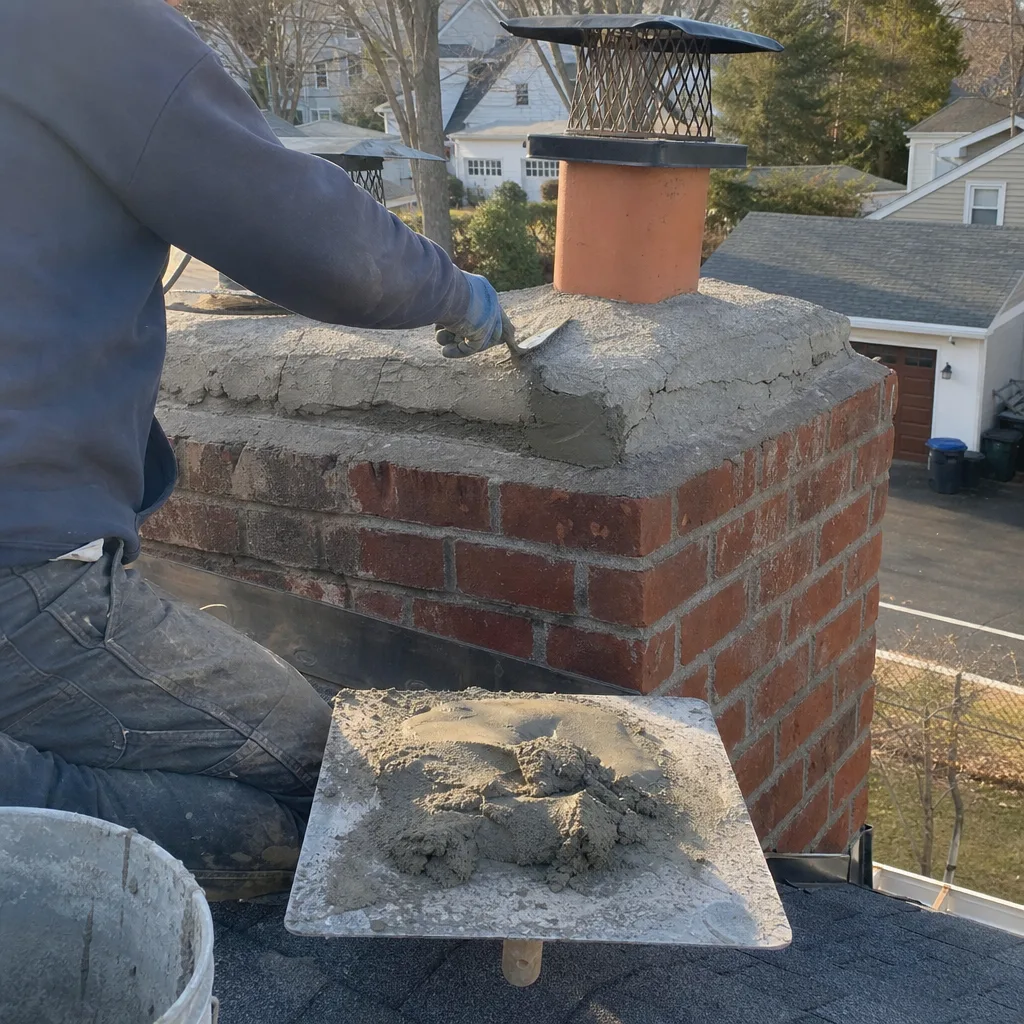
- Hiring based on price alone. The cheapest White Plains chimney sweep often turns out to be the most expensive after the “unexpected” repairs are discovered. A written scope protects you.
- Accepting verbal findings. If it wasn’t written down and photographed, it didn’t happen. Verbal reports evaporate the moment you hang up the phone.
- Skipping insurance verification. A contractor who can’t produce a current certificate of liability insurance exposes you to financial risk if something goes wrong on your White Plains property.
- Booking a masonry sweep for a prefab chimney. Not all chimneys are the same. Confirm the contractor has experience with your specific flue type before they arrive.
- Waiting until burning season starts. White Plains chimney contractors book up in September and October. Scheduling in the spring or summer gets you better availability and time to address findings before the first fire.
- Assuming CSIA certification means thorough documentation. Certification tests knowledge, not documentation practice. The three questions matter more than the credential.
When to Call a Professional
Call a chimney professional if you notice any of these in your White Plains home: a smell of smoke or soot even when the fireplace isn’t in use, visible creosote buildup that you can scrape off with a credit card, water staining on the ceiling near the chimney, crumbling brick or mortar visible from the ground, or if you haven’t had the flue inspected in more than two years. If your fireplace has never been camera-inspected since you bought your home, that’s the place to start. Level Two Chimney White Plains offers free estimates in White Plains. Call (914) 350-5204 to schedule a sweep and Level 2 camera inspection with a written report.
Frequently Asked Questions
A standard chimney sweep with camera inspection in White Plains typically costs $180 to $340, depending on chimney height, flue type, and creosote level. At Level Two, the price is always in writing before work starts, so there’s no surprise invoice. Call (914) 350-5204 for an exact quote based on your chimney’s specifics.
Not always. A damaged liner is sometimes a real safety issue, and sometimes a cosmetic concern. The only way to know is to see it yourself on camera. At Level Two, we show you the footage, explain what it means in plain terms, and tell you plainly when work can safely wait. No recommendation without evidence you can see.
The NFPA standard says chimneys burning wood should be inspected at least once a year, and swept whenever creosote builds to 1/8 inch or more. In White Plains, where we see a mix of wood and gas fireplaces, gas units can go longer between sweeps but still need periodic inspections. A camera inspection tells you where you stand.
Creosote builds up, and Class III creosote is a hardened fuel that can ignite. A chimney fire can crack the flue liner, send flames into the home’s structure, and leave behind damage that’s invisible without a camera. Carbon monoxide risk also increases if the flue is partially blocked. The inspection is cheaper than the aftermath.
We serve all of White Plains and surrounding Westchester County, including the Highlands, Battle Hill, Gedney Farms, and the downtown area. Level Two Chimney White Plains has completed more than 38,000 chimney inspections and cleanings since 2009, with every job documented in writing.
Yes. A Level 2 camera inspection before closing gives you a documented baseline of the flue condition, creosote levels, and any existing damage. We provide written findings with photos, which gives you negotiating leverage with the seller. Call (914) 350-5204 to schedule a pre-purchase inspection.
The Bottom Line
Hiring a chimney cleaning contractor in White Plains comes down to three questions: camera, written findings, written price. Yes to all three means you’re talking to a contractor who documents their work. Anything less, and you’re paying for a flashlight glance and a verbal promise. Check the insurance, verify the Westchester County registration, and don’t book a sweep who can’t produce a physical local address. The cheapest bid is often the most expensive after the fact. A legitimate contractor in White Plains puts everything in writing before they touch your roof, and hands you photo evidence when they climb down.
Level Two Chimney White Plains is Level Two Chimney White Plains home for homeowners who want documentation over reassurances. Call (914) 350-5204 for a free estimate with a written price before work starts.
Written by Corrine Halstead, Owner at Level Two Chimney White Plains, serving White Plains since 2009.